Urs Fischer
Urs Fischer Makes the Whole World Melt
Artist Spotlight · The Collection Editorial
“I like the idea that a sculpture can be a stage for something else to happen.”
Urs Fischer, interview with Artforum
There is a particular kind of wonder that takes hold when you stand before an Urs Fischer work and realize the object in front of you is quietly, irreversibly changing. At the 2011 Gavin Brown's Enterprise presentation and in his landmark solo exhibition at the New Museum in New York, Fischer filled entire rooms with wax figures and candles that burned continuously throughout the run of the show, their slow dissolution becoming the work itself. That exhibition, simply titled Urs Fischer, announced to the broader art world what a devoted circle of collectors and curators had already understood: here was one of the most genuinely original sculptural minds of his generation, an artist for whom transformation was not a metaphor but a literal material condition. Fischer was born in Zurich in 1973 and grew up in a Switzerland defined by precision, neutrality, and a certain cool rationalism.

Urs Fischer
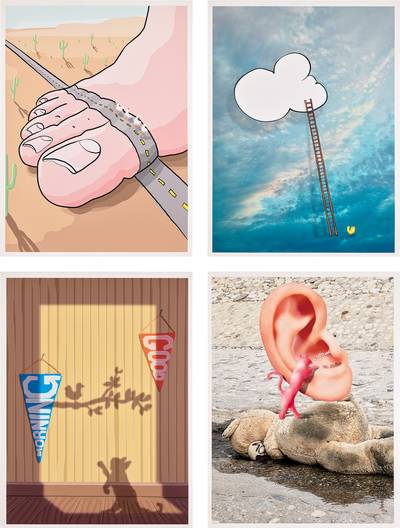
Chicken Rotation
He studied at the Schule für Gestaltung in Zurich before relocating to Amsterdam and eventually settling in New York, where he has built much of his mature practice. His formative years in Europe gave him an intimate understanding of craft traditions and art history, while his adopted city gave him scale, ambition, and a restless appetite for cultural collision. The result is an artist who can move fluidly between the delicate and the monumental, the handmade and the industrially produced, the absurd and the genuinely moving. Fischer first drew serious international attention in the early 2000s with works that seemed to violate the basic agreements between objects and their environments.
He dug an enormous pit into the floor of the Gavin Brown's Enterprise gallery in New York in 2007, a work titled You, which removed the ground from beneath visitors' feet in the most literal sense imaginable. That same spirit of structural disruption runs through his entire practice, whether he is casting household furniture in bronze, photographing crumpled paper and scaling it to room size, or suspending enormous polyurethane foam forms from gallery ceilings. Each gesture asks what we actually see when we look at familiar things, and what it costs us to hold onto them. The wax candle works remain among the most discussed and reproduced pieces in contemporary sculpture.
Urs Fischer
The Trouble with Being Born, 2015
For his 2011 contribution to the Palazzo Grassi in Venice, Fischer presented monumental wax figures, including a full scale recreation of Giambologna's Rape of the Sabine Women alongside a seated human figure and a simple candle, all cast in wax and fitted with wicks that burned throughout the exhibition. The Palazzo Grassi presentation, made possible through the patronage of François Pinault, brought Fischer to the attention of a generation of European collectors and confirmed his standing in the company of the most significant artists working today. The works were spectacular not because they were grand, though they were, but because they made time visible. You watched masterpieces and human forms dissolve on an almost geological clock, and something about that experience lodged in the memory and refused to leave.
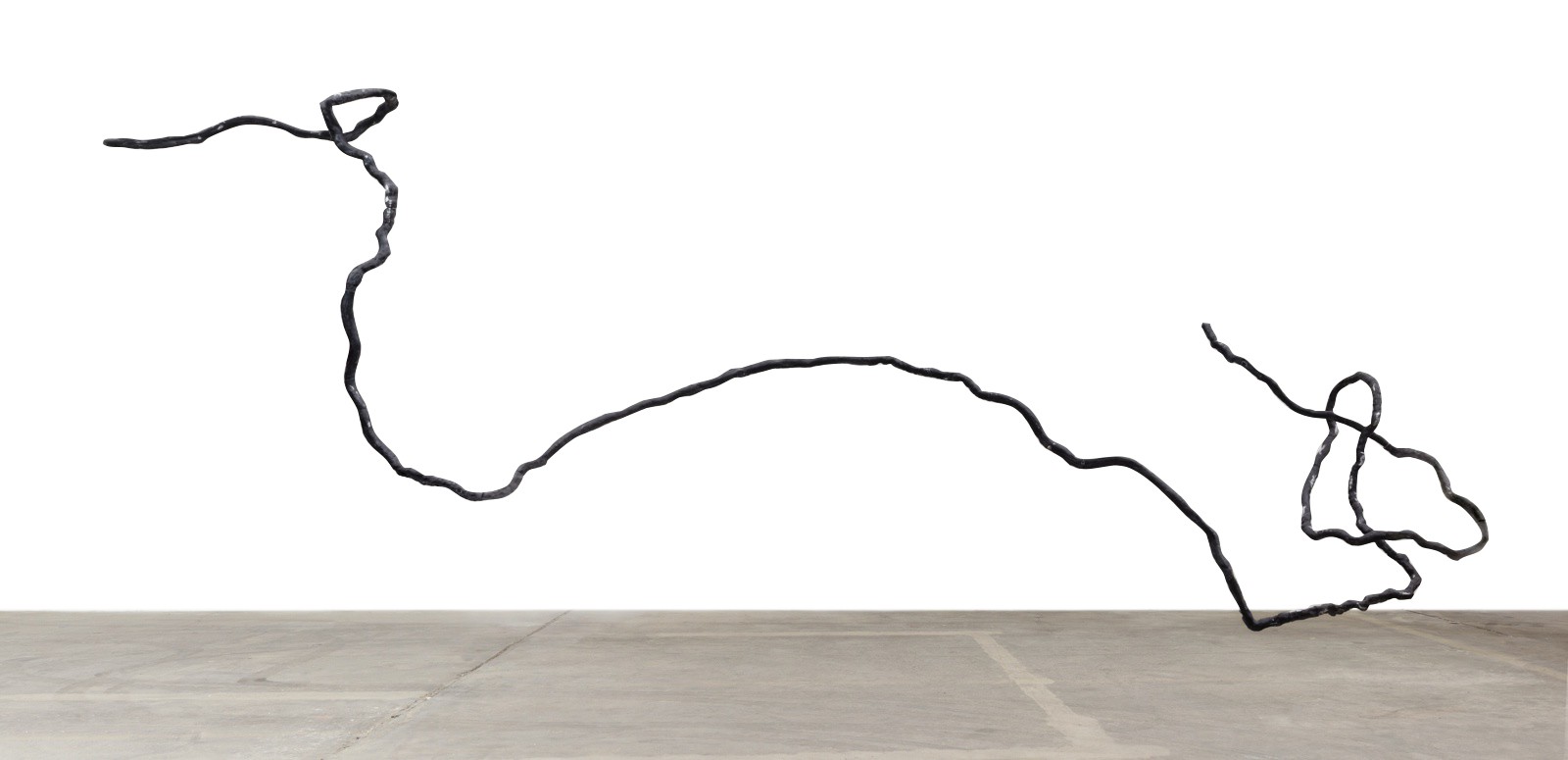
Looking across Fischer's body of work, including pieces like Cioran Handrail from 2006, made from epoxy resin, pigment, enamel paint, wire, and aluminum, and Chagall from the same year, a motorized polyurethane foam construction powered by an electric motor and battery, a consistent formal intelligence emerges. Fischer is endlessly curious about what sculpture can be made from and what those material choices communicate about value, permanence, and the desire to preserve things that are fundamentally temporary. Works like Undigested Sunset from 2001 layer cast aluminum, wax, wood, acrylic paint, fabric, and silicone into objects that feel simultaneously geological and domestic. The Trouble with Being Born from 2015, a fountain work in cast brass with stainless steel tubing and a brass spray nozzle, carries the wry philosophical weight of its title with complete formal sincerity.
Urs Fischer
Cioran Handrail, 2006
These are not ironic objects. They are sincere inquiries into what it means to make something that will last. For collectors, Fischer represents an unusual combination of accessibility and depth. His prints and editions, including screenprints, works on paper, and the striking silkscreen works on mirror glass such as Crooker from 2012, offer entry points into a practice whose larger sculptures command significant prices at auction.
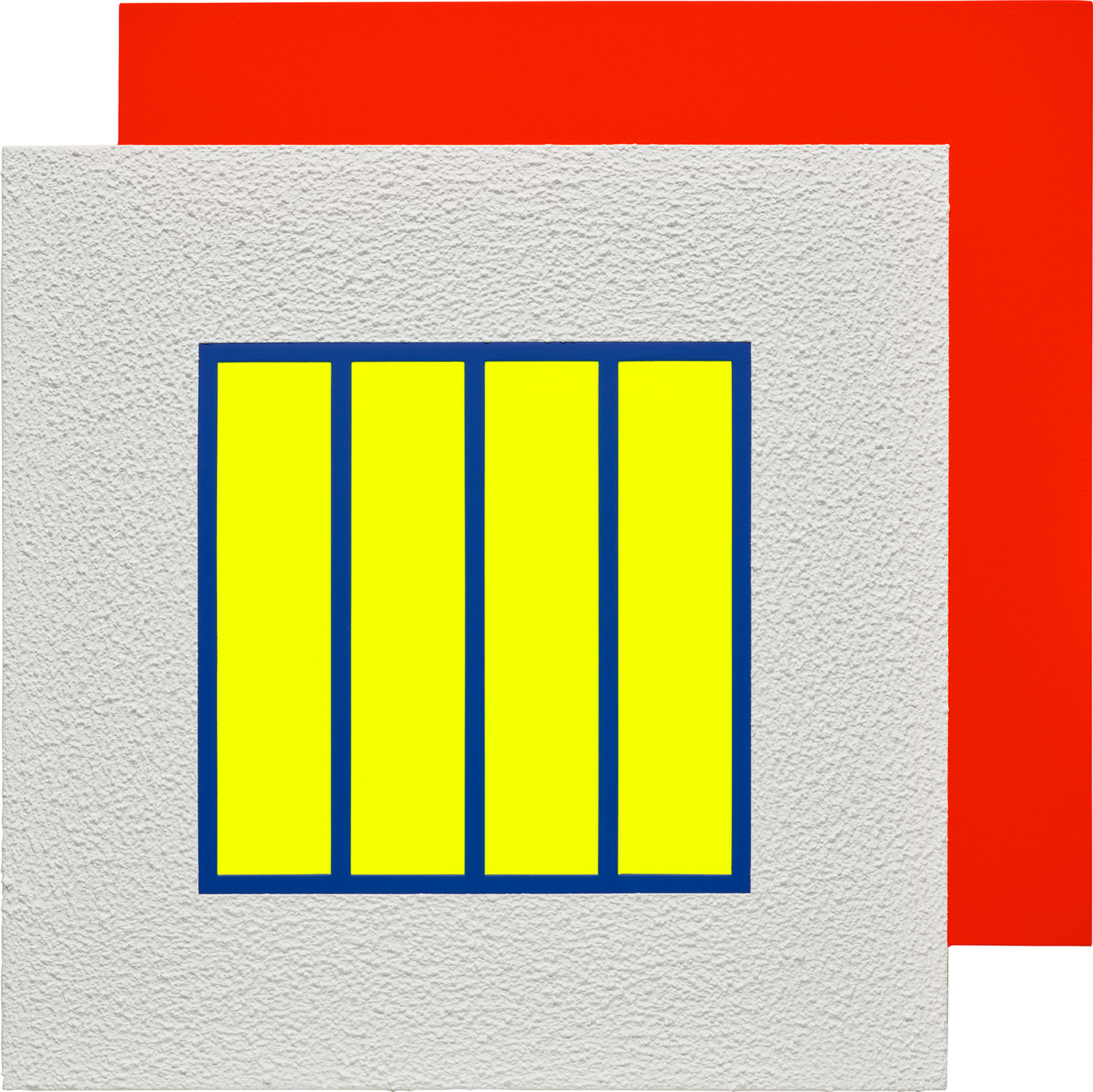
His aluminum panel works, including Sliced and Chicken Rotation, demonstrate his command of surface, color, and the relationship between image and object. Fischer's works reward sustained attention and tend to become more interesting over time rather than less, which is precisely the quality that distinguishes great collecting decisions from merely fashionable ones. His auction market has shown consistent strength, with major institutions and private collections across Europe, the United States, and Asia holding significant examples of his work. In the context of art history, Fischer occupies a position that connects several important lineages without being reducible to any of them.
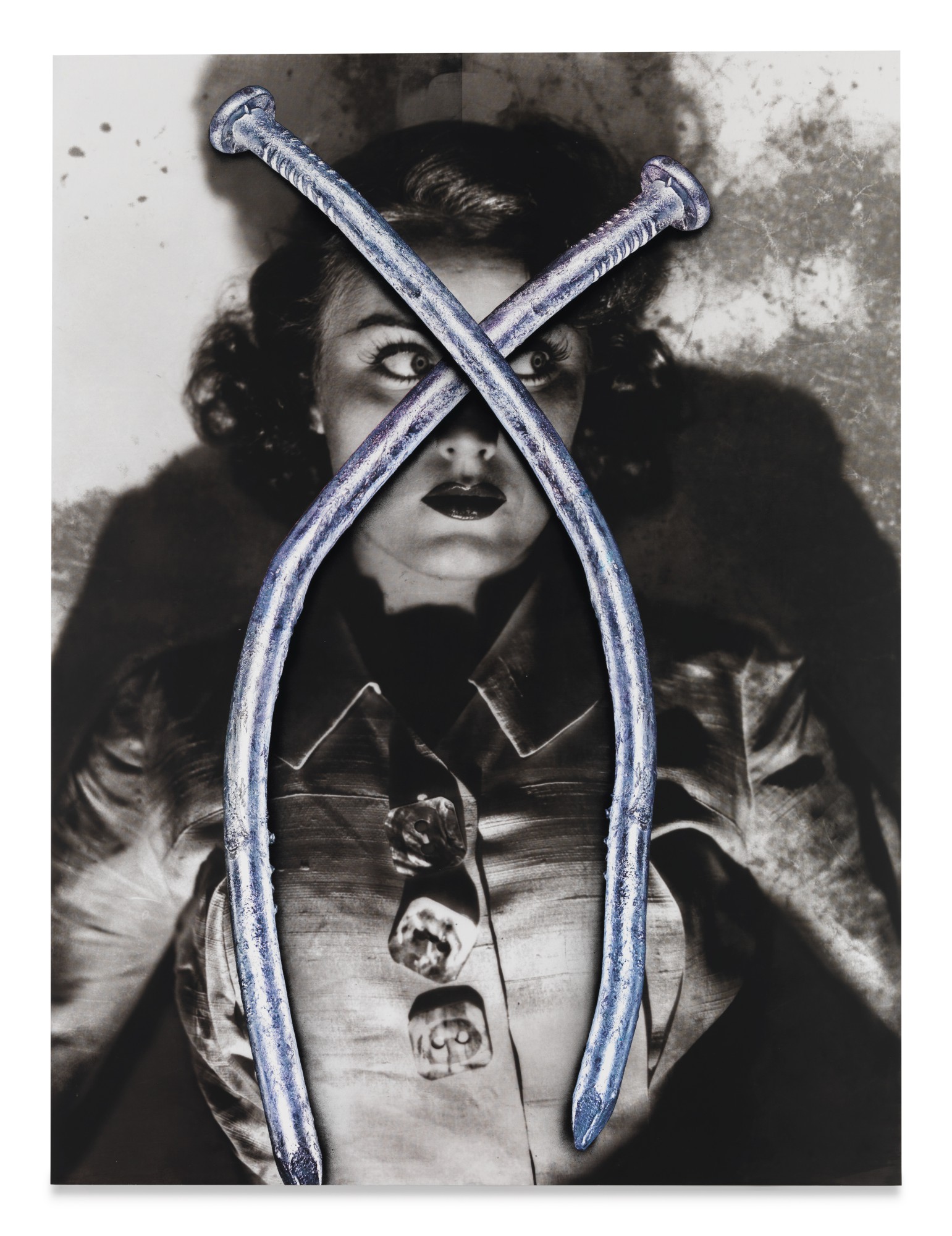
Urs Fischer
Sliced
His interest in transformation and entropy links him to Arte Povera, particularly to artists like Jannis Kounellis and Giovanni Anselmo, who also made the physical processes of the natural world central to their sculptural thinking. His use of found objects and domestic materials echoes certain gestures of Neo Dada and the work of artists like Robert Rauschenberg. His photographic works and large scale installations share concerns with artists like Rachel Whiteread and Maurizio Cattelan, the latter a longtime friend and collaborator. Yet Fischer's work has a warmth and a kind of slapstick tenderness that is entirely his own, a quality that makes his most challenging pieces feel generous rather than withholding.
What endures about Urs Fischer, and what makes his work so important to collect and to live with, is his fundamental generosity toward the viewer. His works do not demand that you already know the right references or hold the correct theoretical positions. They ask only that you pay attention, that you stay long enough to notice the wax shifting, the foam swaying, the nails accumulating into something that exceeds the sum of its parts. In an art world that can sometimes mistake difficulty for depth, Fischer insists that wonder is a serious emotion and that pleasure is a legitimate form of understanding.
That insistence, sustained across more than two decades of genuinely surprising work, is the clearest measure of an artist whose significance will only continue to grow.
Explore books about Urs Fischer