Tom Friedman
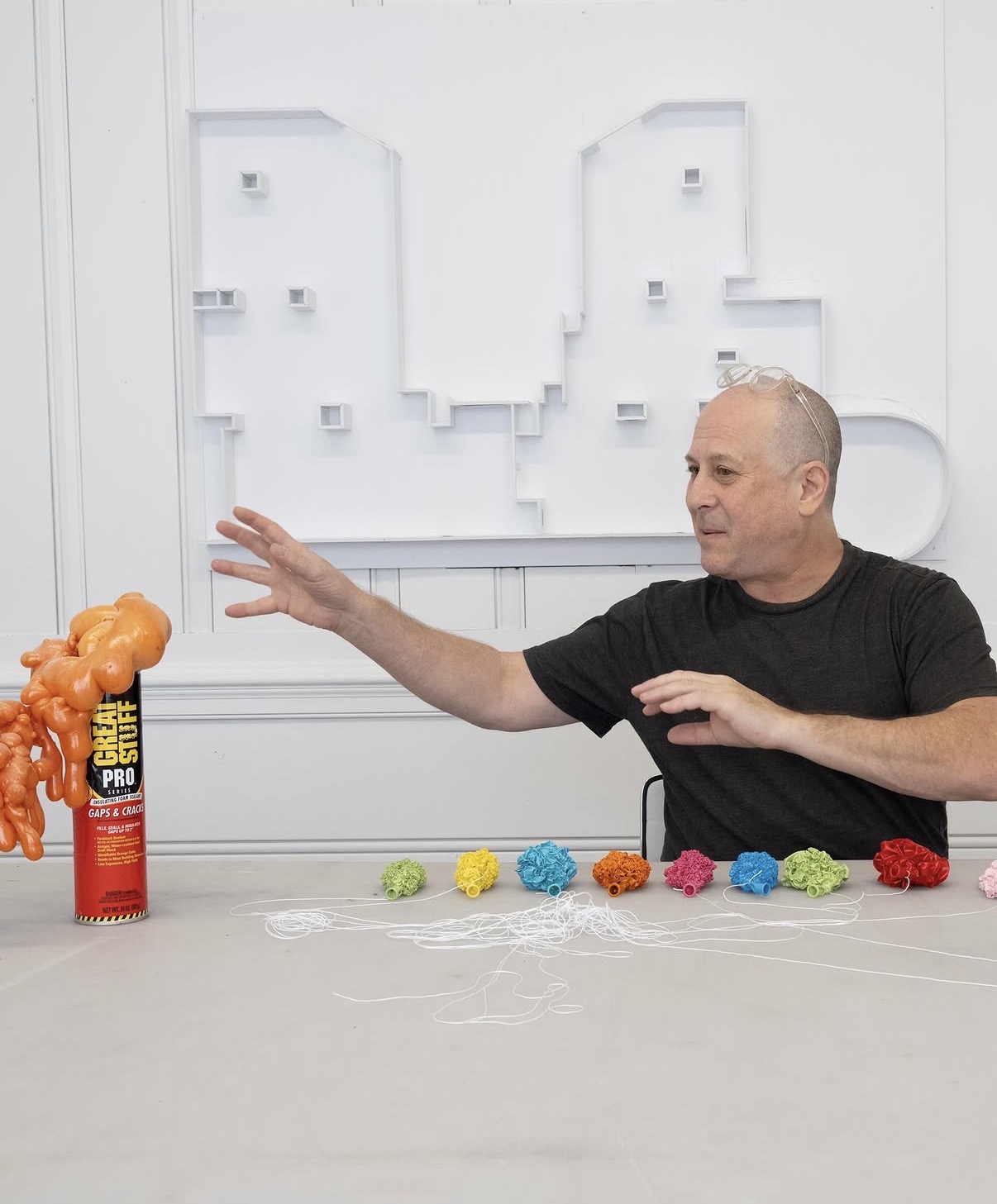
Tom Friedman Finds Wonder in Everything
Artist Spotlight · The Collection Editorial
There is a particular kind of attention that Tom Friedman brings to the world, one that treats a sheet of construction paper or a bar of soap not as humble, disposable things but as portals into something genuinely astonishing. His recent work continues to draw international audiences and critical admiration in equal measure, with presentations at major institutions confirming what collectors and curators have known for decades: Friedman is one of the most inventive and quietly radical sculptors working in America today. His ability to elevate the mundane into the monumental, through nothing more than concentrated labor and conceptual precision, places him in a tradition of genuine artistic importance that only deepens with time. Friedman was born in 1965 in St.
Tom Friedman
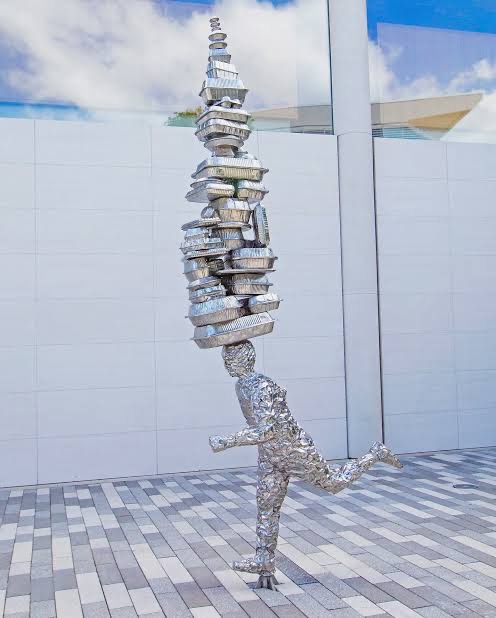
Takeaway, 2018
Louis, Missouri, a city whose particular midwestern sensibility seems to have shaped his instinct for finding richness in the ordinary. He studied at Washington University in St. Louis before completing his MFA at the University of Illinois at Chicago in 1990. It was during these formative years that the foundations of his practice took hold, a fascination with process, repetition, and the philosophical weight that accumulates when extraordinary effort is applied to the most unremarkable of materials.
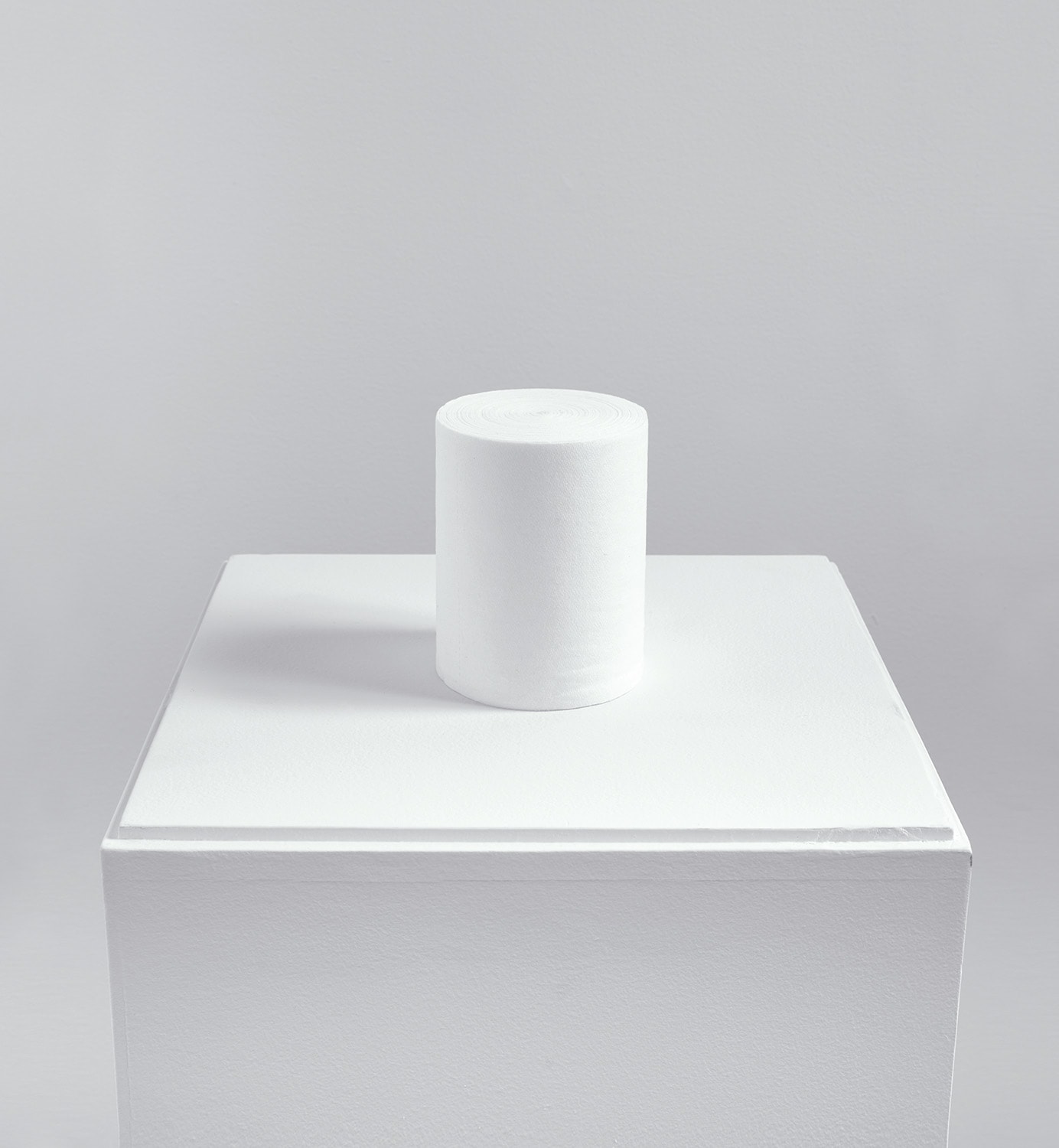
He came of age at a moment when American art was grappling with the legacy of Minimalism and the generative freedoms of Conceptualism, and he absorbed both traditions deeply. The arc of his artistic development moves through a series of revelatory gestures. Early works from the late 1980s and 1990s announced a sensibility both rigorous and playful, one that refused to separate intellectual seriousness from a kind of warm, almost childlike delight in making. His 1990 work with toilet paper, one of the pieces now held in The Collection, is emblematic of this approach: an object so common as to be invisible, transformed through accumulated attention into something that stops you in your tracks.
Tom Friedman
toilet paper, 1990
By the mid 1990s, Friedman had established himself as a figure of genuine consequence in American sculpture, and his reputation only grew as galleries and institutions began to recognize the singular ambition behind his apparently modest materials. No discussion of Friedman is complete without lingering on the works themselves, because they are where his thinking becomes most vivid and most persuasive. His toothpick sculptures, in which thousands of individual pieces are assembled into complex geometric or figurative forms, are perhaps his most widely celebrated achievements, testaments to a patience and obsessive craft that borders on the meditative. The 1994 work Yawn, a gelatin silver print, reveals his interest in the body and its involuntary expressions, capturing something intimate and universal in a single frame.
His 2018 work Takeaway, fashioned from aluminum foil and aluminum takeout containers, demonstrates the continued vitality of his material imagination well into the twenty first century, finding in the detritus of contemporary urban life the same potential for transformation he has always pursued. The outdoor sculpture in oil paint on steel shows his capacity to move between intimate studio works and large scale public presence without losing the conceptual thread that runs through everything he makes. Friedman has exhibited at the New Museum in New York and the Guggenheim, institutions whose support signals an artist of serious cultural standing. His work is represented by major international galleries, and Island Press in St.
Tom Friedman
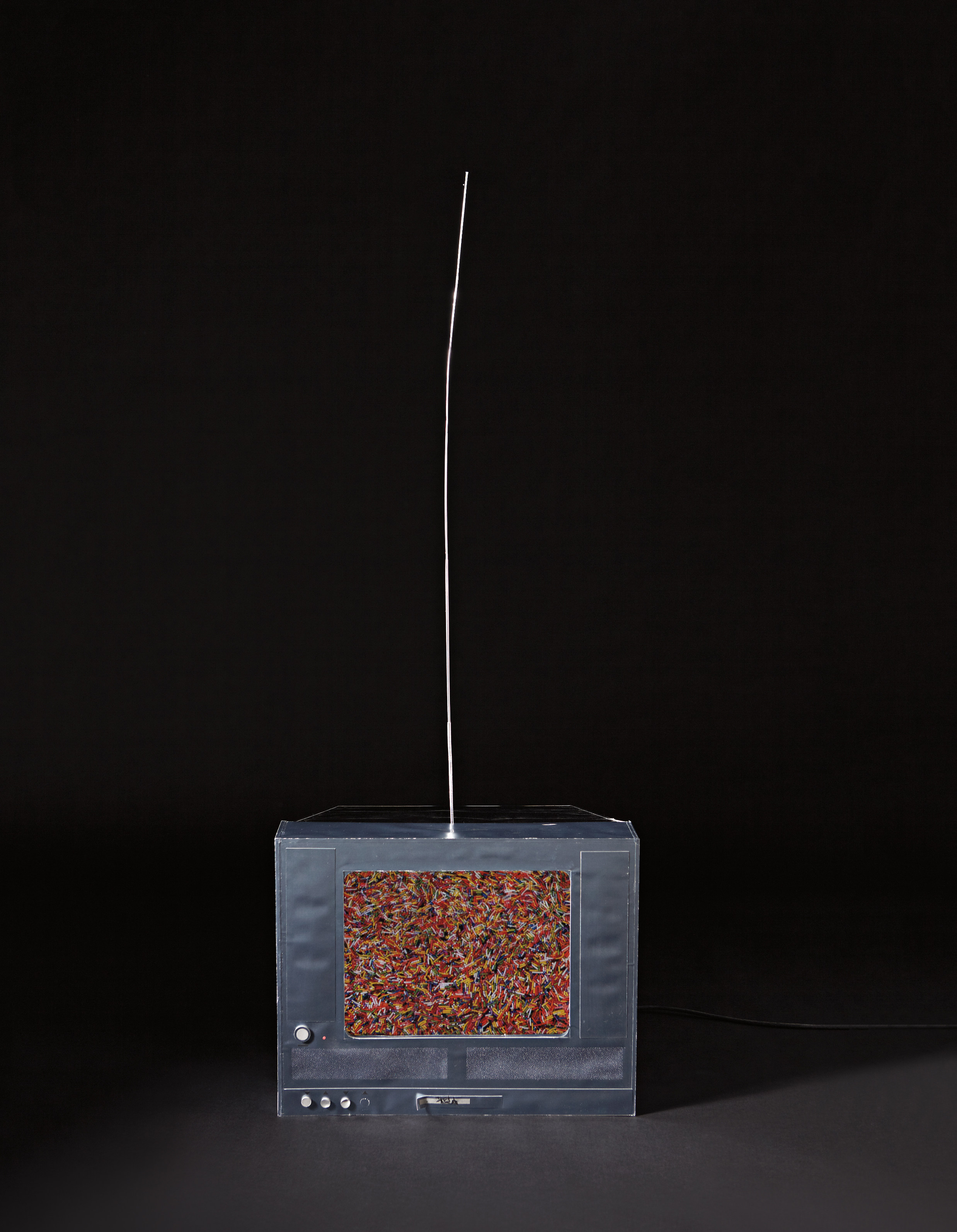
construction paper, foam board, wood, tin, LCD monitor and computer software with sound, 2006
Louis has published editions of his work, including a signed and numbered print edition that speaks to the breadth of his practice across media. For collectors, the appeal of Friedman is layered and compelling. There is the immediate visual delight, the almost involuntary smile or catch of breath that his best works produce. Beneath that is something more durable: a conceptual rigor that rewards sustained engagement and that situates each work within a larger, coherent body of thought.
Works on paper and editions offer entry points for new collectors, while his major sculptures carry the kind of art historical weight that distinguishes a serious collection. Within the broader landscape of contemporary and Post Minimalist art, Friedman belongs to a distinguished lineage that includes artists like Bruce Nauman, whose use of the body and language as sculptural material shares a certain conceptual DNA, and Robert Gober, whose transformation of domestic objects into vessels of psychological and formal complexity resonates with Friedman's own practice. One might also think of Haim Steinbach in considering Friedman's relationship to consumer objects, or of the process art tradition that runs from Richard Serra back through Eva Hesse. Yet Friedman is finally his own thing entirely, distinguished by a warmth and wit that prevents his work from ever becoming cold or merely cerebral.
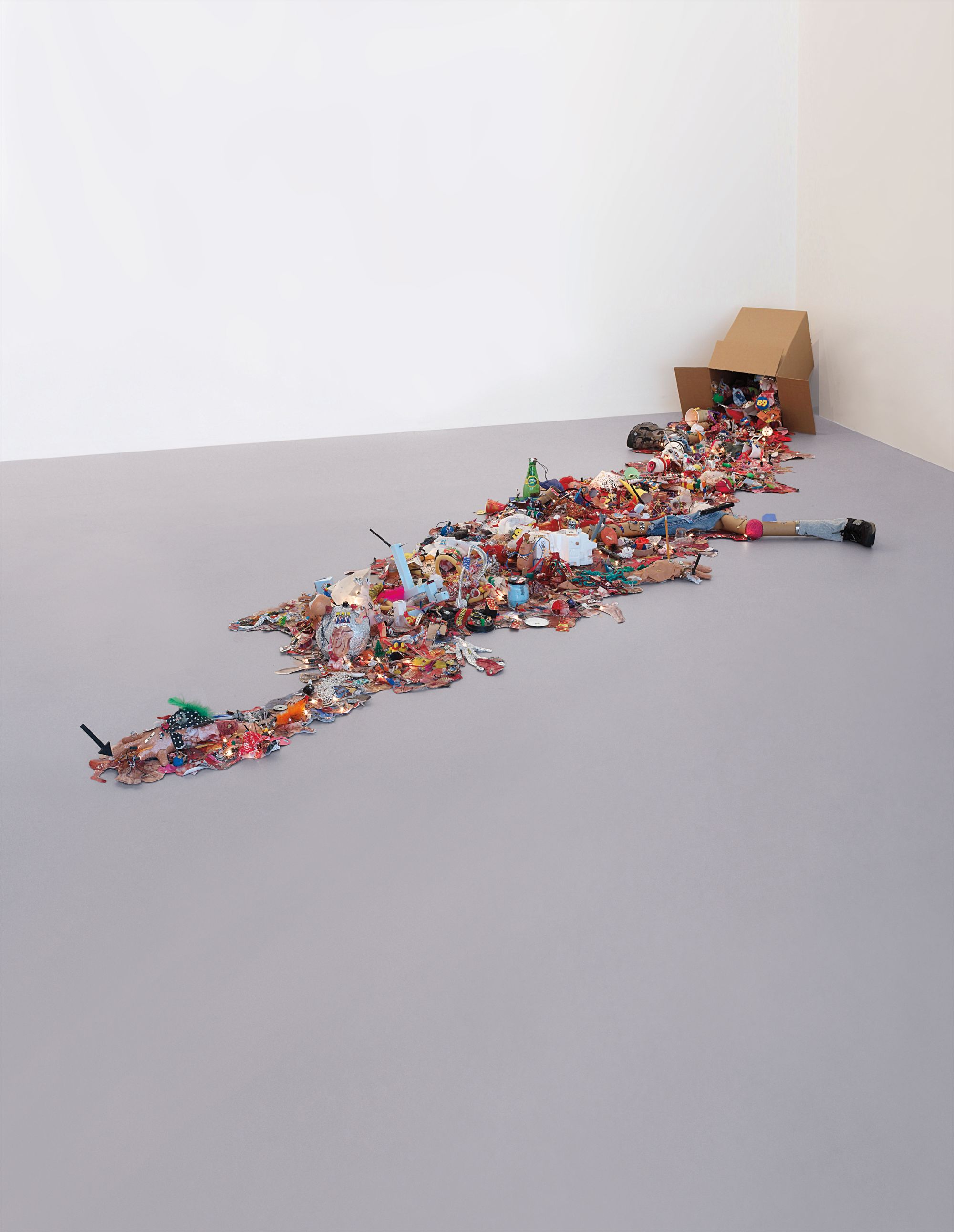
Tom Friedman
Inside Out
He is an artist who seems genuinely enchanted by the world, and that enchantment is contagious. The legacy of Tom Friedman is still being written, which is one of the most exciting things about engaging with a living artist of his stature. He has been quietly influential on a generation of younger sculptors who took note of his lesson that scale of ambition need not be measured in physical size or expensive materials. His work asks something of us: it asks that we slow down, look carefully, and reconsider what we think we already know about the things that surround us every day.
In an art world that sometimes privileges spectacle over substance, Friedman's practice is a steady and generous reminder that the most profound transformations often begin with the simplest things. To collect his work is to bring that reminder into your daily life, and there are few gifts a work of art can offer that are more lasting than that.