Samuel Levi Jones
Samuel Levi Jones Rewrites the Book Beautifully
Artist Spotlight · The Collection Editorial
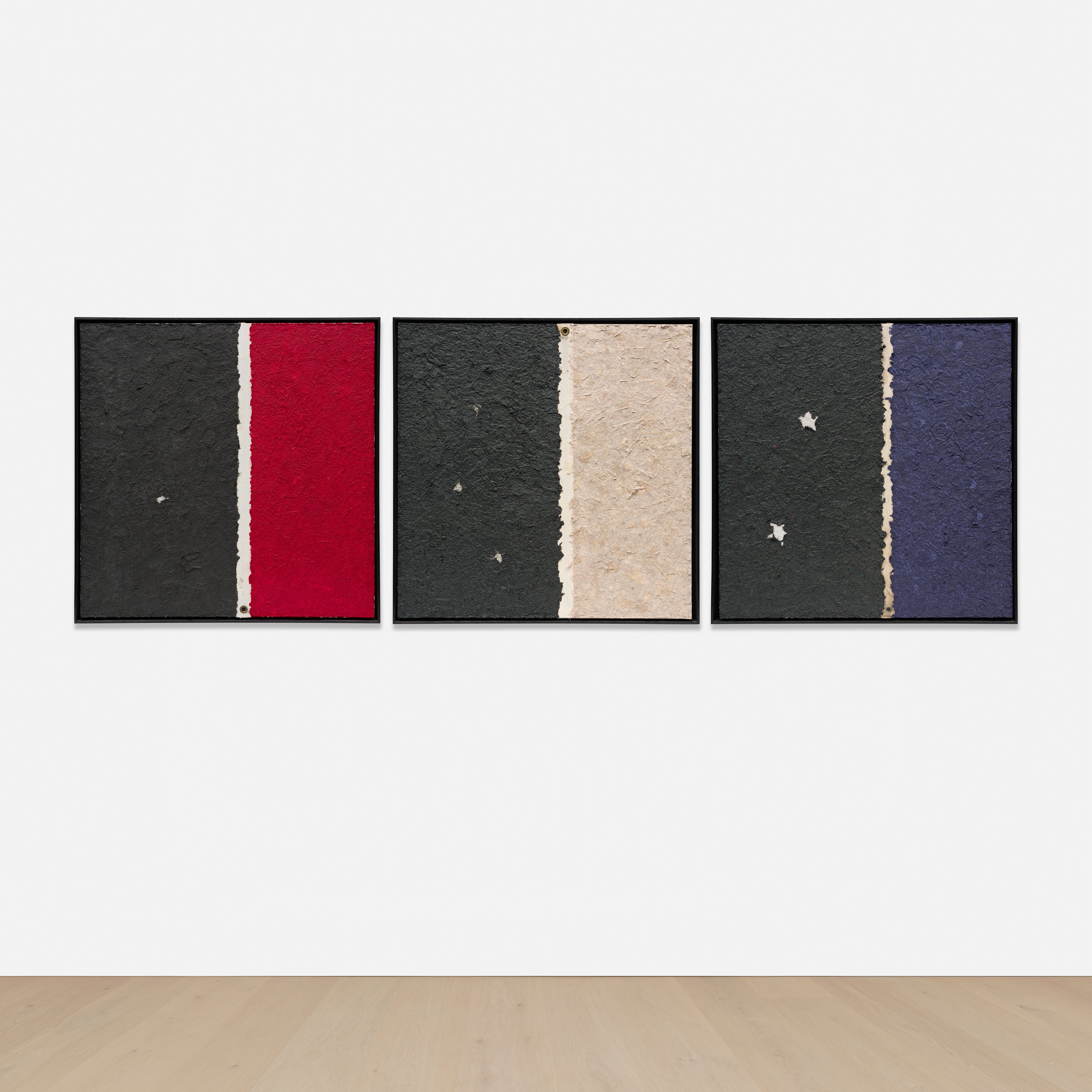
In the fall of 2022, Samuel Levi Jones unveiled new work that confirmed what collectors and curators across the United States had been quietly saying for years: this Indianapolis based artist is operating at a level of conceptual and material rigor that places him among the most important painters working today. His piece "Conscious Intuition," completed that year, exemplifies everything that makes Jones so compelling to those who encounter his practice up close. It is at once quietly beautiful and structurally radical, a work that earns longer looking the more you understand what has gone into making it. Jones was born in 1978, and his path to becoming one of the most distinctive voices in American abstract art was shaped by a deep awareness of the institutions that govern everyday life.
Samuel Levi Jones
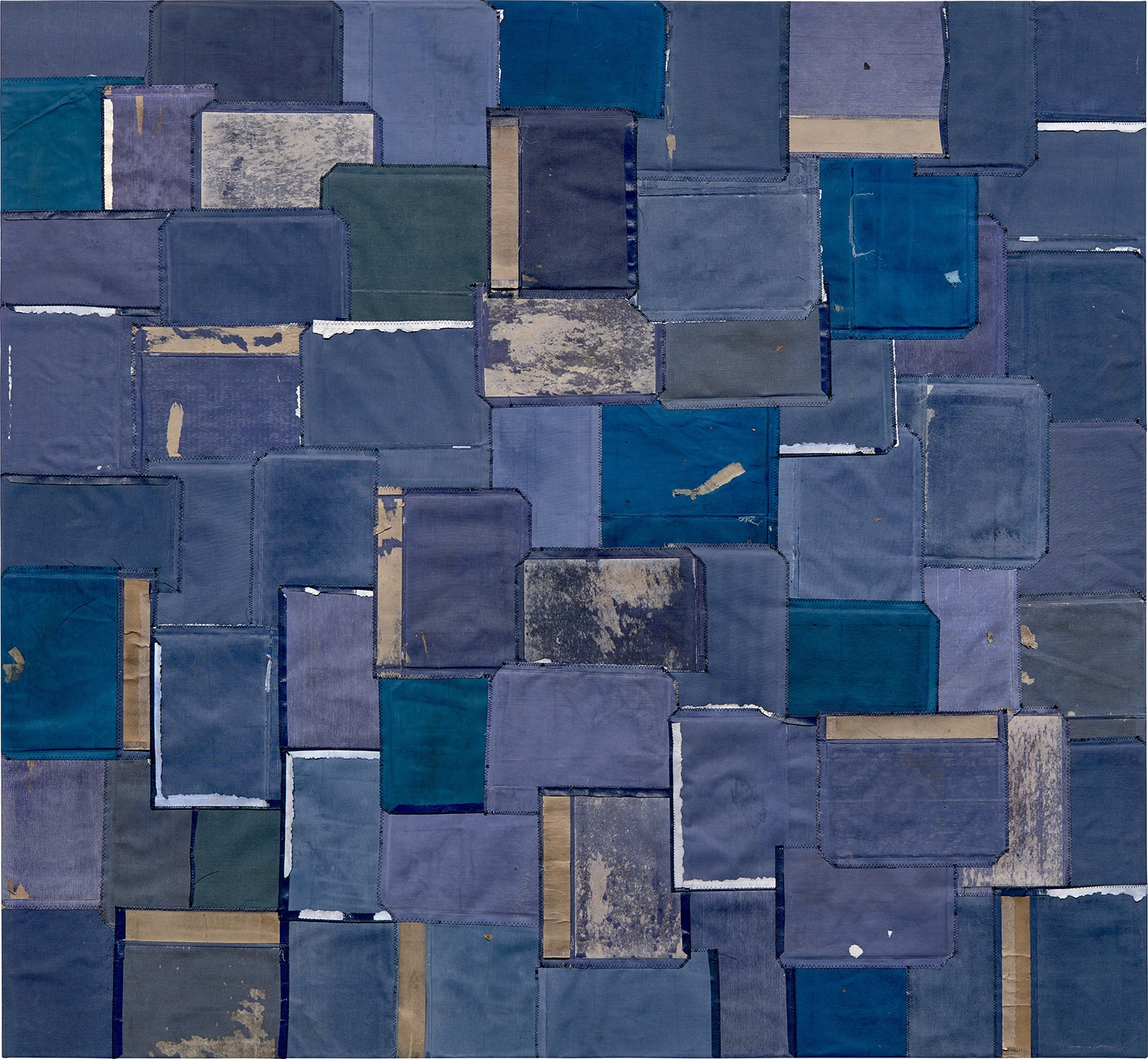
Statues, 2017
Growing up in the American Midwest, he developed an acute sensitivity to the ways that systems of knowledge, whether legal, medical, or encyclopedic, tend to serve some people better than others. That awareness did not lead him toward didactic work or protest art in any conventional sense. Instead, it led him toward the studio, toward material, and toward a practice that transforms the very objects through which power is encoded. His artistic formation took shape in earnest during his time in Indiana, where he pursued his education and eventually established a studio practice that drew on both the conceptual traditions of postwar American art and a deeply personal sense of what abstraction can do.
Jones came of age artistically in a moment when artists like Glenn Ligon and Kara Walker were demonstrating that abstraction and representation could be vehicles for genuine historical reckoning. Jones absorbed those lessons and pushed in his own direction, arriving at a process based methodology that is entirely his own. The result is a body of work that feels both intellectually grounded and instinctively felt. The signature gesture of Jones's practice is the dismantling and repurposing of institutional texts.
Samuel Levi Jones
Conscious Intuition, 2022
He works with law books, medical reference volumes, encyclopedia sets, and other repositories of official knowledge, unraveling their covers and pages and then layering, collaging, and composing them into abstract works of startling visual complexity. The act of taking apart a law book and reconstituting its material as painting is not a simple act of destruction. It is a form of transubstantiation. The authority embedded in those objects does not disappear; it is redistributed, made visible, and ultimately questioned.
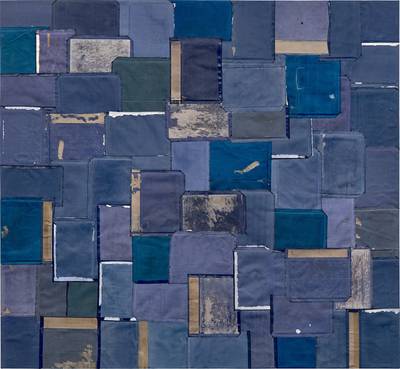
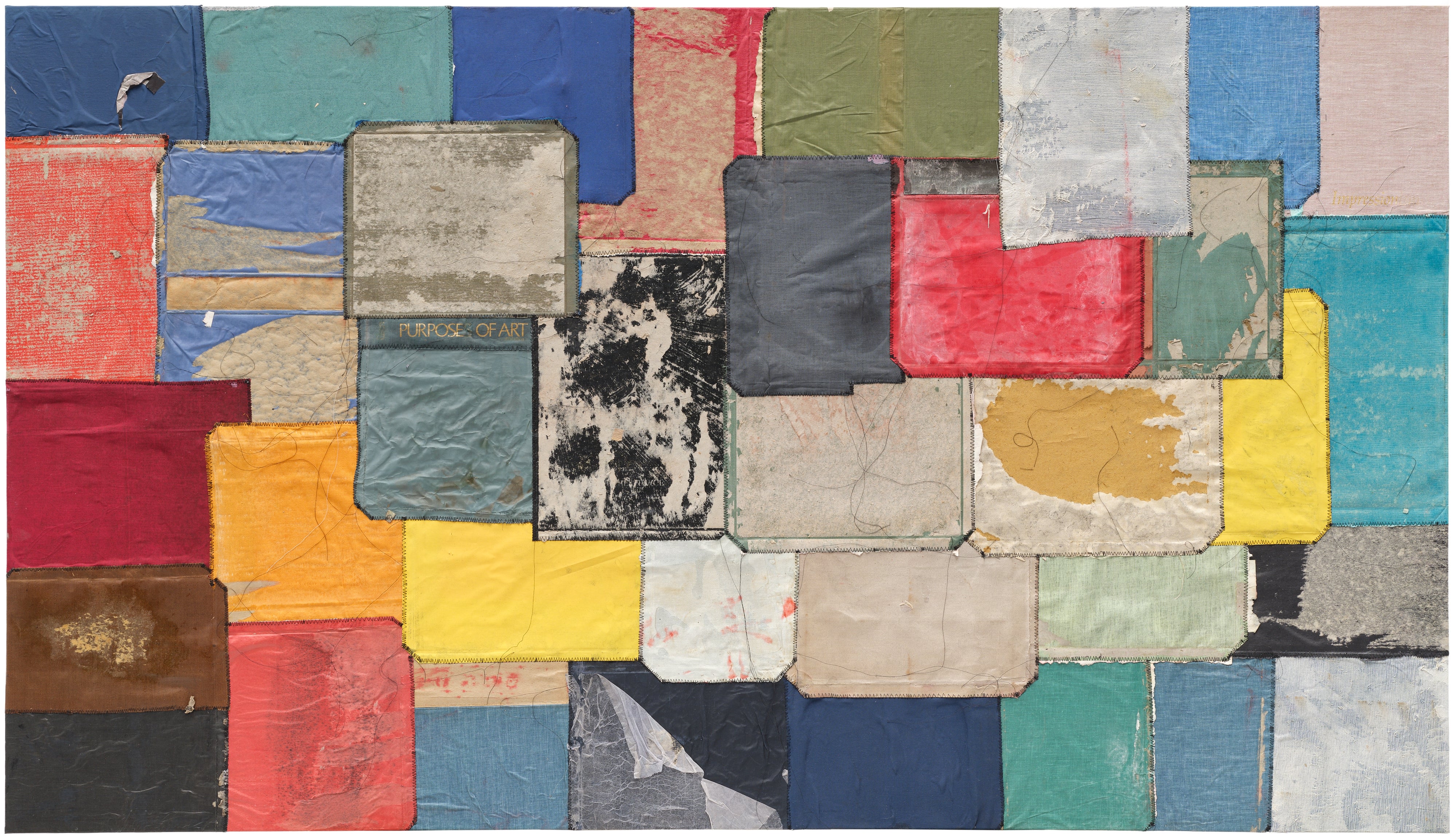
What emerges on the wall is something that reads as painting but carries within it the residue of systems that have historically determined who has access to knowledge and who does not. Among the works that best demonstrate the range of his vision are "Ain't Supposed to Cry" and "Choose Well," both from 2016, which showcase the raw emotional intelligence beneath his formal experimentation. "Statues" from 2017 represents a particularly strong moment in his development, bringing a monumental quality to his collaged surfaces that invites comparison with the great tradition of American abstract painting while remaining unmistakably contemporary in its concerns. "Purpose" from 2019 extends those qualities further, demonstrating how his palette and compositional instincts have deepened over time.
Samuel Levi Jones
Purpose, 2019
Each work rewards close looking, revealing textures and layers that speak to the labor involved and to the weight of the source materials. From a collecting perspective, Jones represents exactly the kind of artist that serious collectors seek out: someone whose work is visually strong enough to hold a room and intellectually substantial enough to hold a conversation for decades. His practice sits comfortably in dialogue with artists such as Glenn Ligon, whose text based works similarly interrogate language and power, and with figures like Mark Bradford, whose large scale collaged abstractions draw on found and commercial materials. Jones also shares a certain formal kinship with the work of Theaster Gates, another Midwestern artist who transforms institutional and communal objects into aesthetic experience.
Placed within that constellation, Jones holds his own with authority. The market for Jones's work has grown steadily as museums and major institutions have taken greater notice of artists whose practices engage with race, history, and material culture in rigorous ways. His works have entered significant collections, and his gallery relationships have brought him visibility at art fairs and exhibitions that reach collectors across the country and internationally. For those considering an entry point into his practice, the works from the mid to late 2010s offer a strong foundation, representing a period when his methodology was fully formed and his ambitions were expanding.
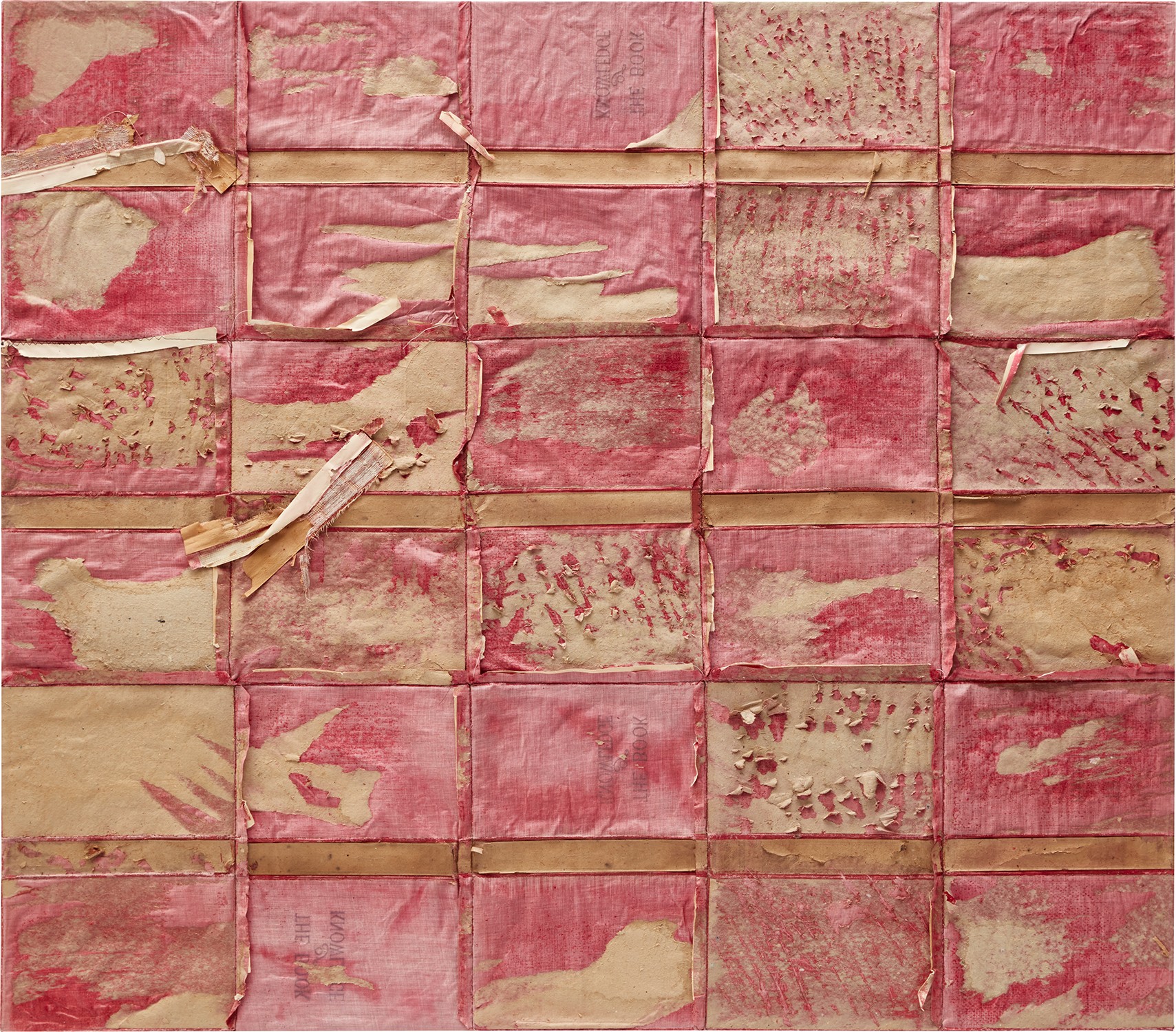
Samuel Levi Jones
Ain't Supposed to Cry, 2016
More recent works such as "Conscious Intuition" from 2022 suggest that the best of his career may still be ahead. What makes Jones matter in the longer sweep of art history is the seriousness with which he takes both abstraction and accountability. At a moment when the art world continues to reckon with whose histories get told and whose get erased, Jones offers a practice that is neither earnest nor cynical. He treats his materials with genuine care, and his finished works have an elegance that never tips into decoration.
The books he dismantles were not neutral objects to begin with, and he knows it. By the time they become painting, they have been through something, and so has the viewer who encounters them. That transformation is the work, and it is genuinely extraordinary.