Richard Prince

Artist Spotlight · The Collection Editorial
```json { "headline": "Richard Prince: America's Most Gloriously Provocative Visionary", "body": "Few artists have so thoroughly reshaped what it means to make a picture in the modern age as Richard Prince. His retrospective at the Guggenheim Museum in New York, which opened in 2007 under the title \"Richard Prince,\" remains one of the most visited and debated exhibitions the institution has mounted in recent decades, drawing collectors, scholars, and curious first timers alike into a labyrinth of appropriated imagery, deadpan humor, and razor sharp cultural criticism. Today, with his work commanding millions at auction and his influence visible across entire generations of artists working in photography, painting, and digital media, Prince stands as one of the most consequential American artists of the last half century.", "Early life sets the stage for everything that followed.
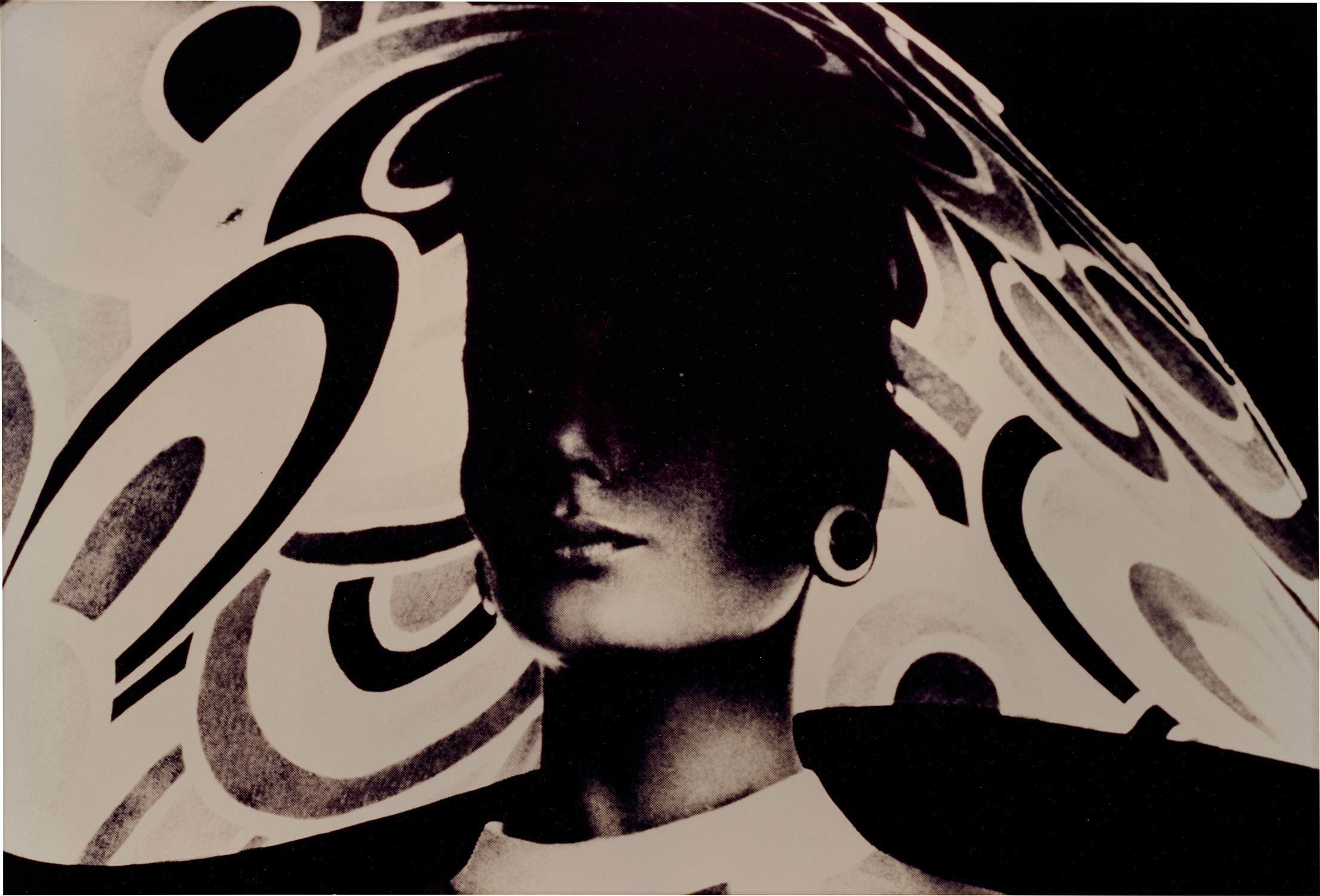
Richard Prince
Ektacolor print, 1982
Prince was born in 1949 in the Panama Canal Zone, a detail that feels almost too perfectly apt for an artist whose entire practice would come to orbit questions of borderlessness, borrowed identity, and the slippery nature of ownership. He arrived in New York City in the early 1970s, taking a job in the tear sheet department of Time Life Inc., where he spent his days surrounded by the raw material of American mass media. Advertisements, magazine spreads, celebrity photographs, and lifestyle imagery passed through his hands by the thousands, and Prince began to see them not as ephemera but as a vast, largely untapped archive of collective desire.
", "It was out of this immersion in commercial imagery that Prince developed his signature act of appropriation. Beginning in the late 1970s, he started rephotographing advertisements, particularly those featuring the Marlboro cowboy, stripping away the text and presenting the image as pure, unmediated fantasy. The resulting works, his iconic Cowboy series, presented the myth of American masculinity in a way that was simultaneously reverent and deeply skeptical. By removing the brand but preserving the seduction, Prince forced viewers to confront what they were actually responding to, whether the product, the ideology, or something far more primal.
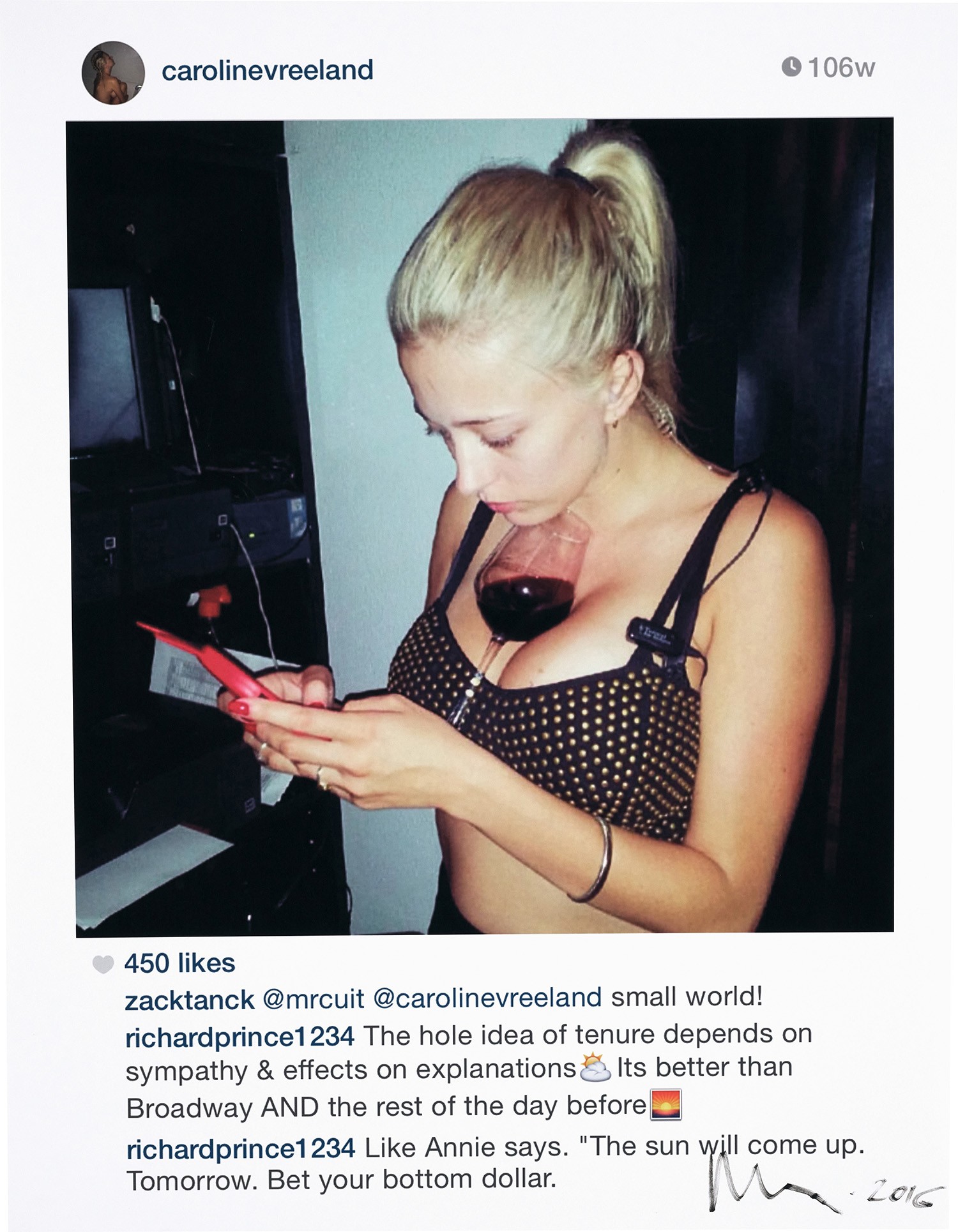
Richard Prince
Instagram, 2016
These photographs were not theft so much as surgery, a precise incision into the body of American culture.", "Through the 1980s and into the 1990s, Prince expanded his practice in directions that surprised even his most devoted supporters. His Nurse paintings, monumental canvases derived from the covers of pulp romance novels, brought the lurid color and emotional excess of popular fiction into conversation with the grand tradition of figurative painting. Works such as Mystery Nurse, rendered in inkjet and acrylic on canvas, pulse with an energy that is at once campy and genuinely unsettling, their heroines masked and wide eyed against fields of dripped and pooled paint.
Around the same period, his Joke paintings introduced hand lettered or stenciled punchlines directly onto the canvas, reducing the painting to a vehicle for a kind of low humor that nevertheless carried enormous conceptual weight. These were not jokes about art. They were jokes that were art.", "Prince's instinct for identifying the cultural moment has never been sharper than in his Instagram paintings, works first shown prominently in 2014 and 2015 that reproduced screenshots of other people's Instagram posts, enlarged to monumental scale and presented as original artworks.
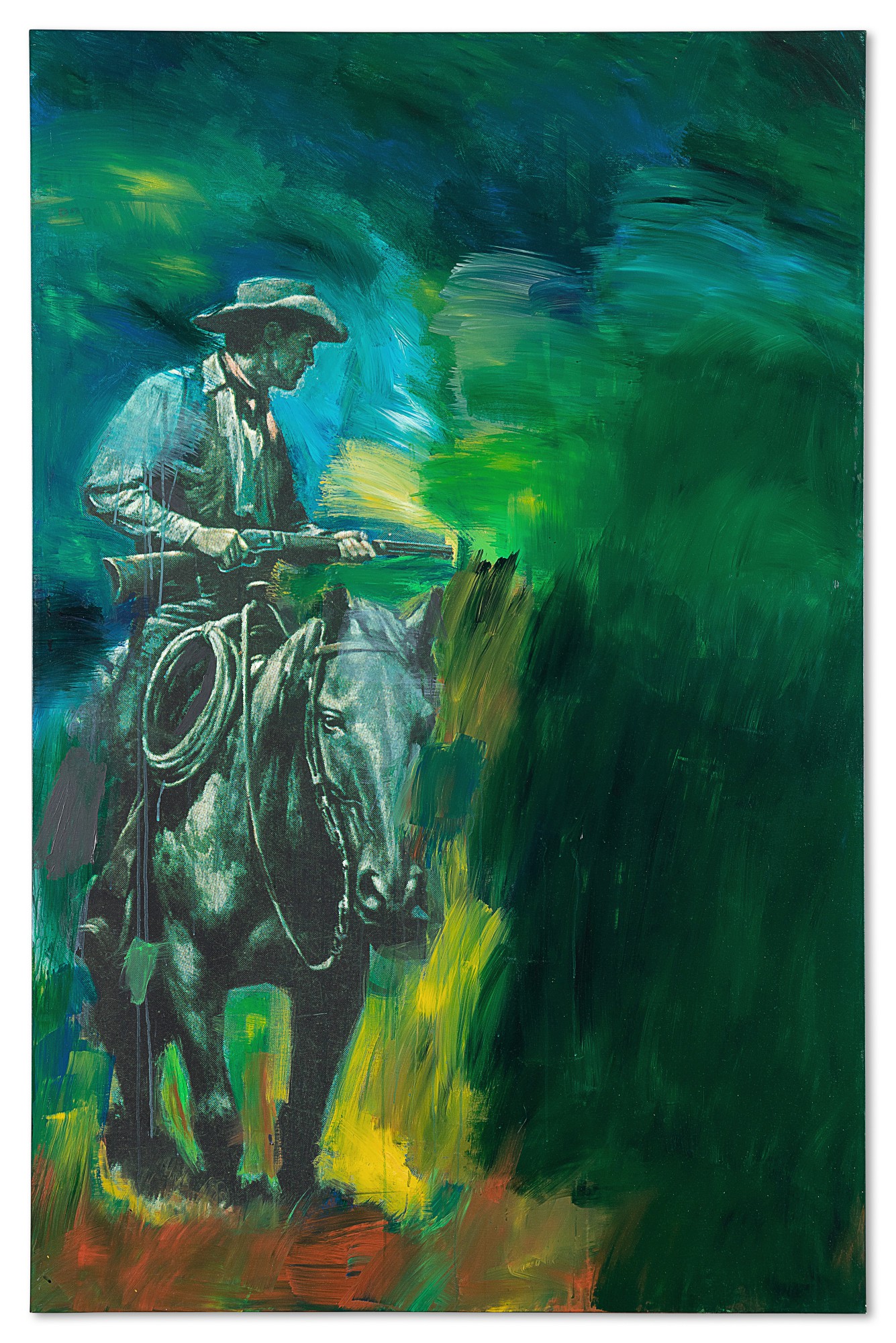
Richard Prince
Untitled (Cowboy)
The series ignited fierce debate about authorship, consent, and the commodification of social media life, debates that remain urgently unresolved. That Prince could provoke such a conversation while simultaneously producing objects of genuine visual magnetism speaks to his rare ability to operate on multiple registers at once. The Instagram works are funny, uncomfortable, seductive, and philosophically serious all at the same time, a combination that is very difficult to achieve and even harder to sustain.", "For collectors, Prince's work offers something unusually rich: a practice that has remained consistently inventive across five decades without ever repeating itself in a way that feels mechanical.
His Ektacolor prints from the early 1980s, among the earliest and most historically significant works in his output, are foundational objects for any serious collection of Pictures Generation art. At auction, Prince has achieved results well above seven figures, with Cowboy works in particular drawing intense competition from institutional and private buyers worldwide. Collectors are drawn not only to the prestige of owning a piece of genuinely influential art history but also to the sheer pleasure of living with works that reward attention, that reveal new layers of meaning the longer they are considered. Works from his Living Rooms series of the late 1970s and his later inkjet canvases from the 2000s offer different entry points into the practice, each compelling on its own terms.
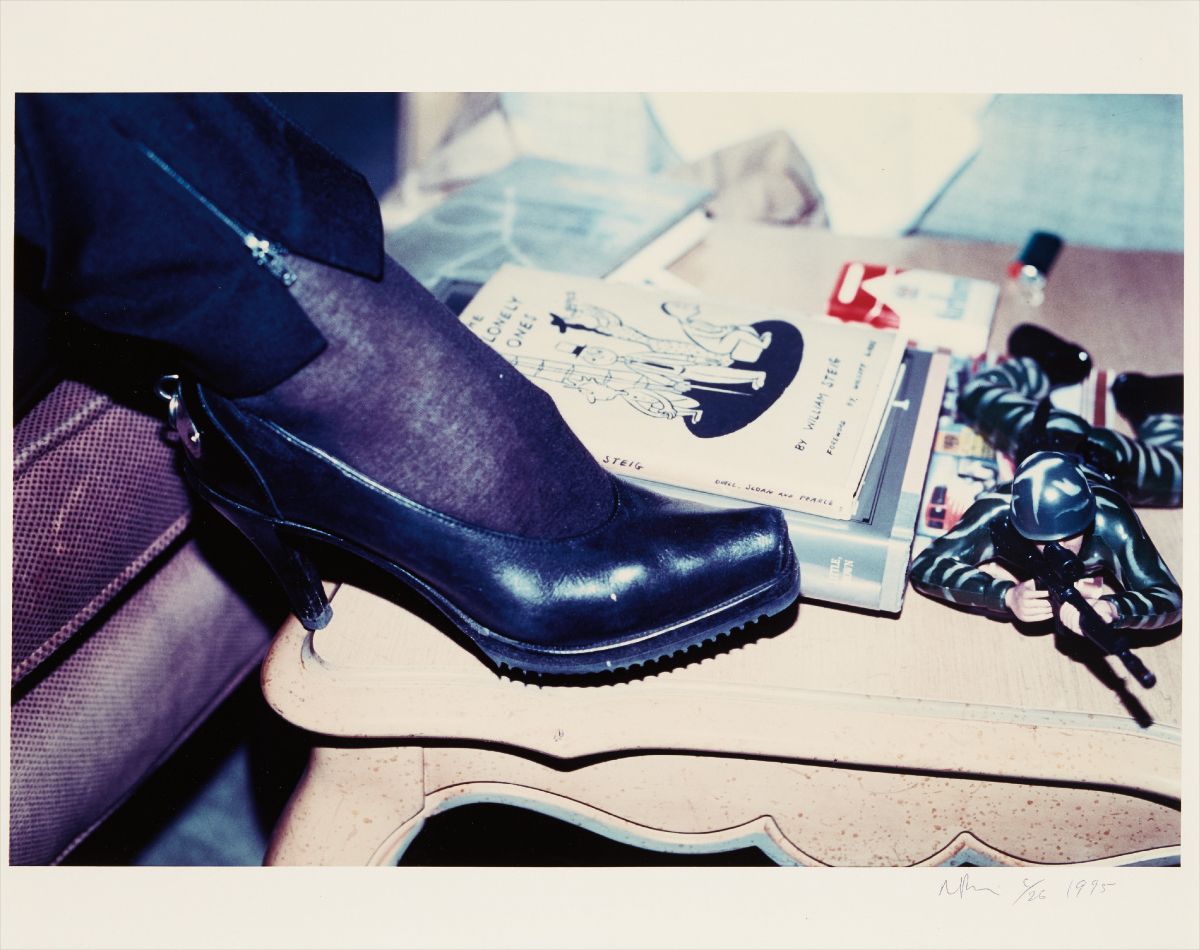
Richard Prince
Shaun Calley's Shoe, Chateau Marmont, Los Angeles, Calif., Winter
", "Prince belongs to a generation and a tendency whose influence on contemporary art is almost impossible to overstate. His peers and near contemporaries in the Pictures Generation, among them Cindy Sherman, Barbara Kruger, Sherrie Levine, and Louise Lawler, shared his preoccupation with how images circulate, accumulate meaning, and ultimately construct our sense of reality. But Prince's voice within that conversation has always been distinctly his own, more irreverent, more willing to lean into the pleasures of the very culture he was critiquing. He is perhaps closer in spirit to Andy Warhol than to any of his immediate contemporaries, sharing Warhol's instinct for identifying the precise point where fascination and critique become indistinguishable from one another.
", "What makes Prince so essential to collect and to study today is the way his preoccupations have only grown more relevant with time. In an era defined by questions of image ownership, viral culture, and the blurring of authorship in the age of artificial intelligence, Prince looks less like a provocateur ahead of his time and more like an artist who simply saw with unusual clarity what was already happening around him. His willingness to ask uncomfortable questions through objects of genuine beauty and wit is a model for what ambitious art can do. To own a Richard Prince is to hold a piece of that argument, to participate in a conversation that shows no sign of ending and every sign of mattering more with each passing year.
", "body": "Few artists have so thoroughly reshaped what it means to make a picture in the modern age as Richard Prince. His retrospective at the Guggenheim Museum in New York, which opened in 2007 under the title Richard Prince, remains one of the most visited and debated exhibitions the institution has mounted in recent decades, drawing collectors, scholars, and curious first timers alike into a labyrinth of appropriated imagery, deadpan humor, and razor sharp cultural criticism. Today, with his work commanding millions at auction and his influence visible across entire generations of artists working in photography, painting, and digital media, Prince stands as one of the most consequential American artists of the last half century.\n\nEarly life sets the stage for everything that followed.
Prince was born in 1949 in the Panama Canal Zone, a detail that feels almost too perfectly apt for an artist whose entire practice would come to orbit questions of borderlessness, borrowed identity, and the slippery nature of ownership. He arrived in New York City in the early 1970s, taking a job in the tear sheet department of Time Life Inc., where he spent his days surrounded by the raw material of American mass media. Advertisements, magazine spreads, celebrity photographs, and lifestyle imagery passed through his hands by the thousands, and Prince began to see them not as ephemera but as a vast, largely untapped archive of collective desire.
\n\nIt was out of this immersion in commercial imagery that Prince developed his signature act of appropriation. Beginning in the late 1970s, he started rephotographing advertisements, particularly those featuring the Marlboro cowboy, stripping away the text and presenting the image as pure, unmediated fantasy. The resulting works, his iconic Cowboy series, presented the myth of American masculinity in a way that was simultaneously reverent and deeply skeptical. By removing the brand but preserving the seduction, Prince forced viewers to confront what they were actually responding to, whether the product, the ideology, or something far more primal.
These photographs were not theft so much as surgery, a precise incision into the body of American culture.\n\nThrough the 1980s and into the 1990s, Prince expanded his practice in directions that surprised even his most devoted supporters. His Nurse paintings, monumental canvases derived from the covers of pulp romance novels, brought the lurid color and emotional excess of popular fiction into conversation with the grand tradition of figurative painting. Works such as Mystery Nurse, rendered in inkjet and acrylic on canvas, pulse with an energy that is at once campy and genuinely unsettling, their heroines masked and wide eyed against fields of dripped and pooled paint.
Around the same period, his Joke paintings introduced hand lettered or stenciled punchlines directly onto the canvas, reducing the painting to a vehicle for a kind of low humor that nevertheless carried enormous conceptual weight. These were not jokes about art. They were jokes that were art.\n\nPrince's instinct for identifying the cultural moment has never been sharper than in his Instagram paintings, works first shown prominently in 2014 and 2015 that reproduced screenshots of other people's Instagram posts, enlarged to monumental scale and presented as original artworks.
The series ignited fierce debate about authorship, consent, and the commodification of social media life, debates that remain urgently unresolved. That Prince could provoke such a conversation while simultaneously producing objects of genuine visual magnetism speaks to his rare ability to operate on multiple registers at once. The Instagram works are funny, uncomfortable, seductive, and philosophically serious all at the same time, a combination that is very difficult to achieve and even harder to sustain.\n\nFor collectors, Prince's work offers something unusually rich: a practice that has remained consistently inventive across five decades without ever repeating itself in a way that feels mechanical.
His Ektacolor prints from the early 1980s, among the earliest and most historically significant works in his output, are foundational objects for any serious collection of Pictures Generation art. At auction, Prince has achieved results well above seven figures, with Cowboy works in particular drawing intense competition from institutional and private buyers worldwide. Collectors are drawn not only to the prestige of owning a piece of genuinely influential art history but also to the sheer pleasure of living with works that reward attention, that reveal new layers of meaning the longer they are considered. Works from his Living Rooms series of the late 1970s and his later inkjet canvases offer different entry points into the practice, each compelling on its own terms.
\n\nPrince belongs to a generation and a tendency whose influence on contemporary art is almost impossible to overstate. His peers and near contemporaries in the Pictures Generation, among them Cindy Sherman, Barbara Kruger, Sherrie Levine, and Louise Lawler, shared his preoccupation with how images circulate, accumulate meaning, and ultimately construct our sense of reality. But Prince's voice within that conversation has always been distinctly his own, more irreverent, more willing to lean into the pleasures of the very culture he was critiquing. He is perhaps closer in spirit to Andy Warhol than to any of his immediate contemporaries, sharing Warhol's instinct for identifying the precise point where fascination and critique become indistinguishable from one another.
\n\nWhat makes Prince so essential to collect and to study today is the way his preoccupations have only grown more relevant with time. In an era defined by questions of image ownership, viral culture, and the blurring of authorship in the age of artificial intelligence, Prince looks less like a provocateur ahead of his time and more like an artist who simply saw with unusual clarity what was already happening around him. His willingness to ask uncomfortable questions through objects of genuine beauty and wit is a model for what ambitious art can do. To own a Richard Prince is to hold a piece of that argument, to participate in a conversation that shows no sign of ending and every sign of mattering more with each passing year.
", "quotes": [ { "quote": "I never thought of myself as a photographer. I thought of myself as someone who was interested in pictures.", "source": "Richard Prince, interview with Artforum" }, { "quote": "I wanted the images to be as powerful as they could be, and sometimes that means removing everything that gets in the way.
Explore books about Richard Prince