Richard Avedon
Richard Avedon: American Life, Perfectly Exposed
Artist Spotlight · The Collection Editorial
“All photographs are accurate. None of them is the truth.”
Richard Avedon
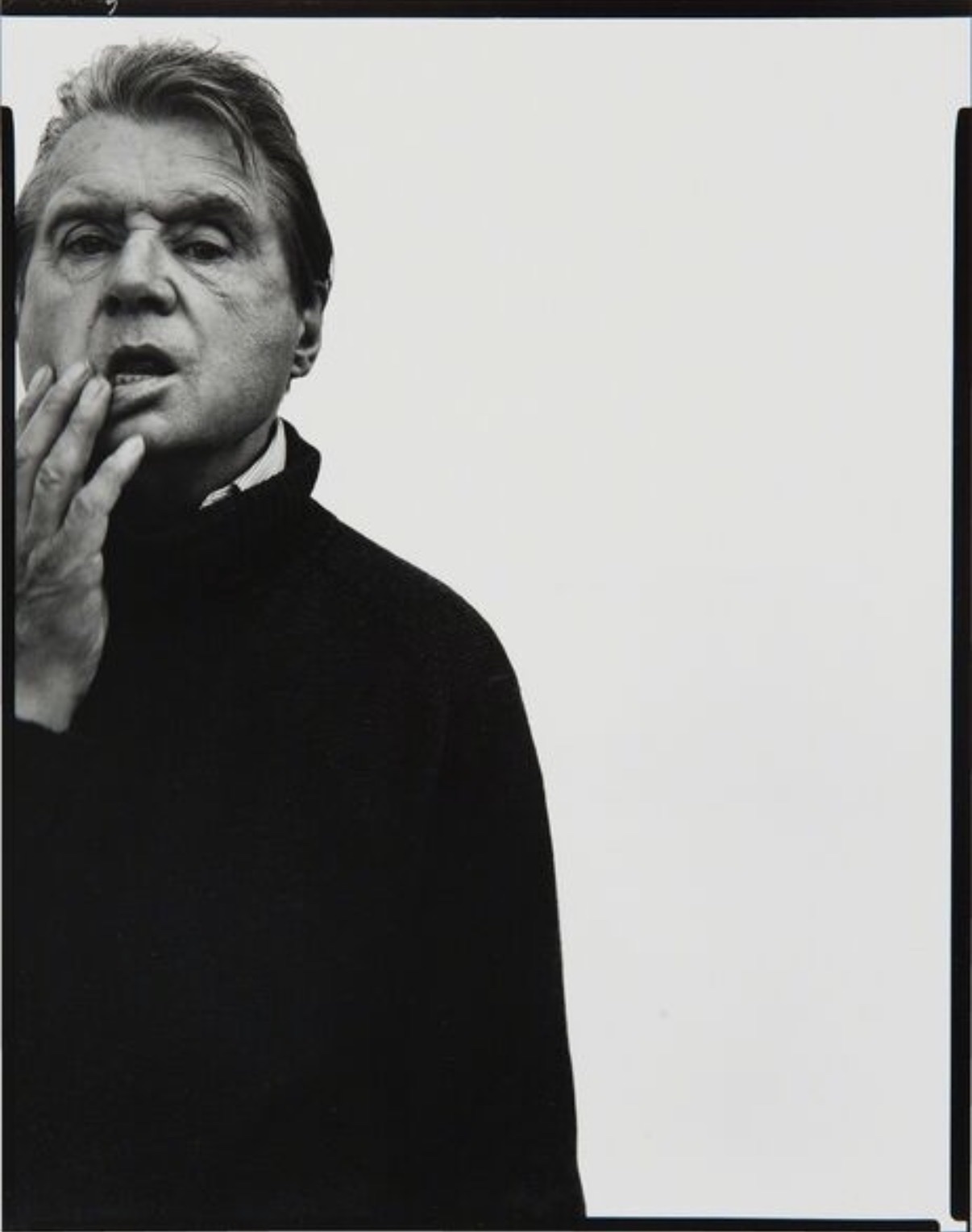
There is a photograph of Francis Bacon taken in Paris on April 11, 1979, that stops you cold. The painter stands against a white void, his face a landscape of lived experience, his body slightly coiled as though bracing against something invisible. Richard Avedon made it, and in doing so distilled everything that made him one of the most consequential image makers of the twentieth century: the radical simplicity, the psychological weight, the sense that the camera had not so much captured a person as revealed them. That photograph, now among the most celebrated portraits in the history of the medium, sits alongside a body of work that continues to command museum retrospectives, auction room attention, and the devoted admiration of collectors worldwide.
Richard Avedon
Francis Bacon, artist, Paris, April 11, 1979, 1979
Richard Avedon was born in New York City in 1923, the son of a Russian Jewish immigrant father who ran a clothing store on Fifth Avenue. Growing up in Manhattan gave Avedon an early intimacy with fashion, ambition, and the particular theater of urban American life. He discovered photography as a teenager, shooting with a Rolleiflex camera his father gave him, and by the time he was twenty he had joined the merchant marine and was photographing identification portraits of sailors. It was a formative and unlikely apprenticeship, teaching him early that the face was a document and that the formal portrait carried real psychological stakes.
He studied briefly under the legendary art director Alexey Brodovitch at the New School, an encounter that would shape his visual sensibility for decades. Avedon joined Harper's Bazaar in 1945, and it was there that the essential tension of his career first took shape. Fashion photography at that moment was largely static and reverent, treating couture as a kind of sacred object to be displayed rather than lived in. Avedon shattered that convention almost immediately.
Richard Avedon
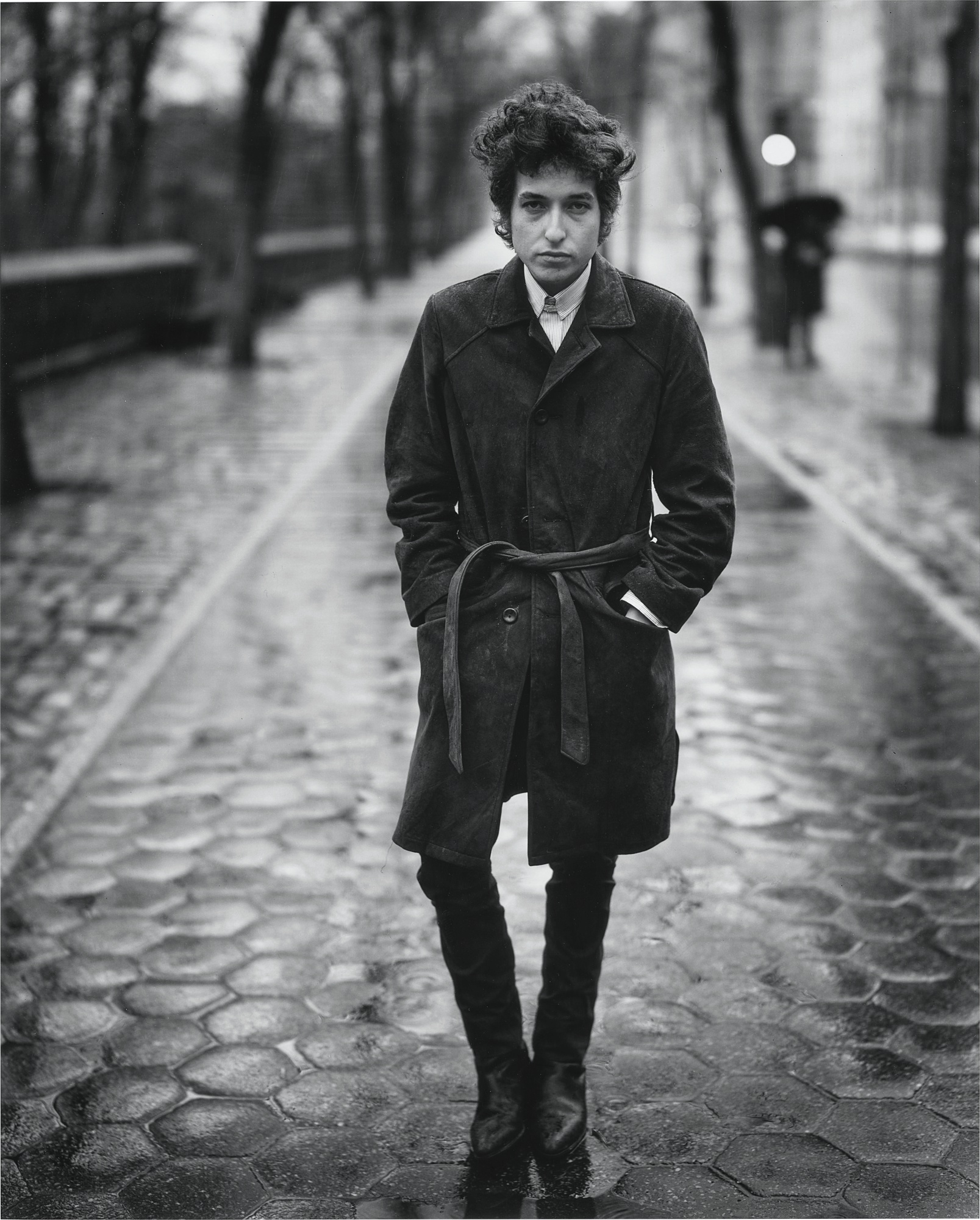
Bob Dylan, Singer, New York, New York, February 10, 1965
He photographed models running, laughing, and dancing in the streets of Paris, infusing the pages of Bazaar with movement and spontaneity. His collaboration with the model Suzy Parker became one of the defining partnerships of postwar fashion imagery. Images such as his 1956 portrait of Parker in an evening dress by Lanvin Castillo at the Café des Beaux Arts, Paris, and his August 1957 photograph of Parker and Robin Tattersall in evening dress by Griffe at the Folies Bergère, are not simply fashion documents. They are acts of choreography, of cinematic thinking, of storytelling compressed into a single frame.
“A photographic portrait is a picture of someone who knows they are being photographed.”
Richard Avedon
By the 1960s, Avedon had moved to Vogue and expanded his portrait practice in ways that would eventually eclipse even his celebrated fashion work. His 1965 portrait of Bob Dylan in New York, and his extraordinary 1967 group portrait of The Beatles in London, both demonstrate the fully formed Avedon method: the white seamless background that eliminates all context and forces the viewer into direct confrontation with the subject, the large format that renders every pore and expression with forensic intimacy, and the directorial intelligence that seems to draw something private and true from even the most guarded sitters. These works are not simply celebrity photographs. They are psychological studies, and they established Avedon as the portraitist of record for an entire generation of cultural life.
Richard Avedon
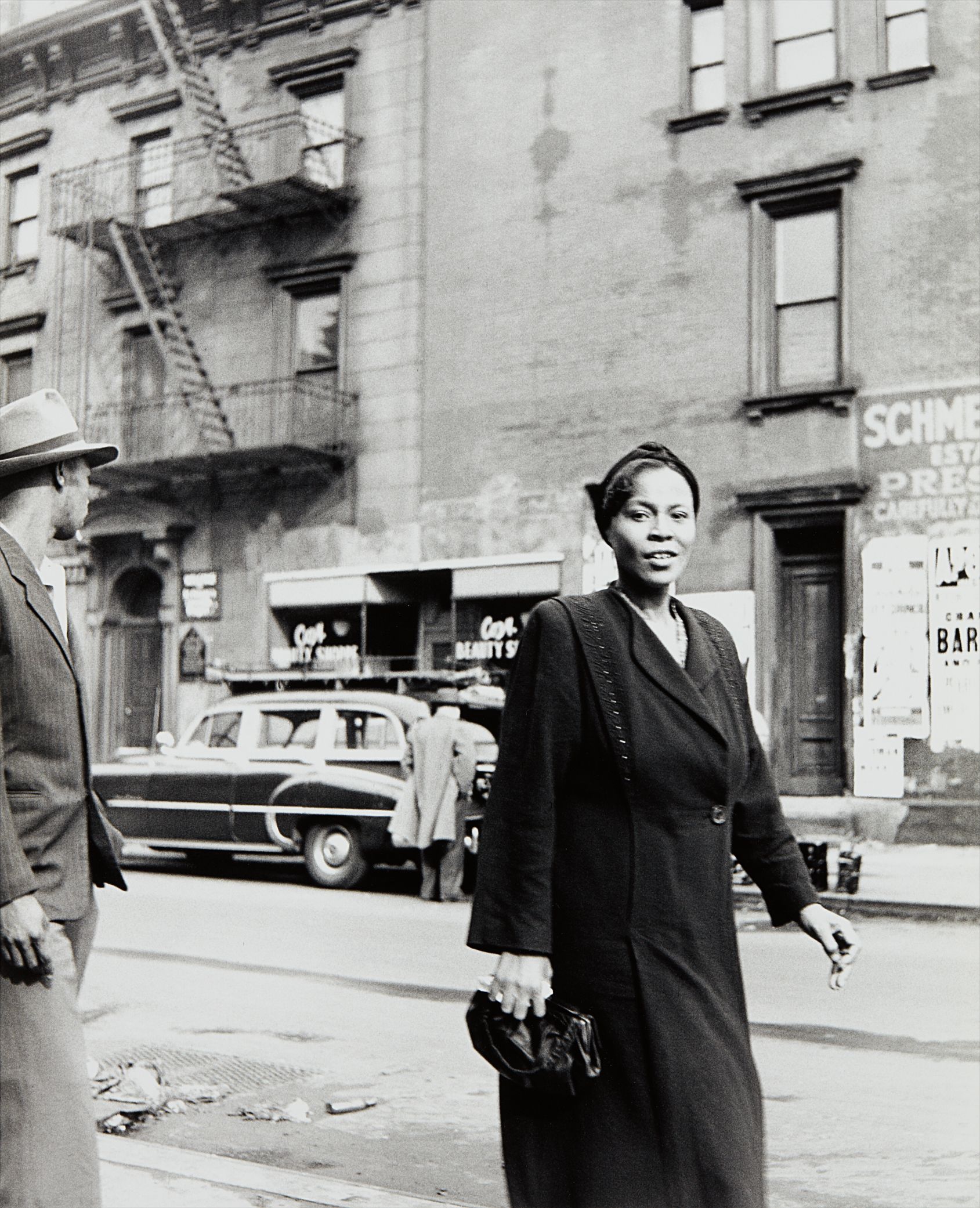
Harlem, New York City, September 6
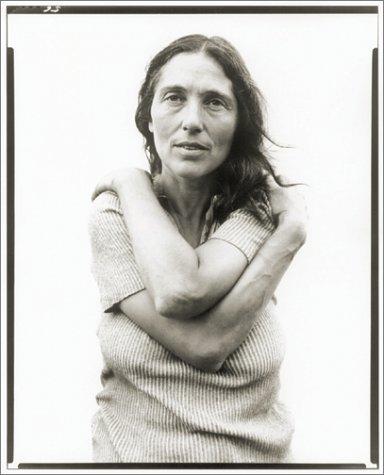
The project that cemented his place in the American art historical canon, however, was In the American West, undertaken between 1979 and 1984 for the Amon Carter Museum in Fort Worth, Texas. Commissioned to document the people of the American West, Avedon spent five years traveling through seventeen states, photographing coal miners, drifters, slaughterhouse workers, carnival performers, and the quietly extraordinary faces of ordinary American life. The resulting prints were monumental in scale, some nearly life size, all shot against his signature white backdrop but now deployed not in the service of glamour but of democratic witness. The project was met with both admiration and controversy, some critics arguing that the starkness of the method was itself a form of aestheticization.
“My photographs don't go below the surface. I have great faith in surfaces.”
Richard Avedon
But time has settled that debate firmly in Avedon's favor. In the American West is now understood as one of the defining photographic projects of the late twentieth century, a companion piece in spirit to the work of Dorothea Lange and Walker Evans. For collectors, Avedon's market occupies a position of remarkable stability and consistent prestige. His work appears regularly at Christie's, Sotheby's, and Phillips, where gelatin silver prints from both the fashion and portrait bodies of work attract serious institutional and private interest.
Richard Avedon
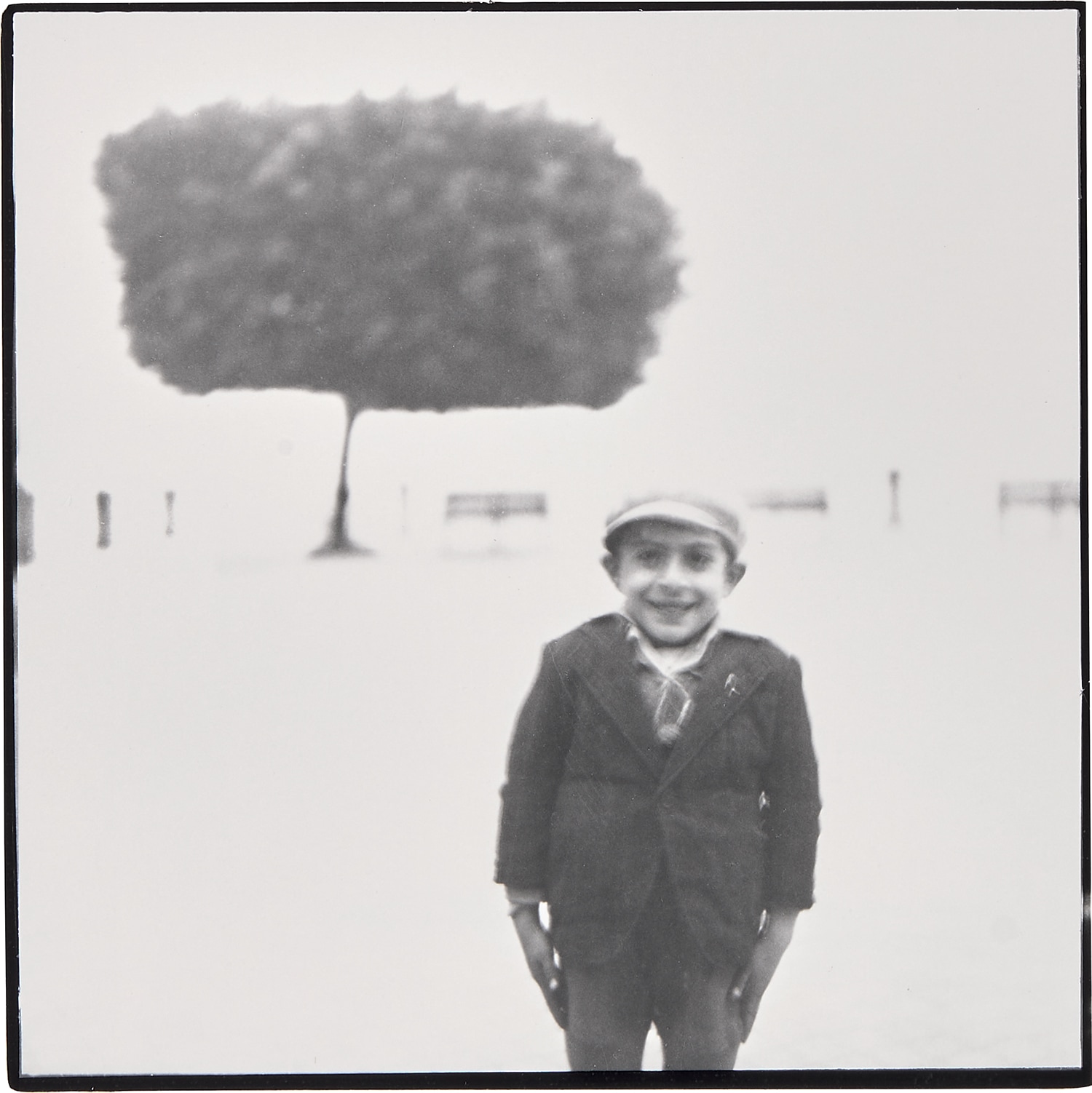
Noto, Sicily, 7.14.47
The signed and limited edition publications he produced, including the celebrated Richard Avedon Portraits book, issued in an edition of one hundred plus fifteen artist's proofs and enclosed in a gray linen slipcase, are particularly prized for their rarity and the intimacy they represent between the artist and the collector. What draws buyers to Avedon is the combination of cultural iconicity and genuine formal sophistication. These are not merely photographs of famous people. They are arguments about photography itself, about what the medium can and cannot reveal, about the ethics of looking.
Within the broader history of photography and portraiture, Avedon belongs to a lineage that includes Irving Penn, with whom he is most naturally paired, as well as Diane Arbus, whose influence on his later documentary instincts is discernible even if their temperaments differed markedly. Like Penn, Avedon used the controlled studio environment as a kind of philosophical proposition. Like Arbus, he was drawn to faces that carried evidence of struggle, complexity, and time. His fashion work connects him also to photographers such as Helmut Newton and Guy Bourdin, though Avedon's relationship to his subjects always felt more humanist, more warmly interrogative, than the cooler provocations of those contemporaries.
Richard Avedon died in October 2004 while on assignment in San Antonio, Texas, for The New Yorker, a magazine he had been associated with since 1992. He was working until the end, a fact that says something essential about his relationship to his craft. His work is held in the permanent collections of the Metropolitan Museum of Art, the Museum of Modern Art, and the Amon Carter Museum, among many others, and exhibitions of his photographs continue to draw large and moved audiences around the world. To encounter an Avedon print in person is to understand immediately why his reputation has only deepened in the two decades since his death.
The images insist on themselves. They ask something of the viewer. They are, in the deepest and most lasting sense, alive.
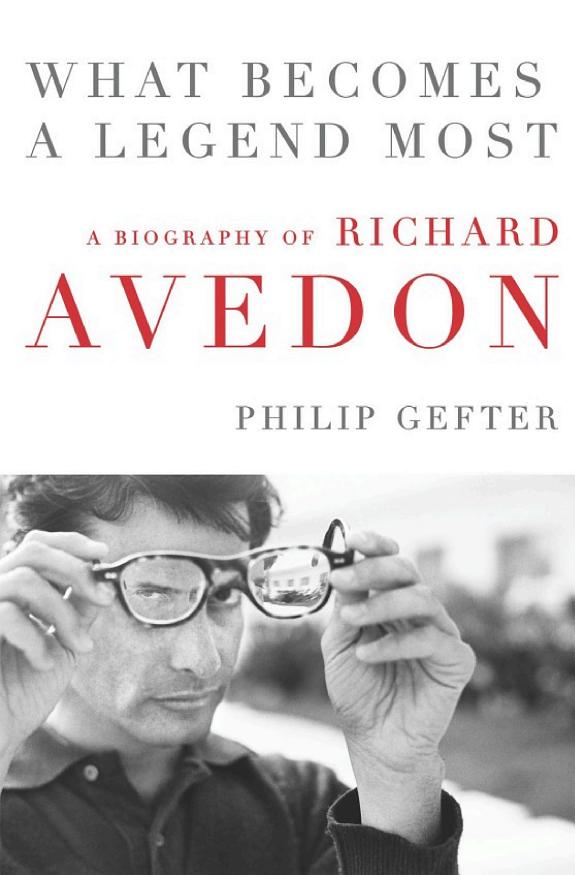
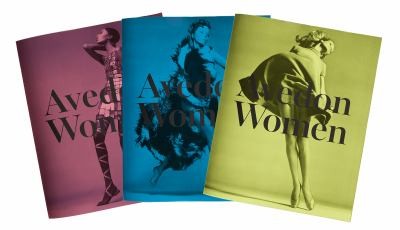
Explore books about Richard Avedon