Richard Aldrich
Richard Aldrich Makes Painting Feel Alive Again
Artist Spotlight · The Collection Editorial
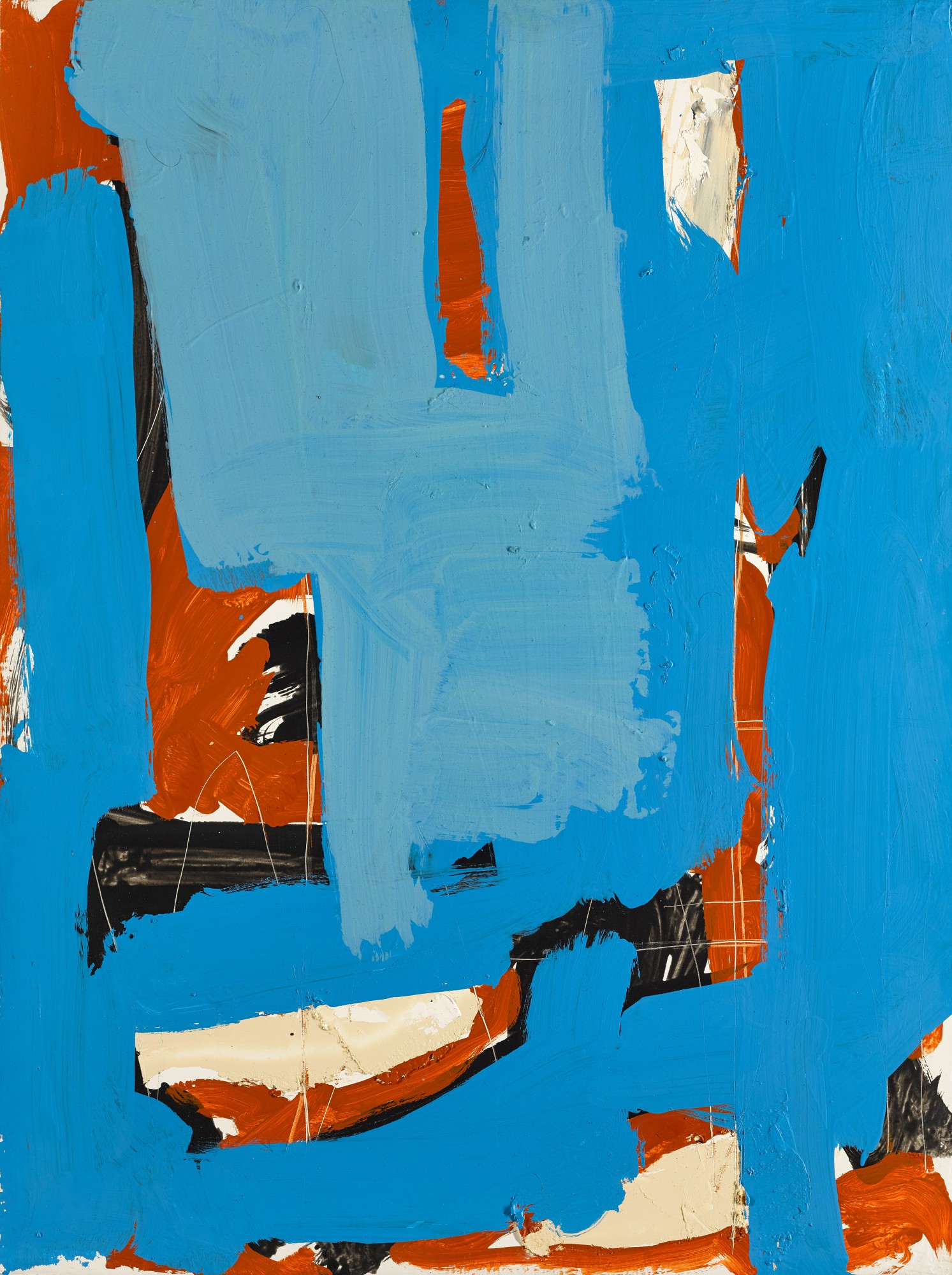
There is a particular kind of attention that Richard Aldrich's paintings demand. Standing before one of his canvases, you are not given a single entry point or a tidy resolution. Instead, you are invited into a conversation that is already underway, one that moves between intuition and rigor, between the mark that was intended and the one that arrived uninvited. In recent years, as institutions from the Whitney Museum of American Art to the Walker Art Center have deepened their commitment to his work through acquisitions and sustained critical attention, Aldrich has emerged as one of the most quietly essential figures in contemporary American painting.
Richard Aldrich
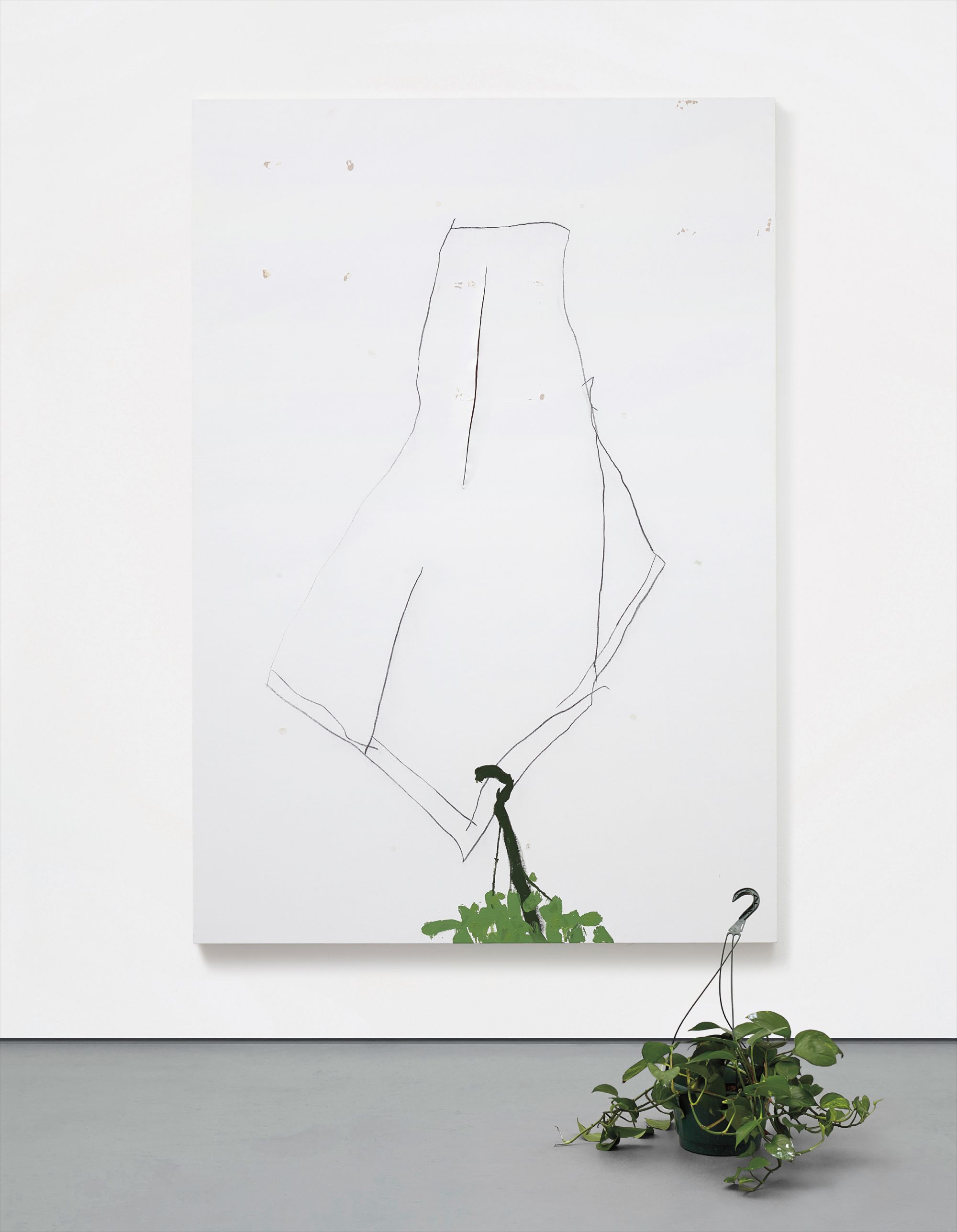
Past Present and Future, 2009
His presence in major permanent collections signals not a trend but a reckoning: the art world has recognized that what he is doing asks genuinely new questions of an ancient medium. Aldrich was born in 1975, and his formation as an artist came during a period of intense debate about the status of painting itself. The 1990s and early 2000s were years when the medium was perpetually declared exhausted, then perpetually revived, and young painters had to navigate those competing currents with care. Aldrich seems to have absorbed that atmosphere not as anxiety but as permission.
If painting had no fixed destiny, then its possibilities were genuinely open. His early development was shaped by a sensitivity to the full history of the medium, from the gestural freedoms of Abstract Expressionism to the cooler investigations of Conceptualism, but he wore those influences lightly, more as conversation partners than as authorities. What distinguishes Aldrich's practice above all else is its commitment to process as a form of thinking. He works with oil, wax, charcoal, pencil, collage, bleach, and found materials, sometimes on linen, sometimes on muslin, sometimes on wood panel or canvas.
Richard Aldrich
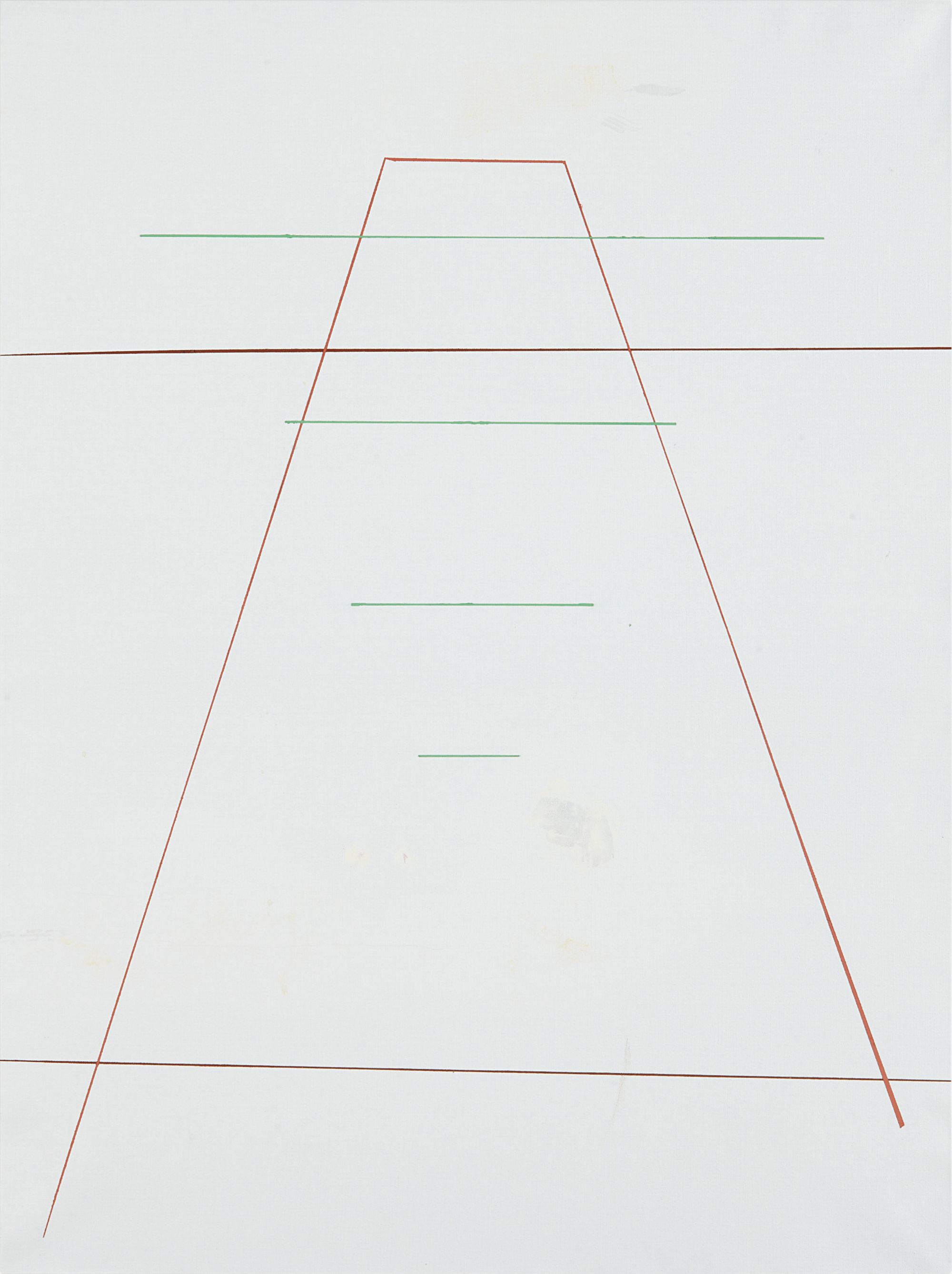
Two Planes (with marks)
The choice of support is never incidental. Each surface brings its own porosity, its own resistance, its own relationship to light. Wax, which appears in much of his work, gives surfaces a luminous depth that oil alone cannot achieve, while also slowing the process down, requiring the painter to wait, to reconsider, to return. This is painting understood as duration rather than declaration.
The works from 2009 represent a particularly rich moment in Aldrich's output, and several of them stand as exemplary statements of his mature approach. "Past Present and Future," made with oil, wax, and charcoal on linen and presented in two parts alongside a living plant, is a work that refuses to let the viewer forget that time is always passing. The inclusion of the plant is not a gimmick but a structural decision: it introduces an element that changes, that grows or withers, that exists outside the artist's control. The painting becomes a collaboration with the organic world, and its meaning shifts depending on when you encounter it.
Richard Aldrich
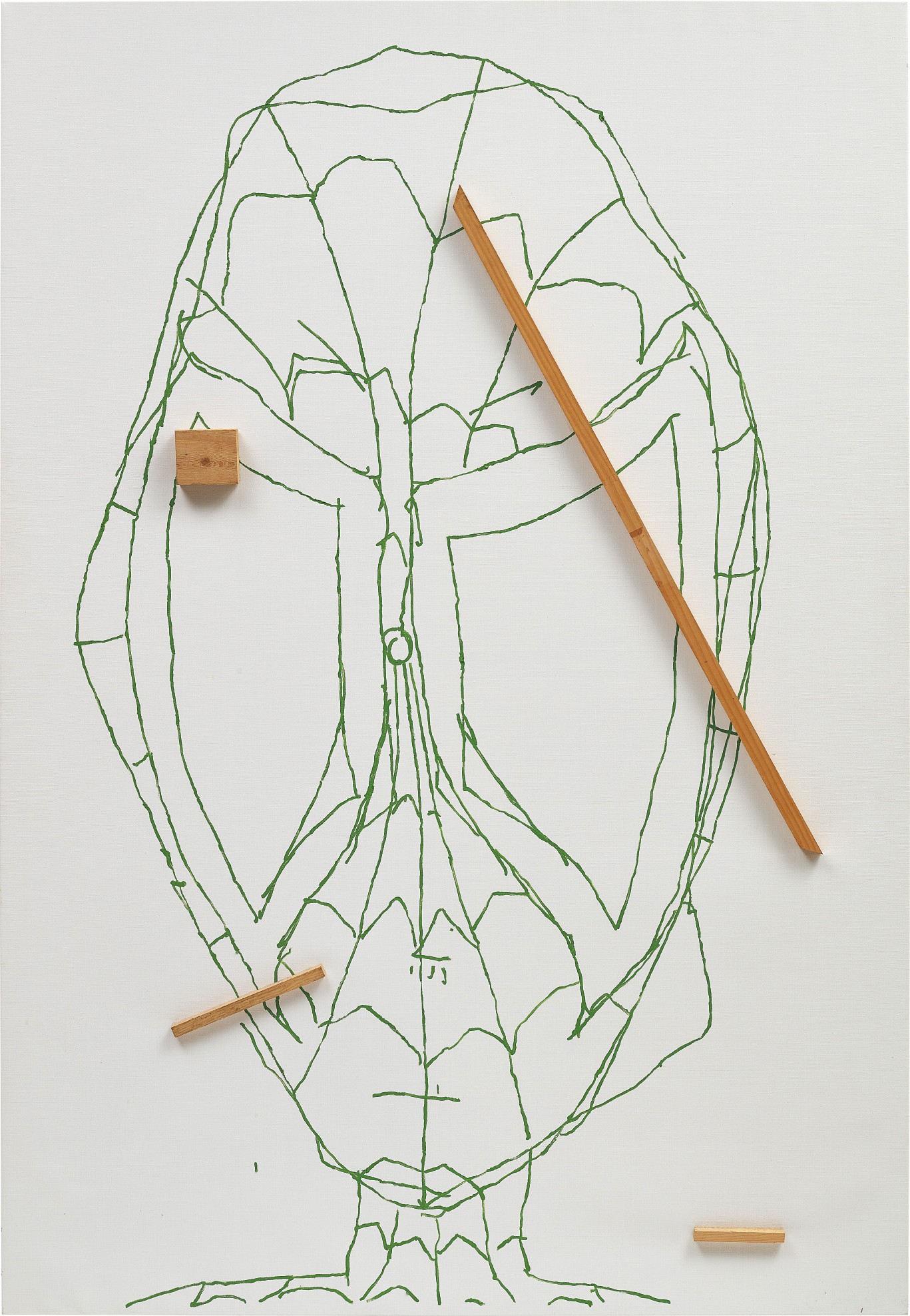
Boys with Machines, 2007
"One Page, Two Pages, Two Paintings," from the same year, works through a similar intelligence, using oil, wax, and pencil on linen to explore how a single surface can hold multiple logics simultaneously, like a manuscript that has been annotated and then annotated again. "Two and Baby," also from 2009, introduces oil bar to the mix, and there is something almost tender in the title, a suggestion of relationship and scale that the abstract marks on the wood surface quietly support. Earlier works such as "Boys with Machines" from 2007 show Aldrich thinking through the relationship between the handmade and the mechanical, between the body that makes a painting and the technologies that surround it. The use of oil, wax, and wood on linen creates a surface that feels simultaneously archaic and contemporary, as if the painting itself is aware of its own strange position in a world of screens and devices.
That awareness becomes even more pointed in a work simply titled "iPod," where the reference to consumer technology sits within a painted surface that operates according to entirely different rhythms. Aldrich is not making illustrations of the digital age. He is asking what painting can hold and what it must let go of in order to remain honest. From a collecting perspective, Aldrich's work represents an unusually coherent body of practice.
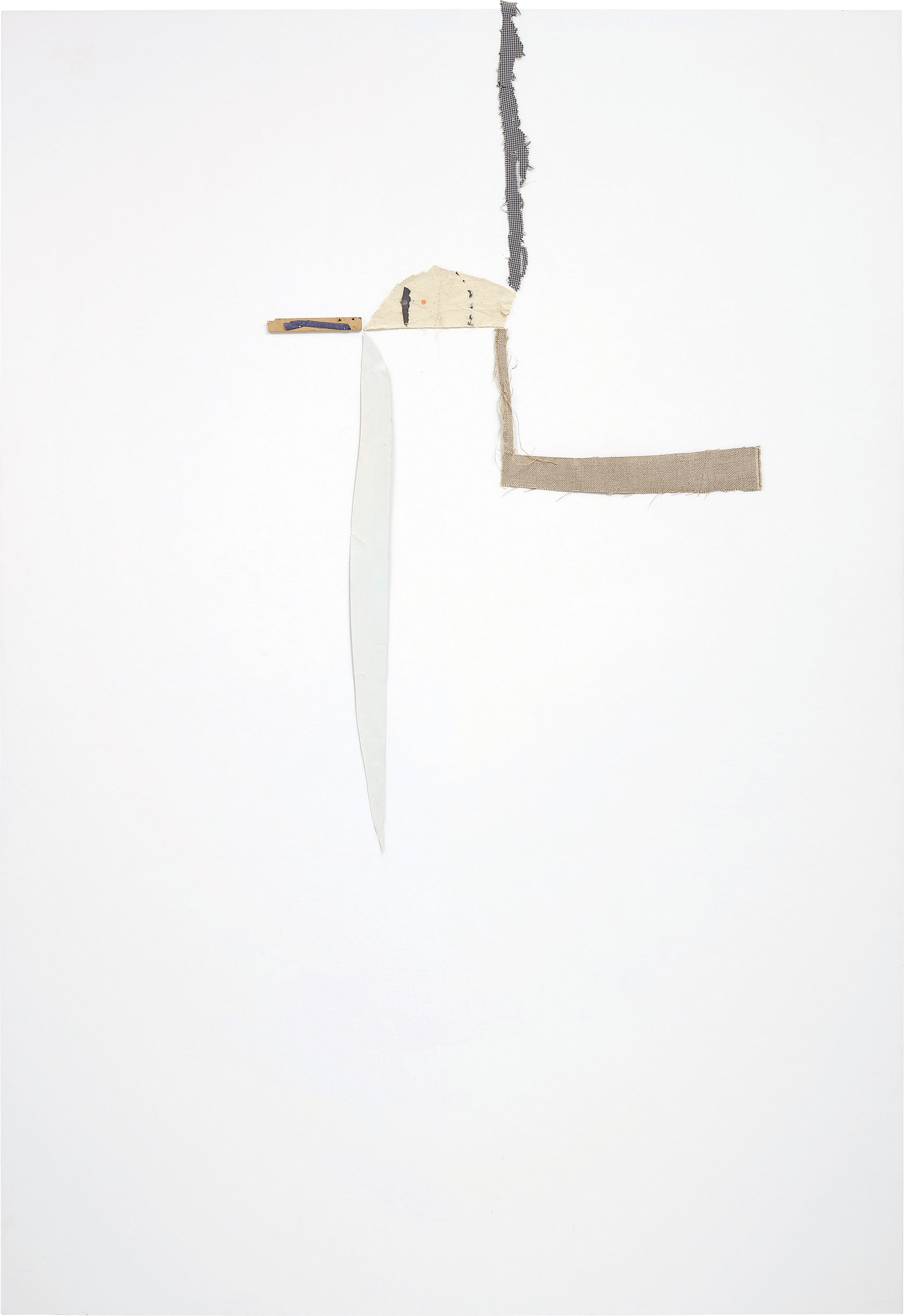
Richard Aldrich
Spider / Bird, 2009
His canvases and panels reward close and repeated looking, which is precisely what private collectors are in a position to offer in ways that museum visitors often cannot. The works are physically intimate without being small in ambition, and their material complexity means that they reveal new details over time. Collectors who have come to Aldrich's work through galleries such as Bortolami in New York, where he has shown extensively, often describe a similar experience: the painting that seemed spare on first encounter becomes increasingly dense and generous as familiarity grows. That quality of slow revelation is one of the markers of work that sustains a collection rather than merely decorating it.
Within the broader landscape of contemporary painting, Aldrich occupies a position that is adjacent to but distinct from several important currents. He shares with artists like Charline von Heyl and Jacqueline Humphries an interest in what abstraction can absorb and survive, including language, image fragments, and material accident. Like Wade Guyton or Kelley Walker, he is alert to the pressures that image culture places on painting, but where those artists often embrace reproductive processes directly, Aldrich tends to respond through handmade surfaces that register the same pressures in a more oblique and perhaps more intimate register. He is in conversation with the full sweep of postwar American painting, from Cy Twombly's lyrical inscription to the structural investigations of Robert Ryman, without being reducible to any single lineage.
What finally makes Richard Aldrich matter, and matter now, is the quality of his doubt. His paintings do not arrive with answers. They arrive with a genuine uncertainty about what painting is for, and they transform that uncertainty into a form of generosity. To spend time with his work is to be reminded that the best art does not resolve questions so much as it makes those questions feel worth asking.
His presence in the collections of the Whitney, MoMA, and the Walker is an acknowledgment that this kind of patient, restless intelligence is exactly what the history of the medium needs to stay alive. For collectors who want work that will continue to speak across decades, Aldrich is as compelling a choice as contemporary painting has to offer.
Explore books about Richard Aldrich