Norbert Schwontkowski
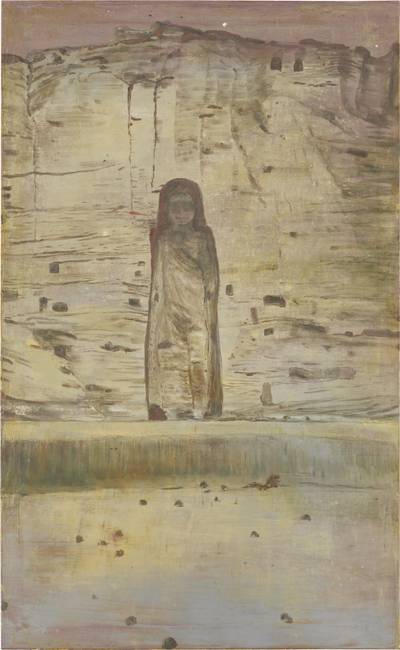
Norbert Schwontkowski: Poetry Painted in Quiet Light
Artist Spotlight · The Collection Editorial
There is a particular kind of artist whose work rewards patience, whose canvases ask you to slow down, lean in, and let the strangeness wash over you. Norbert Schwontkowski was precisely that kind of painter. In the years since his passing in 2013, his reputation has only deepened among collectors, curators, and fellow painters who return again and again to the quiet, unsettling beauty of his figurative works. Museum holdings across Germany and beyond continue to foreground his paintings as essential documents of a singular creative vision, and galleries in Hamburg, Berlin, and New York have staged presentations of his work that consistently attract serious institutional attention.
Norbert Schwontkowski
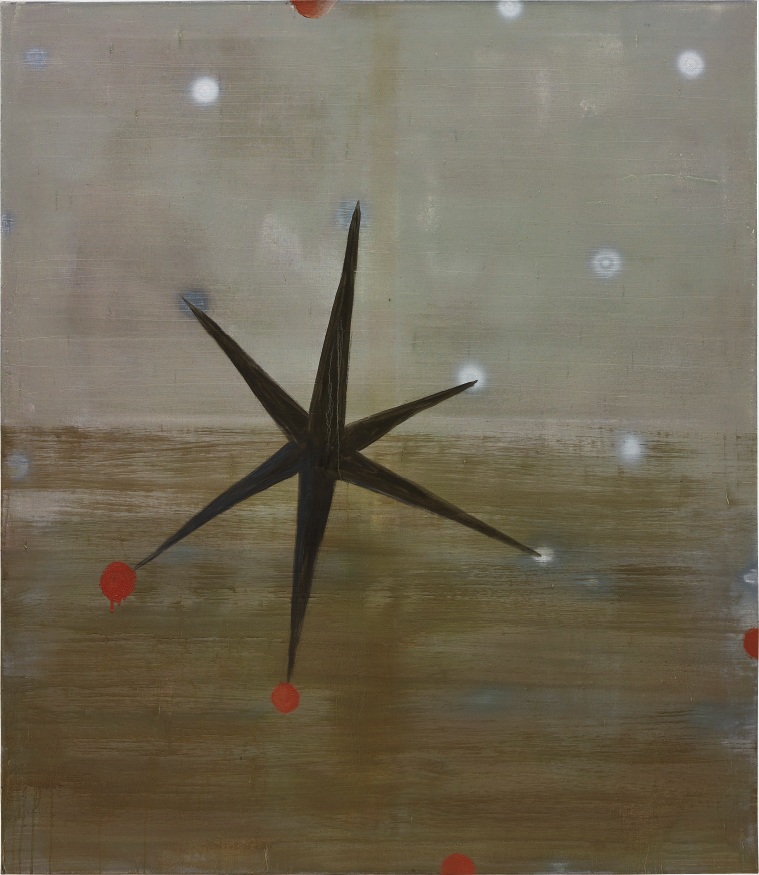
Ungenauer Stern, 2006
To encounter a Schwontkowski is to understand immediately that you are in the presence of something genuinely original. Schwontkowski was born in 1949 in Germany, coming of age in the postwar landscape that shaped so many of the country's most thoughtful creative minds. The particular weight of that era, its silences and its unresolved questions, found a natural home in his sensibility. He studied at the Hochschule für Bildende Künste in Hamburg, an institution with a rich tradition of nurturing experimental and independent artistic temperaments, and it was there that he began developing the idiosyncratic visual language that would define his career.
Hamburg itself, a port city with a melancholy grandeur and a long tradition of literary and artistic bohemianism, seems to have seeped into his paintings at the molecular level. His artistic development was unhurried and deeply personal. Unlike many of his contemporaries who followed the sweeping currents of Neo Expressionism or the cool provocations of Conceptual art, Schwontkowski carved out a space that was harder to categorize and, as a result, more durably interesting. His early works showed a painter working through questions of figuration and narrative, finding ways to place the human figure in landscapes that felt simultaneously familiar and deeply wrong.
Norbert Schwontkowski
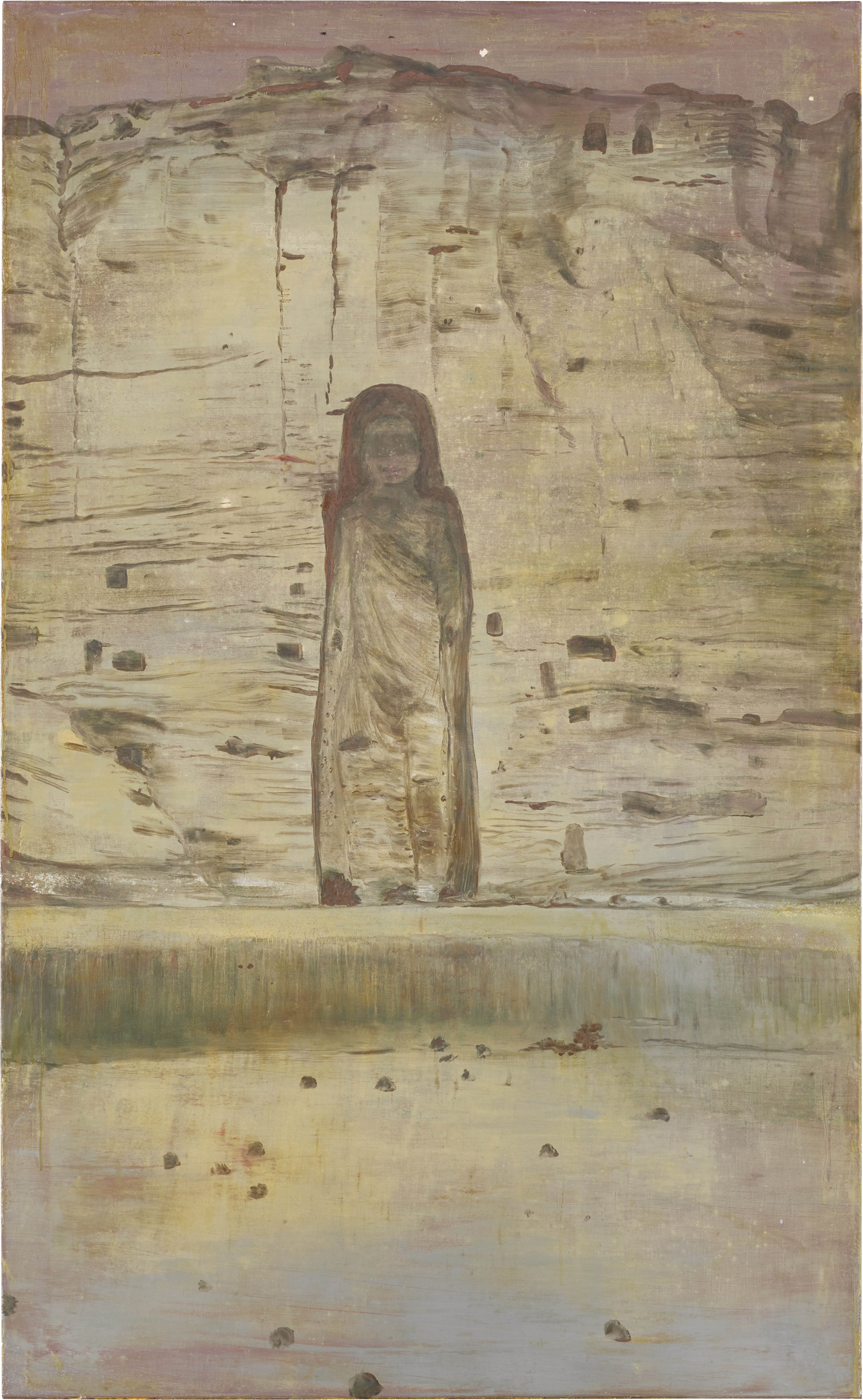
Vor der Zeit (Bamian) (Before Time (Bamian))
By the late 1990s and into the 2000s, he had arrived at the style that would make him beloved: muted, tonally restrained canvases in which lone figures inhabit ambiguous spaces, accompanied by fragments of text that function less as explanation and more as poetry. The combination created something genuinely new within the tradition of German painting. Among his most celebrated works, "Ungenauer Stern" from 2006 exemplifies the quality that collectors find so irresistible. The title, which translates loosely as "imprecise star," signals exactly the kind of tender philosophical musing that Schwontkowski brought to every canvas.
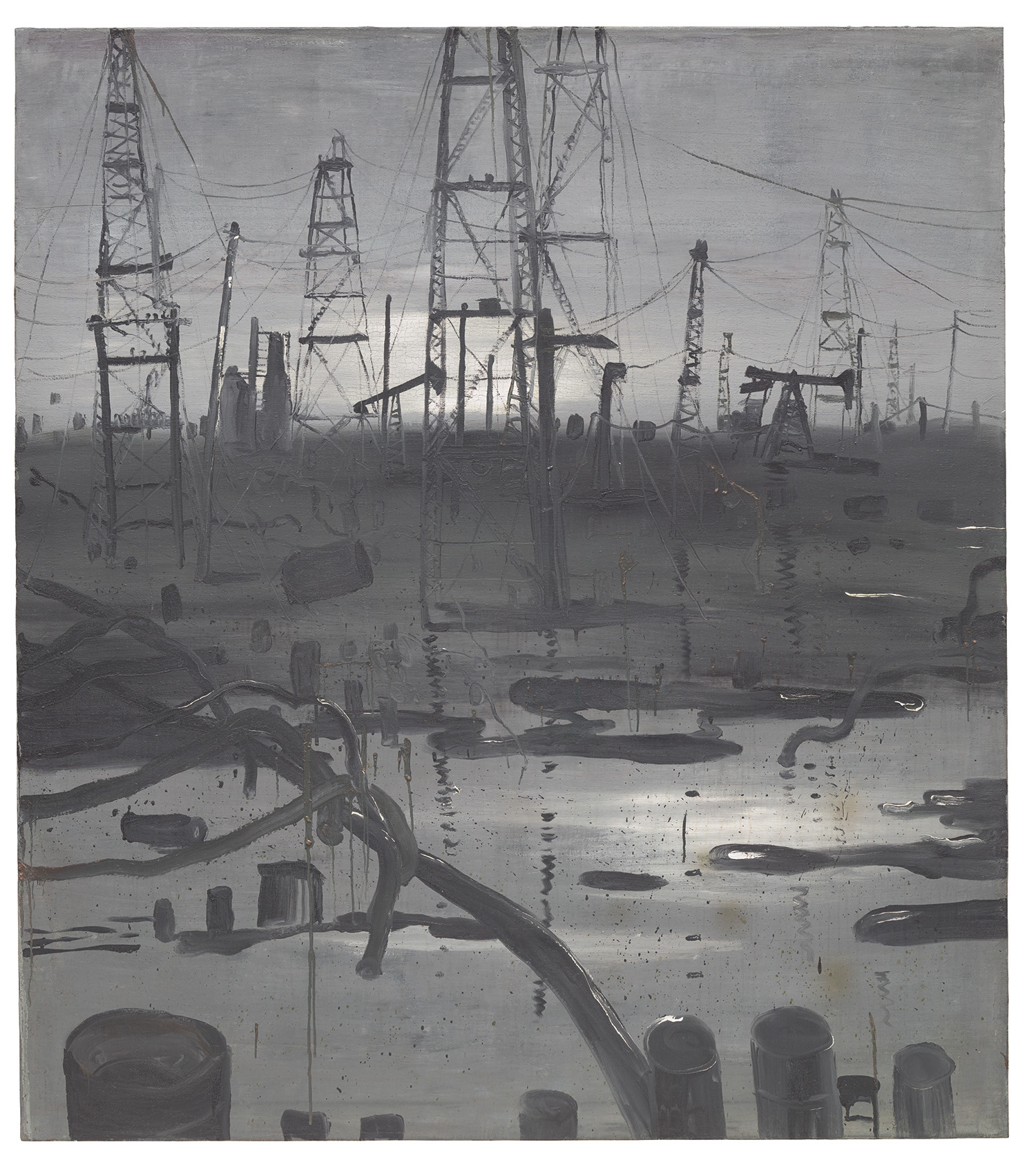
His 2006 "Landschaft mit Türmen" (Landscape with Towers) and "Kaufhaus" from the same year demonstrate the remarkable consistency and productivity of that period, in which his command of atmosphere and tonal subtlety was at its fullest expression. "Studio nachts" from 2008 and "Wenn ich schon lange tot bin" from 2005, a title that translates as "When I Have Been Dead a Long Time," show a painter unafraid of mortality and metaphysics, treating the grandest themes with a lightness of touch that never tips into sentimentality. His "Portrait of F. Bacon" from 2009 is a particularly striking work, an act of homage that reveals his kinship with Francis Bacon's existential figuration while remaining unmistakably his own voice.
Norbert Schwontkowski
Landschaft mit Türmen, 2006
The mixed media works, including pieces incorporating paper collage, pigment, and metal oxide alongside oil, show a maker deeply attentive to the physical properties of painting itself. From a collecting perspective, Schwontkowski occupies a distinctive and genuinely compelling position. His market during his lifetime was driven primarily by devoted private collectors and discerning institutional buyers who understood the rarity of what he was producing. Works by Schwontkowski appear at auction with a frequency that reflects genuine demand rather than speculative inflation, and prices have moved steadily upward as his critical reputation has consolidated in the years following his death.
Collectors are drawn not only to the beauty of individual works but to the coherence of his output as a whole. Acquiring a Schwontkowski is acquiring a piece of a larger conversation, and collectors who build even a modest group of his works find that they speak to one another across years and across media with remarkable eloquence. For those entering the market now, the combination of institutional validation, critical seriousness, and genuine emotional resonance makes his work an exceptionally considered acquisition. To place Schwontkowski within the broader map of contemporary art history, it is useful to think about the tradition of Northern European figurative painting and its engagement with existential and literary themes.
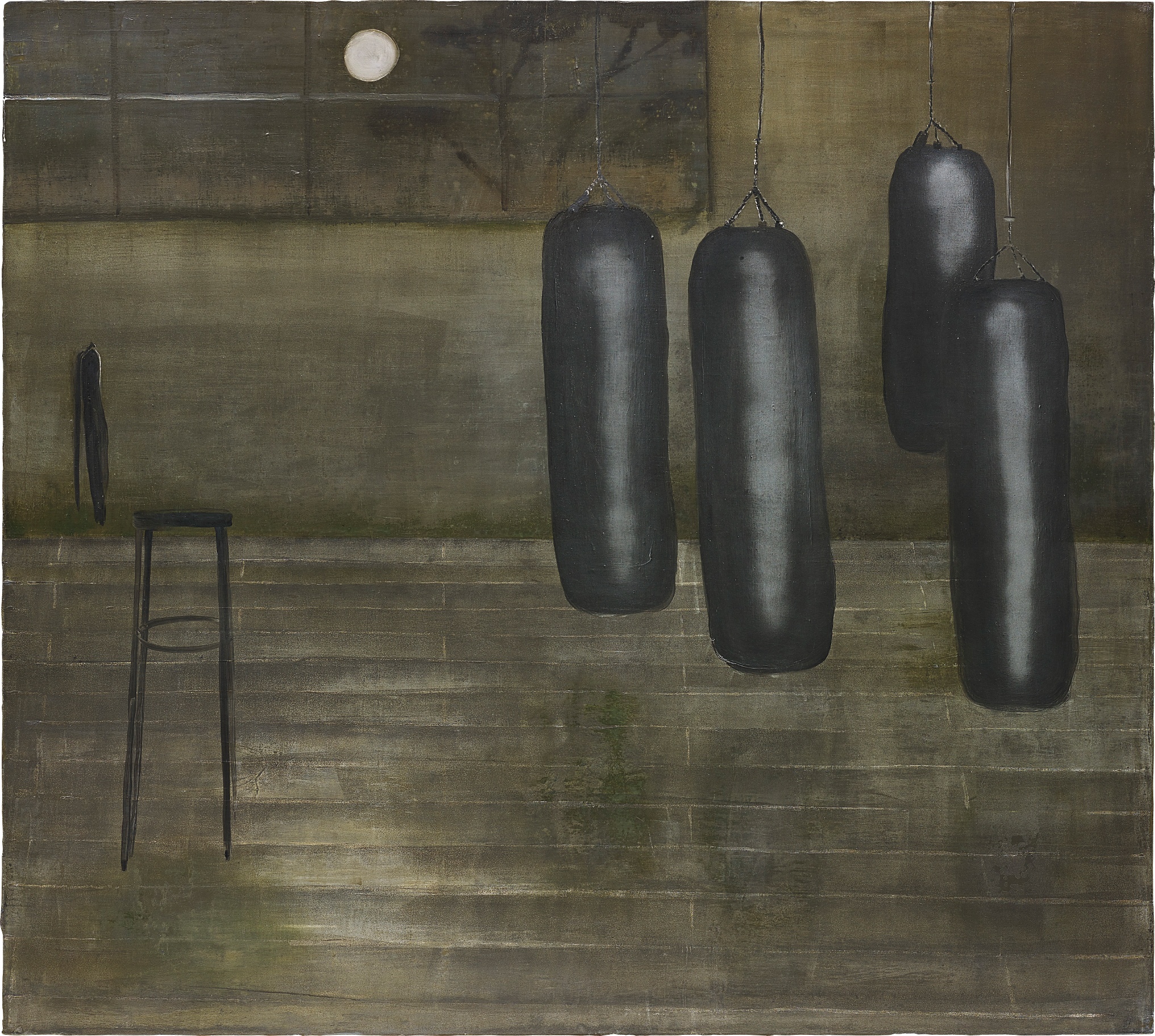
Norbert Schwontkowski
Studio nachts, 2008
He shares certain qualities with artists like Neo Rauch in his creation of dreamlike narrative spaces, though Schwontkowski's palette is quieter and his humor more wry. There is something in his combination of text and image that resonates with the work of Sigmar Polke, and his melancholic figure paintings invite comparisons to the existential strand running from Max Beckmann through the later decades of German art. Yet he also stands apart from all of these comparisons, belonging finally to his own imaginative world rather than to any school or movement. That independence is part of what makes him so valuable as a historical figure.
Schwontkowski's legacy is, at its core, a lesson in the power of a genuinely personal vision sustained over decades of committed work. He demonstrated that painting could be simultaneously intelligent and mysterious, that it could carry philosophical weight without becoming didactic, and that the simplest visual elements, a figure, a horizon, a few words painted in uncertain lettering, could hold an almost unbearable amount of feeling. For collectors and institutions investing in his work today, there is the added pleasure of knowing that this reputation is still in the process of being fully understood. His paintings continue to generate new meanings for new viewers, which is the surest sign of lasting artistic importance.
To live with a Schwontkowski is to have a quiet, wise, and occasionally very funny companion on the wall, one who asks the best questions and leaves the answers gracefully open.