Nat Finkelstein
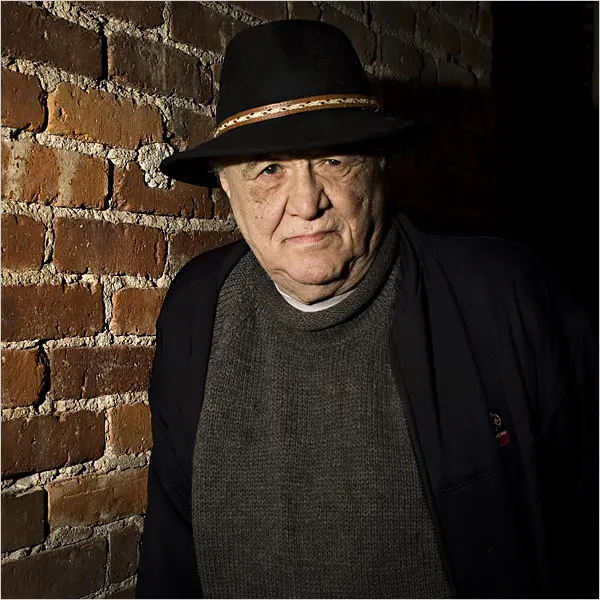
Nat Finkelstein, The Factory's Essential Eye
Artist Spotlight · The Collection Editorial
“Warhol did not discover the superstars. I did. He stole them from me.”
Nat Finkelstein, interview
There is a photograph that stops you cold. It is 1965, and inside Andy Warhol's Silver Factory on East 47th Street in Manhattan, a constellation of beautiful, restless, unknowable people have gathered under the gaze of a Brooklyn born photographer who understood, perhaps better than anyone in the room, exactly what he was witnessing. Nat Finkelstein was there with his camera, and because he was, we are there too. His photographs of the Factory years remain among the most electrifying documents of American cultural life in the twentieth century, images that crackle with intimacy, danger, and an almost unbearable aliveness.
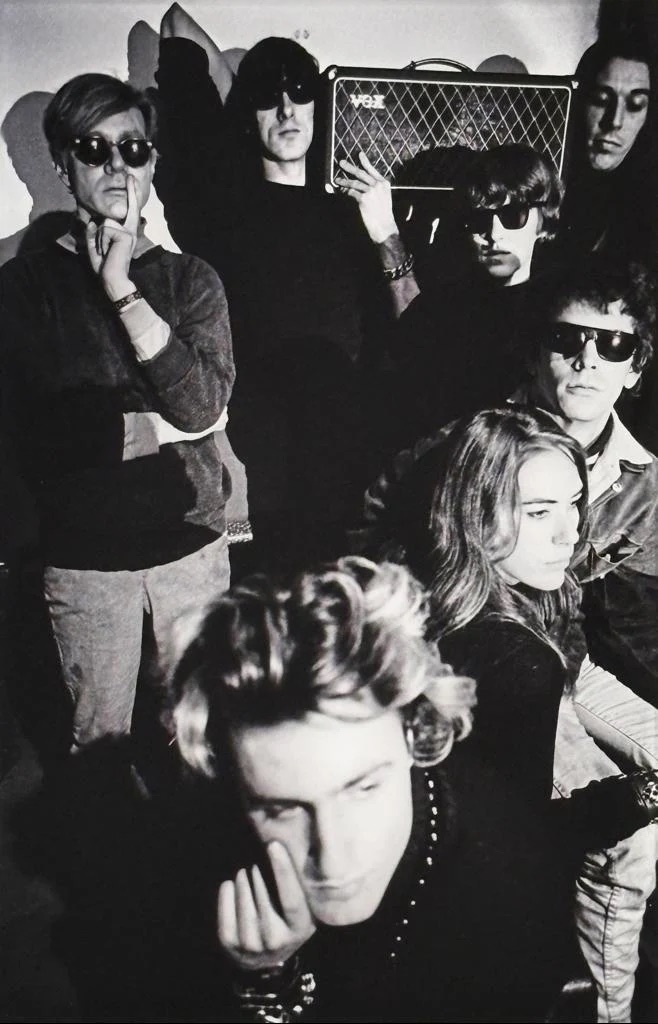
Nat Finkelstein
Velvet Underground from Andy Warhol: A Portfolio of Four Original Photographs, 2008
Nathaniel Finkelstein was born in Brooklyn in 1933, into a world far removed from the silver foiled glamour he would later help define. He came of age in postwar New York, a city rebuilding itself and buzzing with creative and political tension. He pursued his photographic education at the New School for Social Research, an institution that in the 1950s was a genuine crossroads of avant garde thought, political engagement, and artistic experimentation. The New School sharpened his instincts not just as a technician but as a thinker, someone who understood that a photograph is always an argument about what matters.
That formation as a photojournalist gave Finkelstein a rigorous ethical backbone that would quietly underpin even his most glamorous work. His early career placed him in the tradition of American street photographers who used the camera as a democratic instrument, turning the lens on ordinary life in New York City with compassion and unflinching directness. In this he found common cause with the spirit of photographers like Diane Arbus and Garry Winogrand, peers who were similarly determined to find the extraordinary inside the everyday. But Finkelstein's trajectory took a decisive turn in 1964 when he gained access to Warhol's Factory, becoming a kind of embedded chronicler of the most famous artist's studio in the world.
His residency there, which lasted until 1967, gave him three years of extraordinary proximity to Warhol, Edie Sedgwick, Lou Reed, Nico, Candy Darling, and the entire cast of characters who made the Factory the defining cultural address of its decade. What made Finkelstein's Factory photographs so remarkable was not simply that he was present, but the nature of his presence. He was not a tourist or a documentarian standing at a respectful distance. He was inside the social fabric of the place, trusted enough to capture unguarded moments that feel, even now, startlingly private.
His images of Warhol himself are particularly revelatory, showing a man far more complex and watchful than the blank, silver wigged persona Warhol cultivated for public consumption. Finkelstein's lens caught the intelligence behind the mask. His photographs of the Velvet Underground, shot during the period of the band's residency at the Factory and their collaboration with Warhol on the Exploding Plastic Inevitable multimedia events, are essential artifacts of rock and roll history as much as art history. The portfolio work "Velvet Underground from Andy Warhol: A Portfolio of Four Original Photographs," published in 2008, stands as a definitive gathering of these images, presenting them with the weight and authority they deserve as primary historical documents.
Finkelstein's practice always retained the social conscience he developed as a photojournalist. He was drawn to the margins, to people and communities that power overlooked or actively suppressed. His street photography of New York, shot across several decades, belongs firmly in the tradition of socially engaged American documentary photography, work that sees the city's complexity with honesty and warmth rather than sentimentality or condescension. This dual identity, as both witness to counterculture glamour and committed street documentarian, gives his body of work an unusual breadth and moral seriousness.
He was never simply a celebrity photographer, even when he was photographing the most celebrated people of his era. For collectors, Finkelstein's work offers a genuinely rare combination of historical significance and aesthetic power. Photographs from the Factory period occupy a unique position at the intersection of Pop Art history, music history, and the broader cultural narrative of 1960s America. Works associated with the Warhol circle carry strong market interest, but Finkelstein's images have the additional distinction of being made by someone with genuine artistic vision rather than mere access.
The difference is visible in every frame. Collectors drawn to artists like Stephen Shore, Billy Name, or Bob Adelman, all of whom also documented aspects of the New York art scene, will find in Finkelstein a photographer whose work rewards sustained looking and whose historical importance continues to deepen as the Factory era recedes further into legend. Finkelstein's legacy has grown considerably in the years since his death in 2009. His work has been recognized not only as essential Factory documentation but as a significant contribution to the history of American photography in its own right.
Institutions and curators returning to the 1960s with fresh eyes have found in his archive a resource of seemingly inexhaustible richness. The images hold up not as nostalgia but as living things, full of unresolved energy. In an art world that increasingly values authentic witness over constructed spectacle, Nat Finkelstein looks more important with every passing year. He was the person in the room who really saw what was happening, and he had the craft, the nerve, and the humanity to show it to the rest of us.
Explore books about Nat Finkelstein