Ken Gun Min
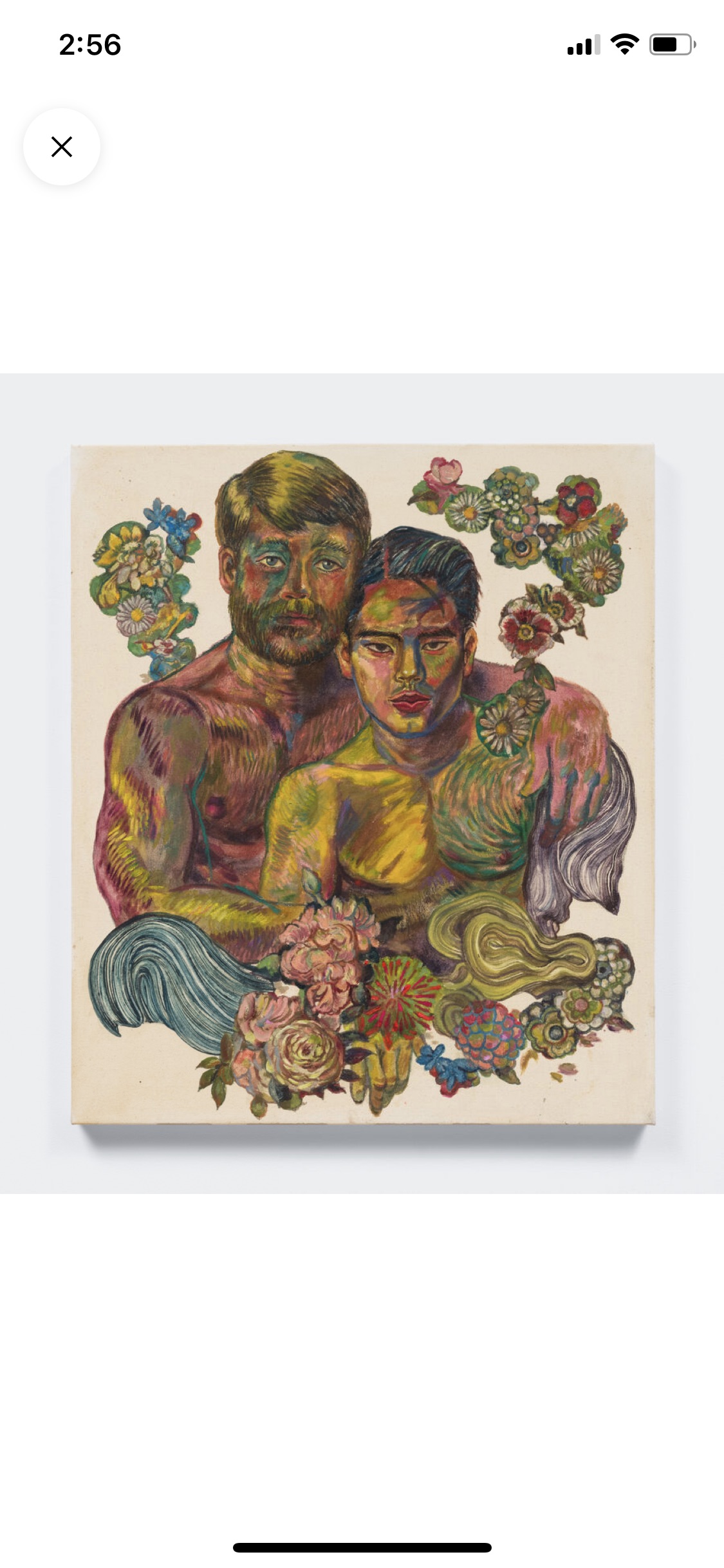
Ken Gun Min Paints the Soul Visible
Artist Spotlight · The Collection Editorial
Something quietly significant has been happening in the contemporary figurative painting world, and collectors paying close attention will already know the name at the center of it. Ken Gun Min, the Korean American painter whose layered, luminous canvases have been appearing with increasing frequency at Phillips and Sotheby's, represents one of the more compelling artistic voices to emerge from the intersection of two rich cultural traditions. His work has drawn sustained interest from serious collectors who recognize in his paintings something that transcends trend: a genuine investigation into what it means to inhabit a body, carry a memory, and exist between worlds. Born in 1979, Min came of age navigating the dual consciousness that defines so much of the Korean American experience.
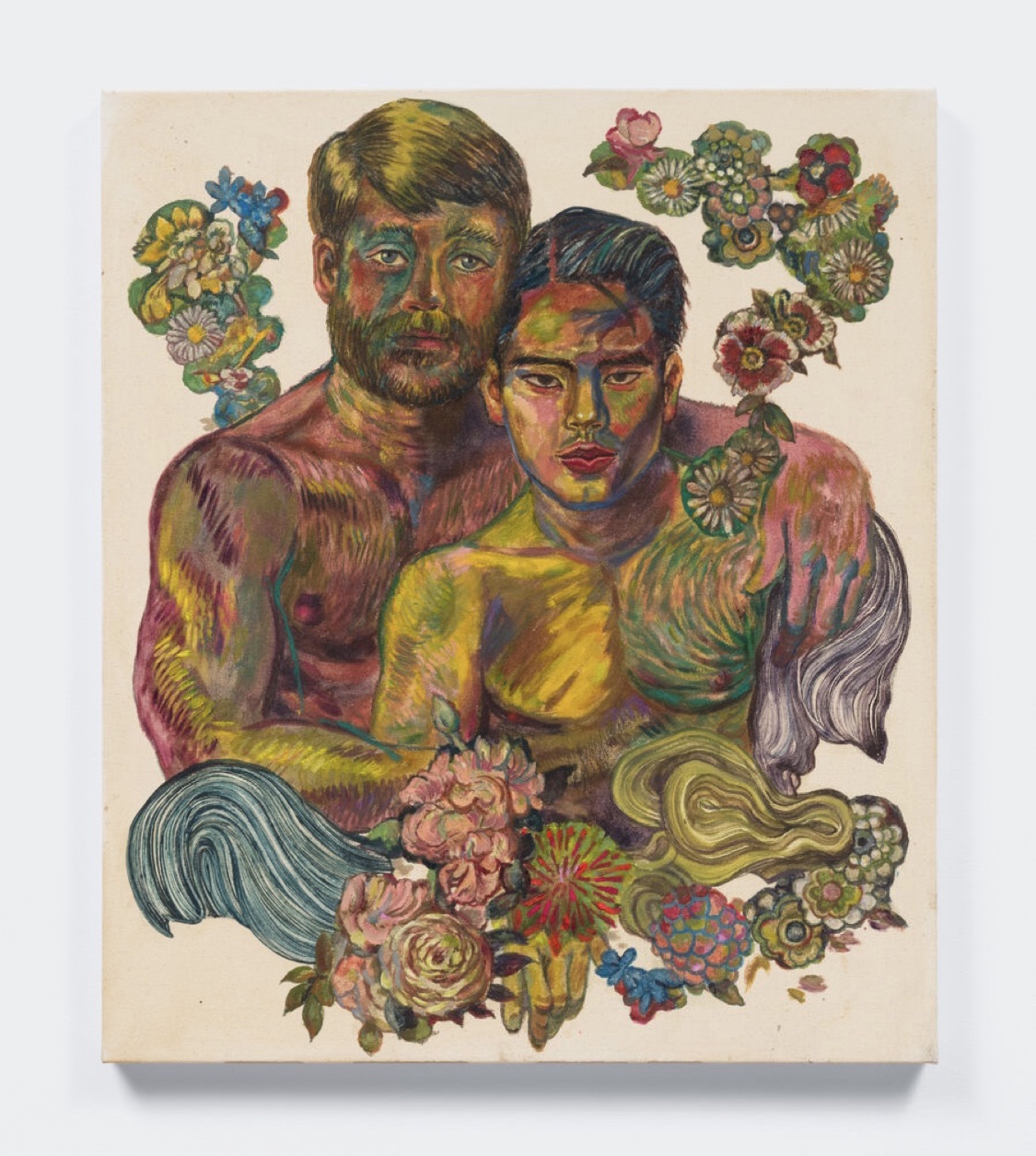
Ken Gun Min
Untitled
That position, between two cultures rather than fully claimed by either, became not a source of instability but the very engine of his artistic vision. The experience of holding two heritages simultaneously, of translating oneself across contexts and codes, gave Min an unusually acute sensitivity to questions of identity and belonging. These are not abstract philosophical concerns in his work. They are felt, embodied, and pressed directly into the surface of the canvas with every brushstroke.
Min's training brought him into contact with both the rigorous traditions of Western figurative painting and the quieter, more contemplative aesthetic sensibilities rooted in Korean visual culture. That dual formation is visible everywhere in his practice. His canvases carry the expressive, gestural energy that connects him to the broader lineage of twentieth century European and American figure painting, yet there is a stillness at the core of his compositions, a quality of inwardness and restraint, that speaks to something older and more meditative. He is not a painter who shouts.
He is a painter who draws you closer. The figures at the center of Min's paintings are almost always solitary, rendered in expressive brushwork that builds meaning through accumulation rather than precision. He works with layered pigment in a way that gives his canvases remarkable physical presence. Stand close to one of his paintings and you become aware of the painting as an object, as a record of decisions made and remade over time.
The surface holds its history. This materiality is crucial to understanding what Min is doing, because his subject is memory itself, and memory is never clean or singular. It accretes. It is overwritten and yet never fully erased.
His paintings look the way memory feels. At auction, Min's work has attracted collectors drawn to the current renaissance of figurative painting, a movement that has seen artists such as Lynette Yiadom Boakye, Titus Kaphar, and Cecily Brown command serious institutional and market attention. Min belongs to a related conversation, one in which painting the human figure is understood as a philosophical and political act as much as an aesthetic one. His paintings ask who gets to be seen, how we carry cultural inheritance in our bodies, and what happens to identity when it is stretched across two very different worlds.
These are questions with genuine urgency in the current cultural moment. For collectors considering Min's work, the paintings reward close and patient looking. The apparently simple compositions, a figure set against a loosely rendered ground, open up considerably with sustained attention. The color relationships are subtle and considered.
The brushwork, which can appear spontaneous at first glance, reveals itself to be deeply purposeful. Works described as untitled are a recurring feature of his output, a choice that feels deliberate rather than evasive. By resisting the anchoring force of a title, Min invites the viewer into a more open and personal encounter with the image. The figure becomes a vessel for the viewer's own projected memory and feeling.
Within the broader arc of art history, Min's practice situates itself in a lineage of painters who have used the figurative tradition to explore marginalized or complex identities. His work invites comparison not only to his contemporaries in the current figurative revival but also to earlier painters who navigated cultural duality in their practice. There is a seriousness of purpose in Min's canvases that connects him to artists who understood painting as a form of witness. His figures do not perform for the viewer.
They exist, in the fullest and most dignified sense, on their own terms. The significance of Ken Gun Min's work in the present moment cannot be separated from the larger cultural conversation about whose stories painting tells and whose interiority it honors. At a time when institutions and collectors are actively reconsidering the canon and seeking out artists whose perspectives have been underrepresented, Min's position is genuinely distinctive. He brings to the figurative tradition a perspective shaped by a specific cultural and biographical experience, and he renders that experience with formal sophistication and emotional depth.
His paintings do not explain themselves. They trust the viewer, and that trust is one of the most generous things a painting can offer. For collectors building collections that will matter and endure, Ken Gun Min is an artist whose time is very much now.