Keith Haring
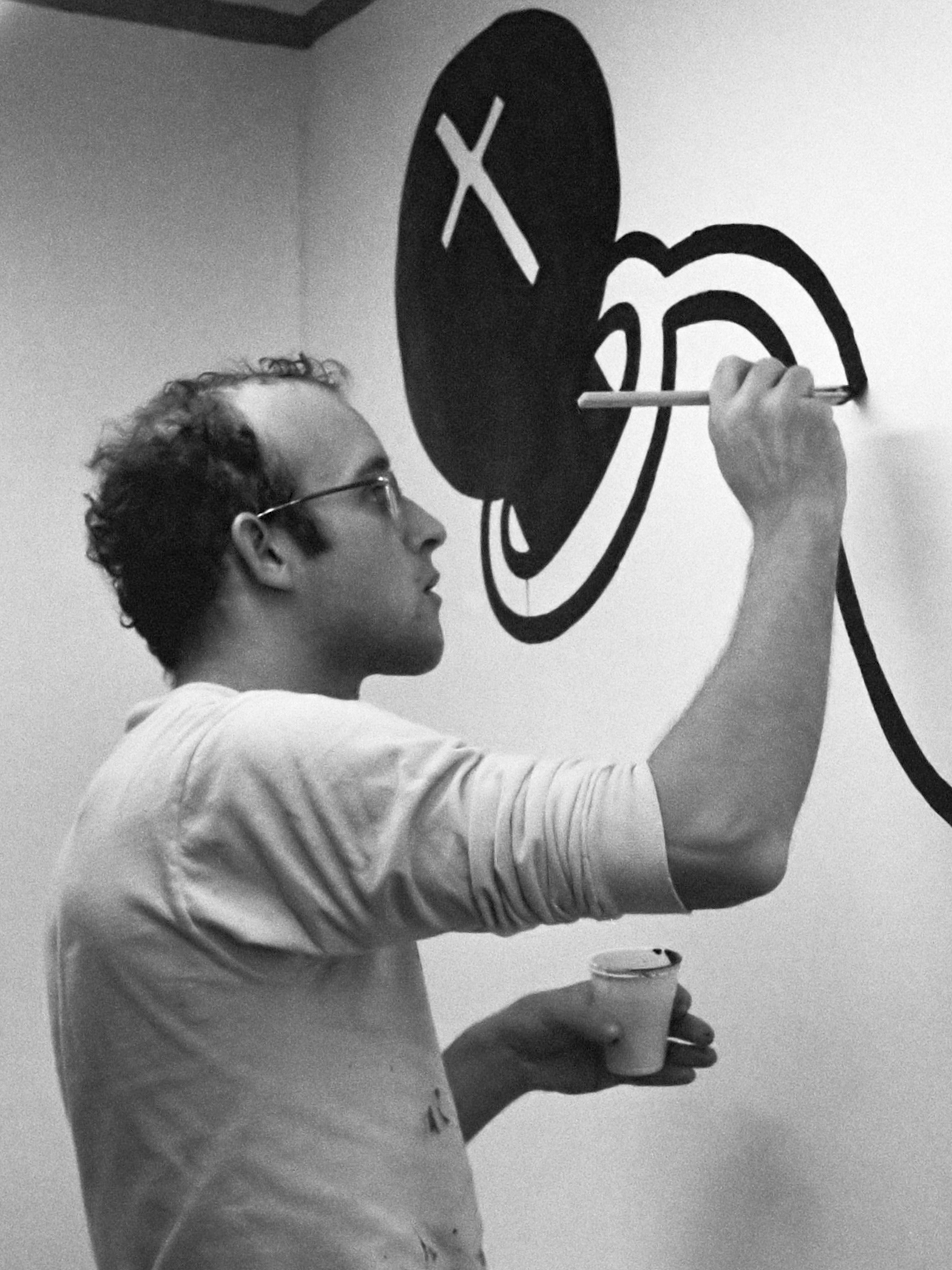
Keith Haring: The Line That Moved Everything
Artist Spotlight · The Collection Editorial
“Art is for everybody.”
Keith Haring
In the spring of 2025, the Tate Modern in London drew record weekend crowds to its landmark retrospective of Keith Haring, confirming what collectors and curators have long understood: this artist did not simply capture a moment in time. He invented a visual language so instinctive, so charged with human feeling, that it continues to communicate across generations, cultures, and contexts with undiminished force. From the chalk dusted subway stations of lower Manhattan to the permanent collections of the world's greatest institutions, Haring's work remains one of the most vital and emotionally generous bodies of art produced in the twentieth century. Keith Haring was born in 1958 in Reading, Pennsylvania, and raised in the small town of Kutztown.
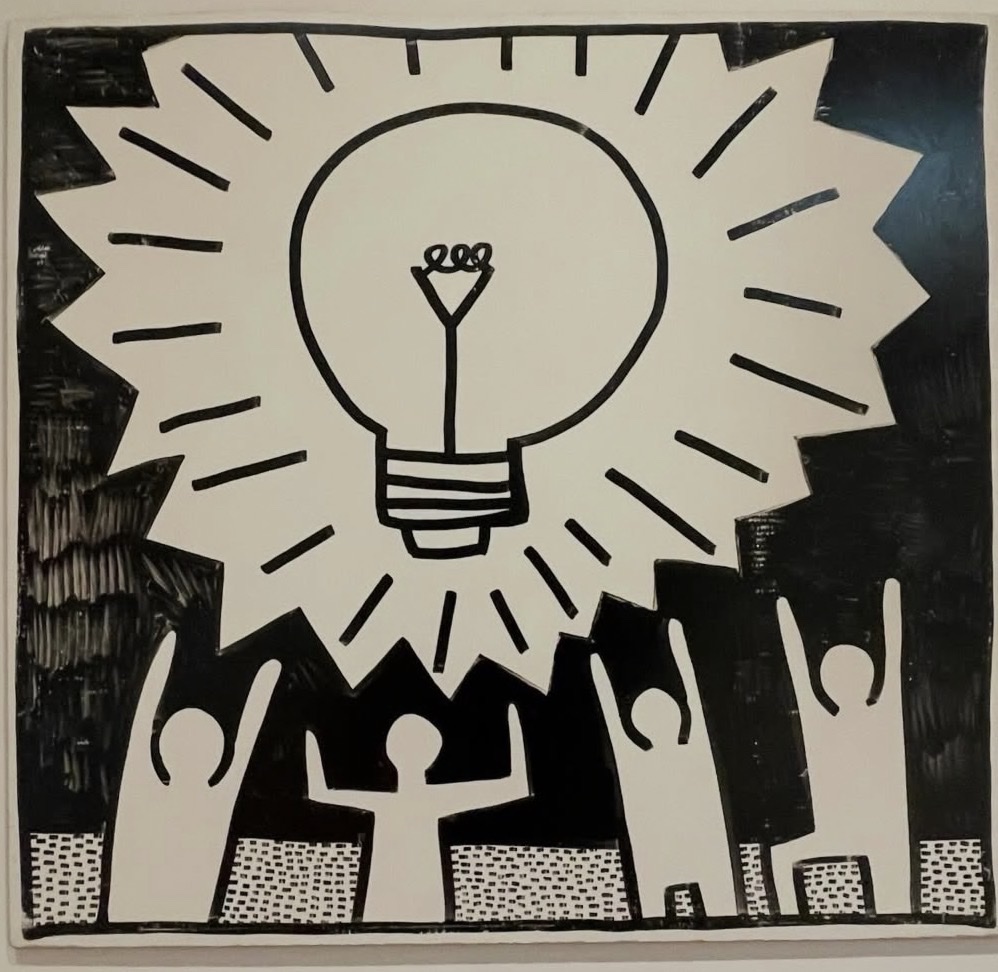
Keith Haring
Untitled
His father was an amateur cartoonist, and from an early age Haring absorbed the pleasure of drawing as communication, as play, as a way of making meaning out of the world. He was drawn to the energy of popular culture, to the iconography of Disney and Dr. Seuss, to the irreverent graphic wit he found in comic strips. When he arrived in New York City in 1978 to study at the School of Visual Arts, he found himself in exactly the right place at exactly the right moment: a city crackling with creative electricity, where art was spilling out of galleries and onto the streets.
New York in the early 1980s was a crucible of radical artistic experimentation. The downtown scene centered around clubs, lofts, and the streets themselves was producing artists who refused the boundaries between fine art and popular culture, between the museum and the sidewalk. Haring found his community among figures like Jean Michel Basquiat and Andy Warhol, and he absorbed the lessons of both without becoming a disciple of either. He developed his practice in the New York City subway system, filling the blank black paper panels used to cover outdated advertising with chalk drawings of dancing figures, barking dogs, radiant babies, and interlocking bodies.
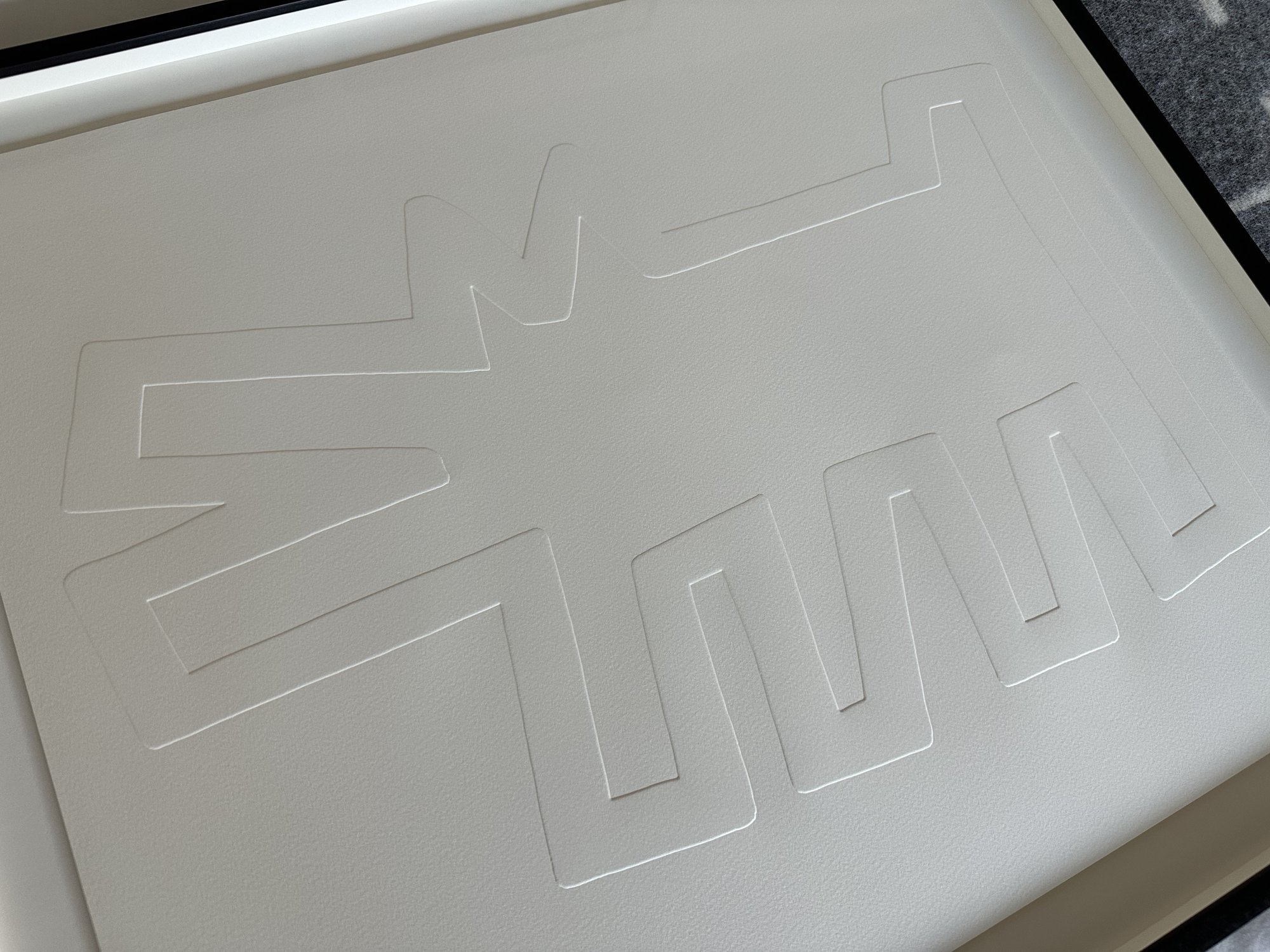
Keith Haring
White Icons (B) - Barking Dog, 1990
These were not vandalism in any conventional sense. They were gifts, freely offered to the commuters who encountered them each morning, art without gatekeepers or price tags. The transition from subway walls to canvas and larger public formats did not diminish the immediacy of Haring's work. If anything, it amplified it.
“My contribution to the world is my ability to draw. I will keep drawing.”
Keith Haring, Journals
His visual vocabulary, built on bold outlines, continuous flowing lines, and a vocabulary of symbols that felt both ancient and urgently contemporary, proved remarkably adaptable. The radiant baby, perhaps his most enduring image, suggested new life, hope, and luminous potential. The barking dog carried menace and authority. The figures locked in movement conveyed joy, eroticism, struggle, and solidarity depending on their arrangement and context.
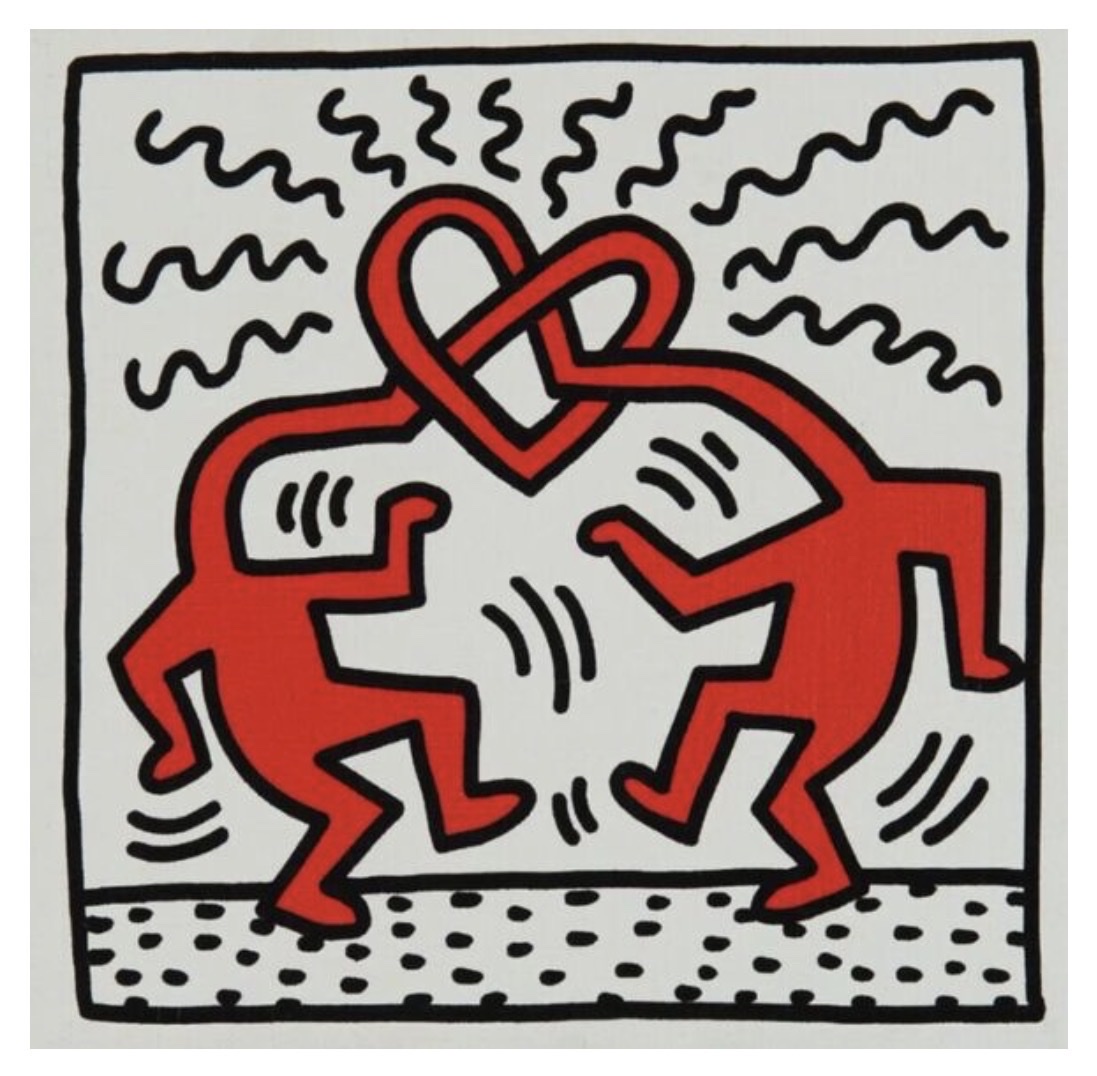
Keith Haring
Untitled (Two Lovers), 1989
Haring himself described his pictographic system as a kind of universal language, and the extraordinary speed with which audiences around the world received it suggests he was right. His 1982 work in sumi ink on paper, including pieces such as the seven headed dog composition now held in notable private collections, shows the confidence and economy of his draftsmanship at its most refined. By the mid 1980s, Haring had become one of the most recognised artists on the planet. He created major public murals on multiple continents, collaborated with organisations working in public health and education, and opened the Pop Shop in New York in 1986, a retail space that sold affordable multiples and merchandise.
“The public needs art, and it is the responsibility of a self-proclaimed artist to realize the public needs art.”
Keith Haring, Journals
The Pop Shop was a deliberate provocation aimed at the art world's gatekeeping instincts: Haring believed that art should be for everyone, not only for those with access to galleries and auction houses. This democratic conviction did not compromise his seriousness as an artist. Works from this period, including the Apocalypse series of 1988, created in collaboration with the writer William S. Burroughs, demonstrate an artist operating at the height of his ambition, fusing political urgency with visual complexity in ways that continue to reward sustained attention.
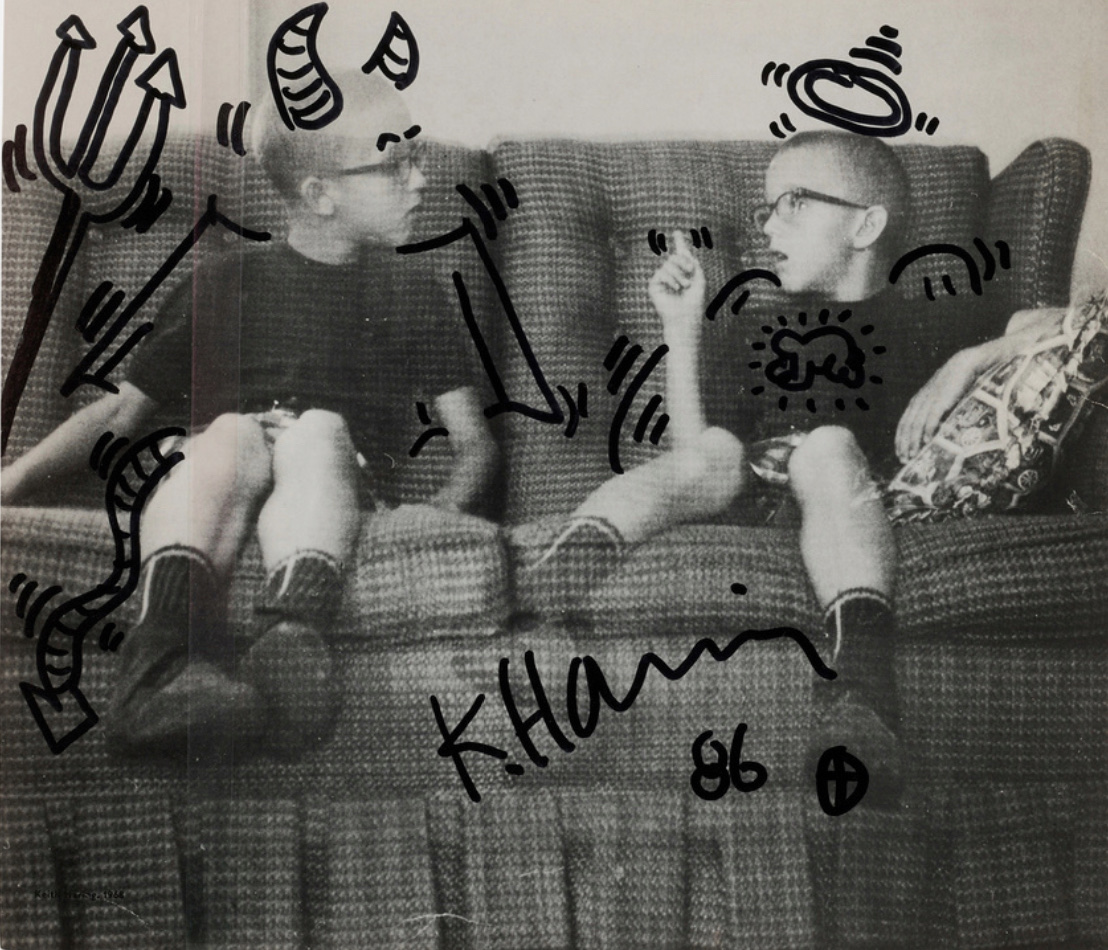
Keith Haring
Stedelijk Museum exhibition catalogue with drawing, 1986
The collecting case for Haring rests on several interconnected foundations. His prints and multiples offer entry points at a range of price levels, and works such as the White Icons series of 1990, including the embossed Barking Dog on Arches Cover Paper, represent the artist's draftsmanship and symbolic thinking at their most concentrated. The screenprints, including pieces such as Untitled (Two Lovers) from 1989, demonstrate the richness of his colour sense and the emotional directness that distinguishes his finest work on paper. For collectors building serious collections, unique works on paper and early enamel paintings such as the Dayglow pieces on metal from 1982 occupy a particularly compelling position: they document the artist's development before his international celebrity and carry the improvisational energy of that formative downtown period.
Auction records for Haring's work have remained consistently strong across major houses including Christie's, Sotheby's, and Phillips, with significant works regularly achieving results well into the millions. To understand Haring's place in art history is to understand a particular intersection of movements and sensibilities. He belongs to the Neo Expressionist generation that also produced Basquiat and Kenny Scharf, artists who brought raw emotional intensity back to figurative painting after years of conceptual and minimalist dominance. He shares with Andy Warhol a fascination with the relationship between art and popular culture, between the unique artwork and the reproducible image.
His public murals place him in a lineage of artists committed to art as civic speech, from Diego Rivera to the muralists of the community art movement. And his open engagement with LGBTQ+ identity and his tireless advocacy around the AIDS crisis from which he died in 1990 at the age of thirty one align him with a tradition of artists who understood that visibility itself is a form of resistance. Haring's legacy is not simply a matter of cultural nostalgia or the warm recognition that greets a familiar image. It is the ongoing argument his work makes, in every gallery and collection where it hangs, that art can be simultaneously accessible and profound, politically engaged and joyful, formally rigorous and freely given.
The radiant baby still glows. The dancing figures still move. And for collectors who live with his work, the daily encounter with that line, so confident, so alive, so charged with the belief that drawing could change the world, remains one of the quiet privileges of serious collecting.
Explore books about Keith Haring
Keith Haring: 1978-1982
Keith Haring
Keith Haring
Robert Farris Thompson
Keith Haring: Future Primeval
Robert Farris Thompson
Keith Haring Journals
Keith Haring
Keith Haring: A Life
Jennifer Clement
Keith Haring: The Authorized Retrospective
Jennifer Clement and Elisabeth Sussman
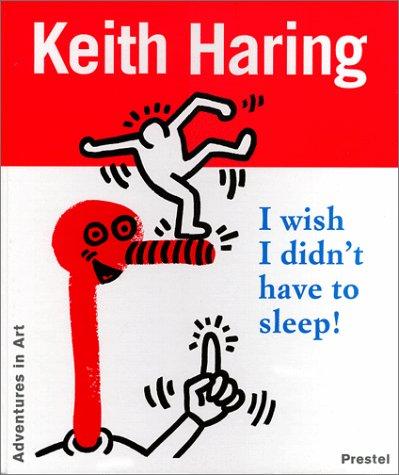
Keith Haring and the Image of the Child
Alexandra M. Kokoli
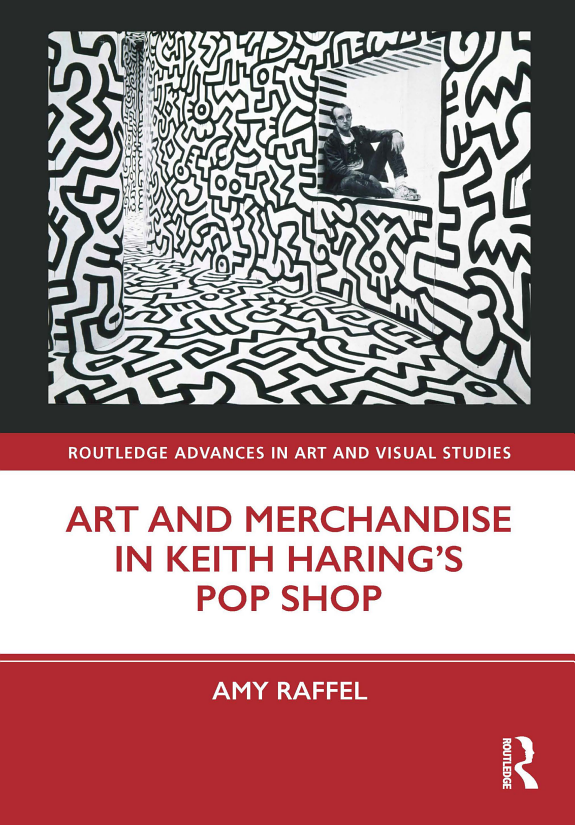
Keith Haring: Street Art
Dieter Buchhart