Judy Chicago

Judy Chicago Remade the World in Color
Artist Spotlight · The Collection Editorial
“I have always wanted my art to service the struggle of women to become full human beings.”
Judy Chicago, Through the Flower, 1975
In 2023, the Brooklyn Museum presented a landmark retrospective of Judy Chicago's work spanning six decades, drawing tens of thousands of visitors and cementing her place not just as a pioneer of feminist art but as one of the most consequential American artists of the twentieth and twenty first centuries. The show arrived at a moment of genuine cultural reckoning, when institutions worldwide were reassessing which artists had been written out of the canon and why. For Chicago, the answer had always been clear, and her life's work had been the most vivid possible argument for correction. To stand in a room full of her art is to feel the accumulated force of a vision that refused, at every turn, to be diminished.
Judy Chicago
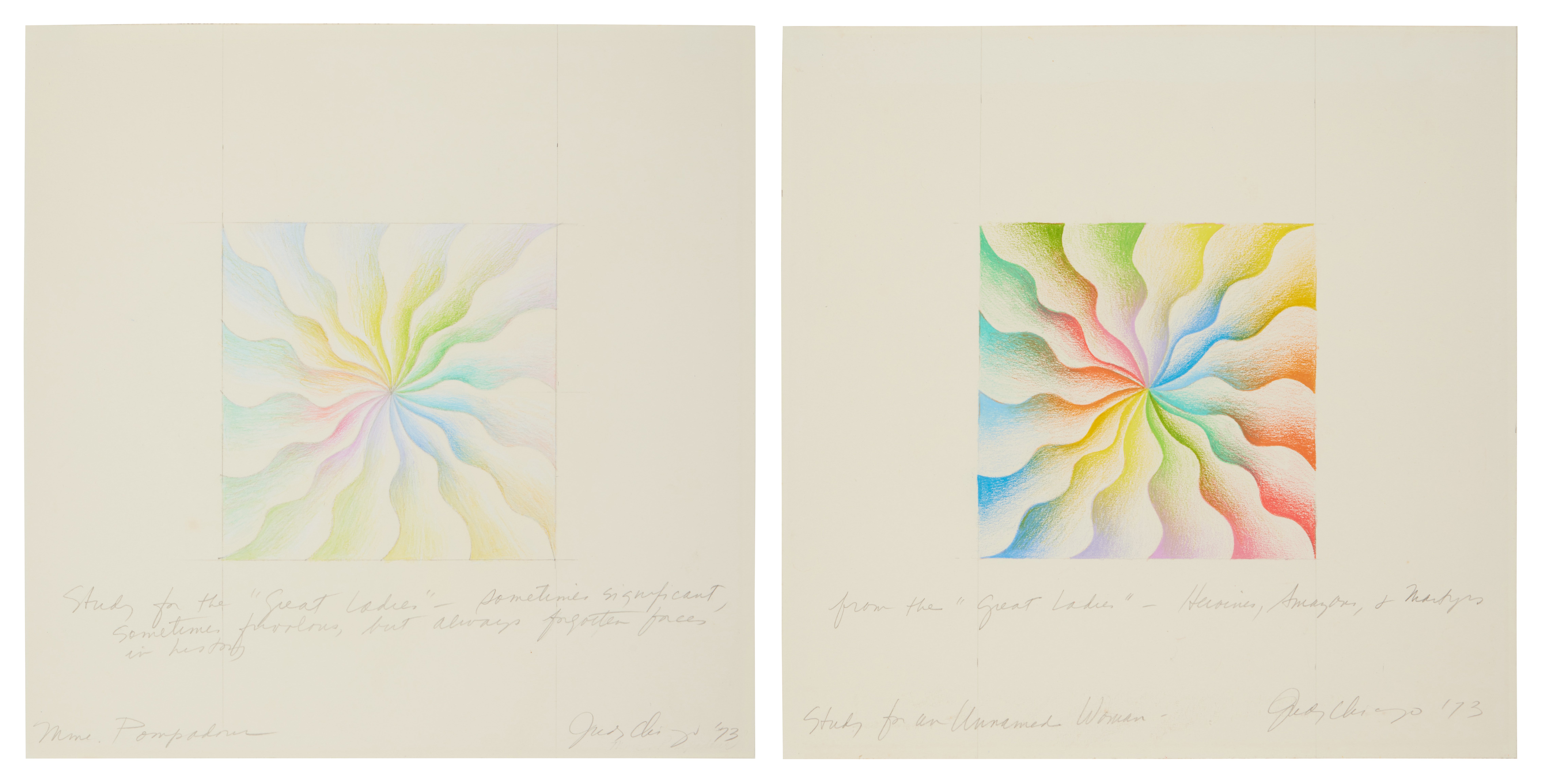
Study for "Great Ladies" Series, 1973
Judith Sylvia Cohen was born in Chicago, Illinois, in 1939, and the city she adopted as her name carries real weight. She grew up in a politically engaged Jewish household on the South Side, shaped by a father who was a labor organizer and a mother who encouraged her artistic ambitions from an early age. She lost her father when she was thirteen, a rupture that left a lasting mark and deepened her understanding of mortality, absence, and the urgency of making one's presence felt. She went on to study at the UCLA School of Art, earning her MFA in 1964, at a time when women in fine arts graduate programs were few and the expectation was that they would quietly accommodate themselves to a male dominated world.
Chicago did not accommodate. Through the late 1960s she worked through Minimalism, producing hard edged, geometric paintings and sculptures that demonstrated complete command of the dominant idiom of the day. But she felt, correctly, that the movement's supposed neutrality was not neutral at all. The body, experience, and identity had been written out of the equation, and the artists who had done the writing were almost exclusively men.
Judy Chicago
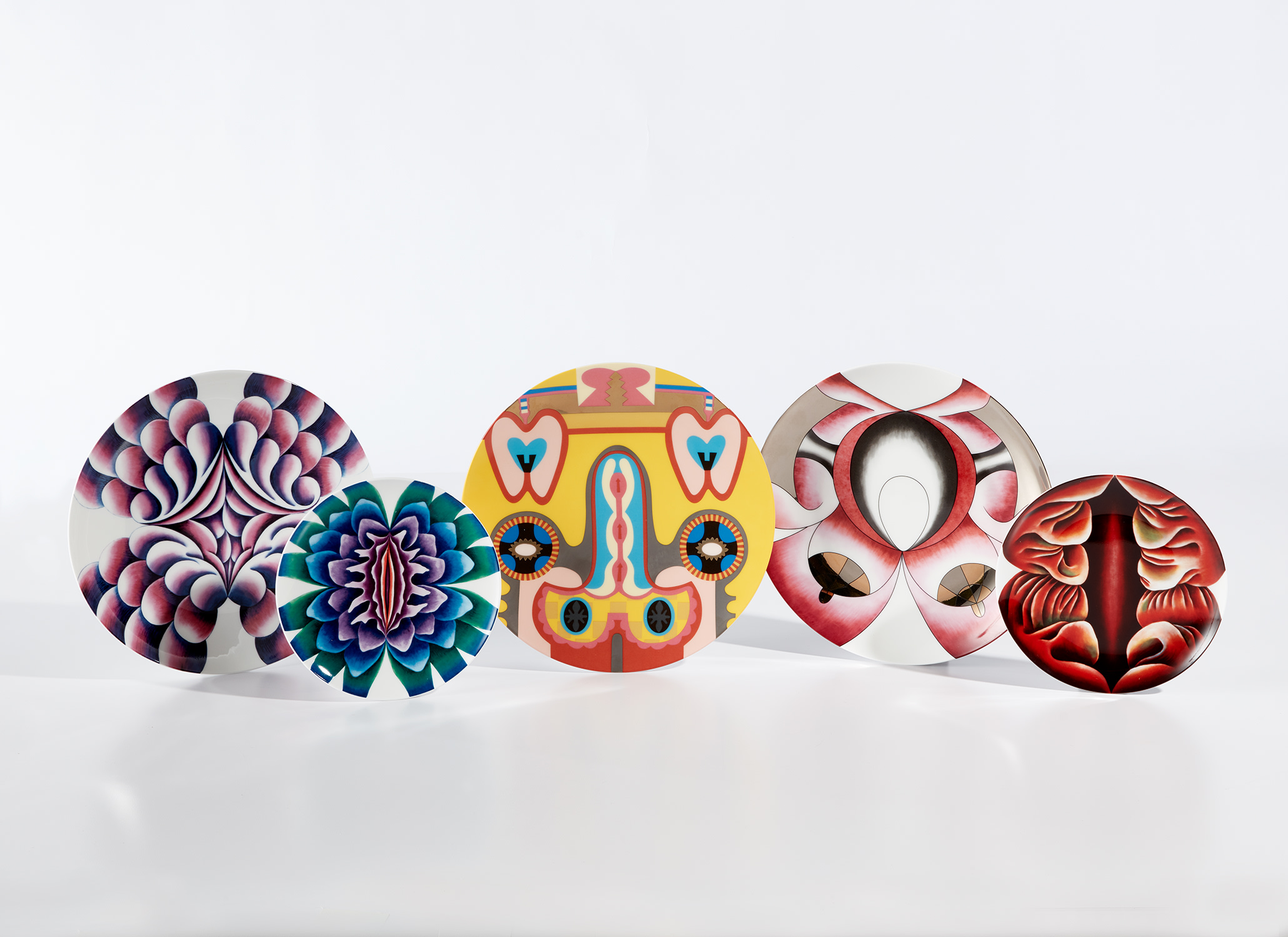
The Dinner Party (five plates)
By the early 1970s, working first in California and then more broadly, she began to ask what a feminist studio practice might actually look like from the ground up. In 1970, she co founded, alongside Miriam Schapiro, the first feminist art program in the United States at the California Institute of the Arts. It was a foundational gesture, and its influence is still being felt in art education today. The works available through The Collection trace the arc of this transformation with remarkable intimacy.
“Art is not art until it communicates.”
Judy Chicago
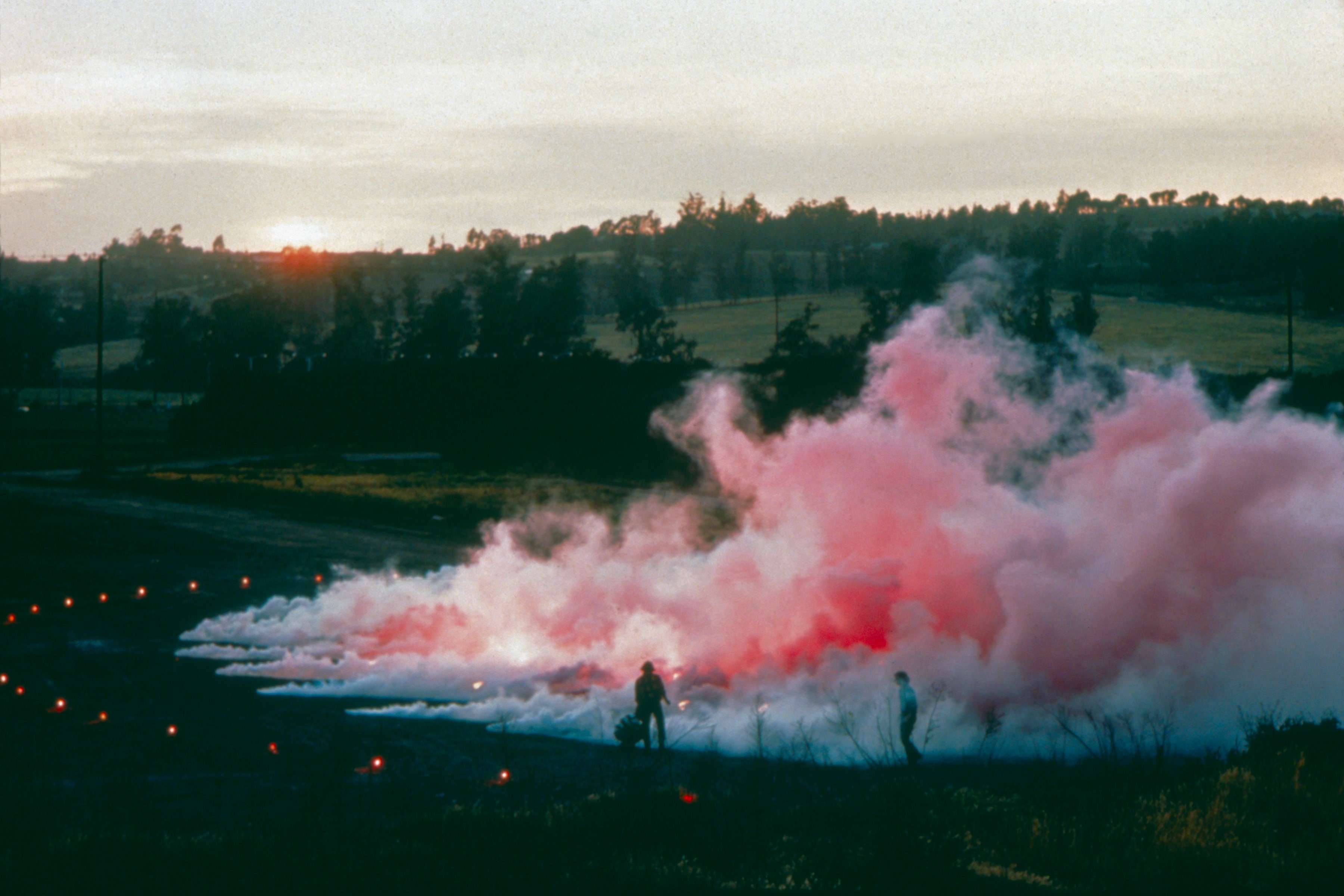
The Evening Fan from the Fresno Fans Series, made in 1971 using sprayed acrylic lacquer on acrylic sheet, sits right at the hinge point, when Chicago was discovering what her own formal language could be: sensuous, atmospheric, rooted in craft processes often dismissed as decorative, and radically insistent on the presence of a woman making decisions. Pink Atmosphere from the same year carries that same quality of suffused, almost bodily warmth. The Study for the Great Ladies Series, a pencil and graphite drawing from 1973, reveals the depth of her preparatory practice and the way she moved between the intimate scale of drawing and the monumental ambition of her finished works. These works on paper are among the most rewarding things a collector can find: they are places where thinking happens visibly.
Judy Chicago
Pink Atmosphere, 1971
No account of Judy Chicago is complete without The Dinner Party, the enormous triangular installation she created between 1974 and 1979, now permanently housed at the Brooklyn Museum's Elizabeth A. Sackler Center for Feminist Art. The work features place settings for 39 mythical and historical women, from the Primordial Goddess to Georgia O'Keeffe, each setting incorporating needlework runners and painted porcelain plates in forms that drew directly from female imagery. It was attacked viciously by critics when it first appeared and was denied a permanent home for decades before Brooklyn ultimately stepped forward.
That history now reads as a precise record of the cultural anxieties the work was designed to expose. The five plates available through The Collection offer an extraordinary opportunity: direct, tangible connection to one of the defining artworks of the century. To hold a piece of that conversation in a private collection is a remarkable thing. Chicago has never stopped evolving.
Judy Chicago
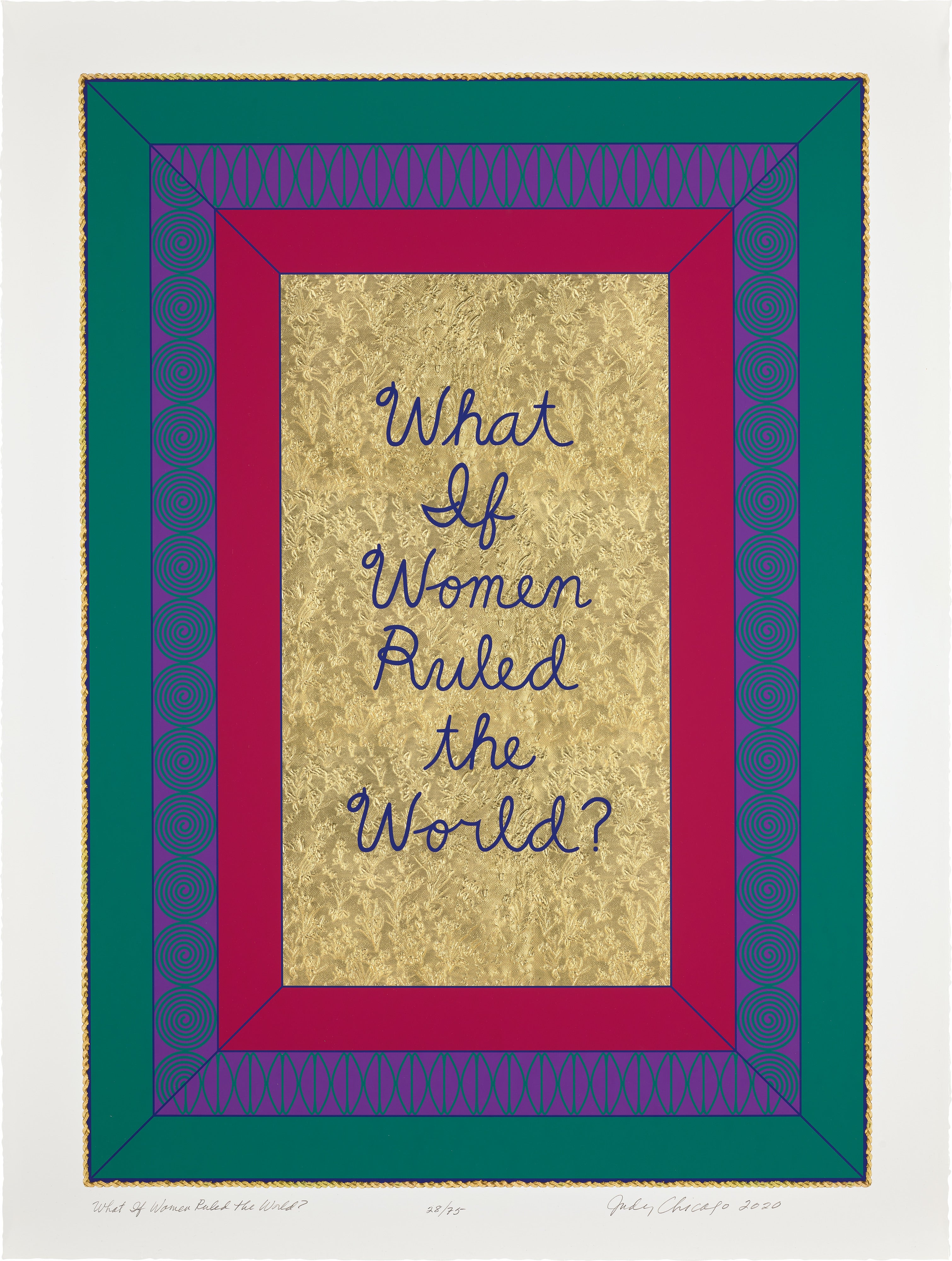
What if Women Ruled the World?
The lithograph and screenprint Mary Queen of Scots, bold and layered, reflects her lifelong engagement with the lives of women who wielded power and paid for it. What if Women Ruled the World, an archival pigment print on Epson Hot Press Bright paper, shows the directness and confidence of an artist who, past eighty, is still framing the essential questions with absolute clarity. Submerged and Emerged, worked in pressed and molded handmade cast paper, brings the materiality of craft fully into sculptural space in ways that continue to feel both grounded and adventurous. Study for Wishing It Were True, drawn in white pencil on paper, is a quietly haunting object, luminous against its dark ground.
From a collecting perspective, Chicago's market has strengthened steadily and meaningfully over the past decade, in step with the broader institutional reassessment of her legacy. Works on paper, prints, and preparatory studies represent particularly intelligent points of entry: they offer direct access to her process and sensibility, are well documented, and carry the full authority of her hand. Her prints are especially notable for their technical ambition, each one a serious artistic undertaking rather than a secondary product. Collectors are drawn to Chicago for many reasons, including political resonance, art historical significance, and sheer visual power, but the most devoted are those who recognize that her work operates on all of those levels simultaneously, which is rare.
Chicago stands in genuine dialogue with a generation of artists who shared her commitment to expanding what art could be and who it could be for: Miriam Schapiro, with whom she built the Pattern and Decoration movement; Hannah Wilke, whose body centered practice ran parallel to hers through the 1970s; and later, Kara Walker and Barbara Kruger, who inherited and transformed the project of making women's experience legible in gallery space. She is also, more broadly, part of the California art lineage that includes Ed Ruscha and Larry Bell, artists who took industrial processes and suburban color and made them into high art on their own terms. What Judy Chicago ultimately offers, both to art history and to anyone encountering her work for the first time, is the example of a complete artistic life. She built her own institutions when none would have her.
She developed a visual language no one had spoken before. She trained generations of artists who went on to transform the field. And she made objects of real beauty, objects that ask hard questions and hold those questions with grace. The Collection is honored to bring her work to a new generation of collectors who understand that to live with art of this ambition is, in its own way, an act of participation in something that matters.
Explore books about Judy Chicago
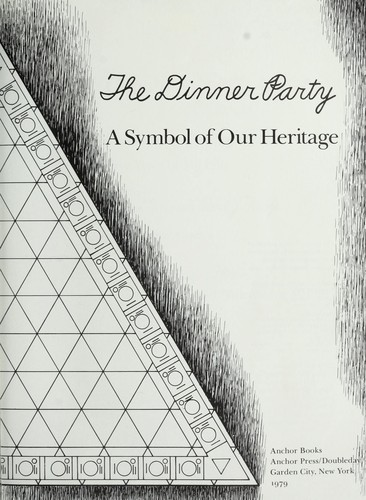
The Dinner Party: A Symbol of Our Heritage
Judy Chicago
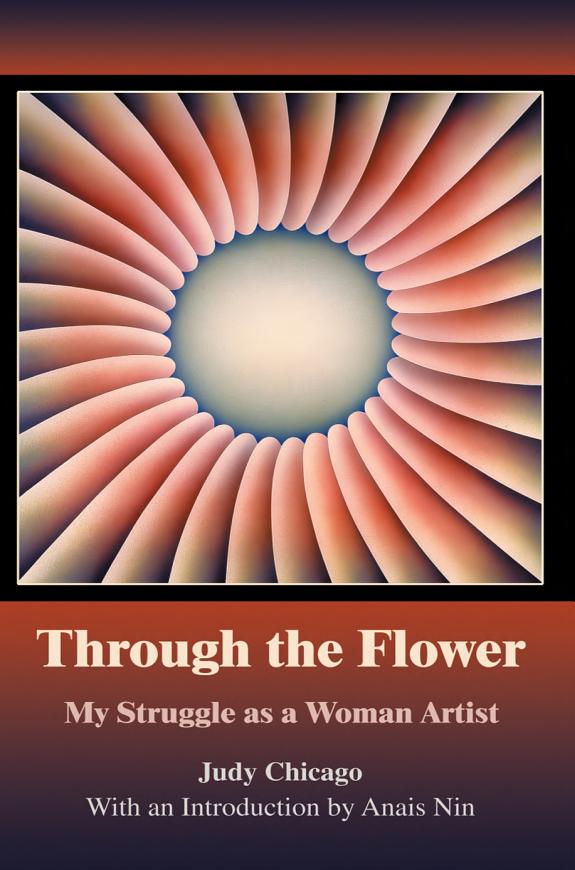
Through the Flower: My Struggle as a Woman Artist
Judy Chicago
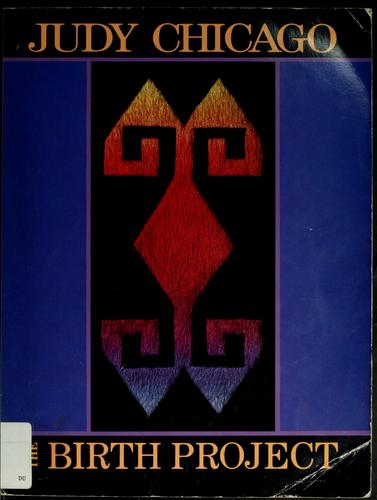
The Birth Project
Judy Chicago

Embroidering Our Heritage: The Dinner Party Needlework
Judy Chicago and Susan Hill
Holocaust Project: From Darkness into Light
Judy Chicago and Henry Sayre
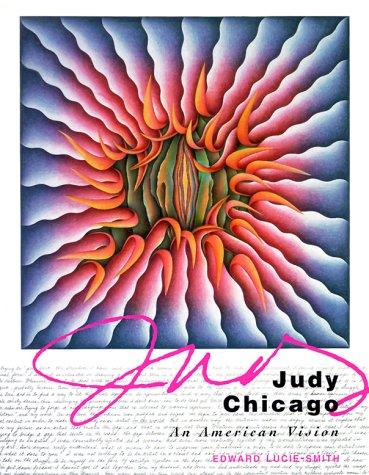
Judy Chicago: A Retrospective
Edward Lucie-Smith
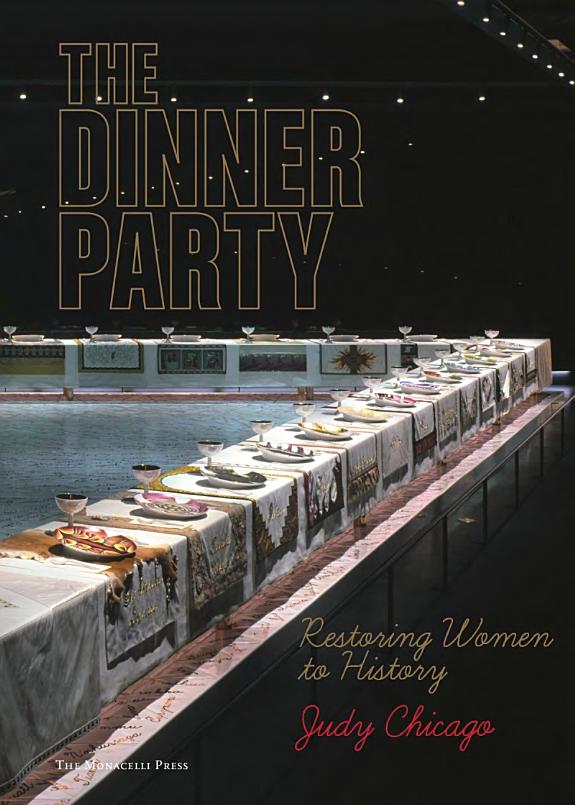
The Dinner Party: Restoring Women to History
Judy Chicago