John Singer Sargent
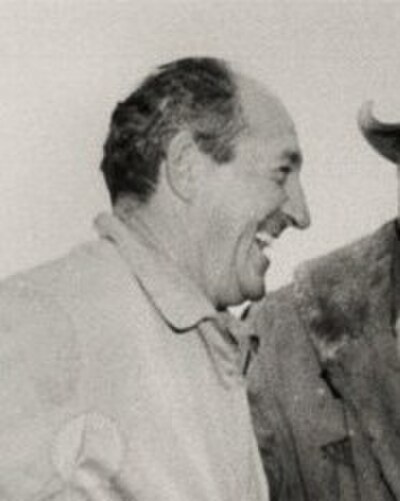
John Singer Sargent, Master of Radiant Humanity
Artist Spotlight · The Collection Editorial
“Every time I paint a portrait I lose a friend.”
John Singer Sargent
There is a moment, standing before a Sargent portrait in a hushed gallery, when the paint seems to breathe. It happened most recently for thousands of visitors to the Metropolitan Museum of Art's landmark retrospective, and it happens again whenever a Sargent canvas surfaces at auction and the room goes quiet with anticipation. In 2023, a major Sargent watercolor achieved well over a million dollars at Christie's, a reminder that the market for this artist remains as vital and competitive as it was during his own gilded lifetime. More than a century after his death in 1925, John Singer Sargent continues to command rooms, both the painted ones and the ones where collectors gather to compete for his work.
John Singer Sargent
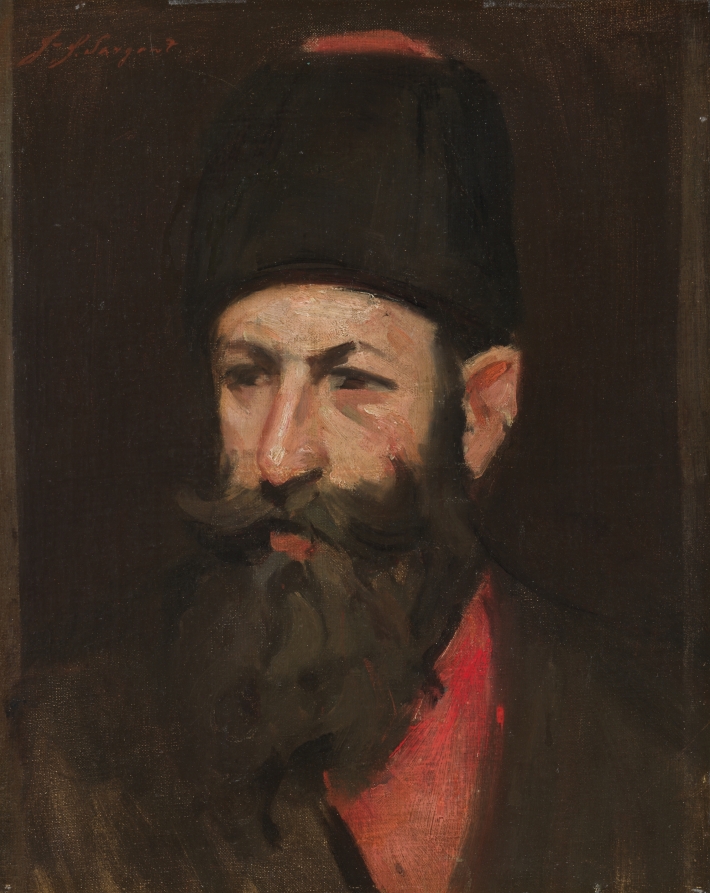
The Cossack, 1875
Sargent was born in Florence in 1856 to Mary Newbold Singer and FitzWilliam Sargent, American expatriates who had settled into the peripatetic rhythms of cultured European life. His childhood was a sustained act of visual education, moving between Florence, Rome, Nice, Dresden, and Madrid, absorbing the light and architecture of the continent as other children absorb the routines of a single home. He learned to sketch before he learned to sit still, and his mother recognized early that her son possessed something unusual. By his early teens he was studying informally in Rome and Florence, and in 1874, at eighteen, he entered the Paris studio of the fashionable portrait painter Carolus Duran.
The choice proved transformative. Carolus Duran rejected academic underpainting in favor of alla prima technique, laying color directly and confidently onto the canvas, and his young American pupil absorbed this method with an appetite that would define everything that followed. Paris in the 1870s was a city crackling with artistic argument, and Sargent moved through it with a cosmopolitan ease that reflected his upbringing. He befriended Claude Monet, whose influence can be felt in the shimmering outdoor passages of Sargent's later work, and he exhibited at the Salon with growing acclaim.
John Singer Sargent
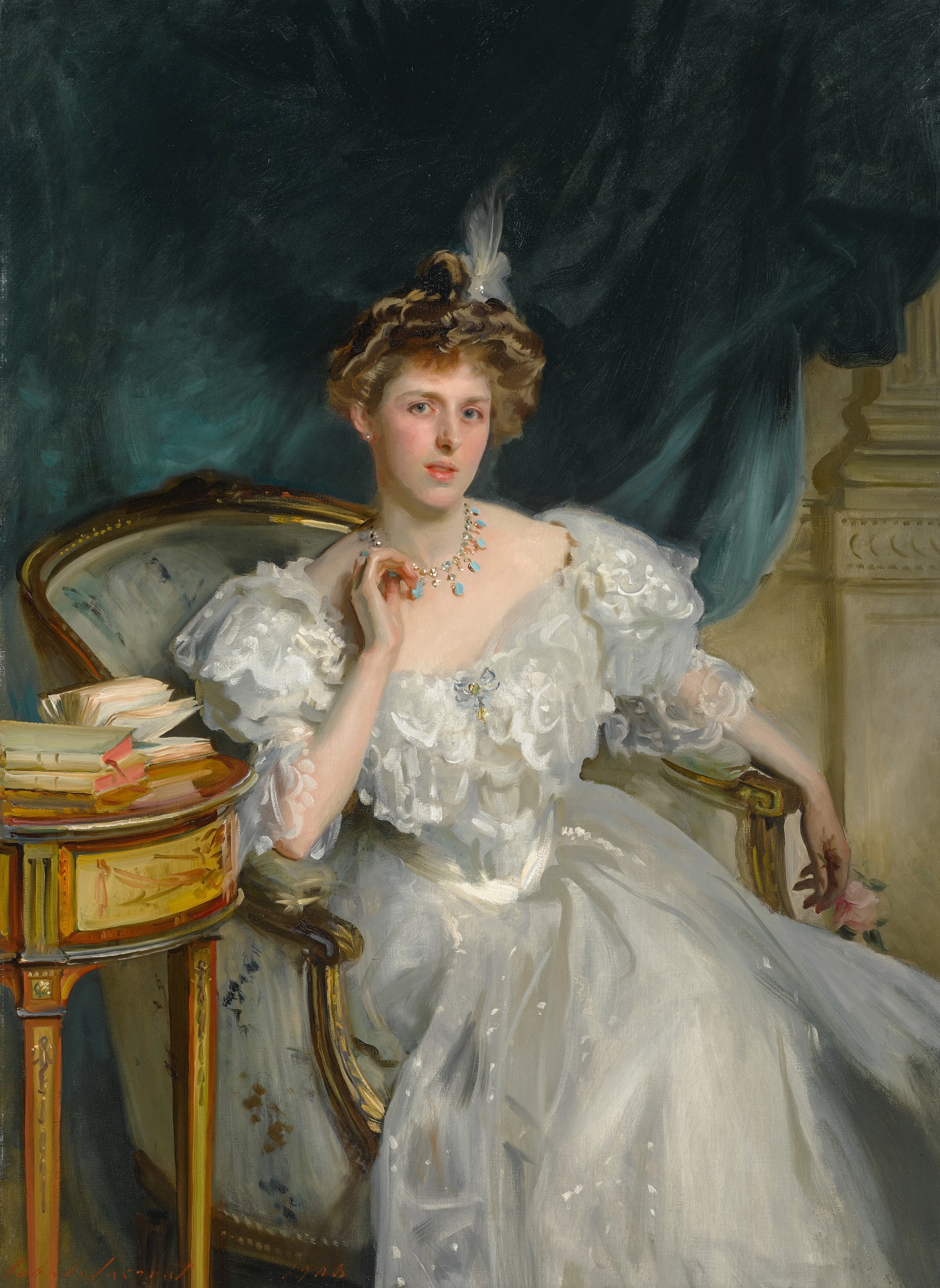
Mrs. William George Raphael
Then, in 1884, he detonated his own career. Portrait of Madame X, his audacious rendering of the Parisian socialite Virginie Gautreau in a black evening gown with a dangerously low neckline, scandalized the Salon and damaged his French reputation badly enough that he relocated to London. What reads today as an electrifying masterwork of psychological intensity and formal daring was received then as an affront to decency. Sargent, undeterred, simply moved his theatre of operations across the Channel.
“I do not judge, I only chronicle.”
John Singer Sargent
In London he flourished. The British aristocracy and the Anglo American financial elite proved eager for his particular gift, which was not mere likeness but revelation: Sargent could render the texture of a silk dress, the weight of social confidence, the flicker of an interior life, all in a single sustained session of bravura painting. His brushwork became legendary, loose and certain at once, each stroke placed with the conviction of a musician who has internalized the score. Works such as the portrait of the Wyndham Sisters, now at the Metropolitan, and his dazzling rendering of the Sitwell family demonstrated that portraiture could carry the ambition of history painting.
John Singer Sargent
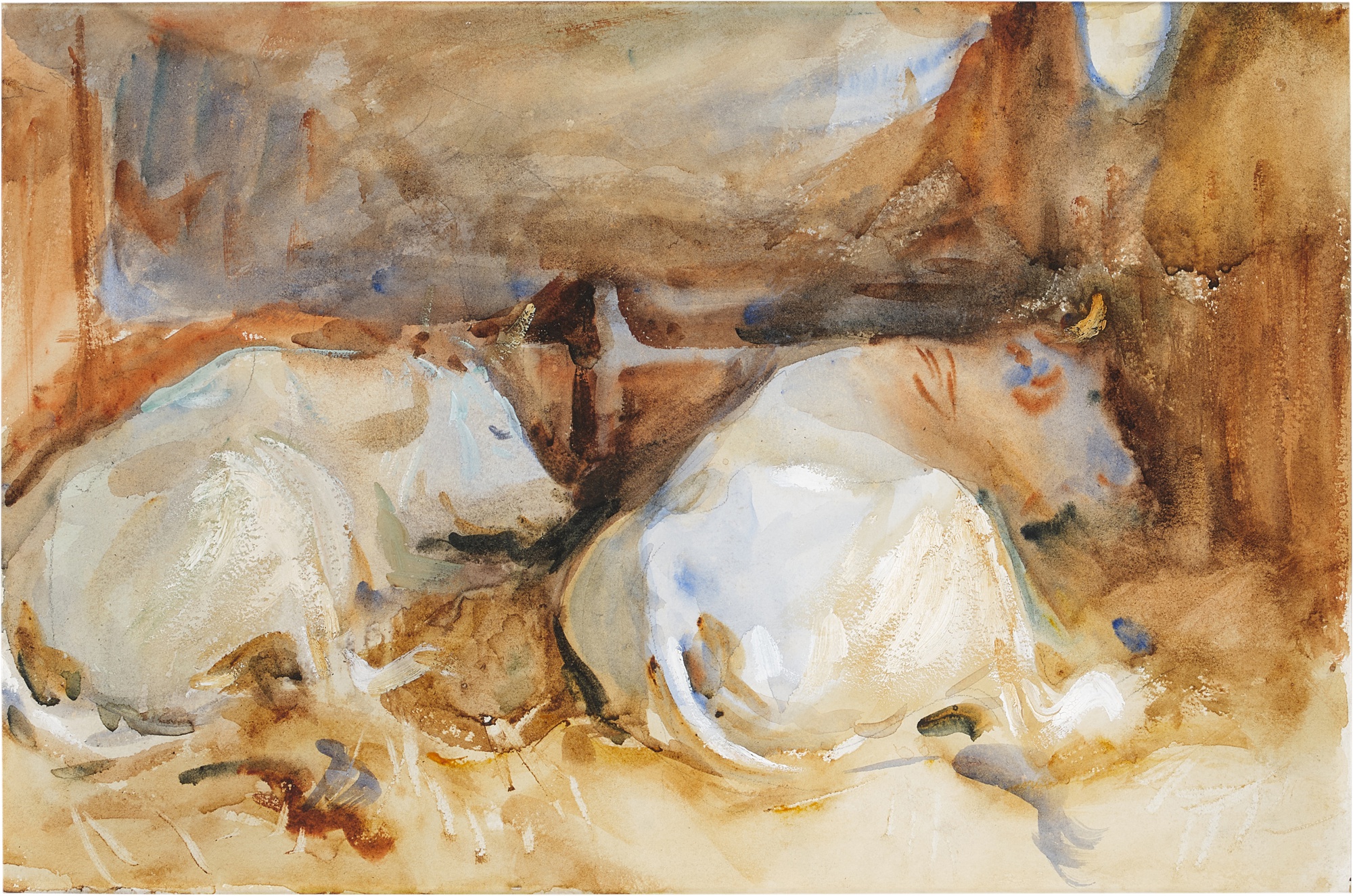
Two Oxen in a Stable (Siena Oxen), 1910
Across the Atlantic, Boston and New York society opened their homes and their checkbooks, and Sargent found himself the most sought after portraitist of the Gilded Age on two continents. The works available on The Collection offer a remarkable window into the full arc of Sargent's practice. The early oil The Cossack from 1875 shows a young artist already in command of narrative and movement, painted when Sargent was barely nineteen. The Portrait of Lisa Colt Curtis from 1898 sits squarely within his mature portraiture, capturing the particular glow he gave to American women of standing, their confidence worn like a second skin.
The Overlay Drawing for Frieze of the Angels from 1893 speaks to his monumental ambitions: for decades Sargent devoted enormous energy to the murals at the Boston Public Library and the Museum of Fine Arts Boston, projects that revealed a spiritual and decorative imagination quite different from the salon virtuoso of popular imagination. And the watercolors, including In Austrian Tyrol from 1911 and Two Oxen in a Stable from 1910, demonstrate why serious collectors have long argued that Sargent's work in watercolor represents one of the great achievements in that medium by any artist at any time. His watercolors are not sketches or relaxations. They are complete visions, built from washes of extraordinary confidence and an instinct for what to leave out.
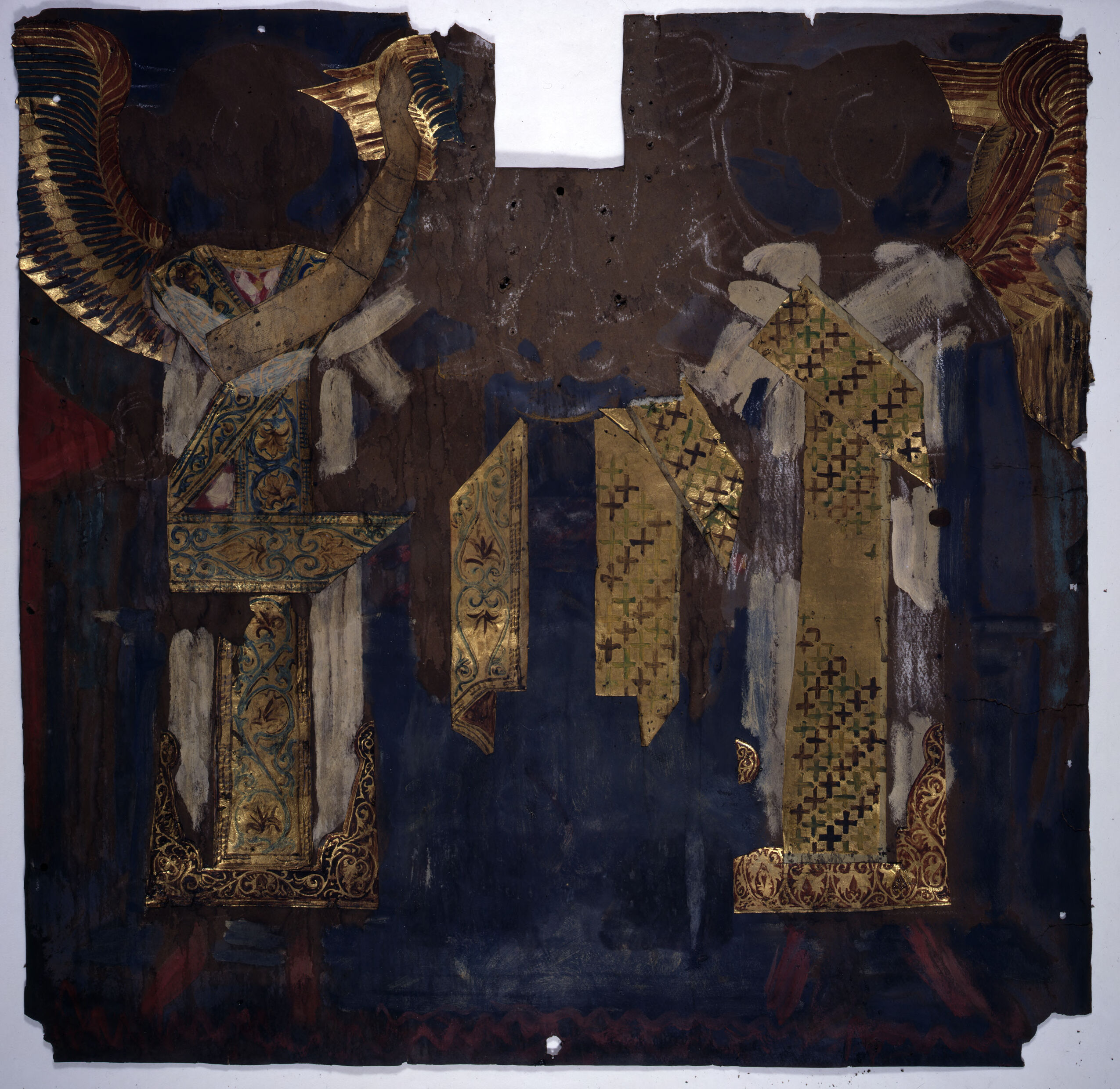
John Singer Sargent
Overlay Drawing for "Frieze of the Angels," Boston Public Library, 1893
For collectors, Sargent represents a category of rare reliability. His market has remained consistently strong for decades, supported by institutional prestige, widespread name recognition, and the simple fact that his work rewards sustained looking. Oils command the highest premiums, particularly finished portraits with documented provenance, but the watercolors offer an equally compelling entry point for collectors who want genuine museum quality at a comparatively approachable level. The charcoal drawings, including the Studies of a Soldier Drinking made in 1918 during his time as an official war artist, reveal the draftsmanship beneath the painted surfaces and carry their own distinct historical weight.
When considering a Sargent acquisition, provenance research and condition are paramount, as the market is mature and well documented, and the best works are accompanied by clear exhibition and ownership histories. In the broader context of Western art history, Sargent occupies a position of productive tension. He was trained in the traditions of Velázquez and Hals, old masters he studied with obsessive devotion in Madrid and Haarlem, and he carried their directness and economy of means into a modern social world they could never have imagined. He worked alongside and in conversation with the Impressionists without fully becoming one, borrowing their light while retaining a descriptive precision that owed more to the seventeenth century than to the nineteenth.
Collectors who admire Sargent often find themselves drawn to related figures in this tradition: Cecilia Beaux brought comparable intensity to American portraiture, Walter Sickert explored related territory in the London of the same period, and Anders Zorn brought a northern Scandinavian variant of bravura brushwork to the same social world. Sargent died in London in April 1925, the night before he was to sail for the United States to receive an honorary degree from Yale. He left behind a body of work of extraordinary range and sustained quality, from Venetian street scenes painted as a young man to the vast theological programs of his Boston murals, from intimate charcoal studies to canvases that stopped Edwardian London in its tracks. What endures is not merely his technical facility, remarkable as that remains, but his genuine curiosity about human beings, the way he looked at a face or a landscape and found in it something worth the effort of paint.
To collect Sargent is to participate in that curiosity, to bring into your home the proof that looking, really looking, is itself an act of grace.
Explore books about John Singer Sargent

John Singer Sargent: A Life
Donna M. Cassidy
Sargent: The Later Portraits
Richard Ormond
John Singer Sargent
Carter Ratcliff
The Drawings of John Singer Sargent
David McKibbin and David Sellin
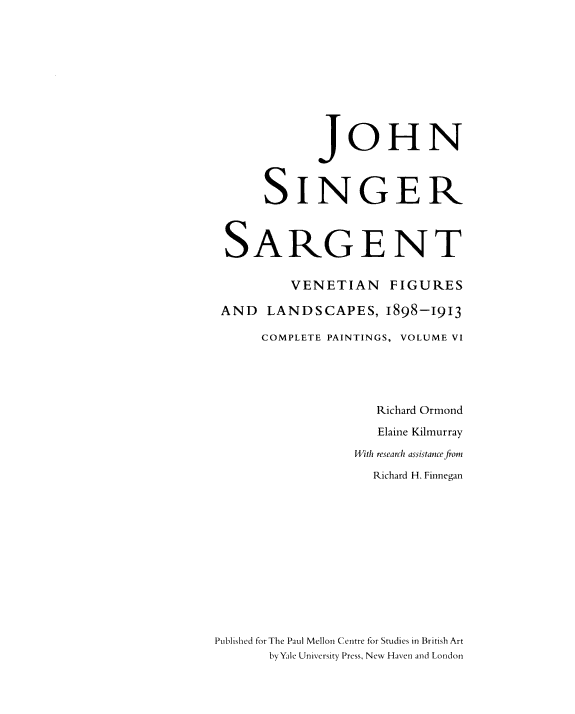
John Singer Sargent: His Own Work
Richard Ormond and Elaine Kilmurray
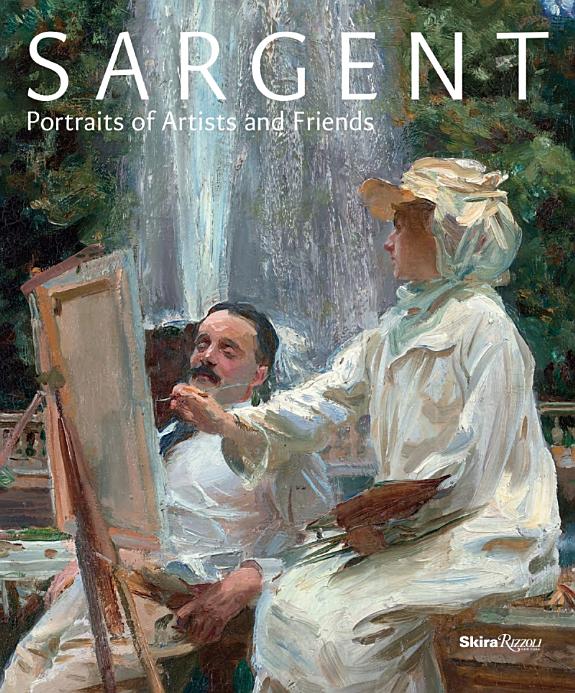
Sargent: Portraits of Artists and Friends
Richard Ormond
John Singer Sargent and the Art of Portraiture
Barbara Weinberg