Jeffrey Czum
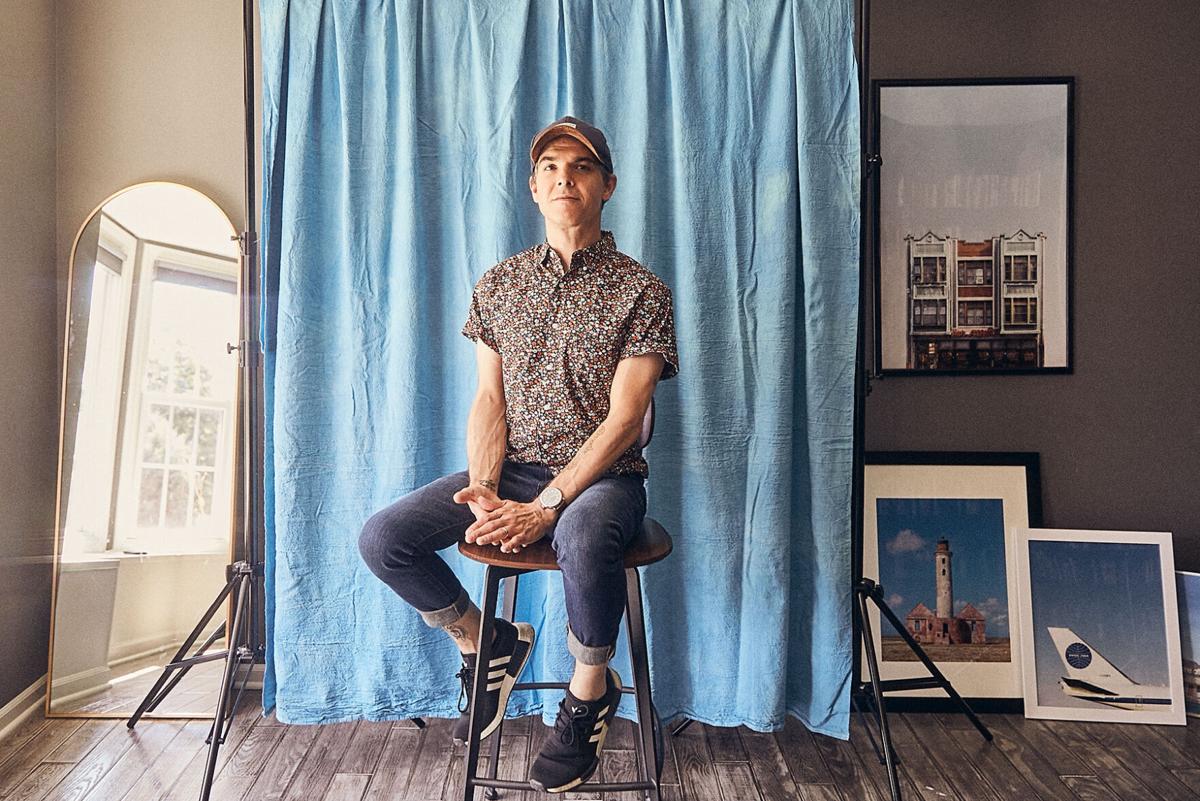
Jeffrey Czum: Where Obsession Becomes Pure Beauty
Artist Spotlight · The Collection Editorial
There is a particular kind of attention that defines the most compelling art being made today, a quality of sustained, almost devotional focus that transforms the act of looking into something genuinely moving. Jeffrey Czum possesses this quality in abundance. His work has been quietly gathering momentum among serious collectors and curators who recognize in his practice something rare: a commitment to process so thorough, so uncompromising, that the finished works feel less like objects made and more like worlds discovered. For those encountering his art for the first time, the experience tends to be arresting, a sudden awareness that what appears at first glance to be a unified field of tone or texture is in fact composed of countless individual decisions, each mark a small act of will.
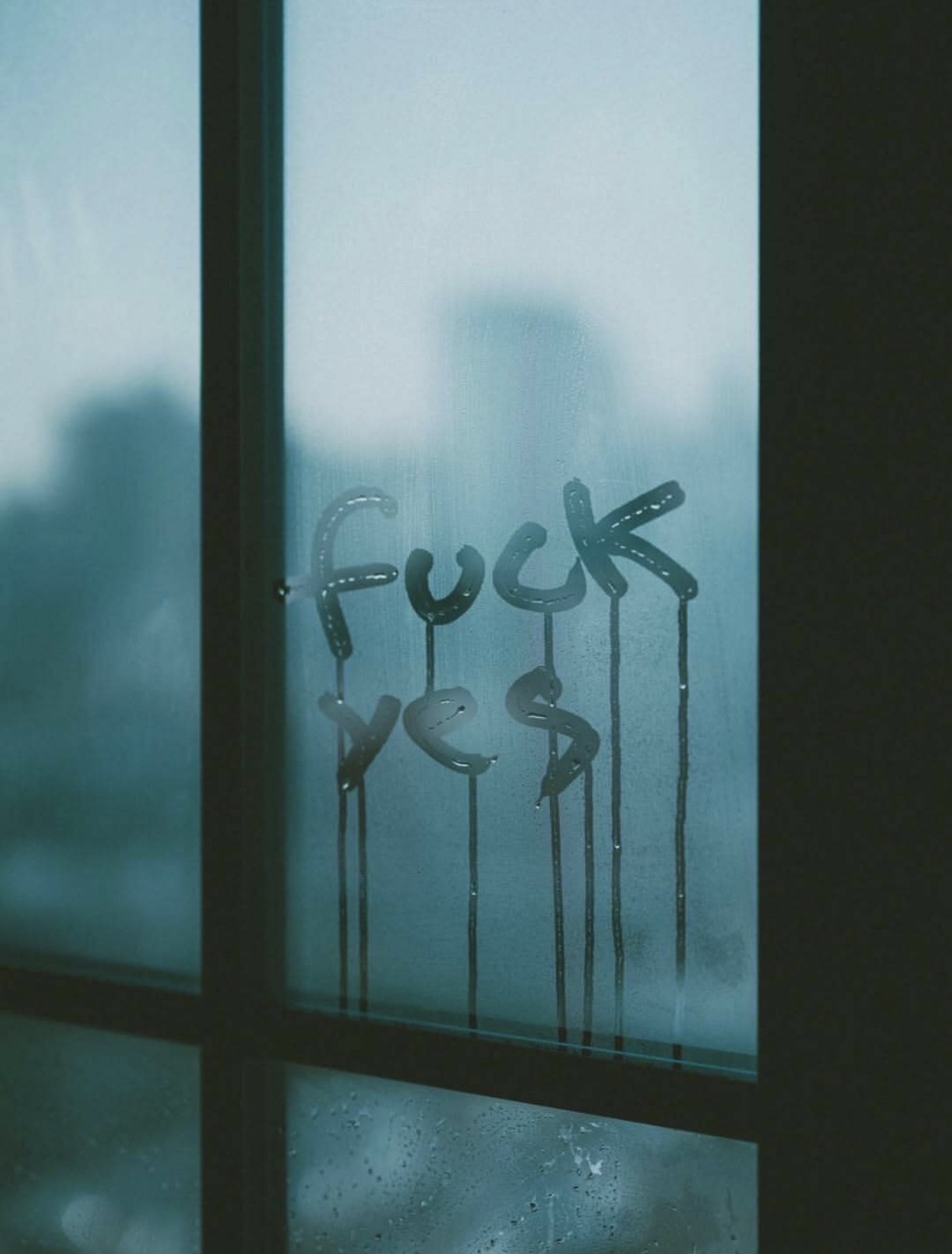
Jeffrey Czum
Somewhere between love & lust
Czum is a contemporary American artist whose practice centers on drawing and painting, with graphite, ink, and mixed media forming the core of his material vocabulary. His approach is rooted in a philosophy of accumulation, the belief that meaning emerges not from grand singular gestures but from the patient layering of small ones. In this sense his work belongs to a lineage of process oriented American art that prizes the integrity of making as much as the appearance of the made thing. His formation as an artist reflects a deep engagement with this tradition, and his development speaks to the particular pressures and freedoms of working at this moment in contemporary art.
The origins of Czum's practice lie in an almost compulsive relationship with mark making, the discovery early in his artistic life that repetition is not monotony but a form of meditation. Where other artists seek variety or spontaneity as their primary mode of expression, Czum found that constraint and repetition opened up unexpected depths. Thousands of dots, lines, and layered strokes build into compositions that seem to breathe, that shift between abstraction and something that presses toward the recognizable without ever fully arriving there. This oscillation is not accidental but is the very subject of his work, the way that accumulated detail can produce a sensation of the sublime, something vast and felt rather than simply seen.
His process is labor intensive in a way that demands genuine admiration. Each work represents an investment of time and concentration that few artists are willing or able to sustain. The density of his compositions is the direct result of this sustained effort, and sophisticated viewers respond to it with a recognition that goes beyond the visual. There is an ethical dimension to Czum's practice, a sense that his devotion to the work is itself a form of communication, a statement about what art can be when an artist refuses shortcuts.
This quality connects him in spirit to artists like Vija Celmins, whose own obsessive attention to surface and texture has made her one of the most admired figures in contemporary drawing, and to the Italian Arte Povera tradition's insistence on material honesty and presence. Among the works that illuminate Czum's range and ambition is "Somewhere between love and lust," a photography based work that reveals an important dimension of his practice: the willingness to move between media when the subject demands it. This piece brings together the emotional and the sensory in a way that is characteristic of his best work, occupying that charged territory between feeling and form that gives his art its distinctive atmosphere. The title itself is revealing, pointing toward a thematic preoccupation with states that resist easy definition, with experiences that are felt before they are understood.
It is a sensibility that runs throughout his work and gives even his most abstract compositions an emotional undertow. For collectors, Czum's work offers something increasingly difficult to find in the contemporary market: authenticity of process combined with genuine visual sophistication. His pieces reward prolonged looking, revealing new layers and relationships with each encounter. This is a quality that translates well to living with work, to the experience of a piece in a home or collection over months and years.
Collectors drawn to artists like Agnes Martin, whose commitment to repetitive mark making produced works of extraordinary meditative power, or to the more recent practice of Toyin Ojih Odutola, whose densely worked surfaces carry both visual and conceptual richness, will find in Czum a practice that shares those values while staking out its own distinctive territory. His work sits comfortably in serious contemporary collections and holds its own in dialogue with historically significant pieces. The art historical context for Czum's practice is rich and illuminating. His work participates in a long conversation about the relationship between process and meaning that runs from the Abstract Expressionists through Minimalism and into the process based practices of the 1970s and beyond.
But his engagement with this tradition is not nostalgic or derivative. He brings to it a contemporary awareness and a personal urgency that keep his work firmly in the present tense. The themes of obsession and accumulation that animate his practice speak directly to experiences that feel particularly resonant now, the sense of living in a world of overwhelming information and stimulation, and the possibility that patient, attentive making might offer a different way of being in that world. What ultimately makes Czum an artist worth watching and worth collecting is the sense that his practice is still deepening, that the work being made now is part of an ongoing inquiry that has genuine room to grow.
He is an artist in full development, with a clear and distinctive vision that has not yet reached its ceiling. For collectors with the instinct to engage with an artist at this stage of their journey, before the larger institutional recognition that his work seems destined to attract, there is both the pleasure of the work itself and the satisfaction of participating in a practice that is genuinely unfolding. Czum's art asks for attention and rewards it generously, which is finally the best thing that can be said of any artist working today.