Jadé Fadojutimi
Jadé Fadojutimi Is Painting Feeling Itself
Artist Spotlight · The Collection Editorial
“I want to give people an experience of feeling rather than one of understanding.”
Jadé Fadojutimi, Tate interview
There are moments in contemporary art when a single painting stops you entirely, when color and gesture conspire to produce something that feels less like looking and more like remembering. Jadé Fadojutimi produces those moments with remarkable consistency. In recent years, her large scale canvases have moved through the world's most significant institutions, from Tate Britain to the Hammer Museum in Los Angeles, earning her a reputation as one of the most compelling painters working anywhere today. Still only in her early thirties, Fadojutimi has already achieved what many artists spend entire careers reaching toward: a visual language so singular, so fully her own, that her work is identifiable within seconds.
Jadé Fadojutimi
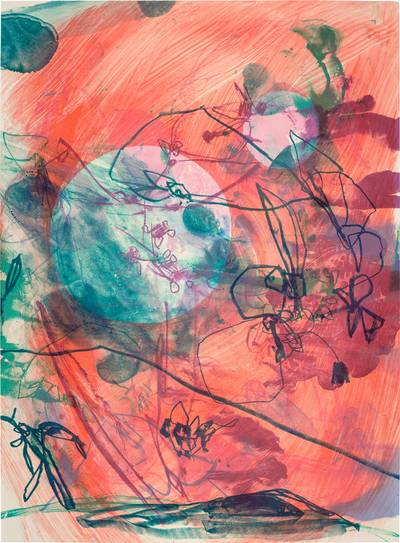
Night-time Walk, 2015
Born in London in 1993, Fadojutimi grew up in a household where art was not a given. She has spoken openly about feeling like an outsider as a child, finding in drawing and painting a private world that offered both refuge and expression. She studied at Wimbledon College of Arts before completing her postgraduate degree at the Royal College of Art, graduating in 2017. That period of rigorous formal training gave her the technical foundation she would later dissolve into pure instinct, a process that is central to understanding how her work operates.
The education gave her tools; her practice gave her permission to abandon the rules. Fadojutimi's development as an artist has been unusually swift and unusually coherent. Even her early works, such as Night time Walk from 2015, painted in acrylic and pastel on canvas, show a confident negotiation between structure and freedom. The marks are searching but not uncertain.
Jadé Fadojutimi
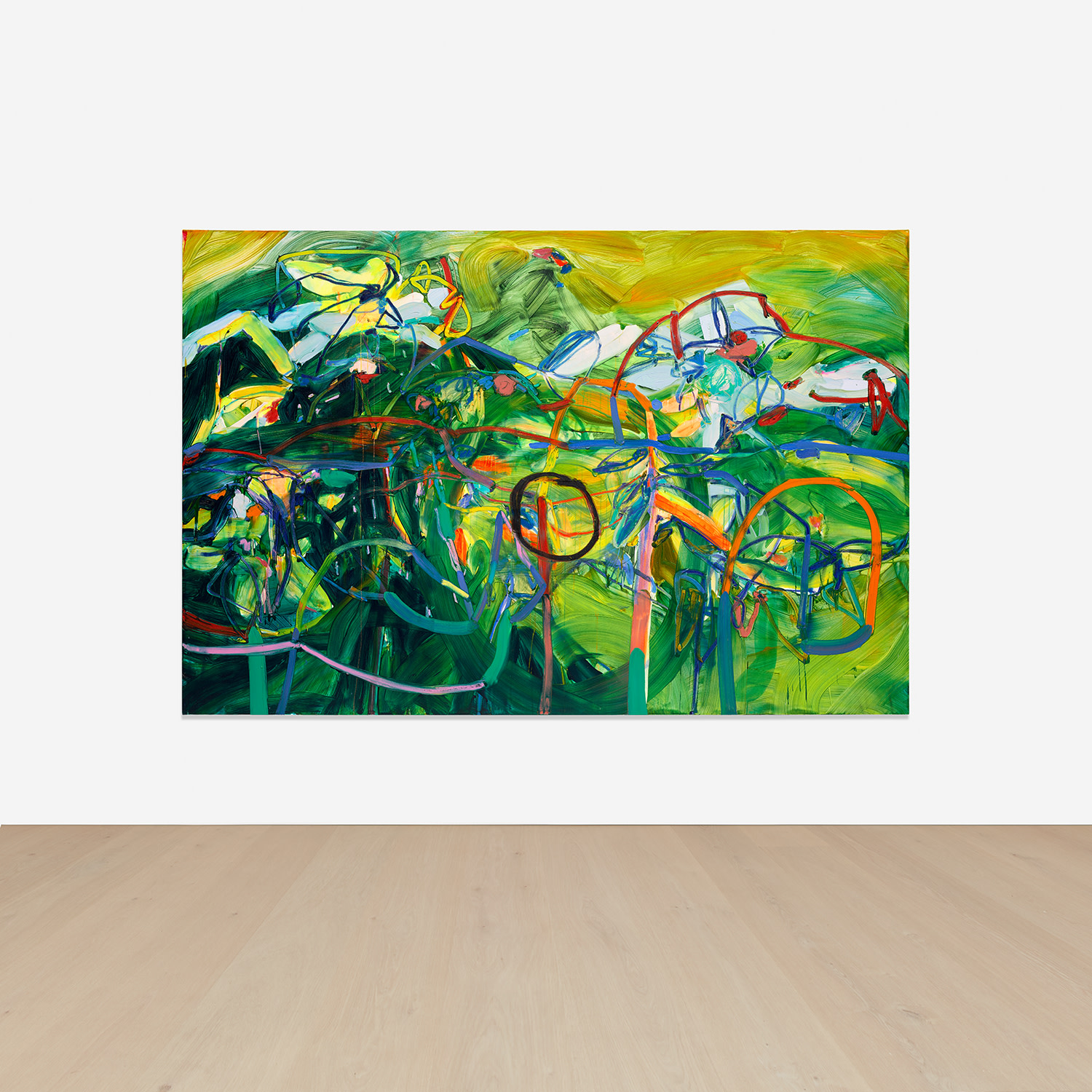
Quirk my mannerism, 2021
As she moved into oils and began working at larger scales, something in her practice deepened. By the time she produced works like Fishing For Steps in 2017, the year of her RCA graduation, a full visual vocabulary had emerged: looping lines, atmospheric fields of color, a sense of figures or landscapes half glimpsed then dissolved back into abstraction. She has described her process as deeply intuitive, driven by emotion and physical sensation rather than preconceived imagery, and the paintings carry that quality of authentic discovery. The works that have defined her mature practice are among the most viscerally alive objects in contemporary painting.
“Painting is the only way I can be completely honest.”
Jadé Fadojutimi, Gagosian Quarterly
Quirk my Mannerism from 2021, executed in oil, oilstick and acrylic on canvas, is a work of staggering chromatic ambition, layering acid greens, electric blues and warm ochres into a composition that vibrates with internal tension. A Toast to...? from 2020 and What kind of foetus grows here? also from 2020, the latter rendered in marker pen, oil stick and coloured pencil on paper, demonstrate her extraordinary range across media and scale.
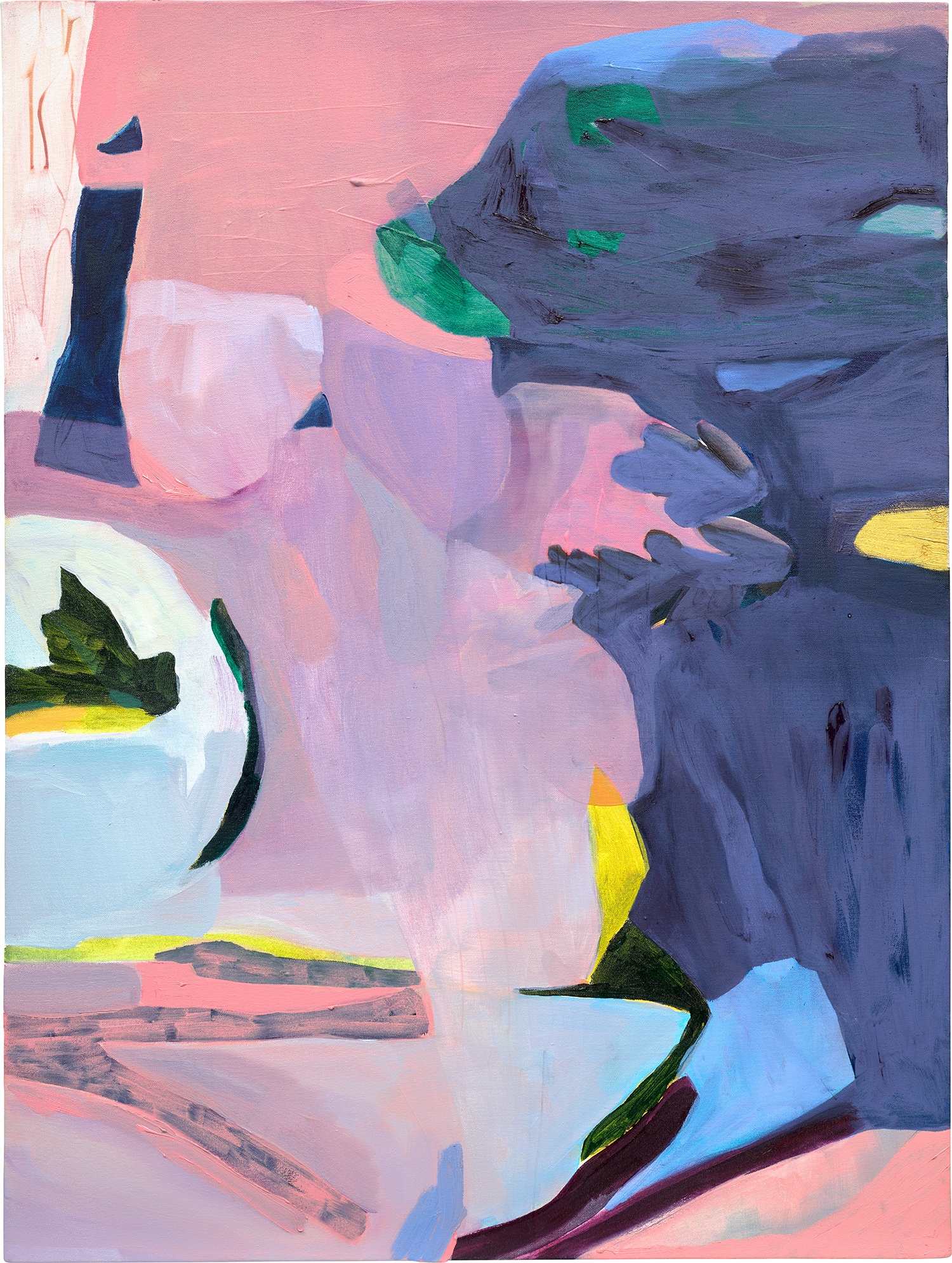
Jadé Fadojutimi
Bark
The Pour from 2022 in acrylic, oil and oil bar continues her investigation into what paint can do when pushed to its most physical limits. Works like Beneath the Petticoat and The Barefooted Scurry Home reveal a poet's instinct in her titling, where language opens rather than closes interpretation, giving emotional permission without dictating meaning. Even A Season's Echo, a lithograph in colours on wove paper, shows how fully her sensibility translates across printmaking, the gestural energy intact, the color still singing. For collectors, Fadojutimi represents something genuinely rare: an artist whose market trajectory has been steep and whose critical standing has grown in exact proportion.
Her work entered Tate's collection, a signal of institutional confidence that carries lasting weight. Represented by Gagosian, one of the most powerful galleries in the world, she has access to the full architecture of the international art market, from art fairs in Basel and Miami to museum partnerships across continents. Collectors who acquired her paintings in the years immediately following her RCA graduation have seen significant appreciation, but the more compelling argument for collecting her work now is not financial. It is the conviction that these are paintings that will matter in thirty years, that are already in conversation with art history, and that reward sustained looking in a way that very few contemporary works do.
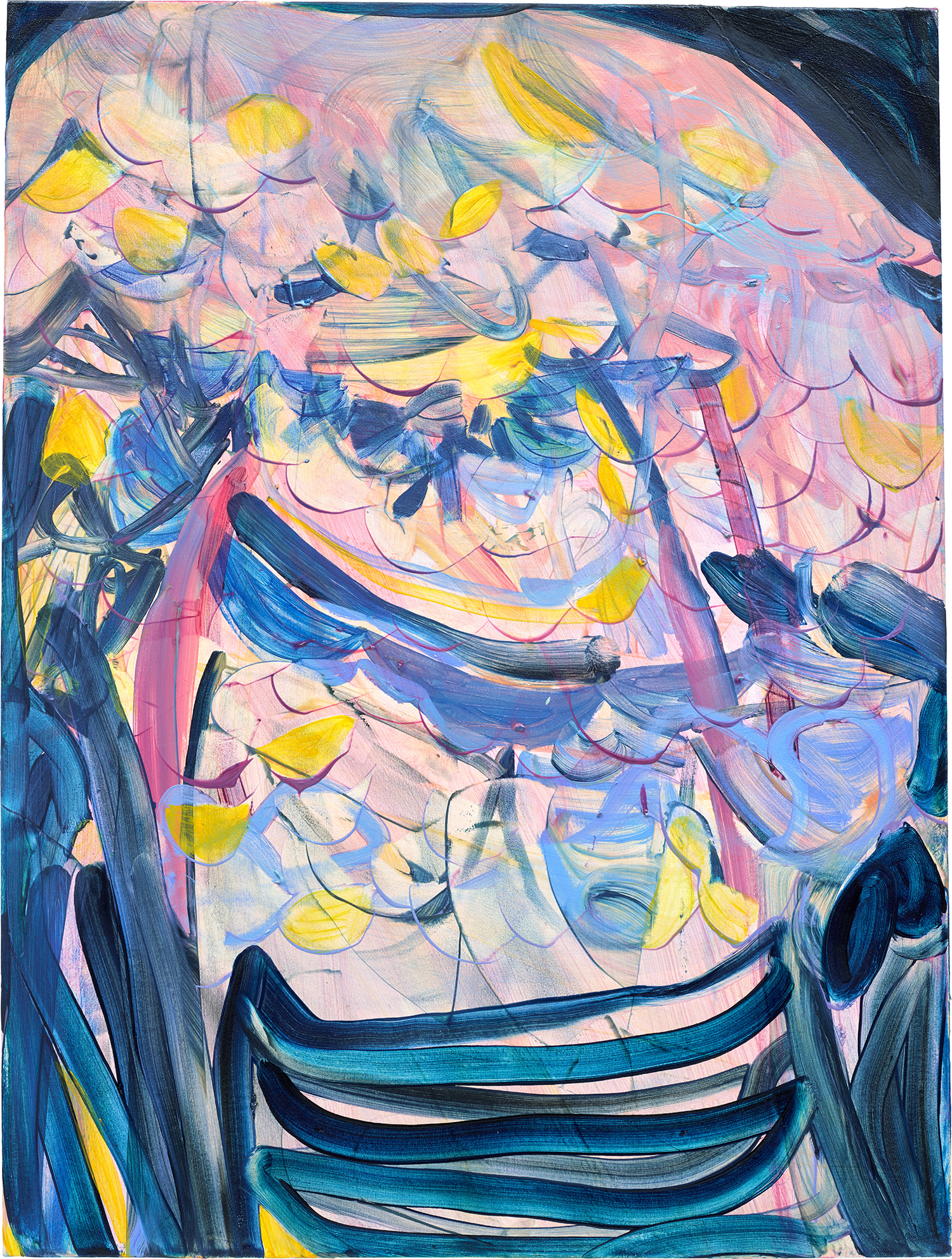
Jadé Fadojutimi
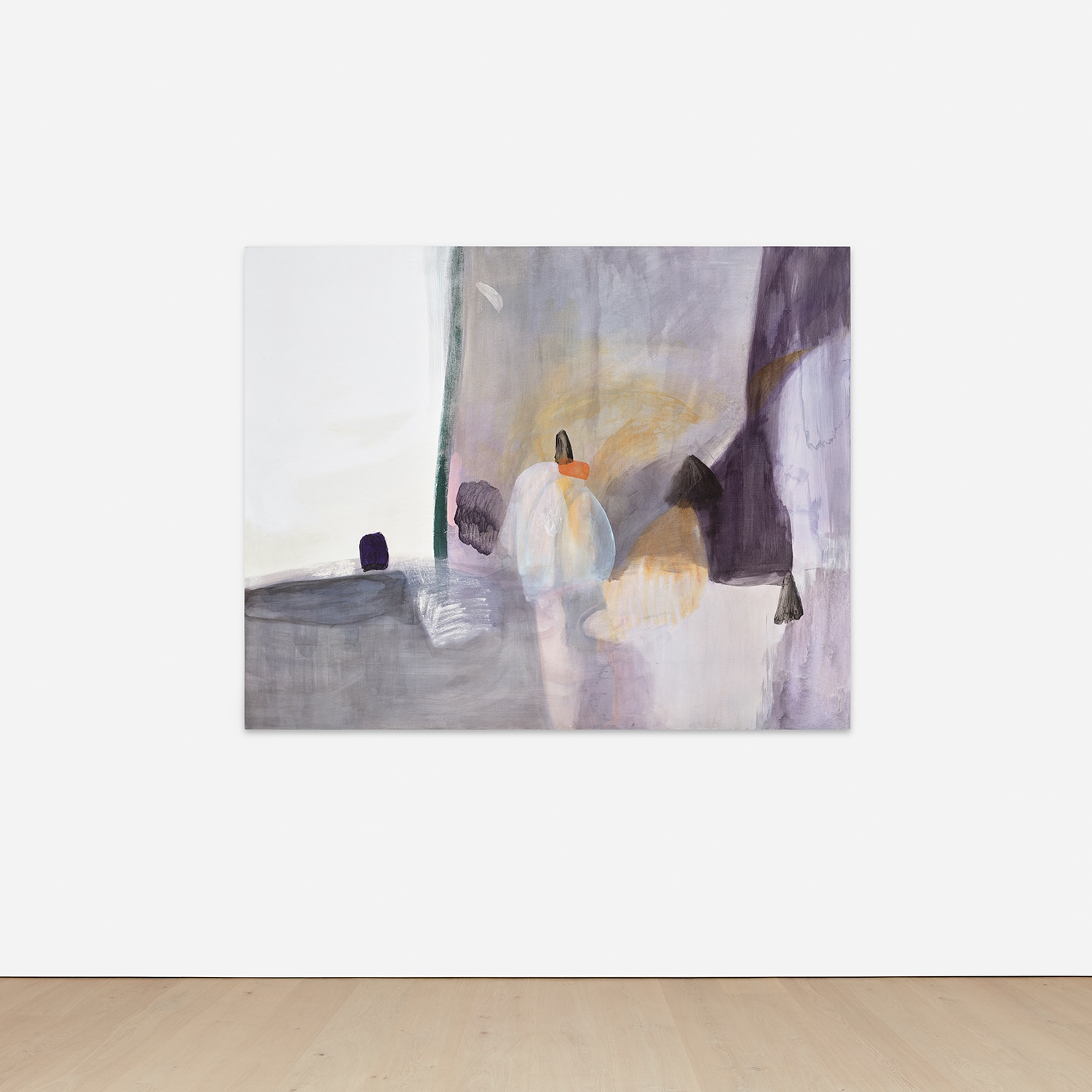
Beneath the Petticoat
When considering her output, works on canvas in oil tend to represent the fullest expression of her practice, though her works on paper offer an accessible and equally authentic entry point. Fadojutimi occupies an important position within a broader resurgence of interest in painterly abstraction, particularly among artists exploring interiority, affect and the non representational. Her work draws natural comparisons to painters who have interrogated the emotional capacity of abstraction across the twentieth and twenty first centuries. The gestural energy of her canvases invites conversation with the Abstract Expressionist tradition, particularly artists like Joan Mitchell, who similarly pursued an abstraction rooted in feeling and landscape rather than pure formalism.
Closer to her own generation, she belongs to a remarkable cohort of painters including Cecily Brown and Amy Sherald who have redefined what figurative and abstract painting can hold, though Fadojutimi's commitment to pure abstraction places her in a distinct register. She is doing something that has no direct precedent, which is precisely what makes her so compelling. What Fadojutimi has built, in less than a decade of sustained public practice, is a body of work that argues urgently for painting's continued centrality to how we understand human experience. She became one of the youngest artists to hold a solo exhibition at a major London gallery, a milestone that speaks not just to precocity but to the maturity and ambition of her vision.
Her paintings do not illustrate emotion or represent memory; they enact both, inviting the viewer into a state of feeling rather than a state of understanding. In an art world that can sometimes prioritize concept over sensation, she insists on sensation as the primary form of knowledge. That insistence feels not only valid but necessary. To collect her work is to believe, as she clearly does, that paint on canvas can still tell us something about being alive that nothing else can.
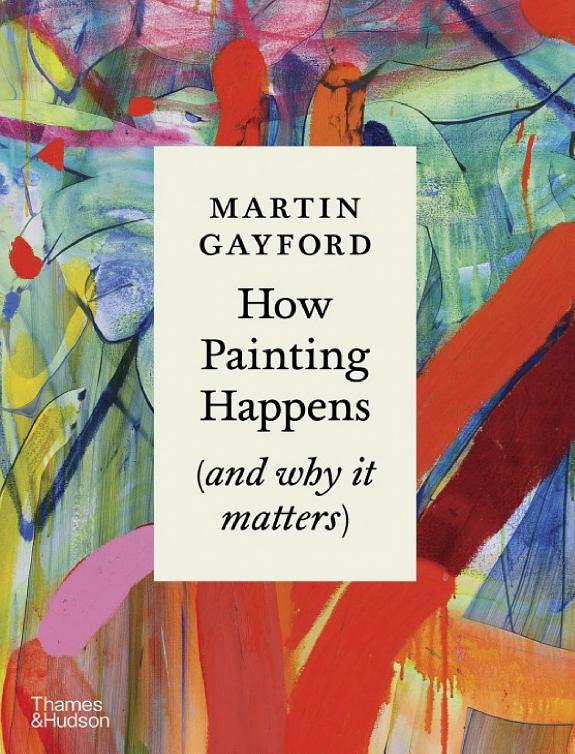
Explore books about Jadé Fadojutimi