Jacques Henri Lartigue
Lartigue: Life Caught in Pure Joy
Artist Spotlight · The Collection Editorial
“I am afraid of losing everything. That is why I photograph and paint.”
Jacques Henri Lartigue
In 1963, when John Szarkowski opened the doors of the Museum of Modern Art in New York to a solo exhibition dedicated entirely to Jacques Henri Lartigue, the art world experienced something rare: a collective moment of uncomplicated delight. The photographs on those walls depicted cousins leaping from staircases, racing cars blurring past French country roads, and elegantly dressed women tilting against the wind at Auteuil. Yet their maker was not some dashing young photojournalist. He was a sixty nine year old Frenchman who had been taking pictures since before the Wright Brothers had left the ground, and who had spent the intervening decades convinced that his photographs were simply a private diary, too personal and too playful to matter to anyone else.
Jacques Henri Lartigue
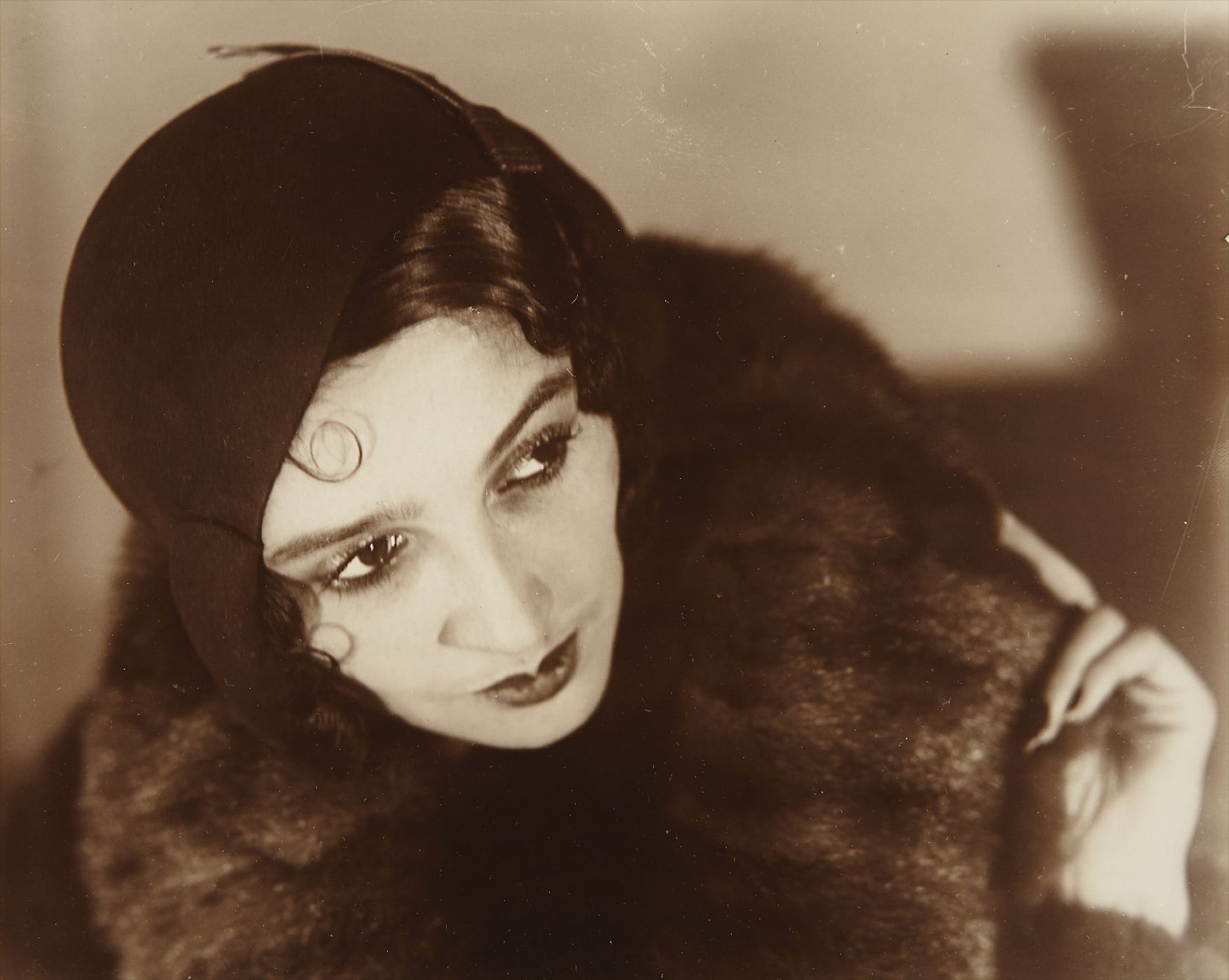
Renée Perle, Portrait in Black Hat and Fur, Paris
That MoMA exhibition changed everything, and it stands as one of the more generous corrective gestures in the history of photography. Jacques Henri Lartigue was born in Courbevoie, just outside Paris, on June 13, 1894, into a prosperous and thoroughly modern family. His father, Henri Lartigue, was a successful businessman with a passion for automobiles, aviation, and all the gleaming novelties of the Belle Époque. It was this father who placed a camera in young Jacques's hands around 1900, and the gesture proved to be among the more consequential acts of parental generosity in the annals of art history.
The household was animated by a spirit of energetic optimism: there were motorcars in the drive, aeroplanes in the fields nearby, and a large extended family whose weekends unfolded in a theater of leisure, sport, and fashionable sociability. Lartigue absorbed all of it through a lens before most children his age had learned to read with any fluency. What distinguished Lartigue from the beginning was not technical mastery but something far rarer: an instinctive understanding of time. He seemed to sense, long before the language existed to describe it, that photography was fundamentally the art of the decisive fraction of a second.
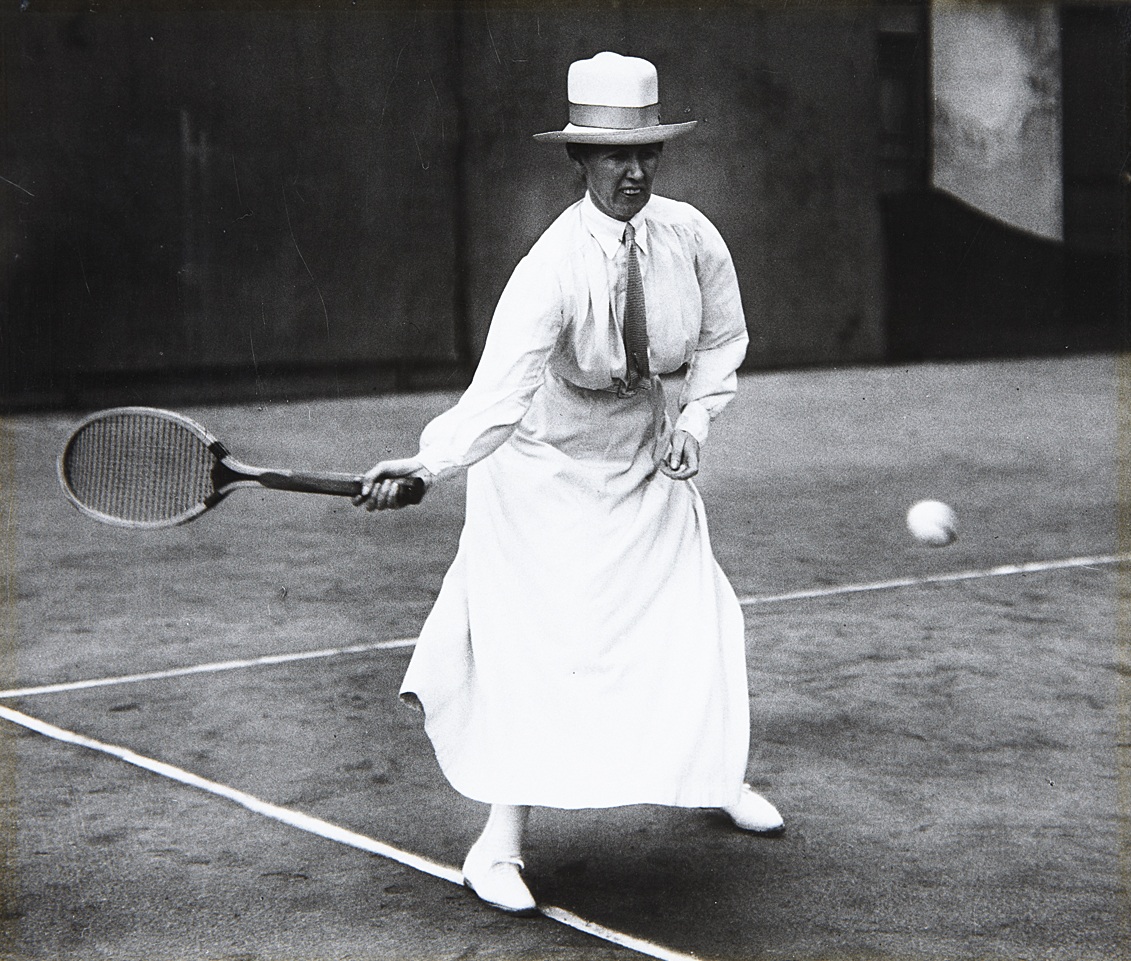
Jacques Henri Lartigue
circa 1910
His early images from the 1900s and 1910s show an almost preternatural feel for suspended motion, for the precise moment when a body in flight achieves maximum eloquence. The famous photograph of his cousin Zissou leaping from a staircase, taken around 1905, has the quality of a held breath. His images of racing cars at the Circuit de la Sarthe capture velocity through compositional tension rather than blur alone. These were not accidents.
“My diary in images is a trap to catch moving life.”
Jacques Henri Lartigue
They were the result of a child who had trained his eye so obsessively that instinct and intelligence had become indistinguishable. As Lartigue grew into adulthood, his subject matter expanded naturally with his world. He became a devoted chronicler of fashionable Paris, of the Bois de Boulogne promenades, of beach holidays at Biarritz and Deauville, and of the women who occupied his romantic life with particular intensity. His portraits of Renée Perle, the Bessarabian model who was his companion in the early 1930s, represent perhaps his most sustained and emotionally complex body of work.
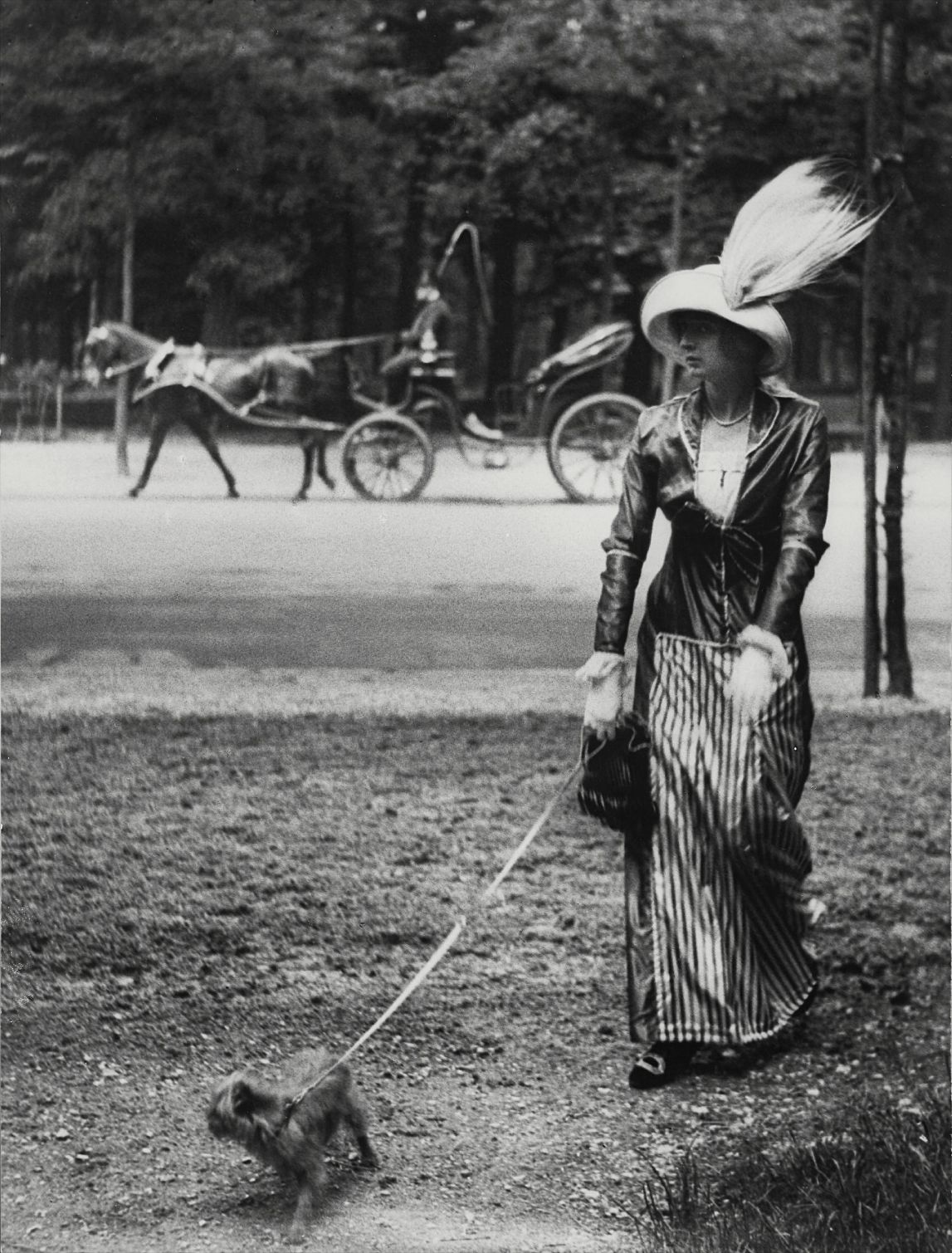
Jacques Henri Lartigue
Marie Lancret a well-known demi-mondaine who I found particularly seductive
The gelatin silver prints from this period, including the luminous portrait in a black hat and fur that now ranks among his most sought after images, show a photographer who had moved far beyond the exuberant family snapshots of his youth. These are images of desire rendered with great formal intelligence, and they carry an intimacy that feels earned rather than intruded upon. His portrait work from this era places him in productive conversation with the great French photographers of the interwar period. Lartigue also pursued a parallel career as a painter throughout his life, and while his canvases have never achieved the canonical status of his photographs, they reveal the same sensibility at work: a love of warm light, of leisure, of the human figure caught in moments of unselfconscious pleasure.
It is worth noting that for much of his adult life, Lartigue considered himself primarily a painter and treated photography as a secondary pursuit, a personal archive rather than a public art. This modesty, which reads now as almost bewildering given what he had produced, was entirely sincere. It took the sustained advocacy of figures like Szarkowski, and the enthusiastic reception of Life magazine's publication of his photographs in 1963, to persuade him that the world wanted to see what he had been quietly accumulating for six decades. For collectors, Lartigue's work occupies a position that combines genuine historical importance with unusual accessibility of spirit.
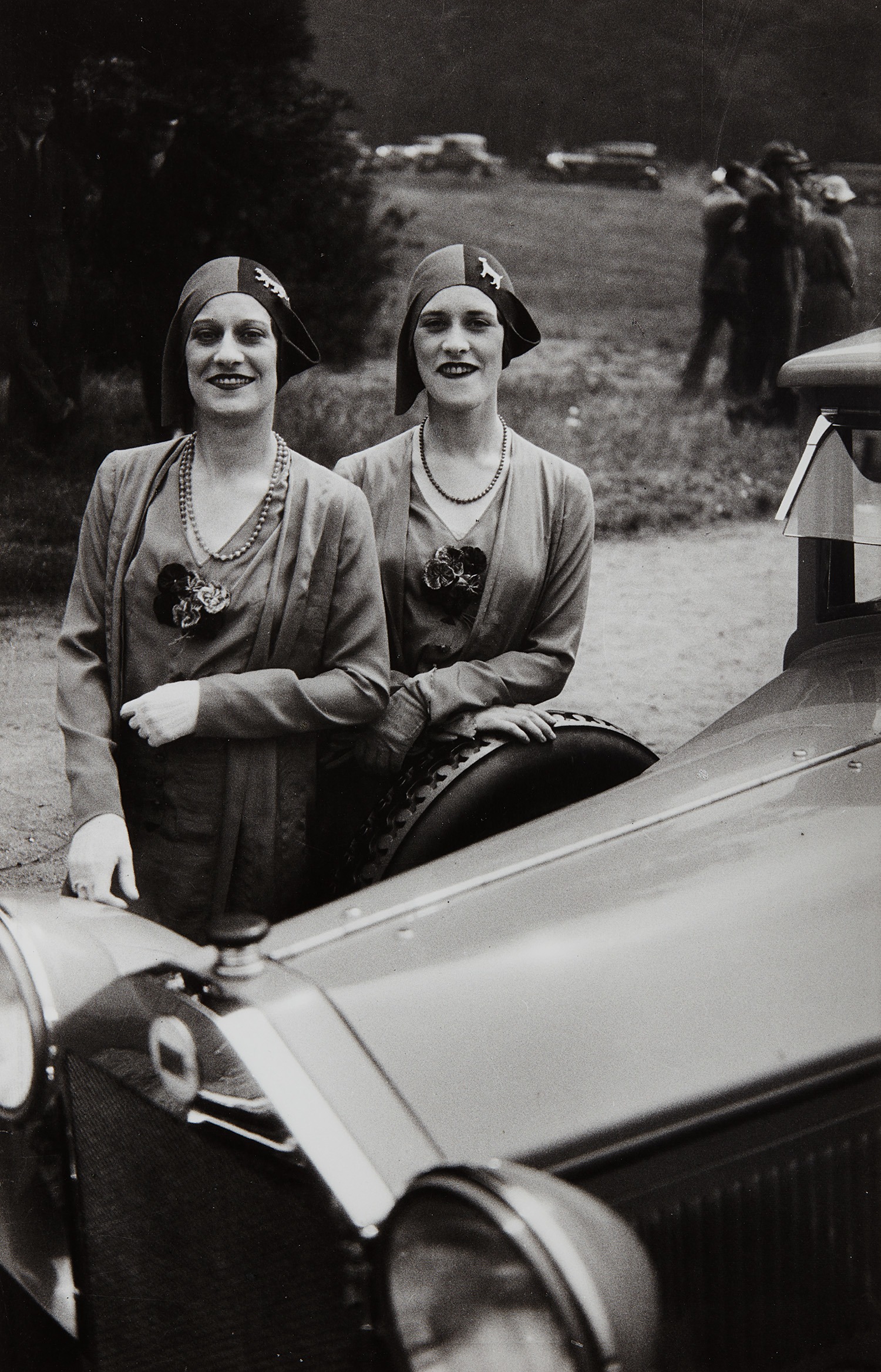
Jacques Henri Lartigue
The Famous Rowe Twins of the Casino de Paris
His prints, particularly the gelatin silver works produced from the 1920s through the 1960s, have performed consistently well at auction, with institutions and private collectors competing for examples in strong condition with clear provenance. Works touching on his most celebrated themes, the fashionable women of interwar Paris, the early motorsport and aviation images, and the Renée Perle portraits, command the most attention. The later printed editions of his early negatives carry their own appeal, offering collectors the chance to acquire images of extraordinary historical resonance in prints that were supervised and endorsed by the artist himself. Condition, print date, and the clarity of the image's relationship to his most iconic themes are the primary factors to weigh when considering acquisition.
In the broader context of photographic history, Lartigue belongs to a lineage that connects the spontaneous humanism of Henri Cartier Bresson, with whom he shares a profound affinity for the instinctive image, to the more personal documentary traditions of Édouard Boubat and Robert Doisneau. Like Cartier Bresson, he understood the geometry latent in chaotic moments. Like Doisneau, he had an enormous tenderness for ordinary life elevated by love and attention. Yet Lartigue is finally sui generis, a figure whose story, beginning at age six and unfolding across nearly a century, has no real parallel.
His archive, now held by the Association des Amis de Jacques Henri Lartigue and the French government, constitutes one of the most extraordinary personal documents of the twentieth century. What makes Lartigue matter today, in an era saturated with images and burdened by photographic anxiety, is precisely his uncomplicated faith in looking. He photographed because he was afraid of forgetting, because the world seemed to him so vivid and so fleeting that not to record it would have been a kind of negligence. The result is a body of work that reads, even now, as an act of sustained gratitude.
To acquire a Lartigue is not merely to own a significant photograph. It is to accept a gift: the vision of a man who spent his entire long life convinced that the present moment was worth everything.
Explore books about Jacques Henri Lartigue
Jacques Henri Lartigue: The Autobiography of the Master of Photojournalism
Jacques Henri Lartigue
Diary of a Century
Jacques Henri Lartigue
Jacques Henri Lartigue
John Szarkowski
The Last of the Grandes Dames
Jacques Henri Lartigue
Jacques Henri Lartigue: A Life
Pierre Borhan
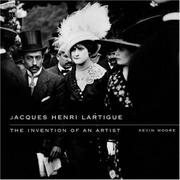
The Invention of an Artist
Pierre Borhan
Jacques Henri Lartigue: A Portfolio
Jacques Henri Lartigue
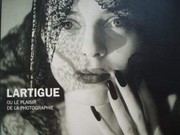
The Photography of Jacques Henri Lartigue
Quentin Bajac