Howard Hodgkin
Howard Hodgkin: Feeling Remembered in Color
Artist Spotlight · The Collection Editorial
“I am a representational painter, but not a painter of appearances. I paint representational pictures of emotional situations.”
Howard Hodgkin, interview with David Sylvester
There is a moment, standing before a Howard Hodgkin painting, when you understand something about memory that language cannot quite reach. That moment arrived most publicly in 1985, when Hodgkin became one of the first recipients of the Turner Prize, a recognition that felt less like a coronation than a long overdue acknowledgment of what many in the British art world already knew: that this singular painter had been doing something profound, patient, and entirely his own for decades. Today, with major holdings in the Tate collection, the Museum of Modern Art in New York, and the Metropolitan Museum of Art, Hodgkin's reputation has only deepened, and the market for his prints and paintings continues to attract collectors who understand that emotional intelligence in art is among the rarest things money can find. Howard Hodgkin was born in London in 1932 into a cultivated, intellectually curious family with deep roots in the arts and sciences.
Howard Hodgkin
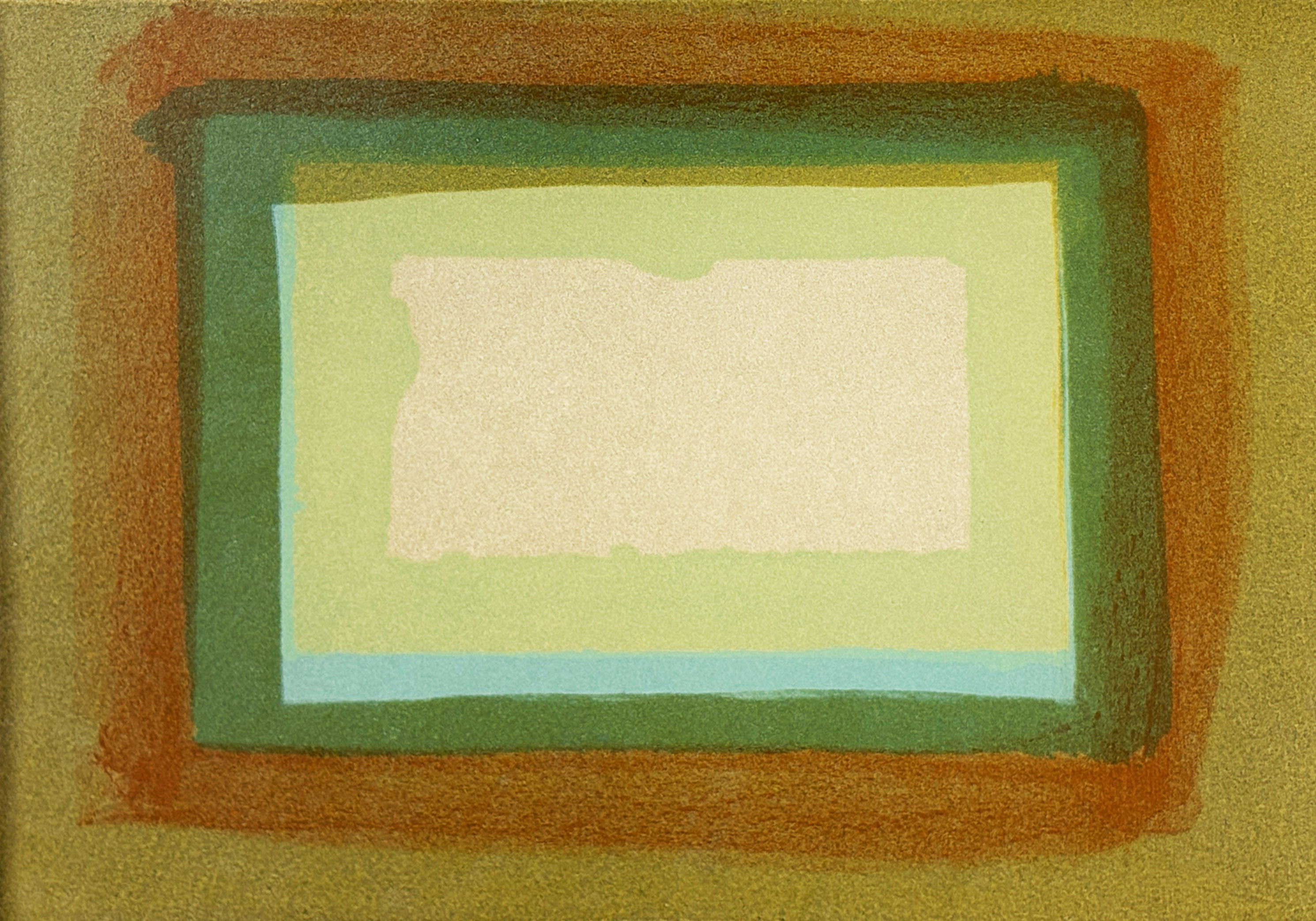
Shutter, from More Indian Views, 1976
Evacuated to the United States during the Second World War, the young Hodgkin encountered American art and culture at a formative age, an experience that left a permanent impression. He studied at the Camberwell School of Art and then at the Bath Academy of Art in Corsham, where he would later teach. These years of formation gave him both a rigorous grounding in art history and an early independence of spirit. He was drawn to the intimacy of Vuillard and Bonnard, to the decorative intensity of Indian miniature painting, and to the frank emotionalism of Matisse, none of which pointed toward the cool conceptualism that would dominate his generation.
Hodgkin's development as a painter was slow and deliberate in the best possible sense. Through the 1960s and into the 1970s, he built a body of work that was figurative in its origins but increasingly abstract in its resolution, as though the facts of a scene, a dinner party, a glance across a room, a view from a window, were being processed through feeling rather than observation. His palette grew bolder and his marks more gestural, but the work never lost its sense of specific occasion. Each painting, however abstract it appeared, was rooted in a real encounter, a real place, a real emotional exchange.
Howard Hodgkin
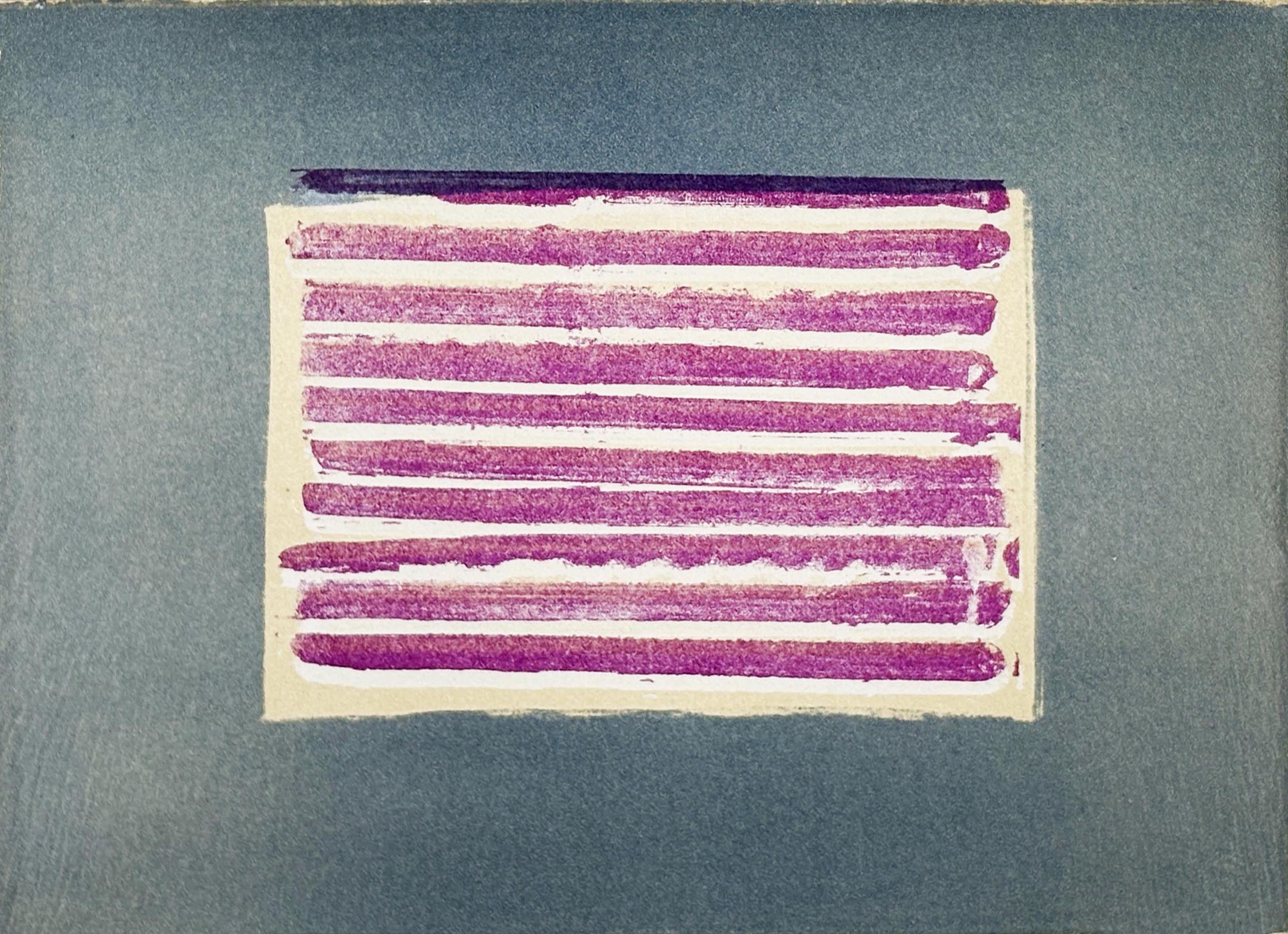
Palm, from More Indian Views, 1976
This dedication to lived experience as the raw material of painting set him apart from both the conceptualists and the pure abstractionists of his era. Perhaps the most distinctive formal innovation of Hodgkin's career was his treatment of the frame. Where other painters respected the boundary between image and support, Hodgkin obliterated it, allowing his brushstrokes to sweep across the frame itself, so that the painting seemed to overflow its own edges. This was not a decorative gesture but a philosophical one.
“Every picture is a picture of a feeling.”
Howard Hodgkin
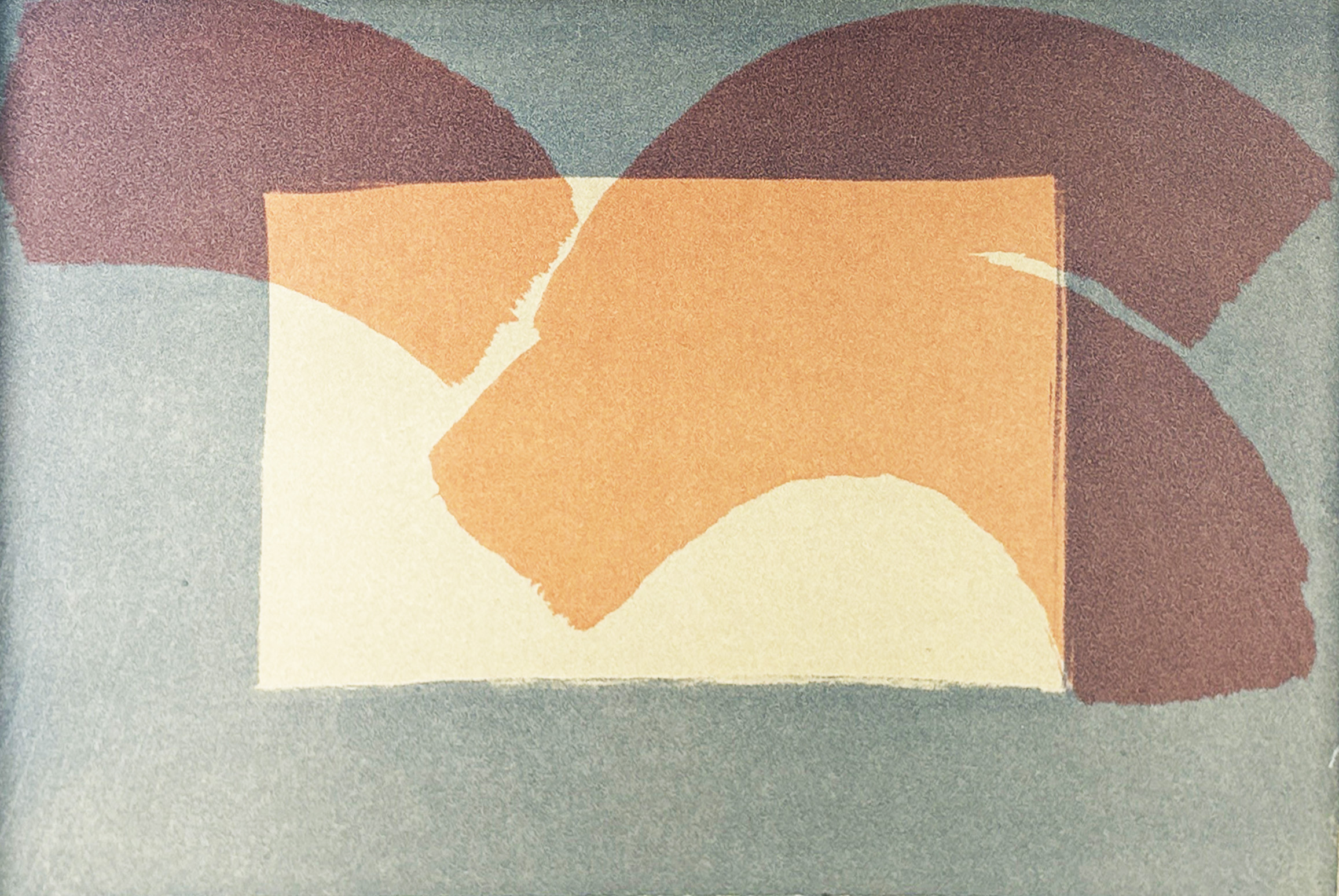
The frame became part of the memory, part of the emotional field the work inhabited. His prints reveal a parallel sensibility. Works such as the lithographs from the More Indian Views series of 1976, including Palm, Shutter, and Sky, demonstrate how deeply the forms and colors of the Indian subcontinent shaped his visual imagination. These prints, with their lush, weighted color and their sense of heat and atmosphere, are among the most collectible works on paper in postwar British art.
Howard Hodgkin
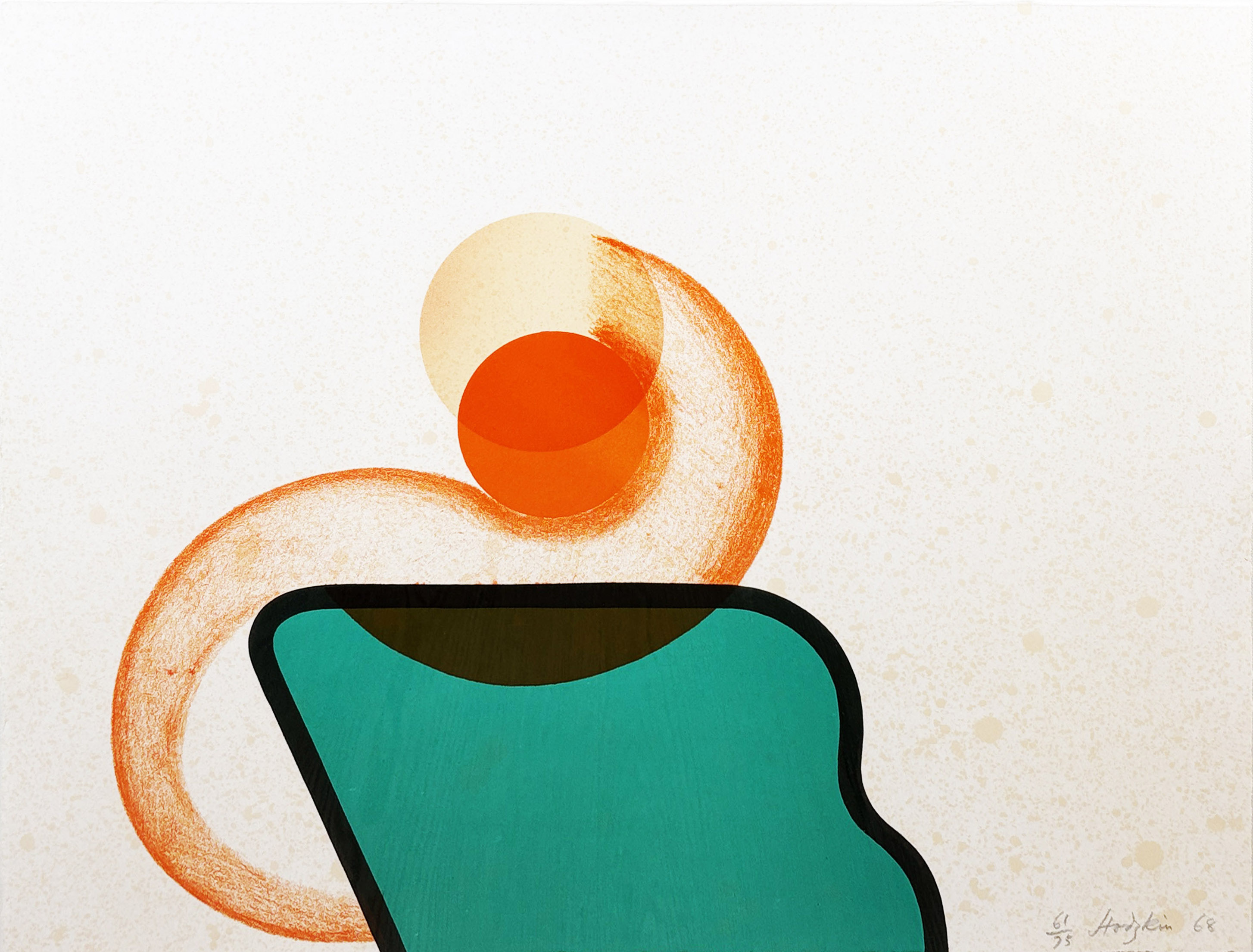
Bedroom, 1968
His 2016 screenprint Road to Rio, made late in his career, shows an artist still discovering new possibilities in color and light, still pushing toward something felt rather than described. The range of Hodgkin's printmaking practice is one of the revelations for collectors who come to his work through the secondary market. His collaborations with master printers, including his work with Jack Shirreff at the 107 Workshop, produced editions of extraordinary technical richness. After Degas, an intaglio print published by the Metropolitan Museum of Art, combines carborundum and hand coloring to achieve a surface that vibrates with warmth and depth.
His etchings with aquatint, including Summer and In a Public Garden, show how he used printmaking not as a reproductive medium but as an exploratory one, finding in the resistance of the plate and the grain of the paper new ways to speak about sensation and recollection. For Bernard Jacobson, one of his most celebrated print works, involved hand coloring, pochoir, and wax crayon on specially dyed paper, an almost painterly level of intervention that speaks to the seriousness with which Hodgkin approached every medium he worked in. In the context of art history, Hodgkin occupies a position that is genuinely unusual. He was claimed by no movement and served as a model for several.
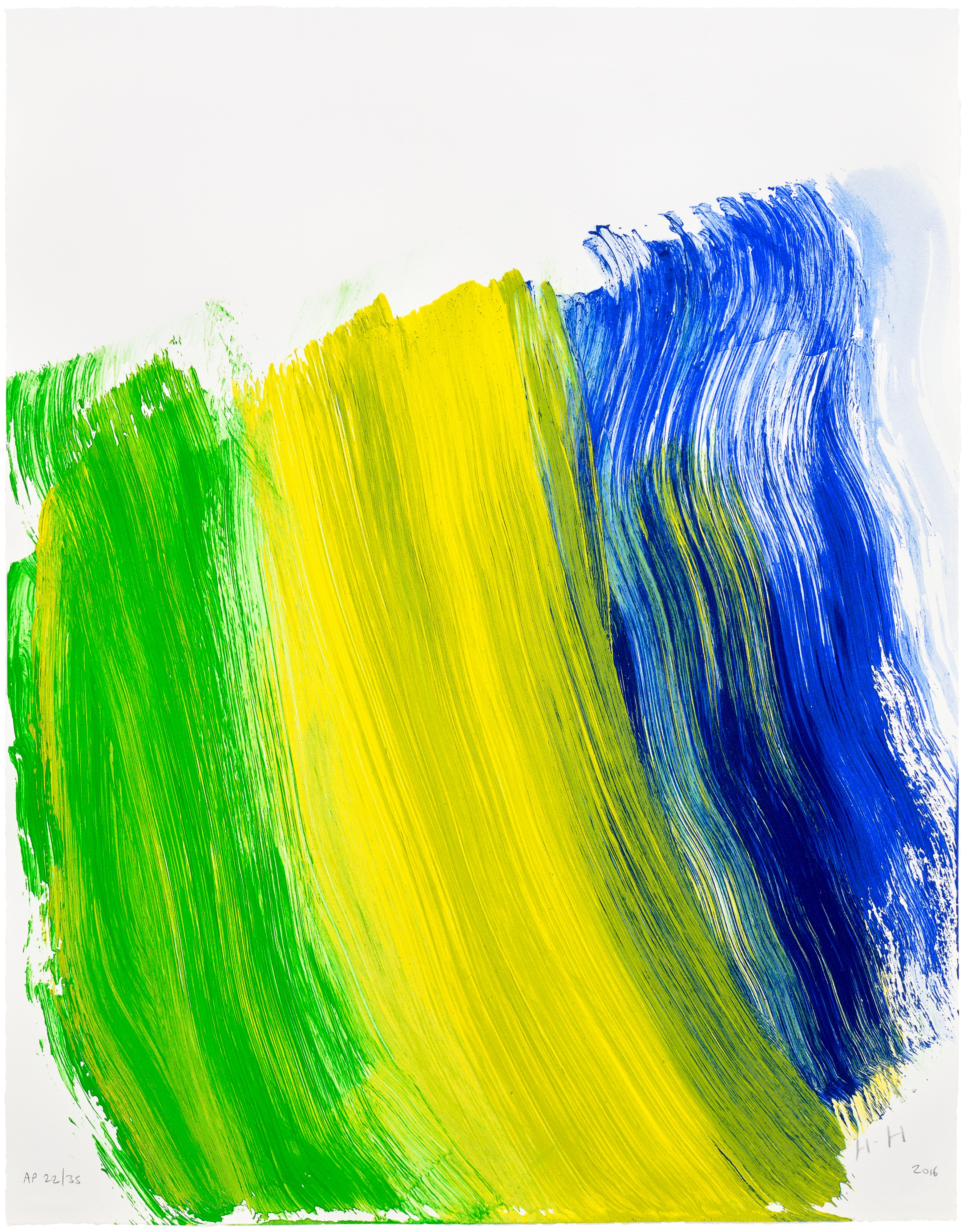
Howard Hodgkin
Road to Rio, 2016
The emotional directness of his work finds kinship with the intimism of the Nabis, the expressive color of Fauvism, and the sensory confidence of American Color Field painting, yet he is reducible to none of these. Collectors drawn to Cy Twombly's layered mark making, to the domestic warmth of Patrick Caulfield, or to the atmospheric surfaces of Frank Auerbach often find in Hodgkin a painter who speaks to similar instincts with a different accent. He represented Britain at the Venice Biennale, a further marker of his standing as one of the defining figures of postwar British painting, and his work has been exhibited at institutions including the Whitechapel Gallery, the Hayward Gallery, and the Kestner Gesellschaft in Hanover. Hodgkin died in London in March 2017, leaving behind a body of work that feels more necessary with each passing year.
In an era saturated with images and exhausted by irony, his insistence on painting as a vehicle for genuine feeling reads as both courageous and clarifying. His works do not explain themselves or position themselves within a theoretical framework. They simply ask you to feel what he felt, and they do so with a directness and a beauty that makes the asking irresistible. For collectors, his prints and paintings represent not only a sound aesthetic investment but something rarer: an opportunity to own a piece of emotional history, a record of a feeling so precisely captured that it remains alive decades after the moment that inspired it has passed.
Explore books about Howard Hodgkin
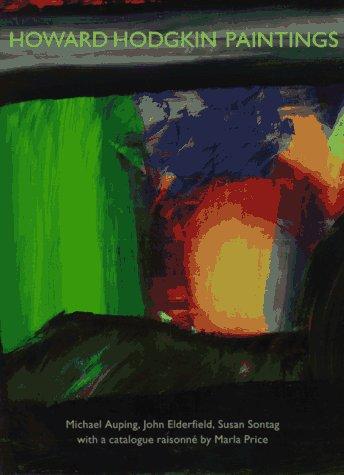
Howard Hodgkin: Paintings
Howard Hodgkin
Howard Hodgkin
Andrew Graham-Dixon
Howard Hodgkin: Paintings 1975-1995
Michael Auping
Howard Hodgkin: A Retrospective
Richard Morphet
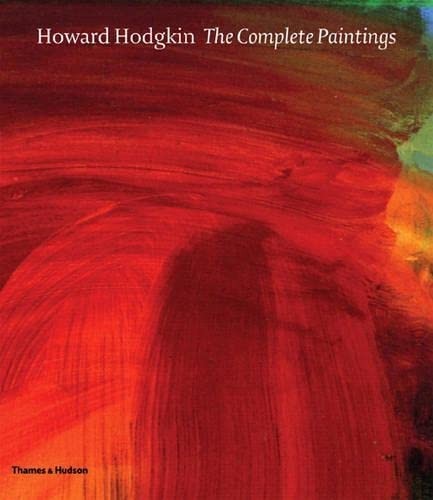
Howard Hodgkin: Recent Paintings
Various
Howard Hodgkin: The Indian Paintings
Paul Moorhouse
Howard Hodgkin: Hand Painted Prints
Giuliana Prato