Henry Taylor
Henry Taylor Paints the World He Loves
Artist Spotlight · The Collection Editorial
“I want people to feel something. I want them to think about what it means to be human.”
Henry Taylor, Whitney Museum interview, 2022
In the autumn of 2022, the Whitney Museum of American Art devoted its entire fourth floor to Henry Taylor, a painter who had spent decades quietly building one of the most emotionally alive bodies of work in contemporary American art. The survey, titled simply "B Side," was a revelation to many visitors who encountered his canvases for the first time, though for those who had followed him closely through his years showing with Blum and Poe in Los Angeles and later Hauser and Wirth internationally, it felt like long overdue recognition for an artist who had always been working at the highest level. The show drew enormous critical attention, confirmed his place in the permanent conversation about American figurative painting, and reminded the art world that the most honest pictures sometimes come from the most unhurried hands. Taylor was born in 1958 in Ventura, California, and his path to painting was neither straight nor conventional, which is perhaps exactly why his art carries such authentic weight.
Henry Taylor
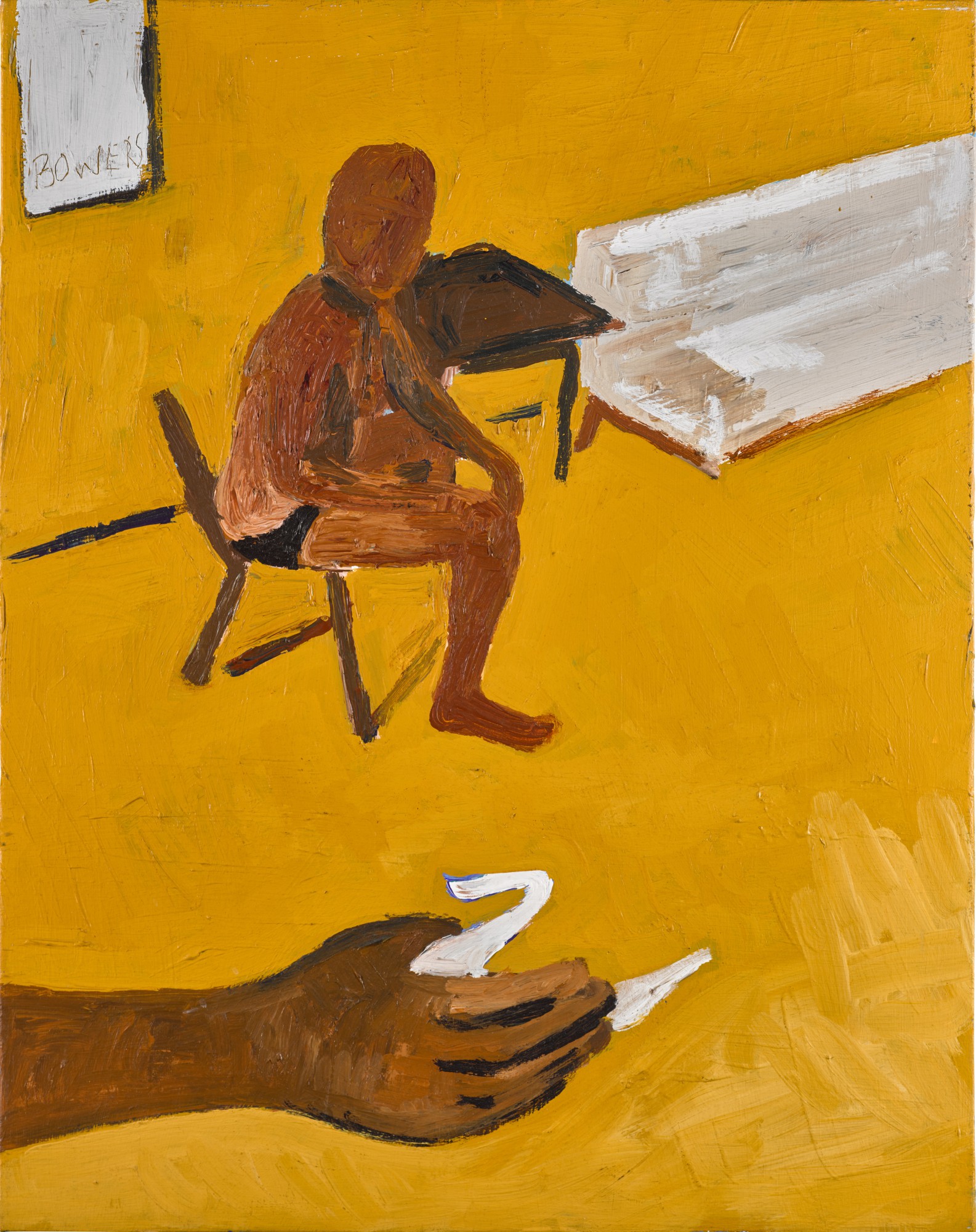
Untitled (Bowers), 2009
He worked for years as a psychiatric technician at Camarillo State Mental Hospital, an experience that shaped his extraordinary empathy and his ability to see the full complexity of another human being without flinching or sentimentalizing. He began studying art seriously at California Institute of the Arts in the 1990s, arriving later than many of his peers but with a reservoir of lived experience that most art school graduates simply do not have. That background gave him something rare: the patience to look, and the courage to paint what he actually saw. His artistic development has always resisted easy categorization, which is part of what makes him so compelling to serious collectors and curators alike.
Taylor's work draws freely from the tradition of American social realism, from the directness of artists like Alice Neel and Philip Guston, and from the improvisational energy associated with outsider art, though he is entirely trained and entirely in control of his choices. His brushwork is loose and gestural, sometimes hurried in appearance, but that quality of urgency is deliberate and expressive rather than careless. Over the years his palette has grown more adventurous, his compositions more ambitious, and his willingness to work at monumental scale has allowed his subjects to assert themselves with a physical presence that smaller canvases simply could not accommodate. Taylor's portraits are the beating heart of his practice.
Henry Taylor
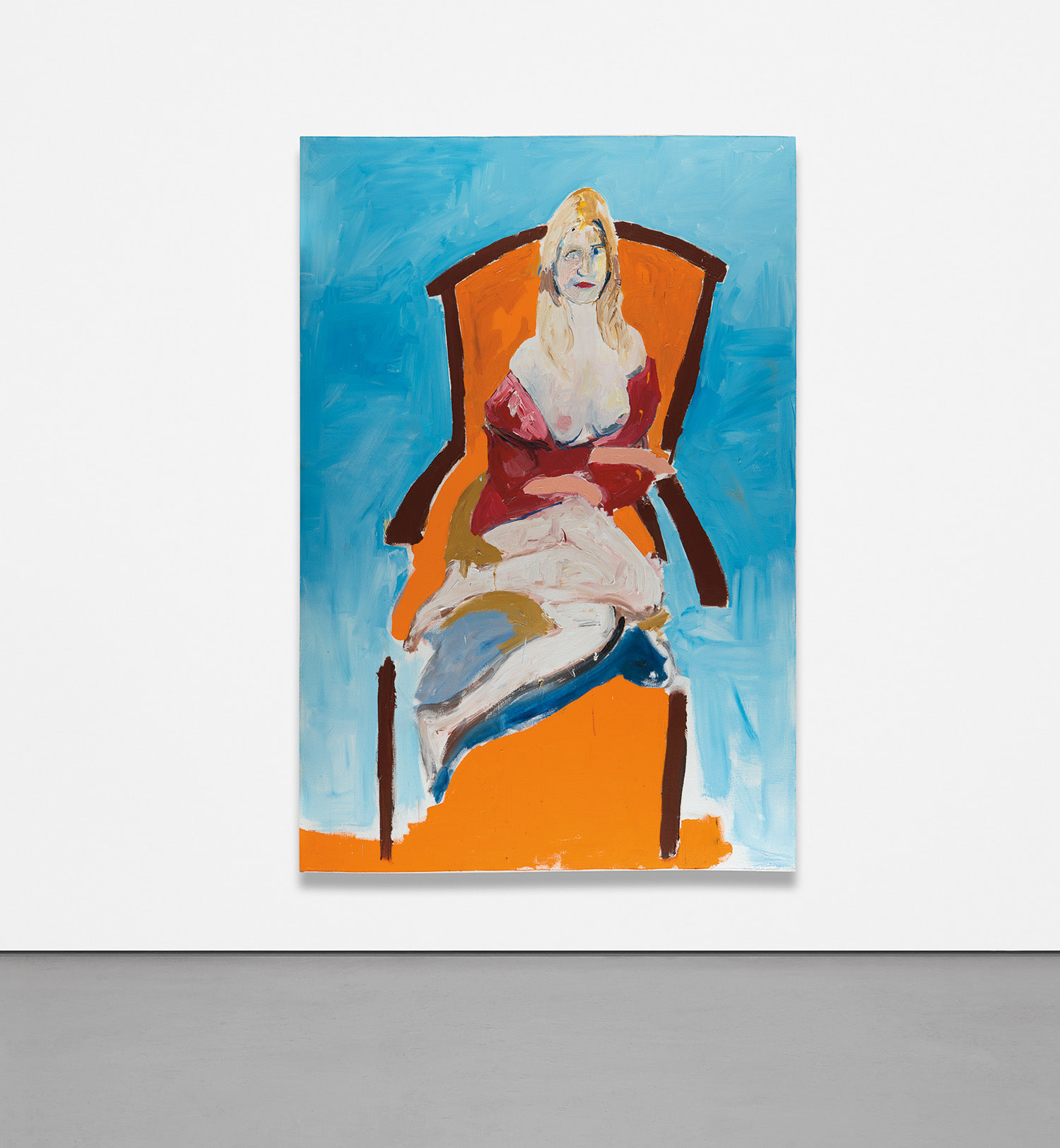
Her Name is Elle M, 2012
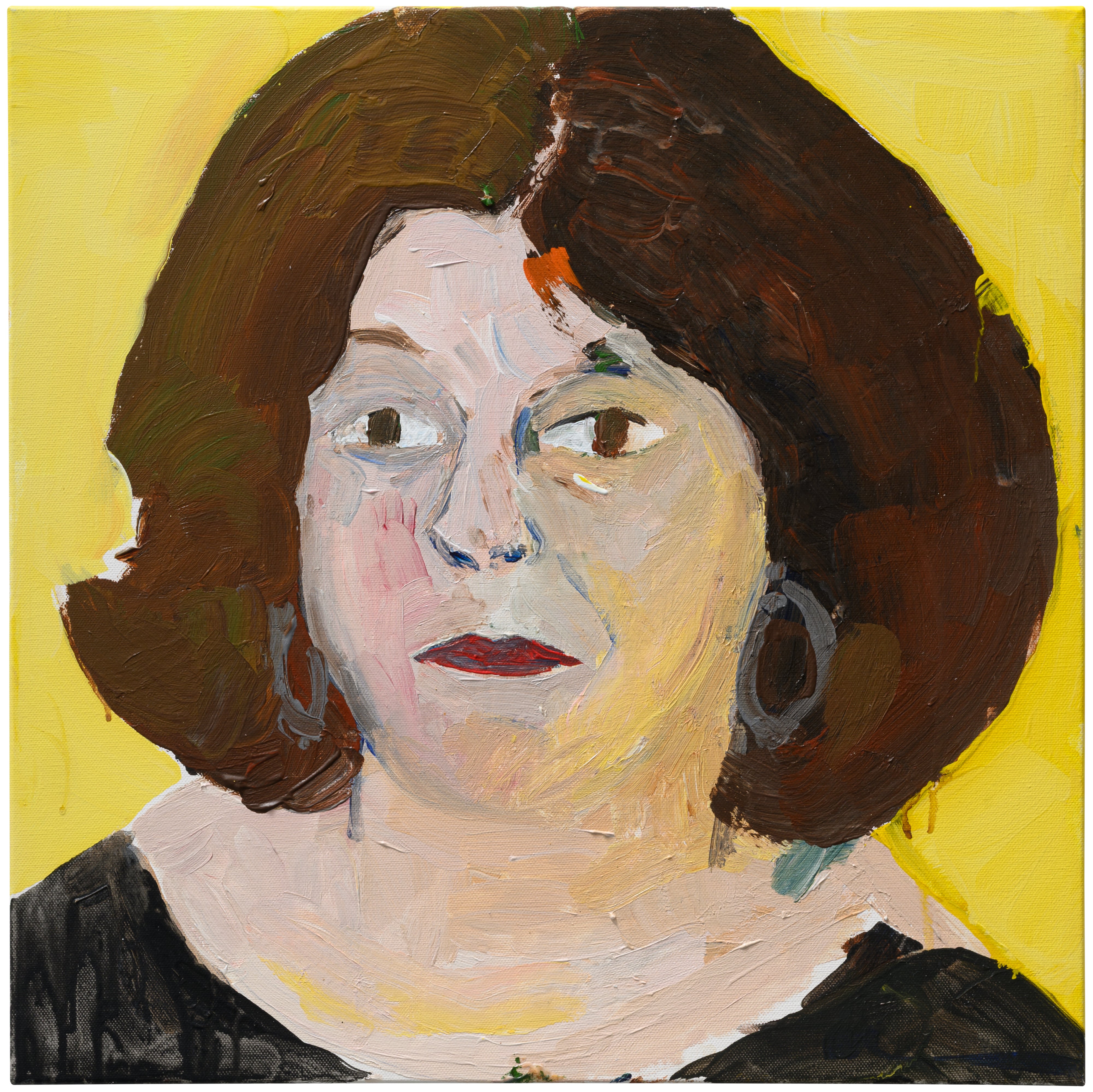
He paints friends, family members, neighbors, community figures, historical icons, and victims of racial injustice with equal care and equal dignity. Works like "Untitled (Bowers)" from 2009 and "Her Name is Elle M" from 2012 demonstrate his gift for capturing a subject at a moment of psychological fullness, where the paint itself seems to vibrate with the life of the person depicted. "From Congo to the Capital, and black again" from 2007, a work combining acrylic and collage on wood panel, shows his willingness to bring history and politics directly into the picture plane without turning his canvases into didactic statements. The titles he gives his works are themselves a kind of intimate journalism, often casual and specific in ways that feel more like a text message from a friend than a museum label, and that informality is deeply intentional.
Among the works that have attracted the most sustained attention from collectors is "Dakar, Senegal 3" from 2019, which reflects his engagement with the African diaspora and the broader geography of Black identity. His painting of Bruce Sudaro, with its wonderfully offhand parenthetical notation that Sudaro was Donna Summer's husband, exemplifies Taylor's habit of embedding personal history and popular culture into portraiture in ways that feel genuinely warm rather than ironic. "The Frances Stark" from 2016 and "Peter Eleey" from 2012 show his interest in documenting the art world community around him, fellow artists and curators rendered with the same frank affection he extends to family members. Together, these works form a living archive of relationships and moments that adds up to something far larger than portraiture alone.
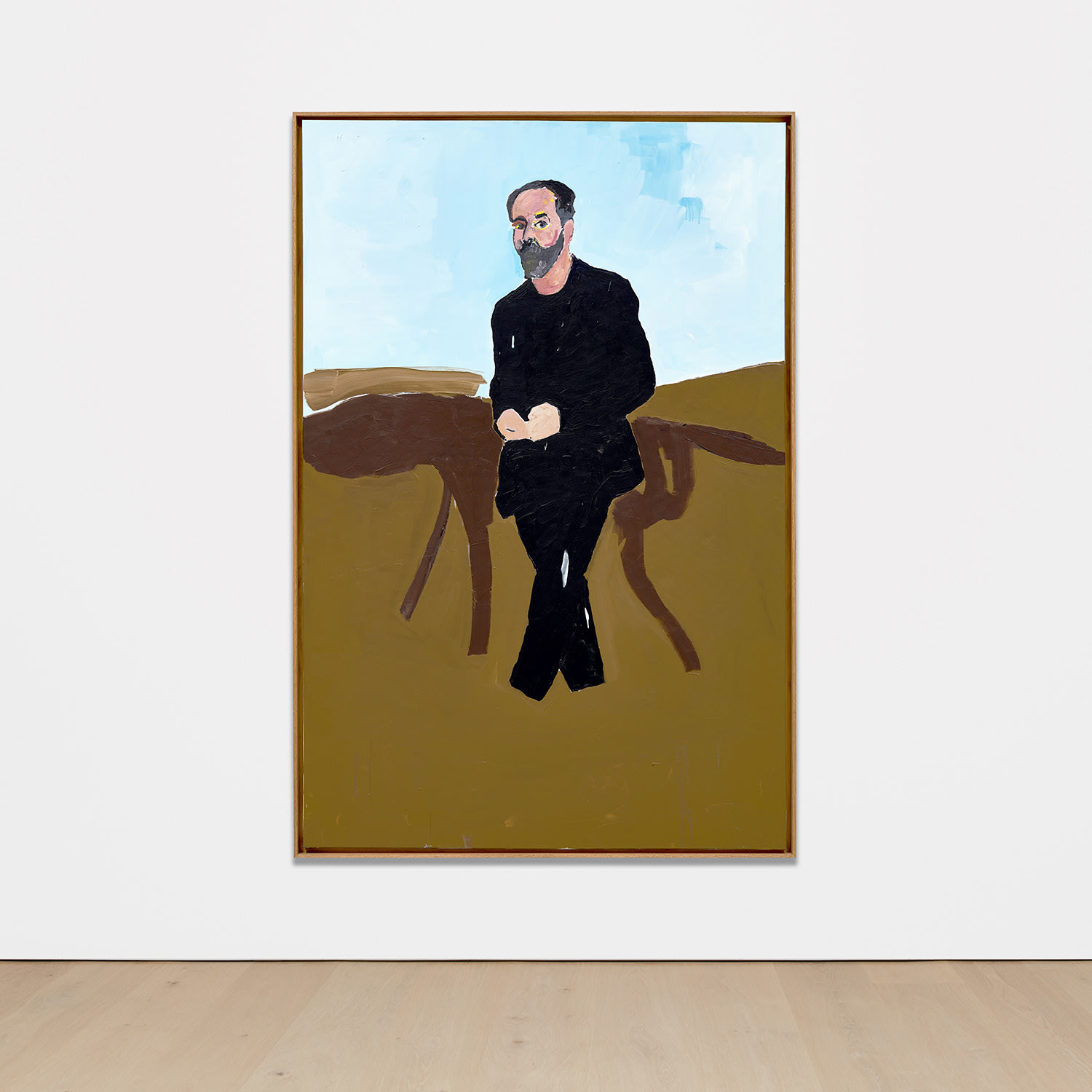
Henry Taylor
Bruce Sudaro ( he was Donna summers husband ), 2015
From a collecting perspective, Taylor represents one of the most significant opportunities in the current market for contemporary American painting. His work is held by major institutions including the Los Angeles County Museum of Art and the Museum of Modern Art in New York, which sets a powerful precedent for long term value and cultural importance. The Whitney retrospective accelerated already strong institutional and private demand, and works on canvas from his mature period, particularly those from the mid 2000s onward, command serious prices at auction and through his galleries. Collectors are advised to look for works where his characteristic layering of paint and directness of gaze combine with a strong sense of narrative context, qualities that distinguish his most powerful pictures from his more occasional pieces.
His use of acrylic on canvas as a primary medium gives his works a particular vibrancy that reproduces well in photographs but is genuinely more alive in person. Within the broader history of American figurative painting, Taylor occupies a position that invites comparison to several key forebears and contemporaries. Like Alice Neel, he elevates the ordinary portrait to an act of social witness. Like Jean Michel Basquiat, he brings an urgency and rawness to the canvas that refuses to be domesticated by institutional contexts.
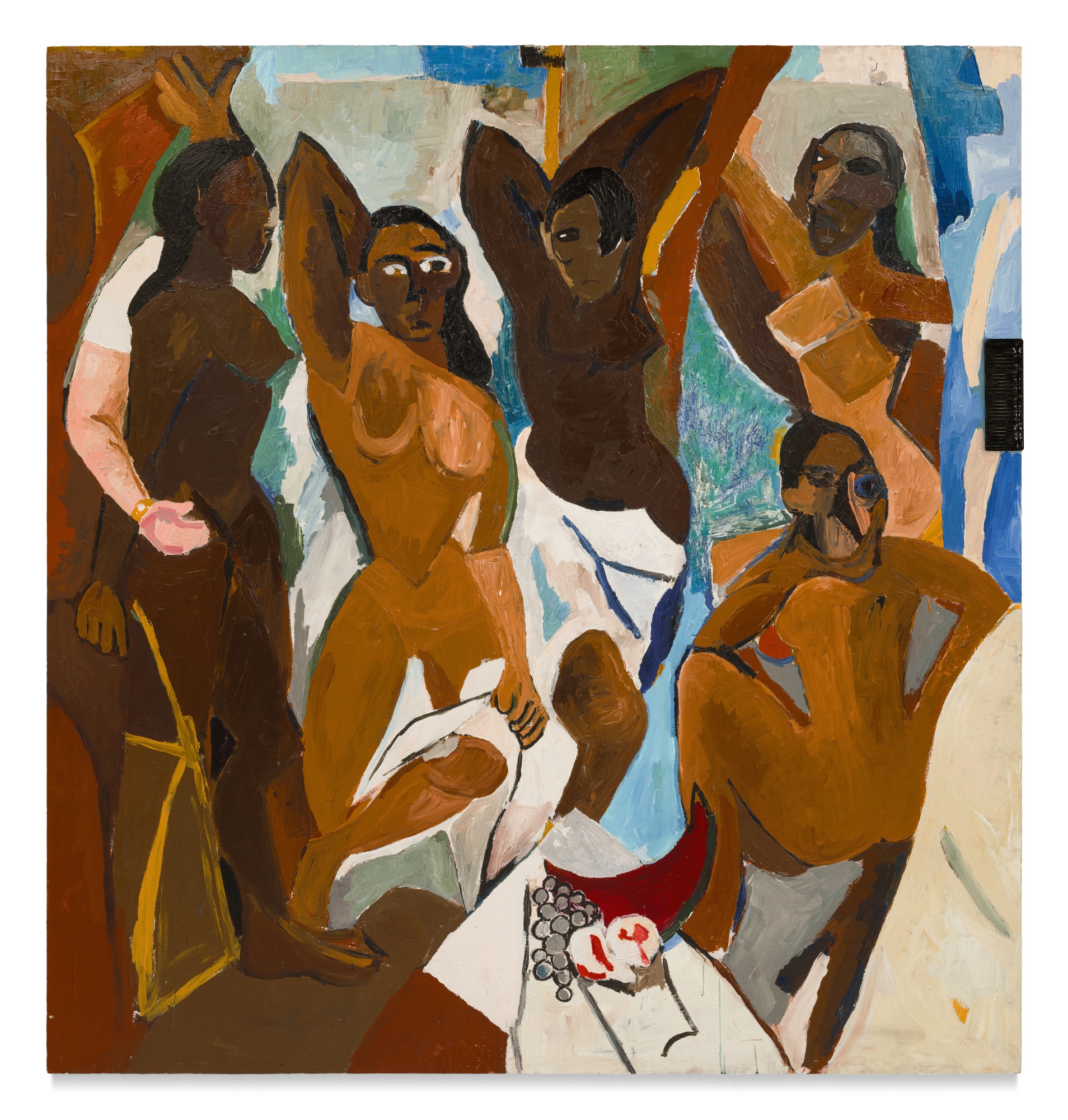
Henry Taylor
From Congo to the Capital, and black again, 2007
His work resonates strongly alongside that of Kerry James Marshall, Jordan Casteel, and Lynette Yiadom Boakye, artists who have collectively redefined what figurative painting can say about Black life and experience in the twenty first century. Yet Taylor's voice remains distinctly his own, shaped by Ventura and Camarillo and CalArts and the streets of Los Angeles in ways that cannot be replicated. What Taylor offers, in the end, is a kind of radical generosity. He paints the people around him as though every life he encounters deserves to be remembered, and his canvases make good on that promise with a warmth and honesty that is increasingly rare in contemporary art.
The Whitney survey cemented a legacy that his most devoted collectors have understood for years: that Henry Taylor is one of the essential American painters of his generation, a chronicler of Black life whose work will only grow in importance as time passes and the full arc of his achievement becomes clearer. To live with a Taylor painting is to live with a sustained act of human attention, and that is among the most valuable things art can offer.
Explore books about Henry Taylor