Henni Alftan
Henni Alftan Finds Beauty in the Everyday
Artist Spotlight · The Collection Editorial
Something quietly extraordinary has been happening in contemporary painting, and Henni Alftan sits at its center. The Finnish born, Paris based artist has spent the better part of two decades building a body of work that feels both timeless and urgently of the moment, and international audiences have taken notice. Her recent exhibitions with Karma, the acclaimed New York and Los Angeles gallery that represents her, have drawn sustained critical attention from publications including Artforum and The New York Times, with reviewers reaching for words like hypnotic, luminous, and strangely moving. In a period when painting is once again a subject of serious global conversation, Alftan's canvases arrive as quiet proof that figurative art still holds profound reserves of feeling.
Henni Alftan
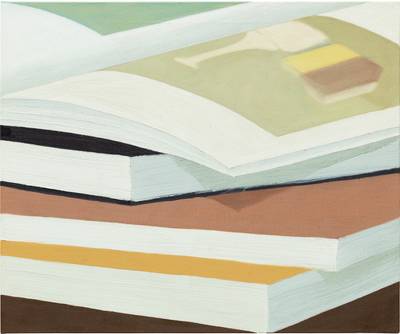
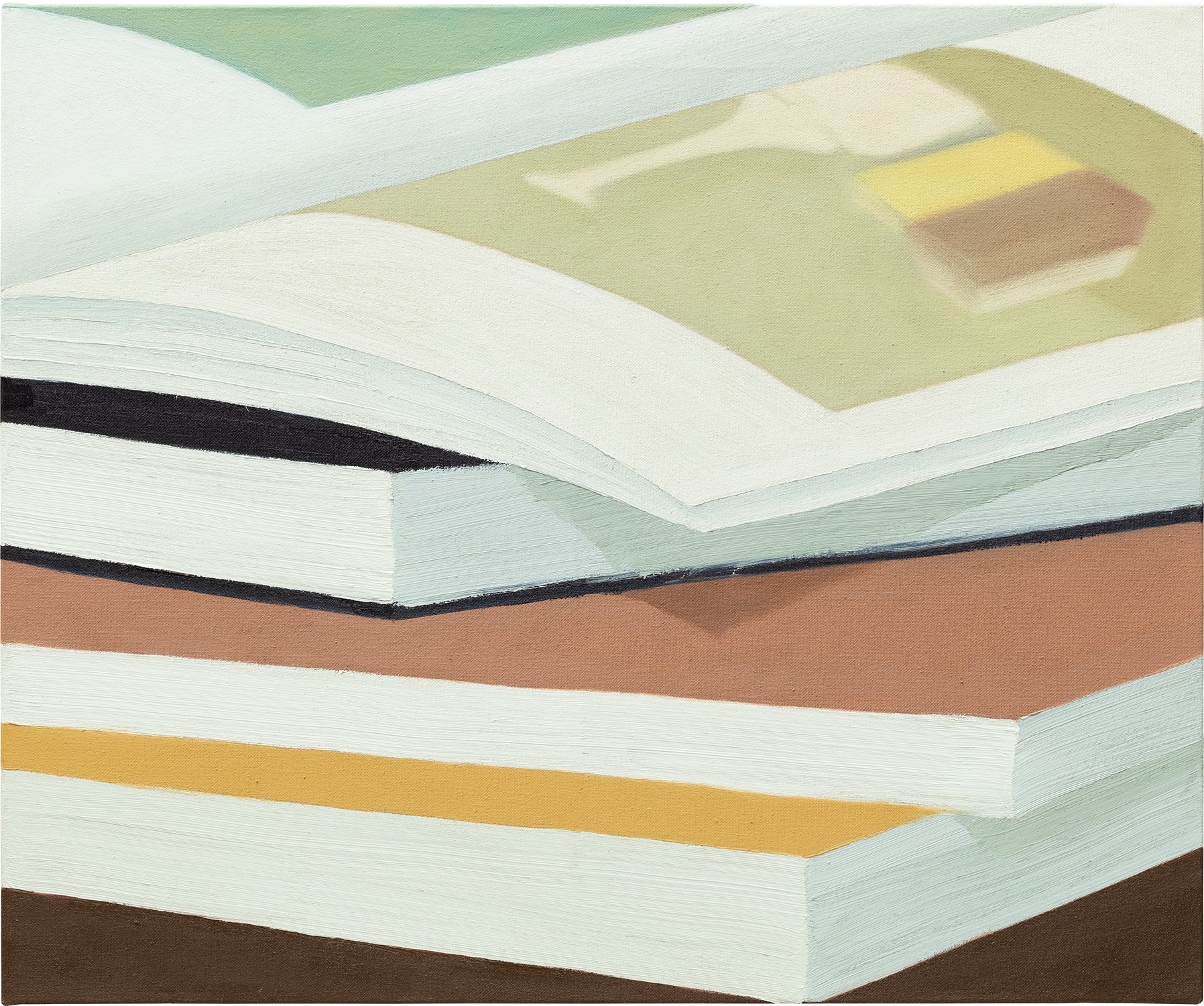
Library III, 2017
Alftan was born in Finland in 1979, and her Nordic roots feel quietly present in her work even after years of life in France. There is something in the quality of her light, cool and precise without being cold, that speaks to northern European sensibility, a tradition of domestic interiority that runs from Hammershøi through the Finnish modernists and into the contemporary moment. She relocated to Paris, a city that has shaped generations of painters through the friction between its grand institutional heritage and its restless contemporary scene. Studying and working within that environment gave Alftan access to both the rigorous formal traditions of European painting and the conceptual freedom of a city that never stops questioning what art can be.
Her artistic development has been marked by a sustained commitment to a very particular set of concerns. Rather than chasing the dramatic gesture or the grand historical subject, Alftan turned her attention to the overlooked fabric of daily life, the moment someone tilts a book toward window light, the way a sleeve falls across a wrist, the geometry made by curtains parting slightly over a street below. Over time, her approach became increasingly refined and increasingly confident. She developed a signature method of cropping her compositions in ways that feel cinematic without being theatrical, as though the viewer has arrived a fraction of a second before or after the decisive moment, left to complete the scene using imagination and instinct.
Henni Alftan
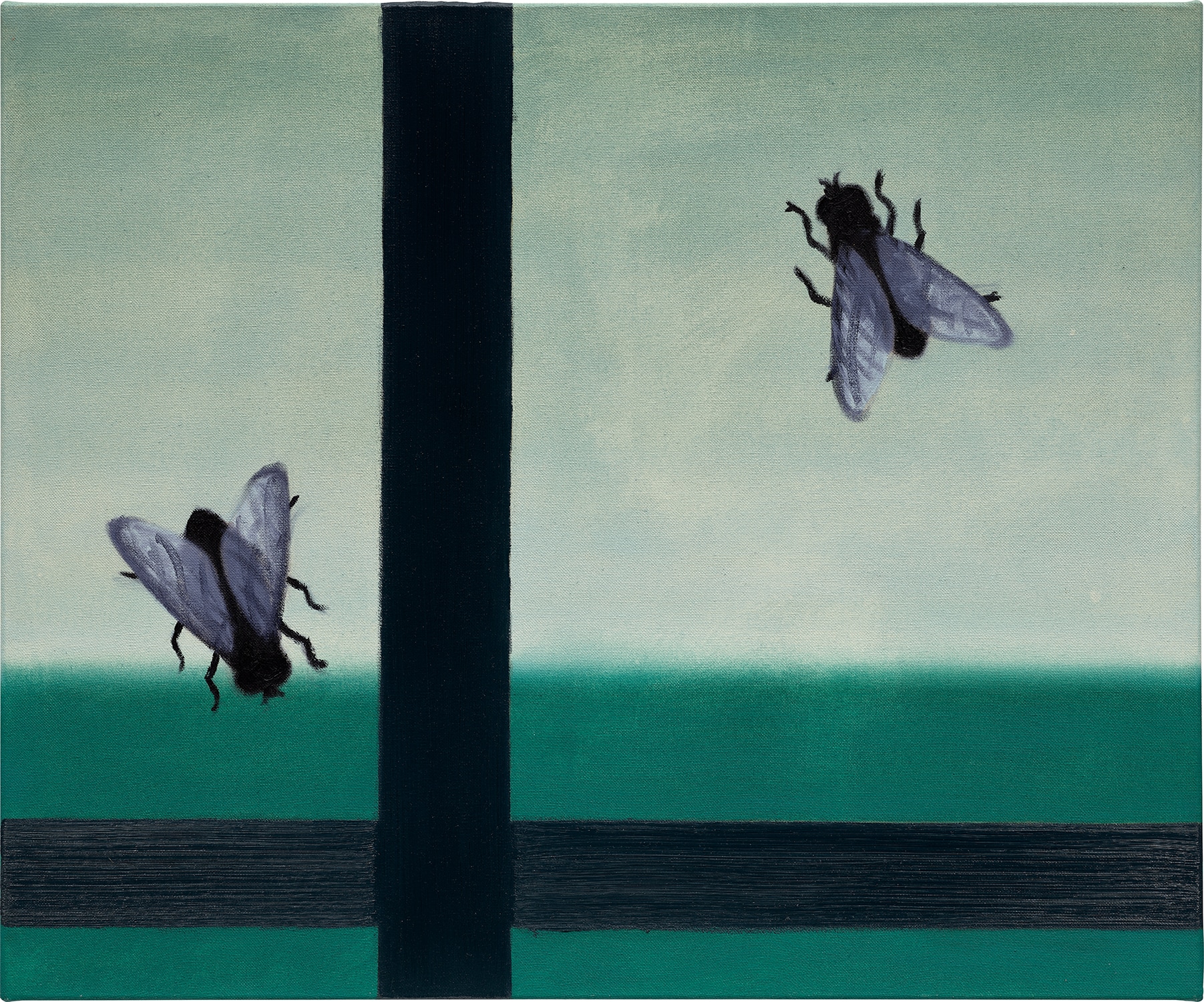
Flies, 2021
What makes Alftan's formal language so distinctive is the tension she creates between flatness and depth. Her canvases are painted with a controlled, almost velvety touch, and she uses perspective in ways that subtly disorient, compressing space so that figures and objects feel simultaneously near and remote. The palette she favors is muted but never dull, drawing on dusty pinks, soft ochres, slate blues, and warm greys that seem lit from within rather than illuminated from without. This luminosity is not accidental.
It is the result of careful layering and an acute sensitivity to how oil paint behaves when given time to breathe. The figures in her paintings are almost always anonymous, their faces turned away or cropped from view, which paradoxically intensifies rather than diminishes the emotional charge. The viewer is invited into a state of imaginative participation that feels unusually generous. Among her most celebrated works, Library III from 2017 stands as a quietly perfect example of everything that makes her practice so compelling.
Henni Alftan
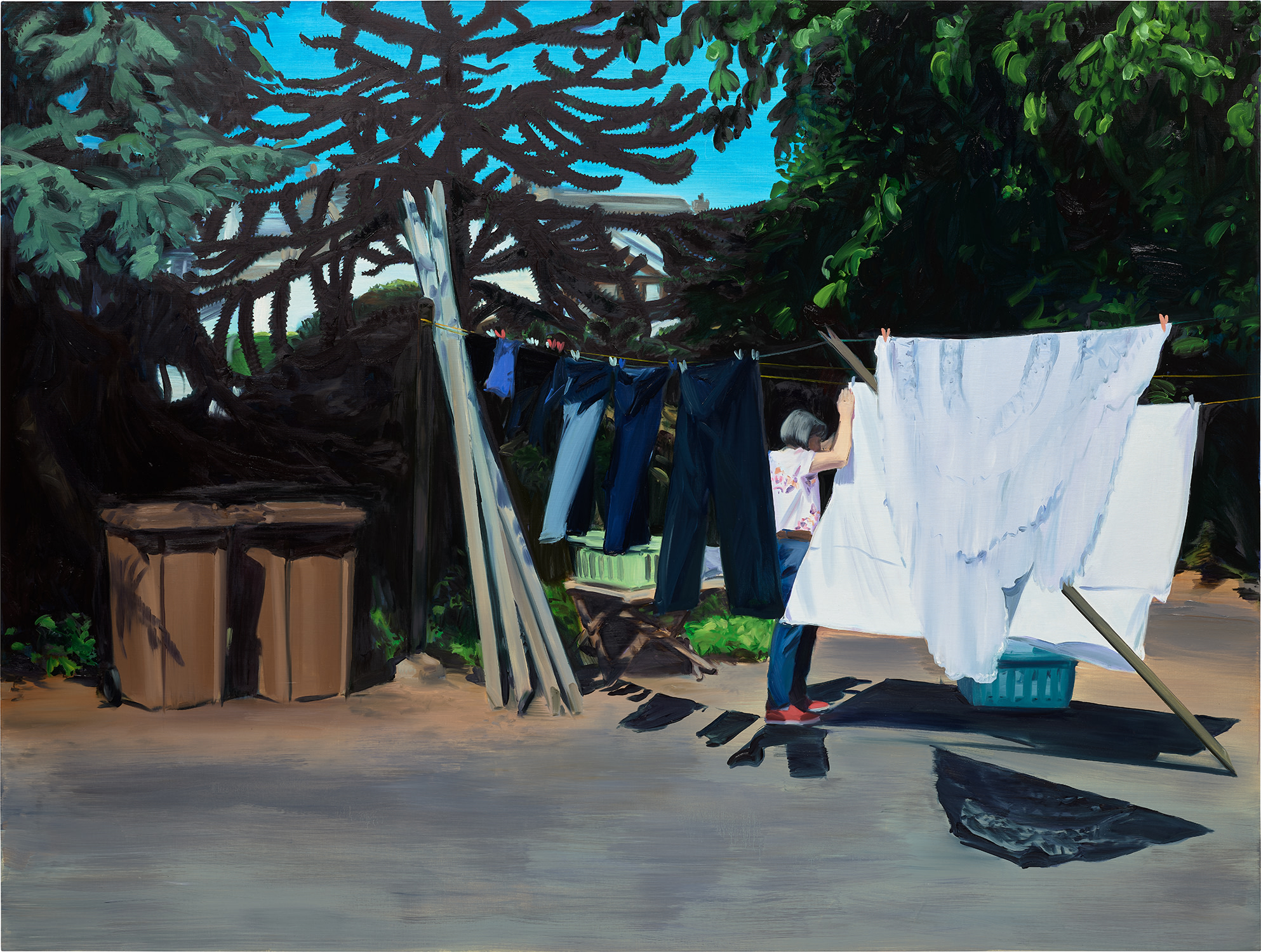
Still Water, 2017
An interior scene rendered with her characteristic stillness, it captures a figure among books in a way that feels both entirely specific and deeply universal, the particular light of a particular afternoon transformed into something approaching the eternal. Still Water, also from 2017, demonstrates her remarkable ability to make a surface an emotional event, the image hovering between reflection and absorption. Flies from 2021 and X from 2020 show the natural evolution of her practice into more conceptually charged territory, with compositional decisions that feel increasingly bold and formally assured. Taken together, these works trace the arc of an artist who has never stopped asking harder questions of herself.
From a collecting perspective, Alftan represents precisely the kind of opportunity that serious collectors recognize as genuinely rare. Her market has grown steadily rather than explosively, reflecting the depth and integrity of her practice rather than the short cycles of speculative enthusiasm. Works acquired in the earlier years of her career through Karma have appreciated meaningfully, and demand continues to build among a discerning international collector base that includes major institutional buyers alongside private collections in Europe, North America, and Asia. What collectors consistently report is that her paintings reward long acquaintance, that living with a Alftan canvas is a different and deeper experience than encountering it in a gallery context.
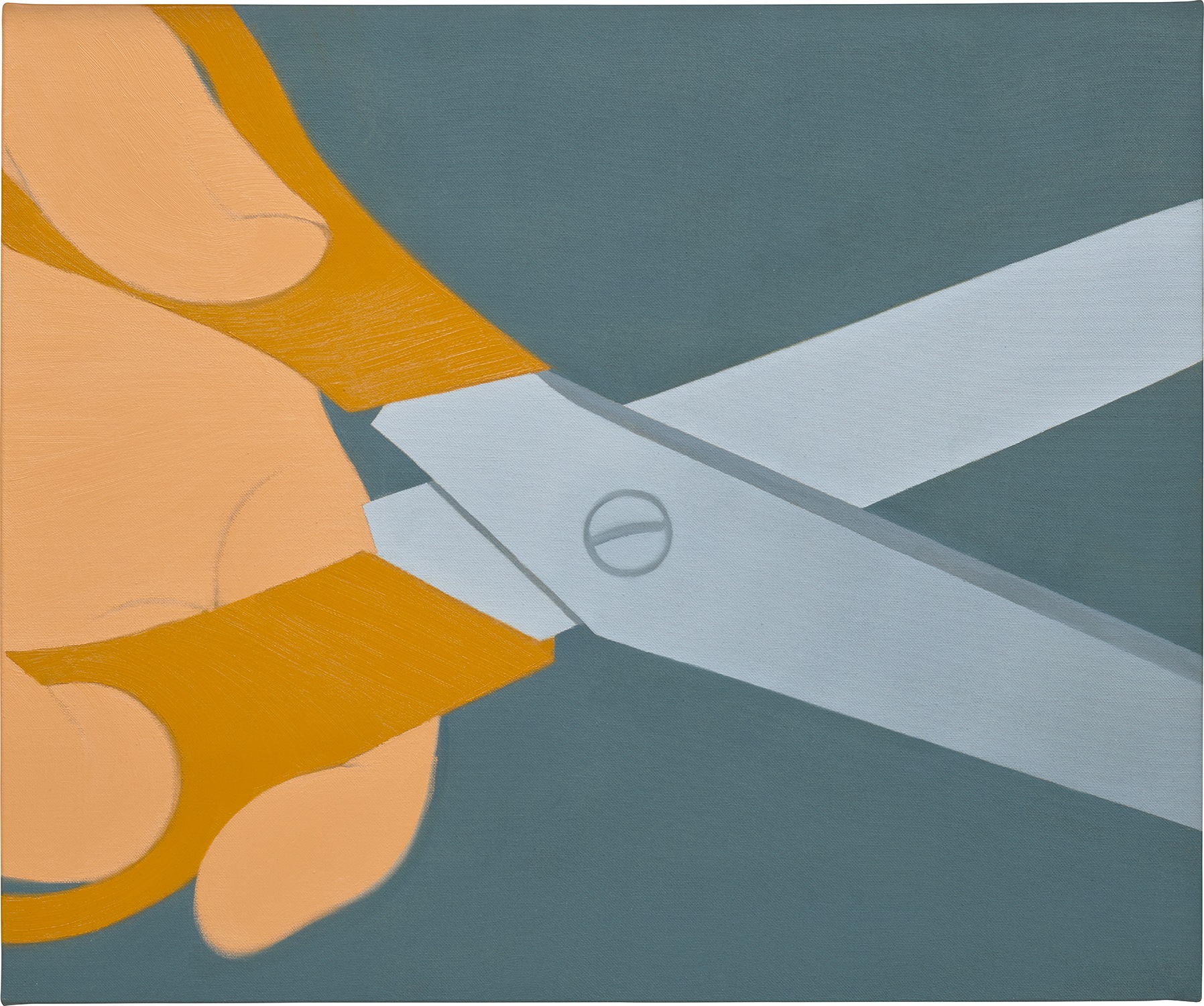
Henni Alftan
X, 2020
This quality of sustained revelation is among the surest marks of lasting artistic importance. Alftan belongs to a generation of painters who have renewed figurative art by refusing its conventional pieties. Her work invites comparison with artists such as Luc Tuymans, whose similarly muted palettes and psychologically charged domestic scenes have defined an important strand of contemporary European painting, and with Erica Baum, who shares Alftan's fascination with reading, language, and the way text inhabits physical space. There are also resonances with the legacy of Vilhelm Hammershøi, whose hushed Copenhagen interiors established a visual language of domestic mystery that continues to echo through painting today.
Yet Alftan is unmistakably her own painter, and locating her within these lineages only sharpens the sense of what is singular about her vision. The question of why Alftan matters today feels almost self answering when you spend time with her paintings. In an era of saturation, of imagery produced and consumed at a speed that precludes genuine attention, she insists on slowness, on the kind of looking that requires patience and rewards it extravagantly. Her work reminds us that the everyday is not the mundane, that the moments we move through without noticing are in fact the texture of a life, and that painting remains one of the most powerful instruments we have for making that visible.
Collectors who bring her work into their lives are not simply acquiring objects of beauty, though they are certainly doing that. They are choosing to participate in an ongoing act of attention, which is, in the end, what the best art has always asked of us.