Heidi Hahn
Heidi Hahn Paints the Interior Life Beautifully
Artist Spotlight · The Collection Editorial
Something is happening in the world of intimate figurative painting, and Heidi Hahn is at the center of it. Over the past several years, her canvases have moved through gallery spaces with a quality that is difficult to name but impossible to ignore: a flickering psychological presence, as though the figures she renders are on the verge of speaking, or perhaps have just finished. Her exhibitions at Victori+Mo in New York have drawn serious attention from collectors and curators alike, and the sustained appetite for her work reflects a broader cultural hunger for painting that takes emotional interiority as its primary subject. Hahn is not chasing trends.
Heidi Hahn
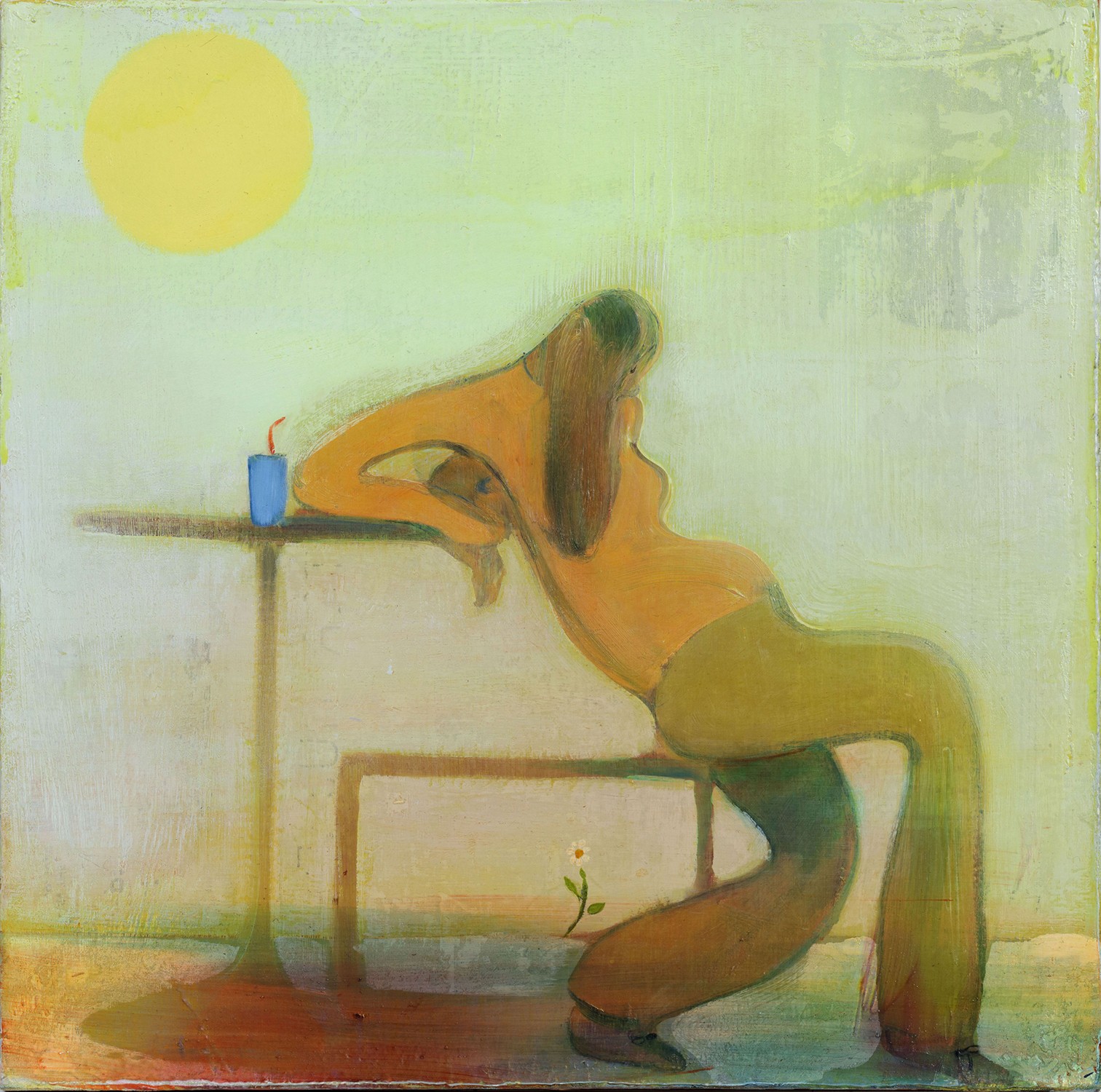
The Point of Nothingness and Caring is Besides That #1, 2018
She is doing something more patient and more lasting. Born in 1981, Hahn is an American painter whose formation as an artist came through a rigorous engagement with the history of figurative painting alongside a genuine curiosity about what paint itself can do when it is trusted rather than controlled. Her early development drew her toward the gestural traditions of twentieth century painting, where a loose, searching brushstroke can carry as much meaning as a precisely rendered face. She absorbed the lessons of painters who understood that incompleteness is not a failure of technique but a form of honesty, a way of admitting that consciousness itself is never fully resolved.
This intellectual and material foundation became the bedrock of a practice that has only grown more assured with time. Hahn's work entered a distinctive phase around 2016 and 2017, when she began producing canvases that placed solitary figures in spaces that resist easy description. These are not domestic interiors in any conventional sense, nor are they abstract voids. They occupy a territory somewhere between the two, environments that feel emotionally legible even when they are visually ambiguous.
Heidi Hahn
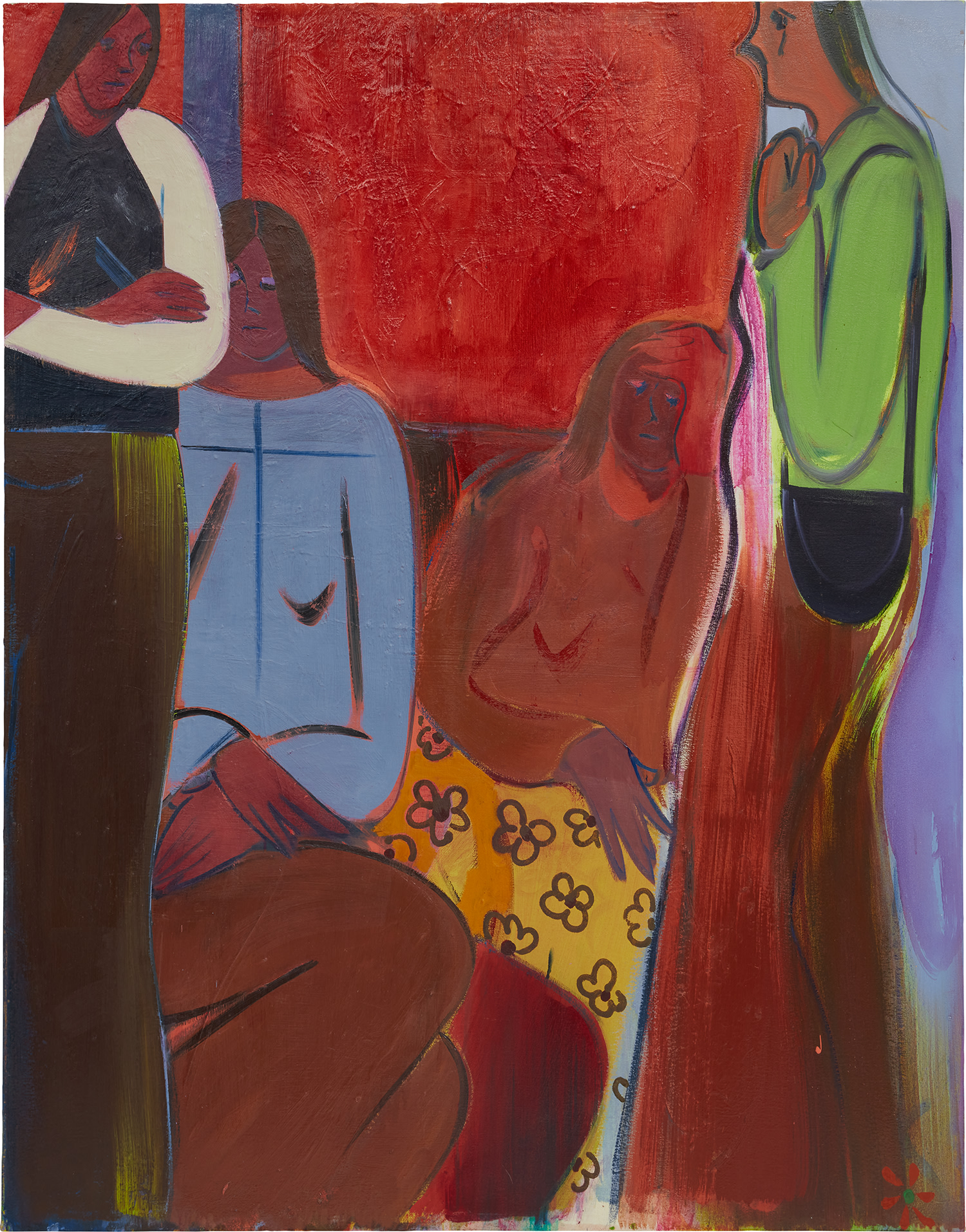
Us (without you) II, 2020
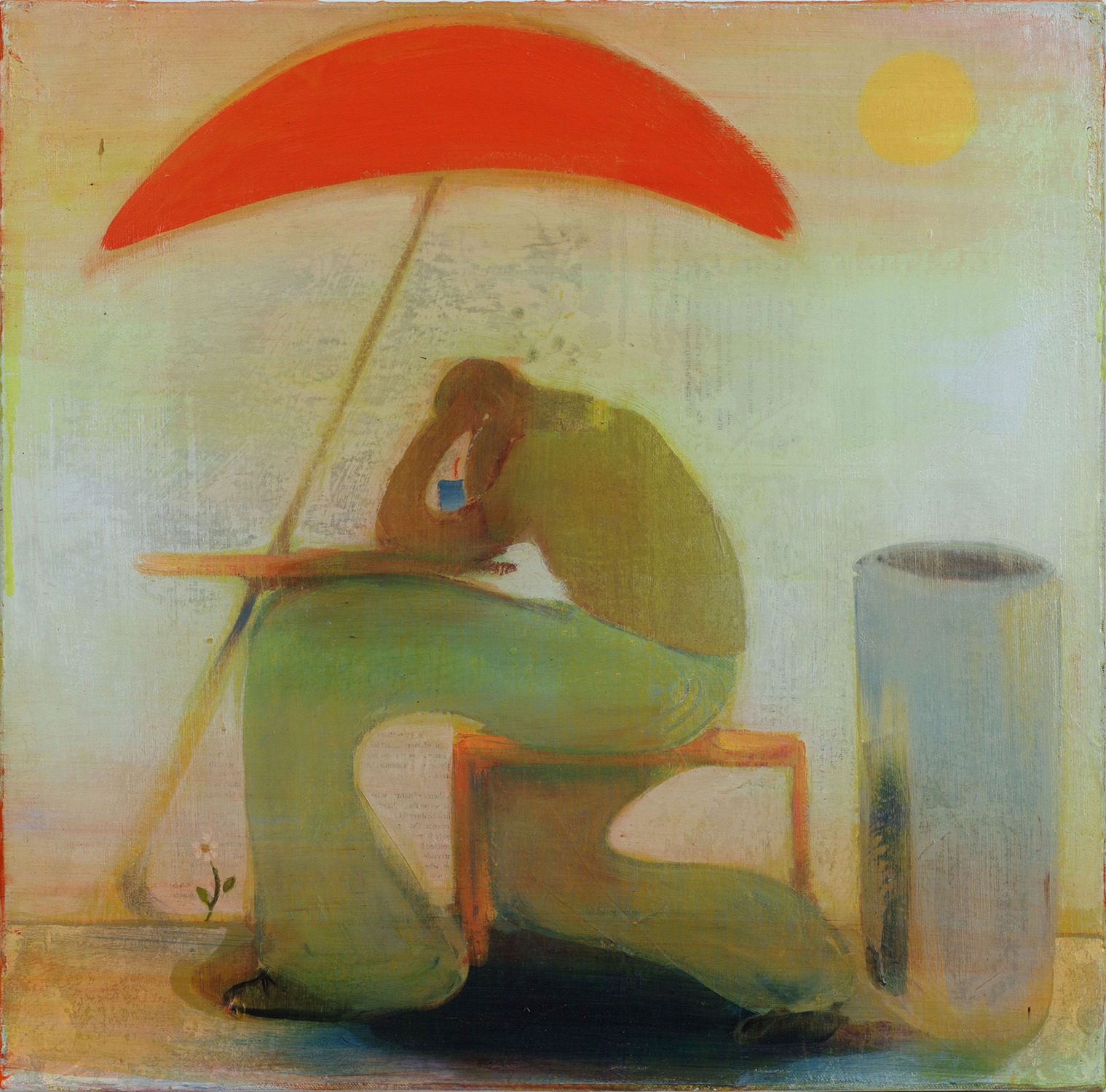
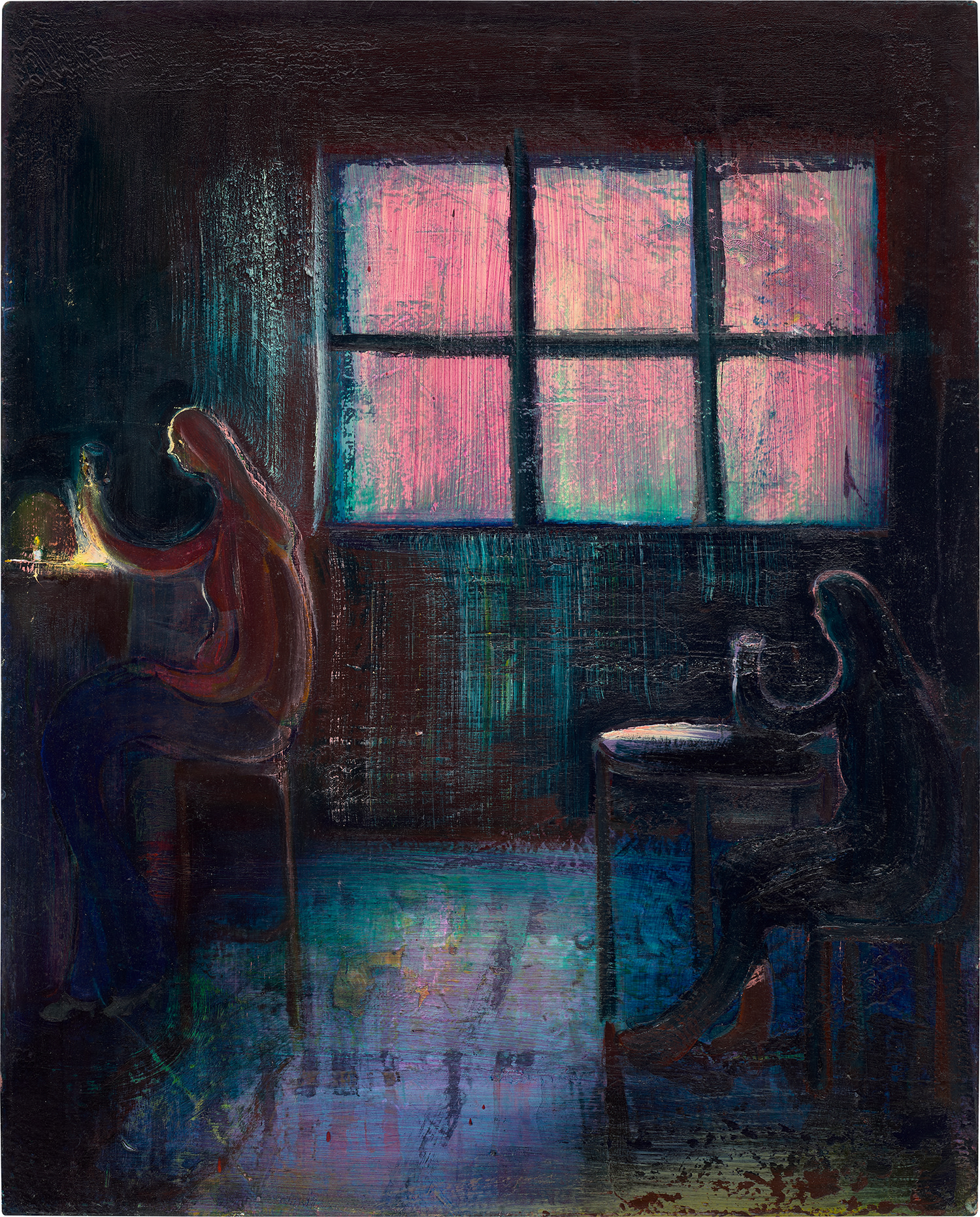
The 2017 painting "The Ending Marks the Start 2" exemplifies this approach, presenting a figure whose posture communicates something between arrival and withdrawal, rendered in oil with a looseness that gives the image its particular charge. The title itself is characteristic of Hahn's sensibility: not ironic, not obscure, but genuinely open, an invitation to sit with contradiction rather than resolve it. The year 2018 marked a period of especially concentrated output for Hahn, producing several works that now stand among her most discussed. The series that includes "The Point of Nothingness and Caring is Besides That" numbered at least five individual works, with the first and fifth canvases demonstrating the range she can achieve within a sustained investigation.
The fifth work in that series is particularly notable for incorporating newspaper collage alongside oil paint, a decision that introduces a layer of material history and public language into what is otherwise an intensely private visual world. The collaged newsprint does not illustrate or explain the figure; it creates a kind of interference, a reminder that private experience exists inside a larger, noisier world. "Burn Out in Shredded Heaven 7" from the same year pushes further into the language of psychological extremity, with a title that captures the exhausted, luminous quality of the painted surface itself. The 2020 work "Us (without you) II" arrived during a moment of collective isolation and resonated accordingly, though it would be reductive to read it only through that lens.
Heidi Hahn
The Point of Nothingness and Caring is Besides That #5, 2018
Hahn had been exploring the grammar of absence long before the particular circumstances of that year made such themes feel urgent to a wider audience. What the painting demonstrates is the continuity of her preoccupations and her ability to make a work that is both deeply personal and structurally open enough to receive the projections of many different viewers. The figure in the work is rendered with Hahn's characteristic combination of specificity and evasion: present enough to feel like someone, indistinct enough to feel like anyone. This is a difficult balance to achieve and she achieves it with apparent ease.
For collectors, Hahn's work offers something that is increasingly valued in a market saturated with decorative abstraction and conceptual distance: genuine emotional risk taken through paint. Her canvases are not easy objects. They do not resolve into comfort or decoration, and yet they are deeply pleasurable to live with, precisely because they remain alive, continuing to yield new readings as the light changes and the viewer changes. Works on paper and smaller canvases provide points of entry for collectors building a relationship with her practice, while the larger paintings represent the full ambition of what she is pursuing.
Heidi Hahn
The Ending Marks the Start 2, 2017
Collectors who have been drawn to painters such as Nicole Eisenman, Amy Sillman, and Dana Schutz will find in Hahn a kindred sensibility, one equally committed to the figure as a site of psychological and painterly investigation. Her work also shares certain affinities with the emotionally charged figuration of Cecily Brown and the searching self examination found in the work of Marlene Dumas, though Hahn's particular combination of tenderness and unease is distinctly her own. What Hahn is contributing to the history of figurative painting is a sustained, uncompromising argument for the value of vulnerability as both subject and method. At a time when painting is expected to justify itself in ever more elaborate conceptual terms, she makes work that trusts the intelligence of feeling.
Her figures do not explain themselves. They exist in their ambiguous states with a quiet dignity that the paintings extend to the viewer as well, an assumption that you are capable of meeting the work on its own terms without a program note or a theoretical scaffold. This confidence in the viewer is itself a form of generosity. Heidi Hahn is a painter whose work rewards exactly the kind of attentive, unhurried looking that the best collecting makes possible, and her place in the conversation around contemporary American painting is both well earned and still expanding.