Gordon Parks
Gordon Parks: A Lens That Liberated America
Artist Spotlight · The Collection Editorial
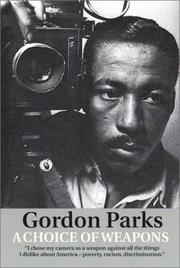
“I saw that the camera could be a weapon against poverty, against racism, against all sorts of social wrongs.”
Gordon Parks
In 2022, the Gordon Parks Foundation and Alicia Keys partnered to present a landmark exhibition at the Guggenheim Museum in New York, drawing fresh generations of admirers into the presence of images that feel, decades after their making, as alive and urgent as the day they were exposed. That same year, prints by Parks achieved remarkable results at major auction houses, confirming what serious collectors have long understood: his photographs are not documents of a vanished era but living works of art that continue to command attention, reverence, and genuine emotional power. There is a reason museums from the Museum of Modern Art to the Art Institute of Chicago hold his work in their permanent collections. Gordon Parks did not simply witness American history.
Gordon Parks
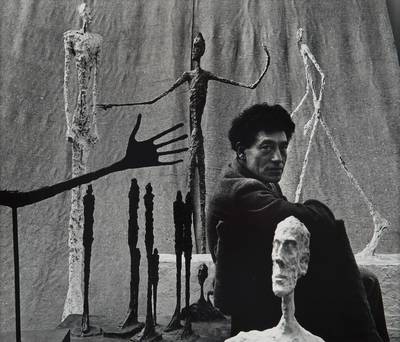
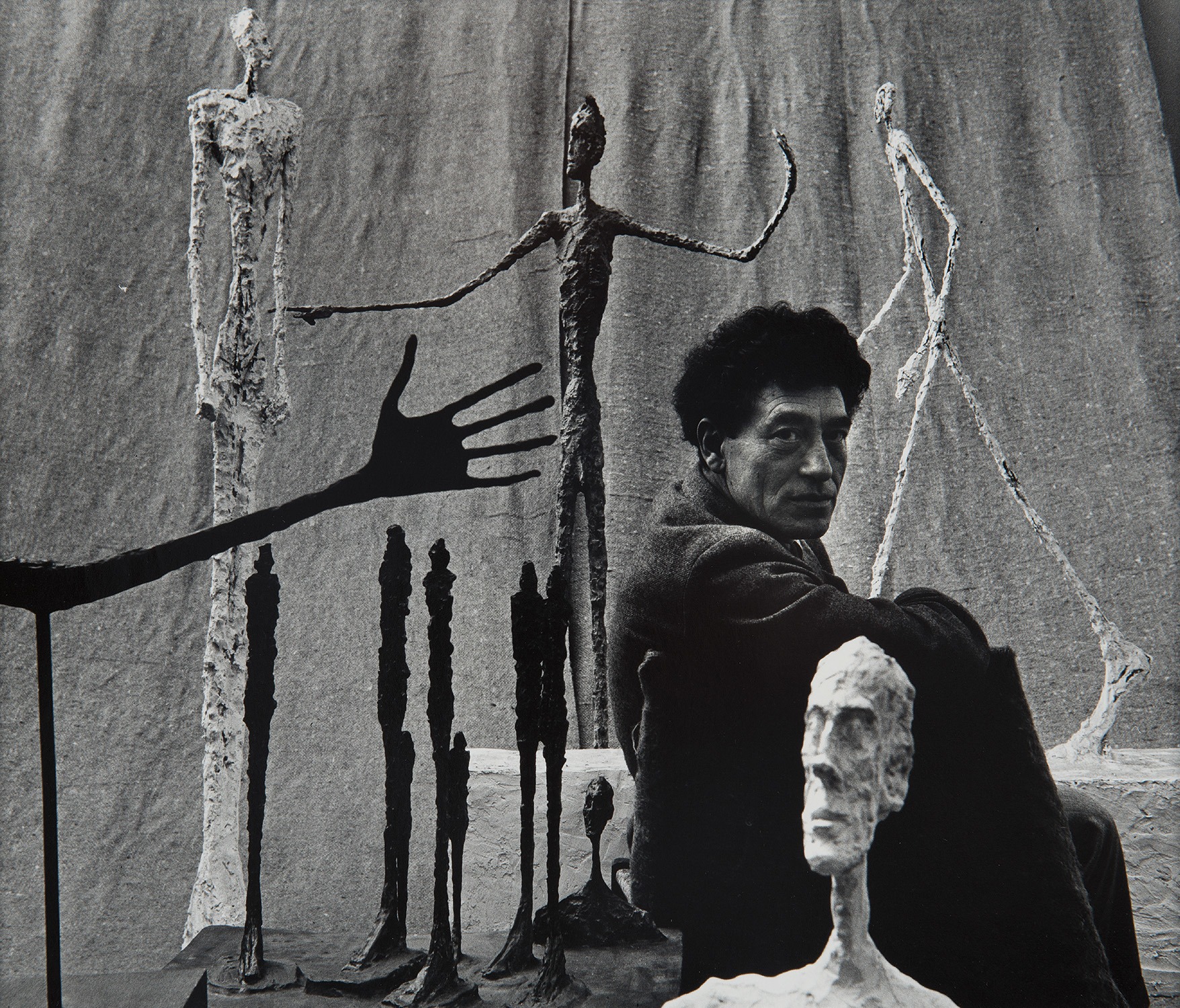
Alberto Giacometti, Paris, France
He shaped how the world sees it. Gordon Roger Alexander Buchanan Parks was born on November 30, 1912, in Fort Scott, Kansas, the youngest of fifteen children. Fort Scott was a town defined by rigid racial segregation, and Parks experienced its cruelties firsthand from childhood. When his mother died in 1927, he was sent to live with a sister in Saint Paul, Minnesota, where life proved so difficult that he was eventually left to fend for himself as a teenager.
He worked as a busboy, a piano player in a brothel, a basketball player, and a railroad dining car waiter, absorbing the full texture of American working life before he ever picked up a camera. These early years of poverty and displacement were not a detour from his artistic formation. They were the very ground from which his empathy grew. Parks bought his first camera, a Voigtländer Brilliant, at a pawnshop in Seattle in 1937 for about seven dollars and fifty cents.
Gordon Parks
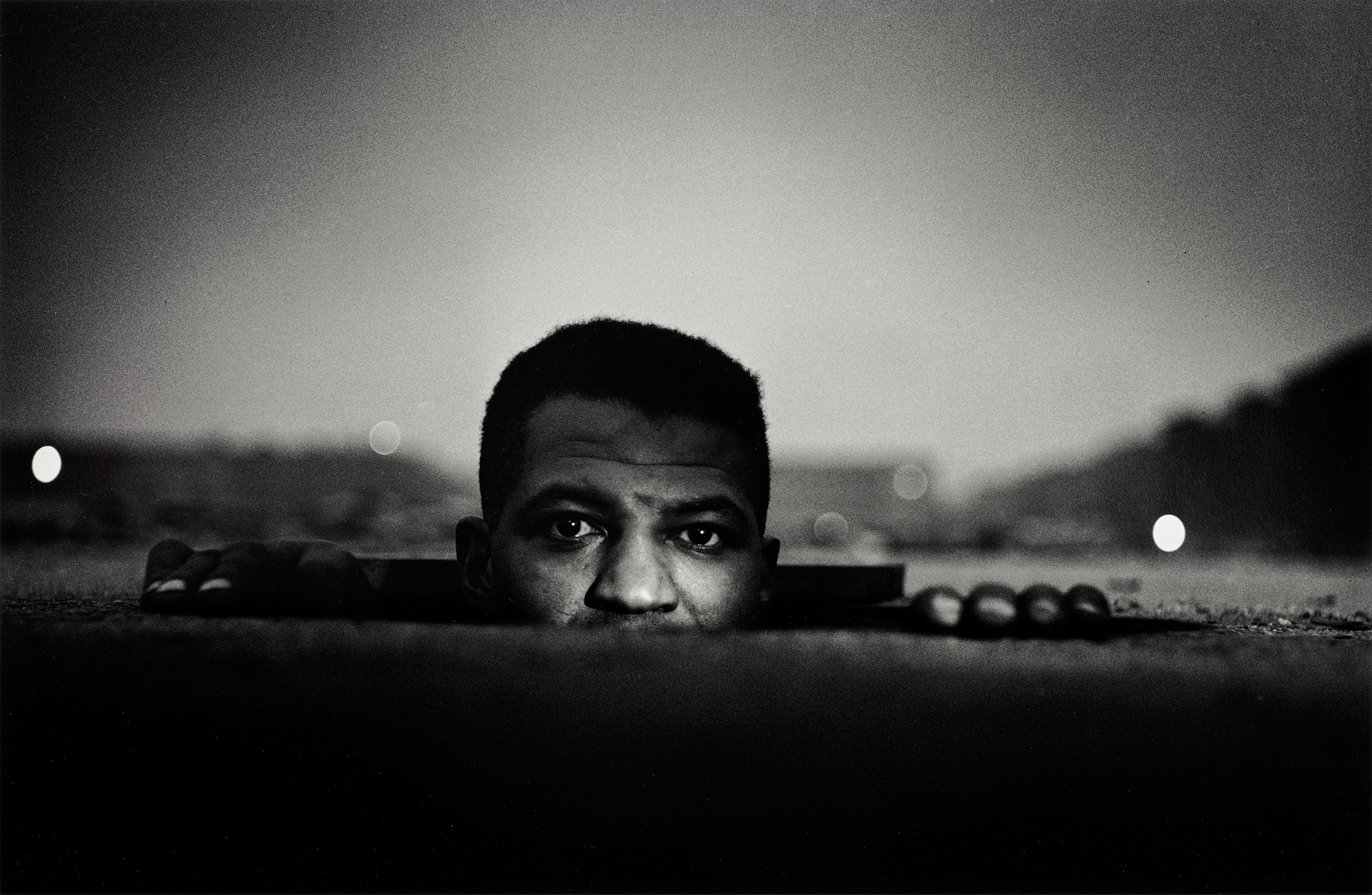
Emerging Man, Harlem, New York
He taught himself photography largely through observation and instinct, studying the Farm Security Administration photographs he encountered in a magazine and feeling an immediate recognition of their moral purpose. His early fashion work in Chicago attracted enough attention to earn him a Julius Rosenwald Fellowship in 1942, which brought him to Washington, D.C., to work alongside Roy Stryker at the Farm Security Administration.
“No matter how difficult life appeared to be, there was always something you could do to help someone less fortunate than yourself.”
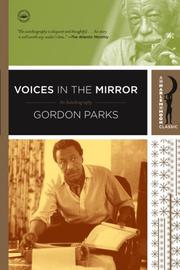
Voices in the Mirror, 1990
It was there, confronted daily with the realities of institutional racism in the nation's capital, that he made one of his most celebrated images: the 1942 photograph known as American Gothic, Washington D.C., depicting Ella Watson, a Black government charwoman, standing before an American flag with a mop and broom. The image is a direct, devastating conversation with Grant Wood's famous painting, and it announced Parks as an artist capable of layering historical weight into a single frame.
Gordon Parks
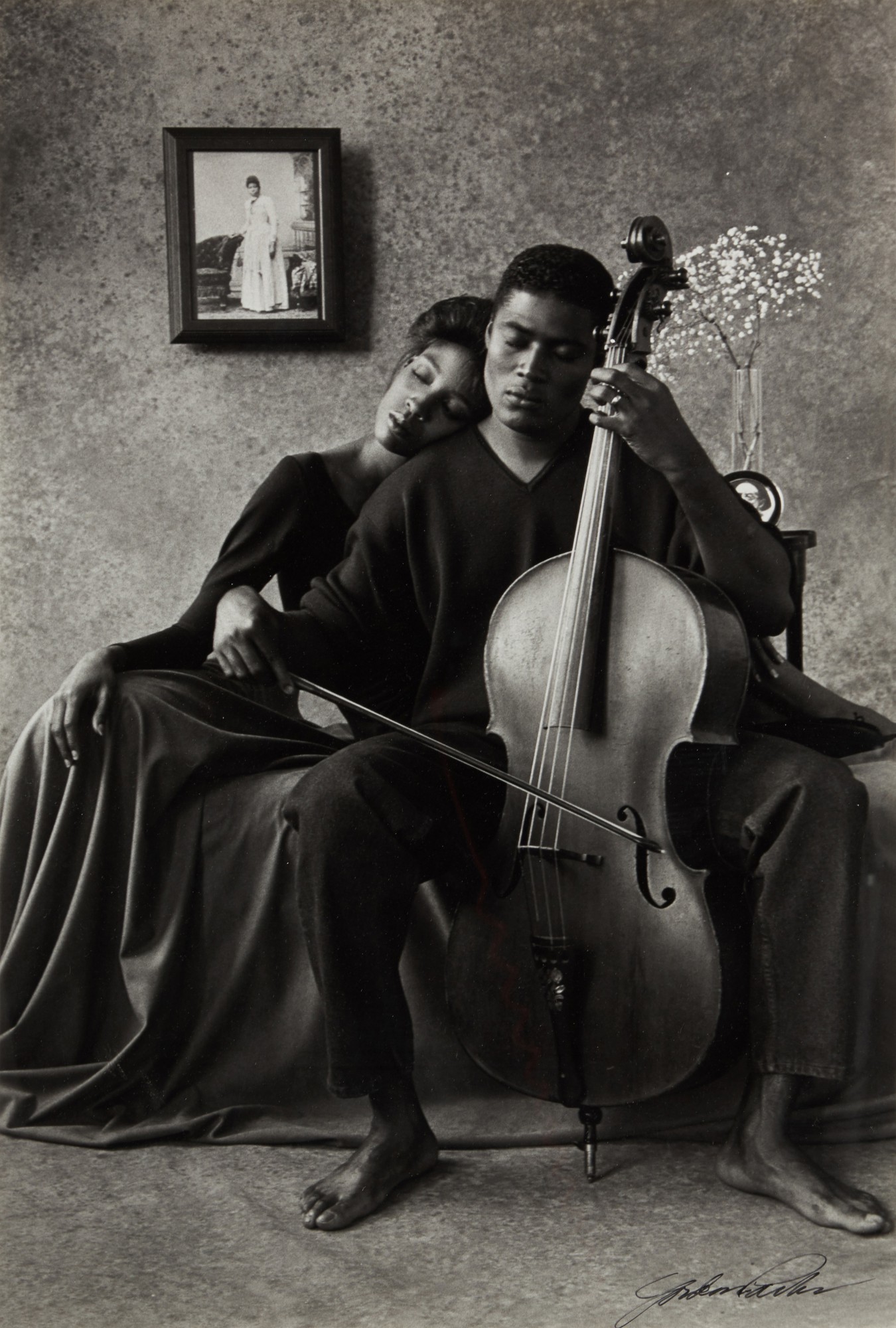
Music - That Lordly Power
His relationship with Life magazine, which began in 1948 and continued for more than two decades, gave Parks an extraordinary platform and an extraordinary challenge. He was the first Black staff photographer in the publication's history, and he used that position with remarkable strategic intelligence. His photo essays ranged from intimate portraits of fashion and celebrity to searing documentation of poverty in Brazil, gang life in Harlem, and the daily indignities suffered by Black Americans under segregation. The 1956 series on segregation in the American South, produced at personal risk to Parks himself, remains among the most important bodies of photojournalism ever created.
His 1961 essay on Flavio da Silva, a desperately ill boy living in a Rio de Janeiro favela, moved American readers so profoundly that Life received enough donations to relocate the entire da Silva family to a better home. Parks understood that photography, wielded with conviction, could move people to action. The works available through The Collection offer an exceptional survey of Parks's range and depth. Emerging Man, Harlem, New York captures a Black man rising through a manhole surrounded by the geometry of a city street, an image at once naturalistic and mythic.
Gordon Parks
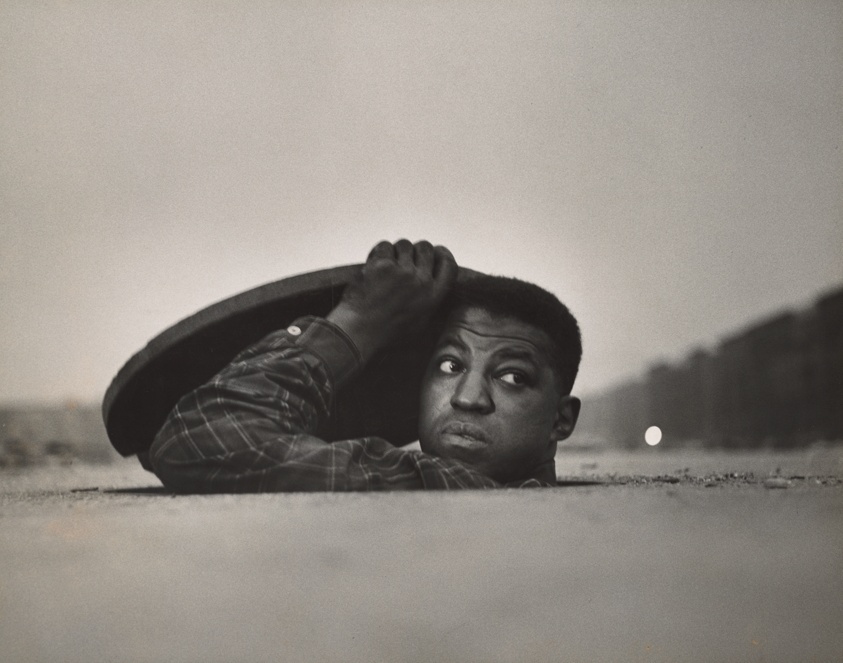
The Invisible Man (Harlem, New York), from the series "A Man Becomes Invisible" (1952), 1952
The Invisible Man, made in 1952 as a visual interpretation of Ralph Ellison's novel, shows Parks engaging seriously with literature and the politics of Black visibility. Mrs. Ella Watson with three grandchildren and her adopted daughter extends the American Gothic series into something more tender, revealing the full humanity of the woman who anchored that iconic image. Malcolm X Holding up Black Muslim Newspaper, Los Angeles, California from 1963 documents Parks's access to one of the most consequential figures of the Civil Rights era, an access built on genuine mutual respect.
And Alberto Giacometti, Paris, France demonstrates his ease in the world of European modernism, where he moved as a peer among the great artists of the twentieth century. From a collecting perspective, Parks occupies a position of rare solidity in the market for twentieth century photography. Gelatin silver prints, particularly those made later under his supervision or bearing the authorization of the Gordon Parks Foundation, represent the most widely collected category of his work. Prices for significant prints have climbed steadily since the mid 2000s, with major works at auction regularly reaching into the six figure range.
Collectors drawn to the intersection of art history, social history, and visual mastery find in Parks a body of work that satisfies all three impulses simultaneously. The archival pigment prints and foundation authorized editions offer accessible entry points without sacrificing the authenticity that serious collectors require. His photographs hold well precisely because their value is not speculative. They are embedded in the permanent record of American cultural life.
Parks belongs to a lineage of artists who believed that beauty and social conscience were not in opposition but in alliance. His work invites comparison with contemporaries such as Dorothea Lange and Walker Evans, whose FSA photographs share his commitment to human dignity, as well as with Roy DeCarava, whose lyrical documentation of Harlem life shares Parks's deep affection for Black American community. In a broader art historical frame, he stands alongside James Van Der Zee as a foundational figure in the tradition of African American photography, a tradition that later artists including Dawoud Bey and Carrie Mae Weems have explicitly acknowledged as formative. Parks also extended his vision into film, becoming the first African American director of a major Hollywood studio picture with The Learning Tree in 1969, followed by Shaft in 1971, demonstrating a restless creative ambition that few artists in any medium have matched.
Gordon Parks died on March 7, 2006, in New York City, at the age of ninety three. He left behind a body of work so vast and various that institutions continue to discover new dimensions within it. The Gordon Parks Foundation, established to preserve and extend his legacy, has been instrumental in organizing retrospectives, publishing scholarship, and ensuring that his photographs reach new audiences around the world. To collect Parks is to participate in that ongoing conversation, to bring into your home or institution an image made by someone who looked at America with unflinching clarity and found, beneath its violence and its contradictions, something worth fighting to illuminate.
His photographs do not simply show us the past. They ask us to account for it, and for ourselves.
Explore books about Gordon Parks