George Bellows

George Bellows: America's Most Electrifying Urban Painter
Artist Spotlight · The Collection Editorial
“The ideal artist is he who knows everything, feels everything, experiences everything, and retains his childlike freshness of vision.”
George Bellows, written notes
Stand before George Bellows's boxing canvases at the Smithsonian American Art Museum or trace the crackling lines of his lithographs in a quiet print room, and something immediate happens. The art reaches out and grabs you. More than a century after he made his most celebrated works, Bellows remains one of the most viscerally alive artists America has ever produced, a painter whose commitment to the raw, unvarnished truth of human experience feels not merely historical but urgently, thrillingly present. His work continues to command serious attention at auction and in museum programming alike, with institutions regularly returning to his output as a touchstone for understanding the transformation of American art in the early twentieth century.
George Bellows
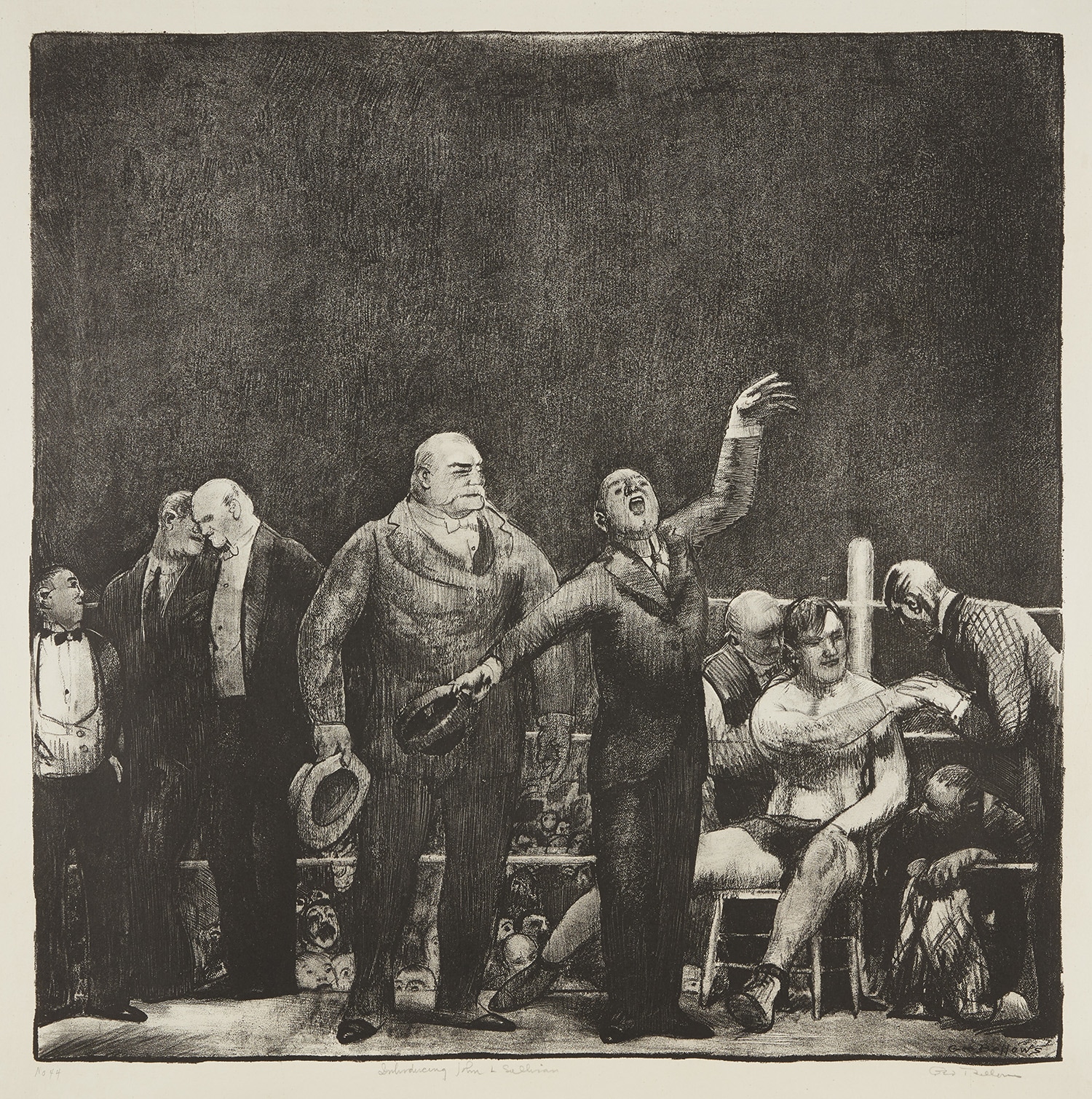
Introducing John L. Sullivan (M. 27, B. 106)
George Wesley Bellows was born on August 12, 1882, in Columbus, Ohio, the only child of a contractor father and a deeply religious mother. His upbringing in the American Midwest gave him a fundamental connection to ordinary working people, a sensibility he would carry with him throughout his career. He showed early aptitude as an athlete, excelling in baseball to such a degree that he was reportedly offered a professional contract, and his physical confidence and competitive energy would later translate directly into the kinetic force of his paintings. He enrolled at Ohio State University but left without graduating in 1904, drawn irresistibly toward New York City and the possibilities of a life in art.
In New York, Bellows found his true education under the painter and teacher Robert Henri, who was then gathering around him a loose confederation of artists committed to depicting urban American life with honesty and immediacy. Henri's circle, which would eventually be associated with the Ashcan School, included John Sloan, Everett Shinn, and George Luks, all of them dedicated to the unglamorous, teeming reality of city streets, tenements, and working class neighborhoods. Bellows absorbed Henri's philosophy completely while quickly surpassing many of his contemporaries in technical ambition and sheer painterly power. By 1907, at just twenty four years old, he had been elected an associate of the National Academy of Design, one of the youngest artists ever to receive that recognition.
George Bellows
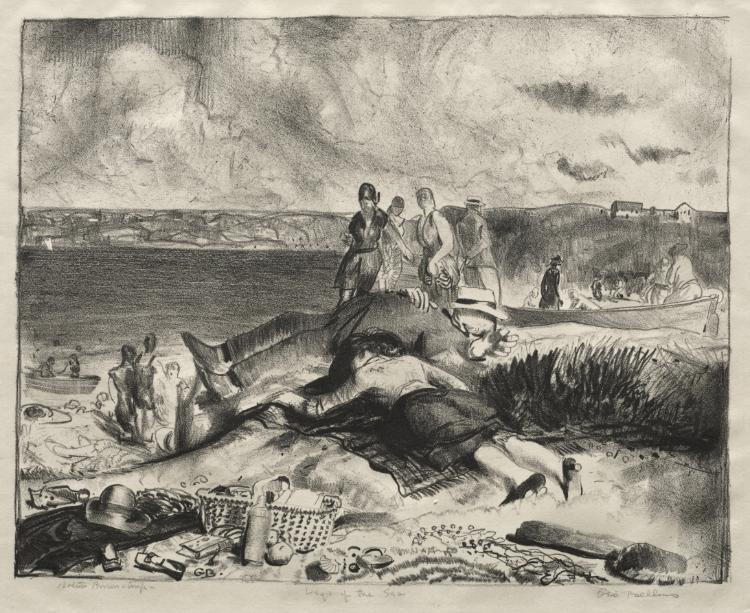
Legs of the Sea, 1921
The boxing paintings Bellows produced between 1907 and 1909 remain his most celebrated achievement in oil, and they announced a talent of extraordinary originality. Works such as Stag at Sharkey's and Club Night captured the illegal prize fights held in private athletic clubs near his studio on Broadway with a ferocity that had no real precedent in American painting. The figures in these canvases seem to generate their own light, bodies emerging from darkness in brutal and beautiful collision. Bellows used broad, slashing brushwork that owed something to Velázquez and something to Hals but was ultimately entirely his own, a visual language built for speed and impact.
“I am always sorry for the academician, because he has learned so much that is not so.”
George Bellows
These paintings entered major collections with remarkable speed, and they remain among the most reproduced and recognized works in the American realist tradition. Beyond boxing, Bellows turned his attention to the full panorama of New York life. His snow scenes of the city, his portraits of tenement children playing on frozen rivers, and his large scale paintings of urban construction all demonstrated the same quality of fully inhabited observation. He was also a dedicated and technically sophisticated lithographer, and it is in his print work that many collectors today find the most accessible and rewarding entry point into his art.
George Bellows
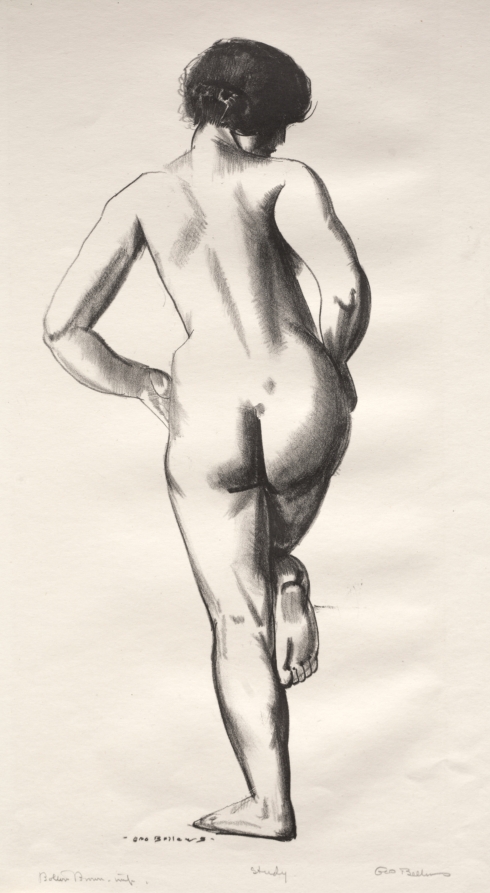
Nude Study, Girl Standing on One Foot, 1924
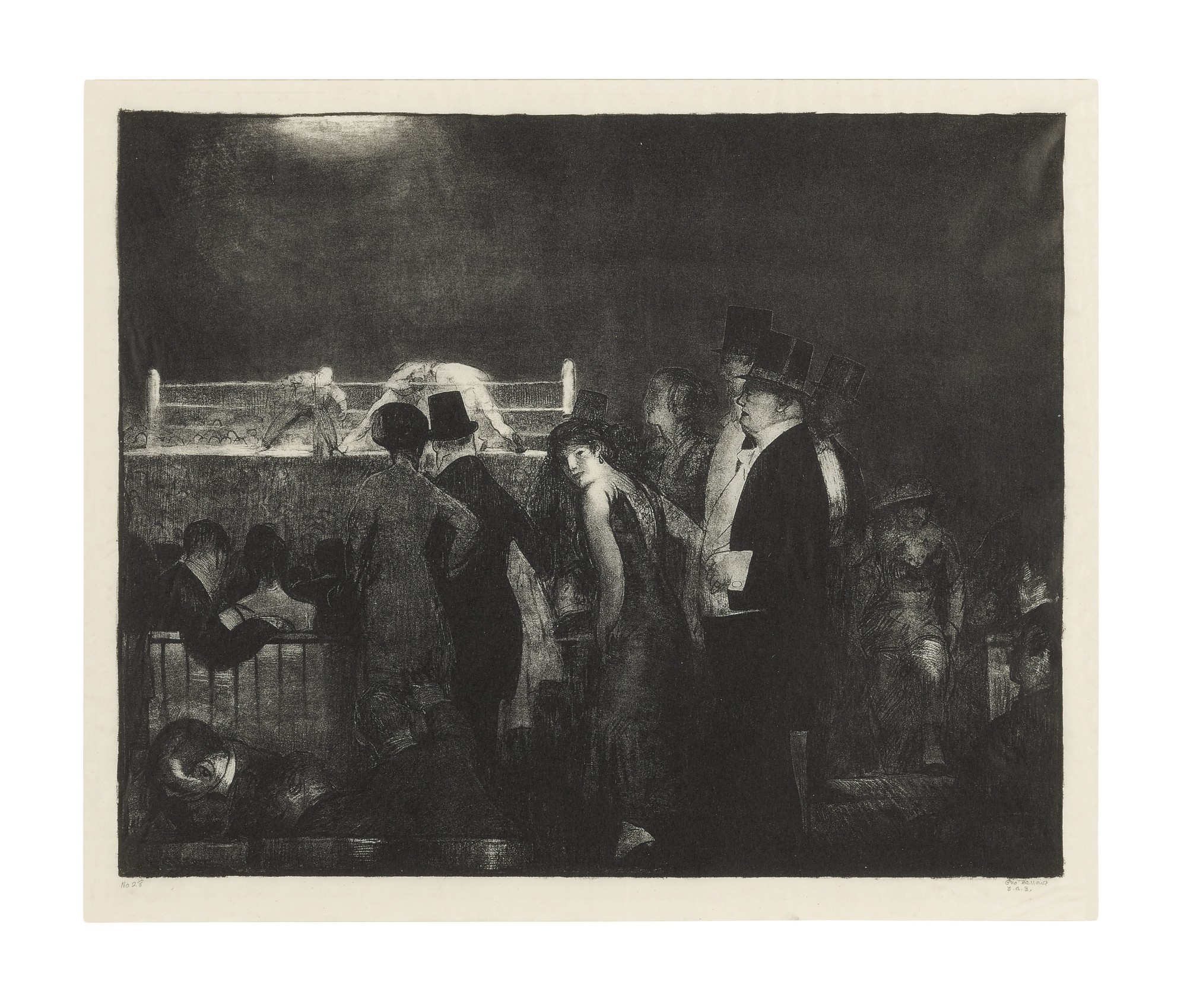
Works such as Introducing John L. Sullivan, Counted Out Second Stone, and Preliminaries to the Big Bout translate his boxing imagery into the lithographic medium with astonishing vitality, while prints like Philosopher on the Rock and Legs of the Sea reveal a quieter, more contemplative side of his sensibility. His War Series lithographs from 1918, including The Charge Left Detail, document his powerful response to the atrocities of World War One and stand among the most searing antiwar imagery produced by any American artist of that era. For collectors, Bellows presents a particularly compelling proposition.
His lithographs offer an opportunity to acquire work of genuine historical and aesthetic significance at price points that remain accessible relative to his oils, which regularly achieve seven figure results at the major auction houses. Christie's and Sotheby's have both seen strong bidding on his prints and drawings in recent years, reflecting sustained institutional and private collector demand. What to look for in a Bellows lithograph is clarity of impression, strong contrast, and the distinctive vigor of his line, that sense that each mark was made with the full weight of his personality behind it. His portrait lithographs of family members, including Study of Mary and Jean 1923, offer intimate counterpoints to the public drama of the boxing images, and they speak to a range and tenderness that collectors who know only his most famous works often find surprising and deeply moving.
George Bellows
Preliminaries to the Big Bout (Mason 24)
Bellows occupies a central position in a remarkable generation of American painters. His closest artistic affinities are with his teacher Henri and with fellow Ashcan artists like Sloan and Luks, but his ambitions extended well beyond that circle. He was deeply influenced by the Spanish masters he studied at the Metropolitan Museum of Art and engaged seriously with the formal innovations introduced to American audiences by the Armory Show of 1913, an exhibition in which his own work appeared. Collectors drawn to Bellows often find themselves equally engaged by Edward Hopper, whose early career overlapped with his, and by contemporaries such as Rockwell Kent and Eugene Speicher, all of whom shared a commitment to a distinctly American figurative tradition grounded in observed reality rather than academic convention.
George Bellows died suddenly on January 8, 1925, following a ruptured appendix. He was forty two years old. The loss to American art was immeasurable, cutting short a career that by any measure was still accelerating toward its fullest expression. Yet what he left behind is more than sufficient to secure his place in the highest tier of American artists.
He gave dignity and drama to the lives of ordinary people, he brought the energy of the street and the gymnasium into the galleries and museums of the republic, and he did it all with a joy in paint and in life that still communicates across every year that has passed since his death. To collect Bellows is to own a piece of that energy, a direct connection to one of the most genuinely alive sensibilities American art has ever produced.
Explore books about George Bellows

George Bellows: His Life and Development as an Artist
Emma Bellows
George Bellows: American Artist
Charles H. Morgan
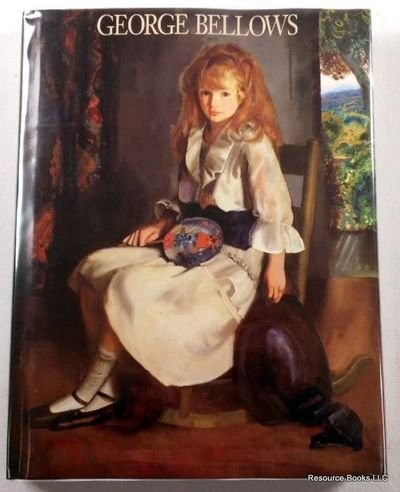
George Bellows: Paintings of America
Michael Quick
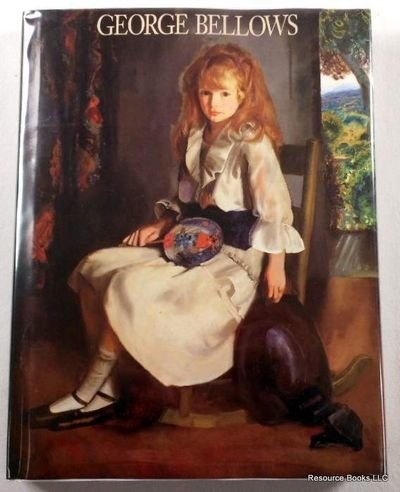
The Paintings of George Bellows
Michael Quick
George Bellows and the Ashcan School
Rebecca Zurier

George Bellows: A Catalogue Raisonné of His Prints
Lauris Mason and Joan Ludman
George Bellows: American Modernist
Barbara Haskell