Garry Winogrand
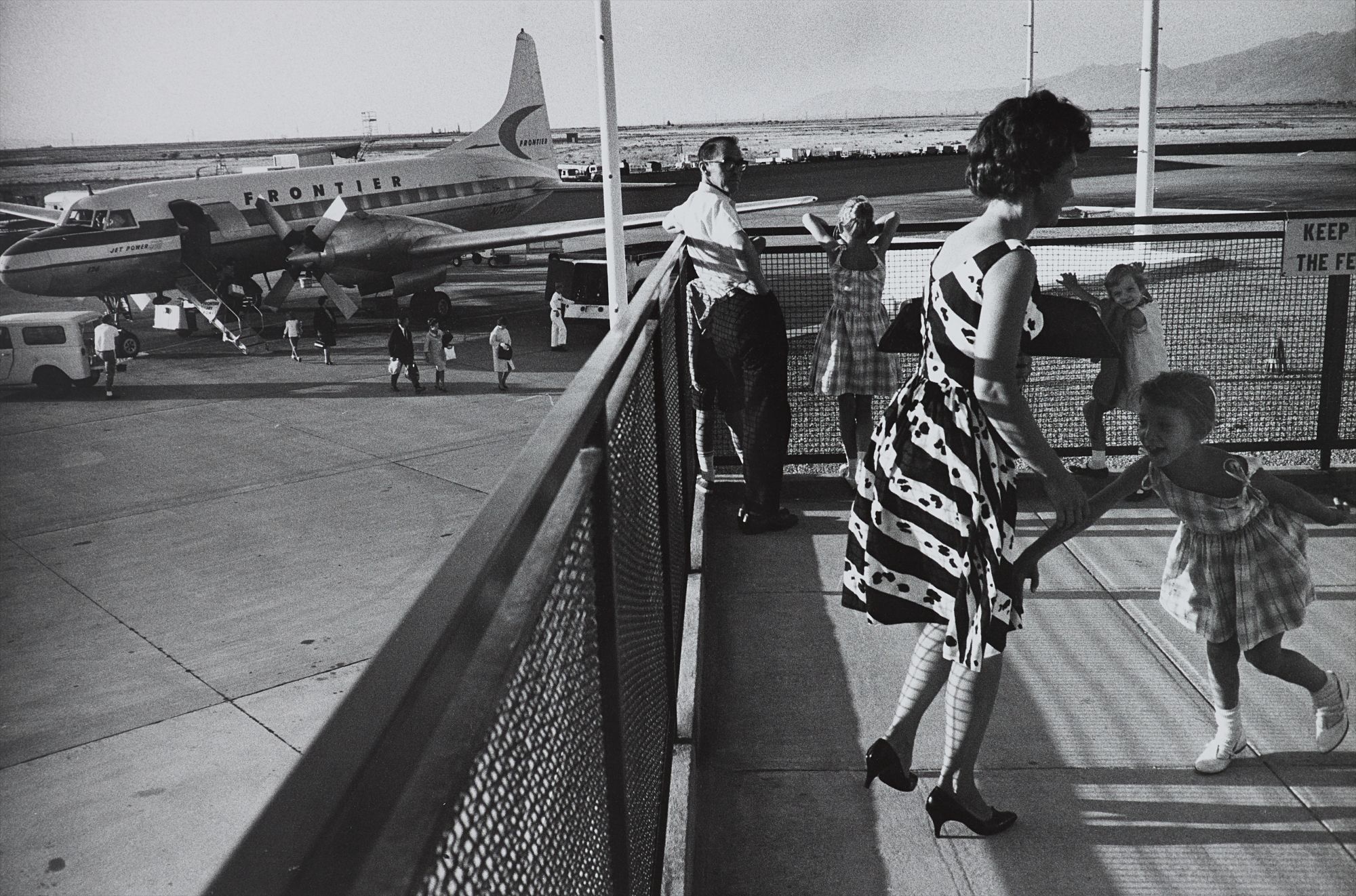
Garry Winogrand: The Street Made Radiant
Artist Spotlight · The Collection Editorial
“I photograph to find out what something will look like photographed.”
Garry Winogrand
There is a photograph taken in New York sometime in the early 1960s that stops you cold. A woman moves through a crowd, mid stride, her face caught in a flicker of private thought, the city churning around her as though indifferent to its own magnificence. It is a Garry Winogrand photograph, and like nearly everything he made, it carries the feeling of a world that almost got away. More than four decades after his death in 1984, Winogrand endures not as a period artifact but as a living force in the conversation about what photography can and cannot do.
Garry Winogrand
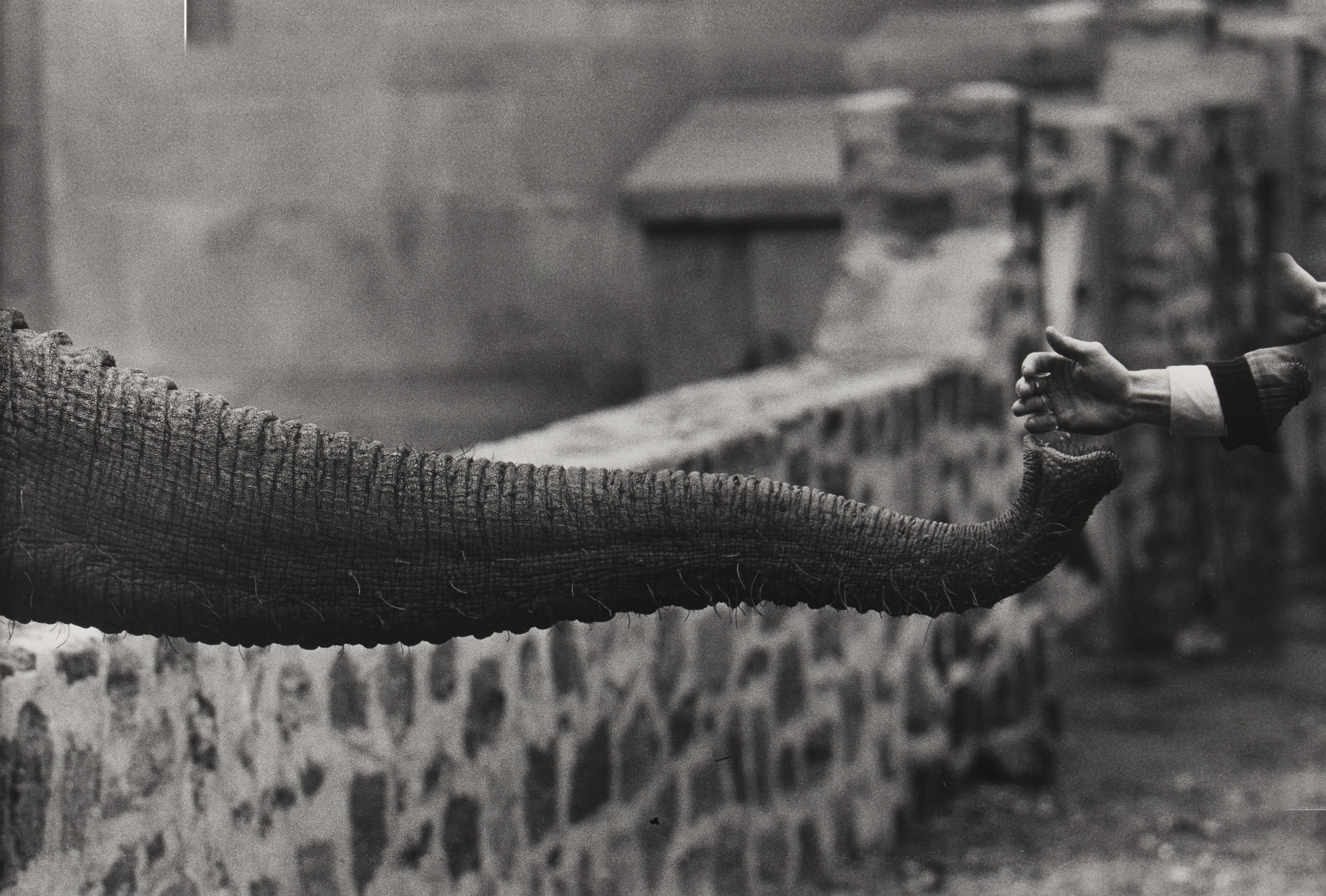
The Animals
His prints continue to command serious attention at auction, his books remain essential reading in every serious photography curriculum, and the vast posthumous archive he left behind still generates scholarship, debate, and genuine awe. Garry Winogrand was born in the Bronx, New York, in 1928, the son of Jewish immigrants who had made their way to America with the particular intensity of people who understood that the world was not a safe or permanent place. He grew up in a neighborhood where the street was the primary theater of life, where the sidewalk was a stage and every passing stranger carried a story worth knowing. He studied painting at City College of New York and later at Columbia University, before finding his way to photography through the Columbia Photo League and a pivotal period of study under Alexey Brodovitch at the New School.
Brodovitch, the legendary art director of Harper's Bazaar, taught Winogrand to think cinematically, to understand rhythm and surprise, and to trust the decisive edge of instinct over careful calculation. In his early career Winogrand worked as a commercial photographer and photojournalist, shooting for magazines including Collier's and Sports Illustrated. But even as he fulfilled editorial assignments, he was developing a parallel practice that was entirely his own. He walked.
Garry Winogrand
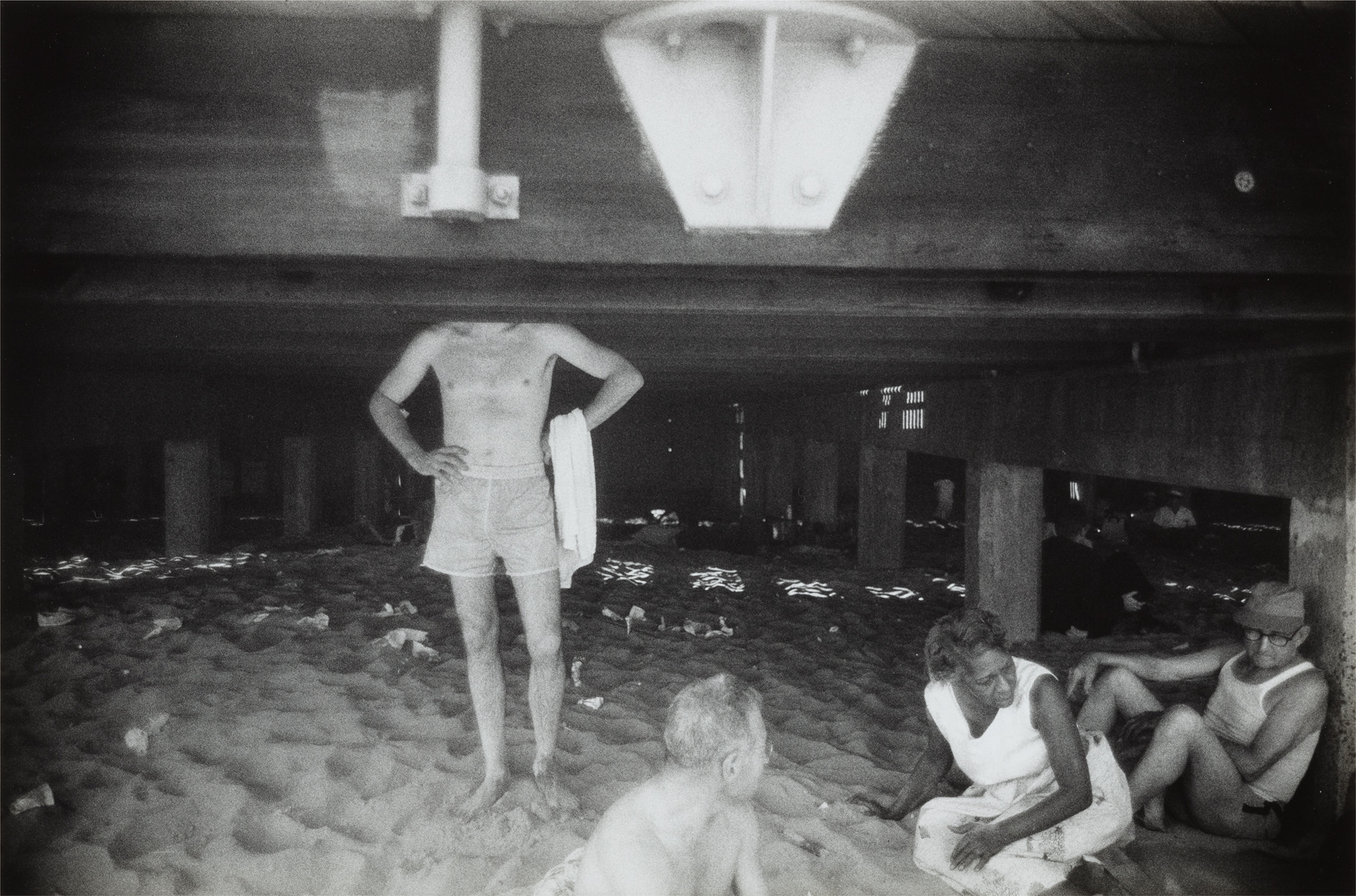
Coney Island, New York
He walked constantly, through Manhattan and eventually across the entire country, with a Leica and a wide angle lens that pulled the world in close and tilted it slightly, giving his frames that characteristic sense of a reality that is simultaneously familiar and slightly unhinged. By the early 1960s he had found his voice entirely, and that voice was unlike anything American photography had heard before: alert, democratic, slightly comic, and shot through with a tenderness for human strangeness that never tipped into cruelty. The year 1967 marked a turning point not only for Winogrand but for the entire history of photography. That year, the Museum of Modern Art mounted New Documents, a now legendary exhibition curated by John Szarkowski that brought Winogrand together with Diane Arbus and Lee Friedlander.
“When I say I want to photograph something, what it really means is that I see something and I want to know what it looks like.”
Garry Winogrand
Szarkowski framed these three photographers as a new generation who had redirected documentary photography away from social reform and toward something more searching and personal. The show was a critical watershed. Winogrand's pictures of zoos, airports, cocktail parties, and street corners were revealed as something more than reportage: they were a sustained philosophical inquiry into American life, into the gap between the country's self image and its lived reality. His 1969 monograph The Animals, made at the Central Park Zoo and the Bronx Zoo, remains one of the most formally inventive and quietly subversive books in the medium, placing humans and their captive counterparts in a mutual gaze that says everything about power, enclosure, and the comedy of civilization.
Garry Winogrand
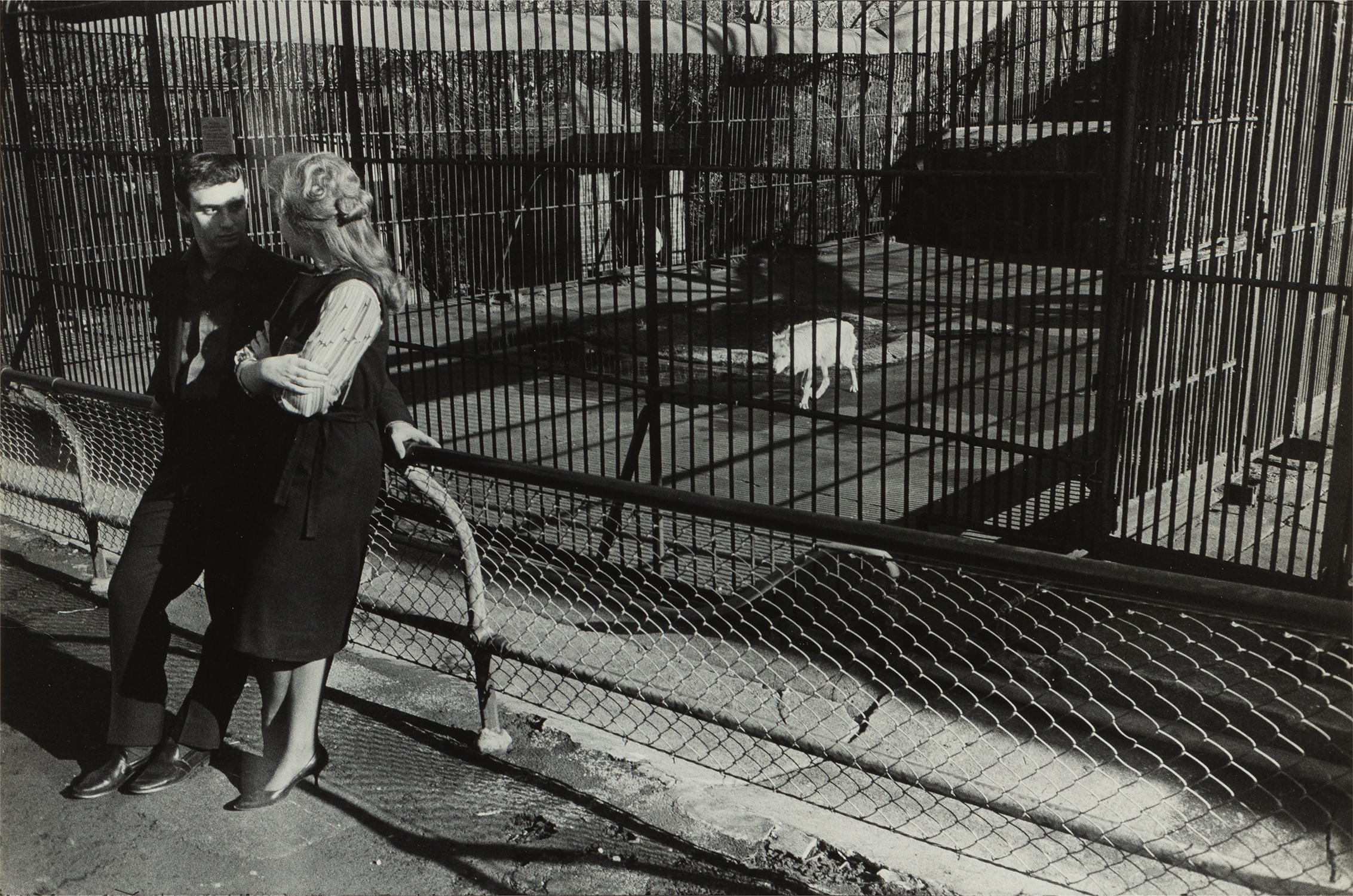
New York
The works available through The Collection offer a rich cross section of Winogrand's achievement across the full span of his career. Prints such as Coney Island, New York and New York from the 1960s show the photographer at the height of his formal invention, composing within the chaos of the crowd with the confidence of someone who had made peace with uncertainty. Fort Worth, Texas and Albuquerque, New Mexico reveal the road trip sensibility that animated his later work, the sense of a man taking the measure of a vast and contradictory nation. Beverly Hills, California and the photographs made in Los Angeles speak to his late period move to the West Coast, where the light was different and the social theater equally rich.
Girl in Elevator, New York and Woman in Phone Booth, New York demonstrate his gift for isolating a single human moment from the surrounding noise and transforming it into something timeless. Each print rewards sustained looking. Winogrand did not compose so much as he seized, and the seizure always feels earned. For collectors, Winogrand's market represents one of the more compelling opportunities in the postwar photography space.
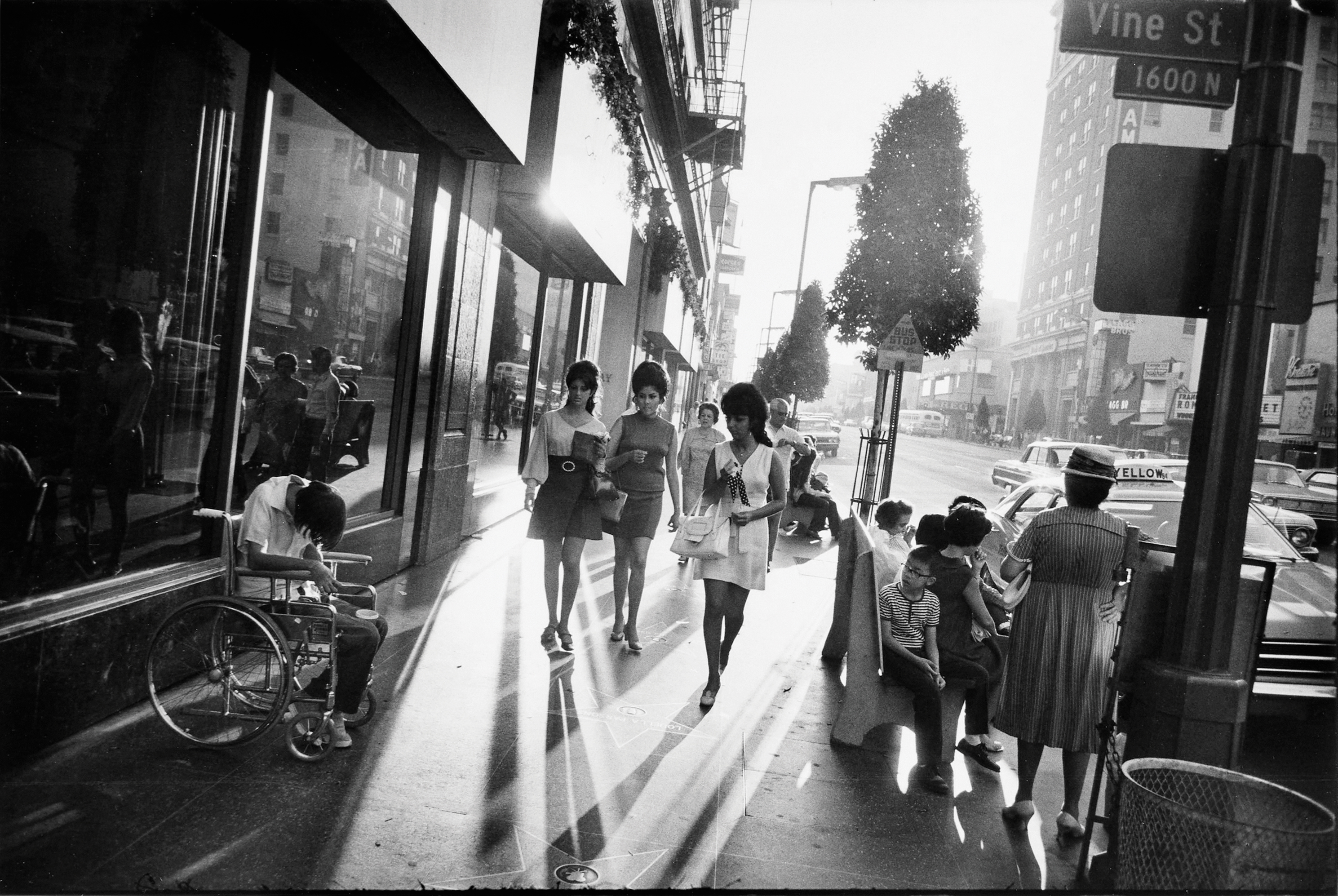
Garry Winogrand
'Los Angeles, Calif.'
Gelatin silver prints, particularly those printed during his lifetime or shortly after his death under the oversight of his estate, carry the greatest weight for serious buyers. Prices at major houses including Sotheby's and Christie's have reflected a broad and growing appreciation for his work, with key prints attracting competitive bidding from both institutional and private collectors. What distinguishes collecting Winogrand from collecting his contemporaries is the sheer density of his output: he shot an estimated one million frames in his lifetime and left tens of thousands of rolls undeveloped at his death. This abundance means that new discoveries continue to surface, but it also means that condition, provenance, and print quality matter enormously.
The most desirable examples are those where the tonal range is fully intact and the image possesses that unmistakable Winogrand quality of arrested time. In terms of art historical context, Winogrand sits at the center of a constellation of photographers who collectively transformed the medium in the postwar American moment. His friendship and creative dialogue with Lee Friedlander and the influence of Robert Frank, whose 1958 book The Americans opened the door that Winogrand walked through, are well documented. He admired Henri Cartier Bresson and acknowledged a debt to Walker Evans, though his energy was always more kinetic, more rooted in the urban present.
Collectors who respond to Winogrand often find themselves drawn to Friedlander's formal wit, to the searching quality of Frank, and to the social observation of Helen Levitt, who worked the same New York streets with equally penetrating eyes. Together these artists constitute one of the great chapters in the history of seeing. Winogrand died in Tijuana in March 1984, at the age of 56, leaving behind an archive that the Museum of Modern Art and the Center for Creative Photography at the University of Arizona have spent decades working to understand and preserve. John Szarkowski's posthumous exhibition at MoMA in 1988 introduced many viewers to the late work and provoked genuine debate about what it meant to encounter photographs the artist himself had never fully processed.
That debate has never entirely settled, and perhaps that is appropriate. Winogrand was a photographer who believed that a photograph could show you something the photographer did not fully understand, that the camera was smarter than any single intention. To look at his work today is to feel that intelligence still operating, still pulling meaning from the rushing stream of the world.
Explore books about Garry Winogrand
Winogrand: Figments from the Real World
John Szarkowski
Garry Winogrand: All Things Are Photographable
Leo Rubinfien

The Animals
Garry Winogrand
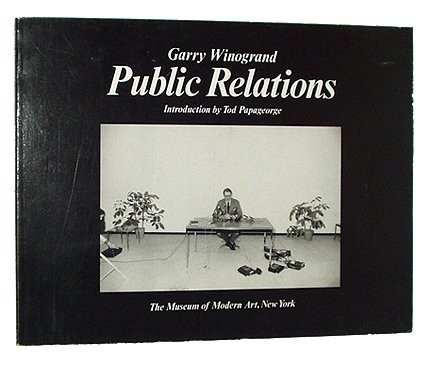
Public Relations
Garry Winogrand
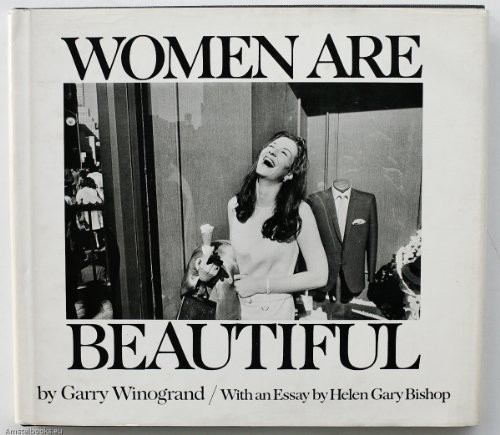
Women Are Beautiful
Garry Winogrand
Garry Winogrand: Figure and Ground
Andy Grundberg