Felix Treadwell
Felix Treadwell Finds Wonder in the Everyday
Artist Spotlight · The Collection Editorial
There is a particular kind of painter who makes you feel that the world is stranger and more tender than you had previously noticed. Felix Treadwell is one of those painters. Working primarily in acrylic on canvas, with occasional forays into pencil and oil, Treadwell has developed a visual language that sits at the intersection of quiet observation and playful invention, a practice that rewards sustained looking and repays a collector's attention many times over. Though Treadwell's biography remains refreshingly understated in the art world's promotional machinery, his work speaks with considerable confidence about a sensibility formed through close attention to the people, creatures, and objects that populate ordinary life.
Felix Treadwell
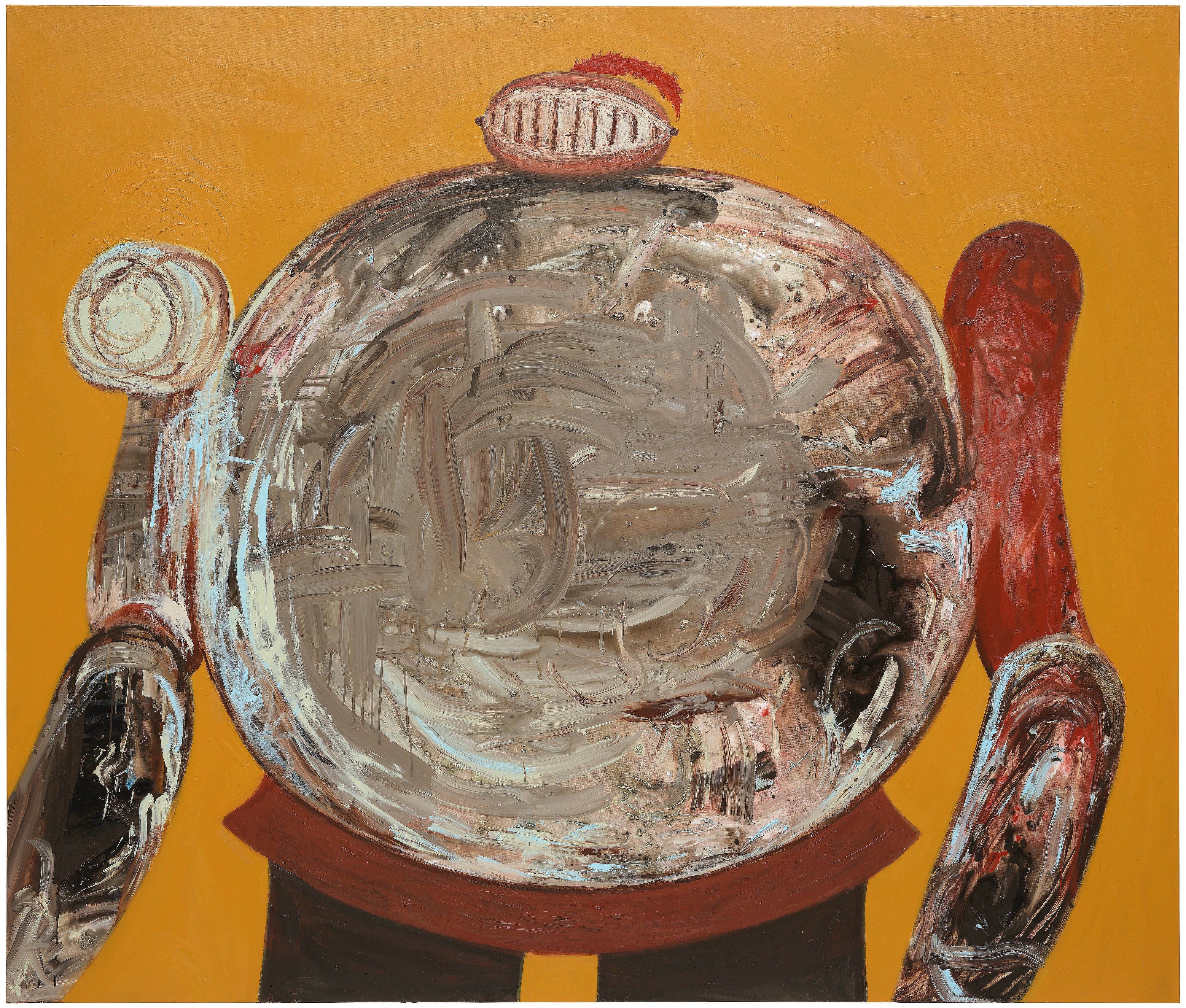
Pea Knight, 2022
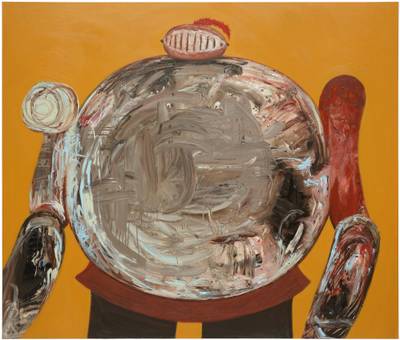
His titles alone suggest an artist deeply comfortable with intimacy and even affection: works named for specific people, for gestures as small as a dog dozing, for the particular pang of nostalgia rendered in Chinese characters. This is a painter who notices things, and who has decided that noticing is enough of a manifesto. The works that have made their way into private collections carry an unmistakable signature energy. "Pea Knight" from 2022 is a strong example of Treadwell at his most confident, a canvas in which something absurd and something genuinely noble seem to coexist without irony.
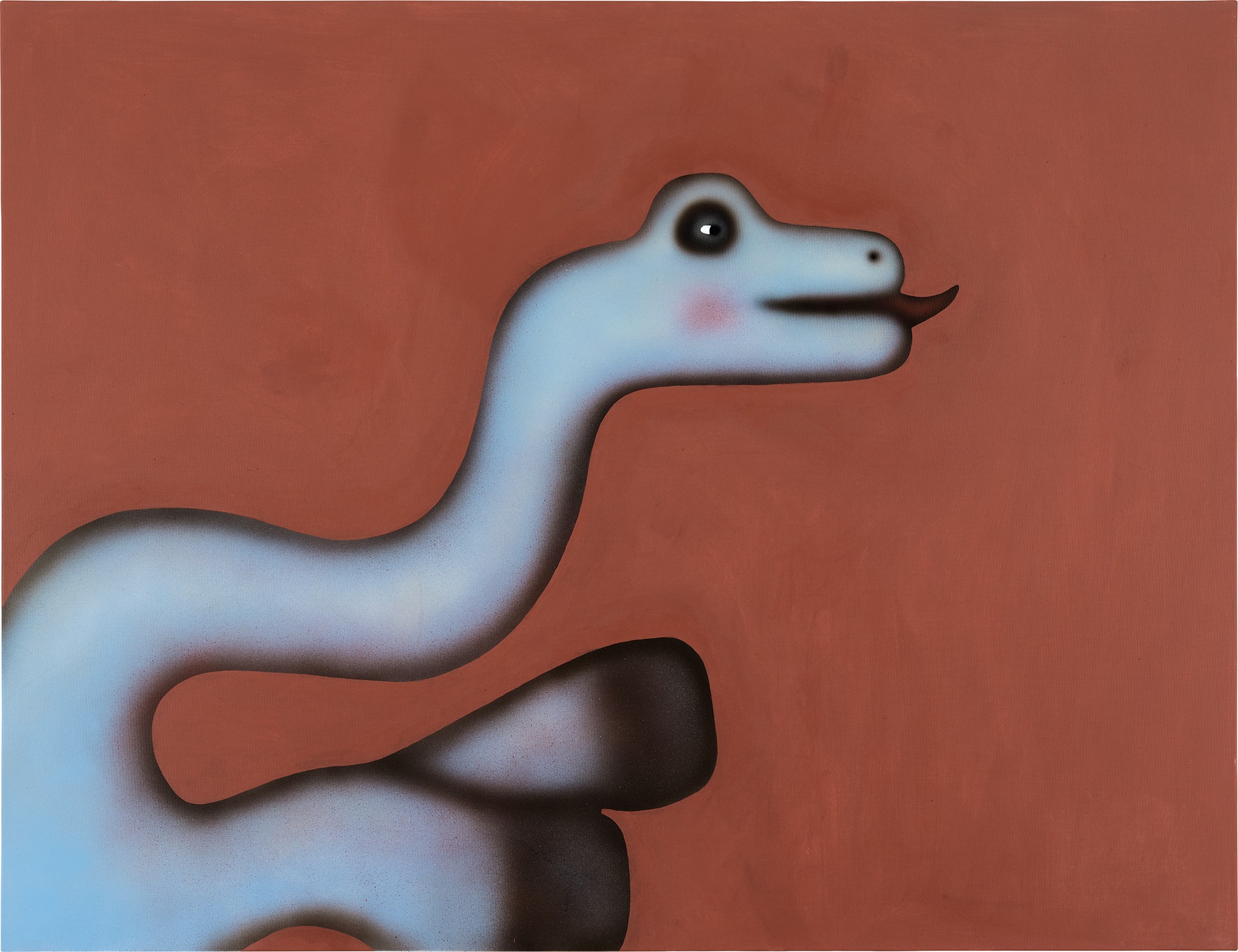
The title itself performs this balancing act, yoking the humble vegetable to the grandeur of chivalric tradition, and the painting delivers on that promise with a compositional assurance that suggests an artist who knows exactly what he is doing. For collectors who have had the chance to acquire this work, it occupies a wall with quiet authority. "Snakeneck" from 2021, executed in acrylic and pencil on canvas, demonstrates another dimension of Treadwell's practice: his willingness to let drawing and painting coexist on the same surface, each medium keeping the other honest. The pencil marks do not disappear under the acrylic but remain visible, lending the work a quality of thought in progress, as though the artist's hand and mind are still present in the object even after it has left the studio.
Felix Treadwell
Snakeneck, 2021
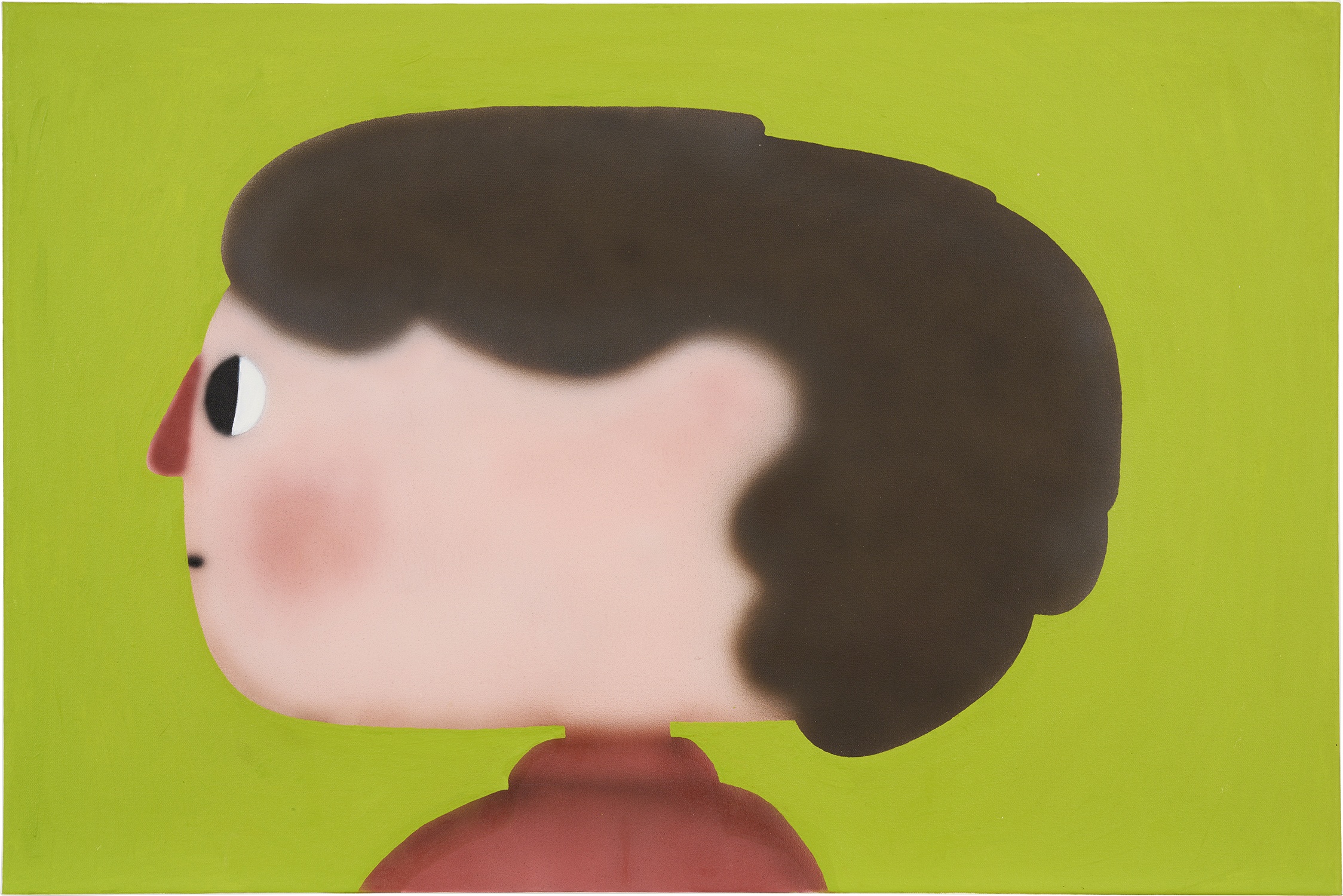
This is a quality that resonates with collectors who value process as well as finish. Similarly, "Feefy Head" in acrylic and pencil on canvas shows Treadwell using this hybrid approach to get at something elusive about a subject, the drawing serving as both foundation and counterpoint to the painted surface above it. The bilingual works are among the most intriguing in Treadwell's output. "聰明女孩" and "感到懷舊", both in acrylic on canvas, introduce Chinese characters into a body of work that otherwise operates in a Western figurative idiom, and the effect is not decorative but genuinely expansive.
"聰明女孩" translates as something close to "clever girl" or "smart girl", while "感到懷舊" carries the meaning of feeling nostalgic, of longing for something past. These are not exotic flourishes but emotional states rendered in another script, and their presence in Treadwell's work suggests an artist whose frame of reference is genuinely cross cultural rather than merely cosmopolitan in the superficial sense. For a collector building a thoughtful body of work, these canvases offer a point of entry into questions about language, memory, and identity that feel urgent in the current moment. "London Girl" from 2021 in oil on canvas marks a notable shift in medium, and it is worth paying attention to what oil does for Treadwell that acrylic does not.
Felix Treadwell
Feefy Head
The slower drying time and greater blendability of oil paint allow for a different quality of surface, one that catches light differently and carries a different relationship to art historical tradition. That Treadwell chose oil for a work with this particular title feels deliberate, as though the gravitas of the medium suits the subject, the London girl in question carrying the weight of a city's complexity on her shoulders. "Fedo with Creepers" from 2020 returns to acrylic and demonstrates Treadwell's facility with portraiture that extends beyond the human, combining a named subject with the botanical in a way that feels both specific and dreamy. The diptych "Two works: (i) Loving U; (ii) Dog Dozing" from 2019 is perhaps the most openly tender thing in Treadwell's known output.
Presented as a pair, the two canvases operate as a kind of emotional bracket, love on one end and rest on the other, and together they suggest a domestic world of real feeling. This is not sentimentality in the pejorative sense but sentimentality reclaimed as a serious artistic mode, the kind of work that Leo Tolstoy might have approved of, in which emotion is transmitted directly from maker to viewer without condescension. Collectors who have lived with this diptych report that its quiet presence in a room tends to shift the atmosphere of that room in ways they find difficult to articulate but are reluctant to relinquish. In terms of art historical context, Treadwell's practice resonates with a lineage of painters who have found richness in the modestly scaled, the personally observed, and the gently surreal.
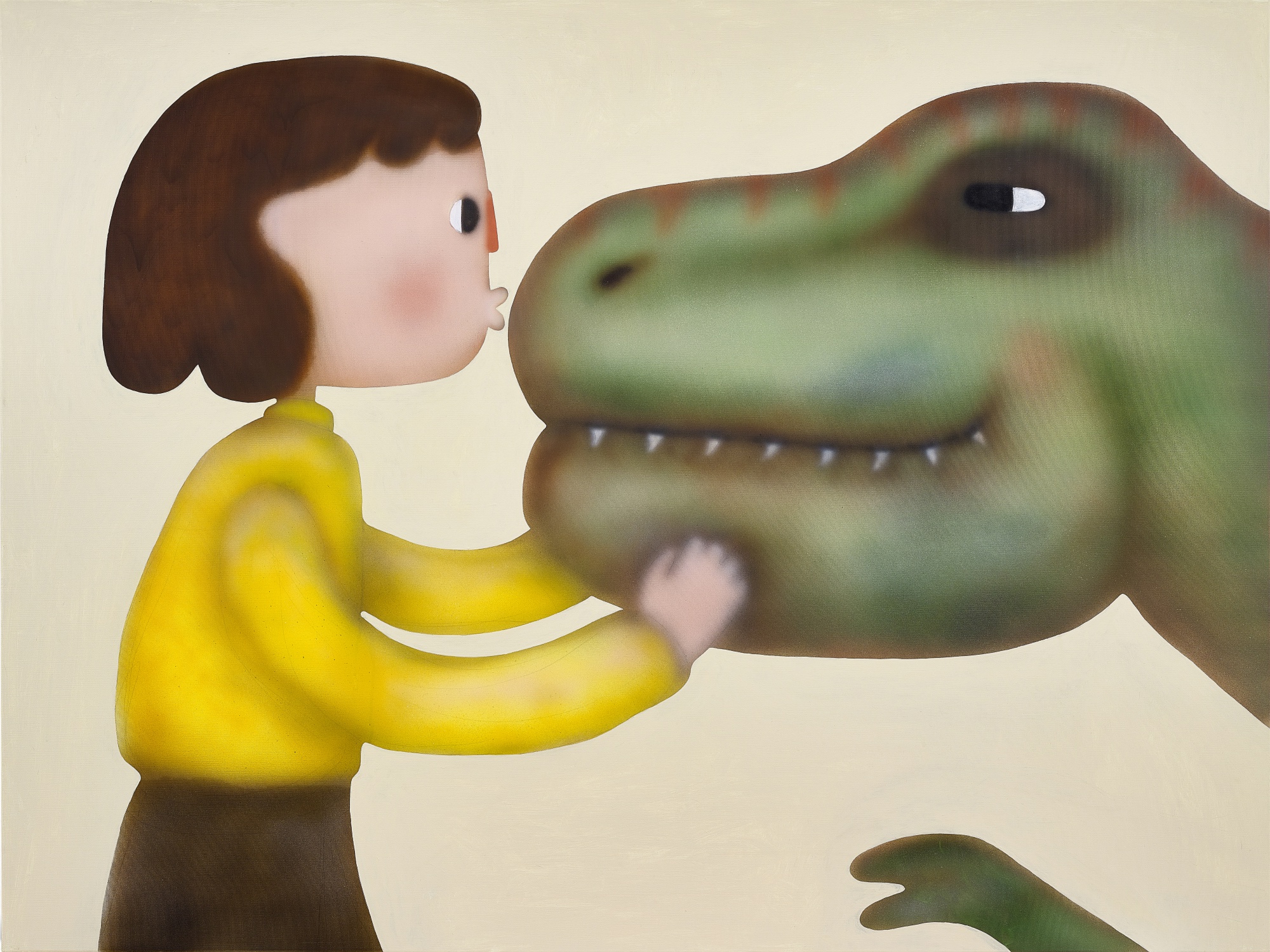
Felix Treadwell
聰明女孩
One might think of the tender strangeness of Peter Doig, or the intimate figuration of Cecily Brown at her most personal, or the way that certain painters associated with the Royal College of Art tradition have always maintained a conversation between drawing and painting as distinct but related disciplines. Treadwell is not derivative of any of these figures but he is in conversation with the broader tradition they represent: painting as a vehicle for emotional intelligence rather than theoretical demonstration. For collectors approaching Treadwell's work for the first time, several things are worth noting. His canvases reward proximity, the pencil work in particular becoming richer the closer one gets.
His titles are not incidental but load bearing, and reading them alongside the images deepens the experience considerably. And the range of emotional registers across his practice, from the playfully absurd to the genuinely melancholic, from the bilingual to the purely visual, suggests an artist whose collecting depth will reward those who acquire more than one work. A single Treadwell is a pleasure. A group of them begins to feel like a worldview.
Treadwell is still in the earlier stages of what promises to be a substantial career. The works available on The Collection represent an opportunity to engage with a painter at a formative and generative moment, before the institutional attention that his work deserves begins to narrow access. There is a particular satisfaction in being among the first to understand what an artist is doing, and with Felix Treadwell, the understanding comes quickly: this is someone who paints because the world, looked at carefully enough, is inexhaustibly strange and worth celebrating.