Dawoud Bey
Dawoud Bey Sees Us All Clearly
Artist Spotlight · The Collection Editorial
“I wanted the people in my pictures to be as present and as dignified as possible.”
Dawoud Bey, Art Institute of Chicago
In 2023, the Art Institute of Chicago presented a landmark retrospective of Dawoud Bey's work, affirming what collectors and curators had long understood: that this quietly visionary American photographer is among the most morally serious and aesthetically rigorous artists of his generation. The exhibition drew together five decades of practice, from the searching street portraits of 1970s Harlem to the hushed, elegiac landscapes of his "Night Coming Tenderly, Black" series, and positioned Bey not merely as a documentarian but as a philosopher of looking. For those who had followed his career across galleries, institutions, and private collections, the retrospective felt less like a discovery and more like a long overdue celebration. Bey was born in 1953 in Jamaica, Queens, New York, and grew up in a household where looking carefully at the world was understood as a form of respect.
Dawoud Bey
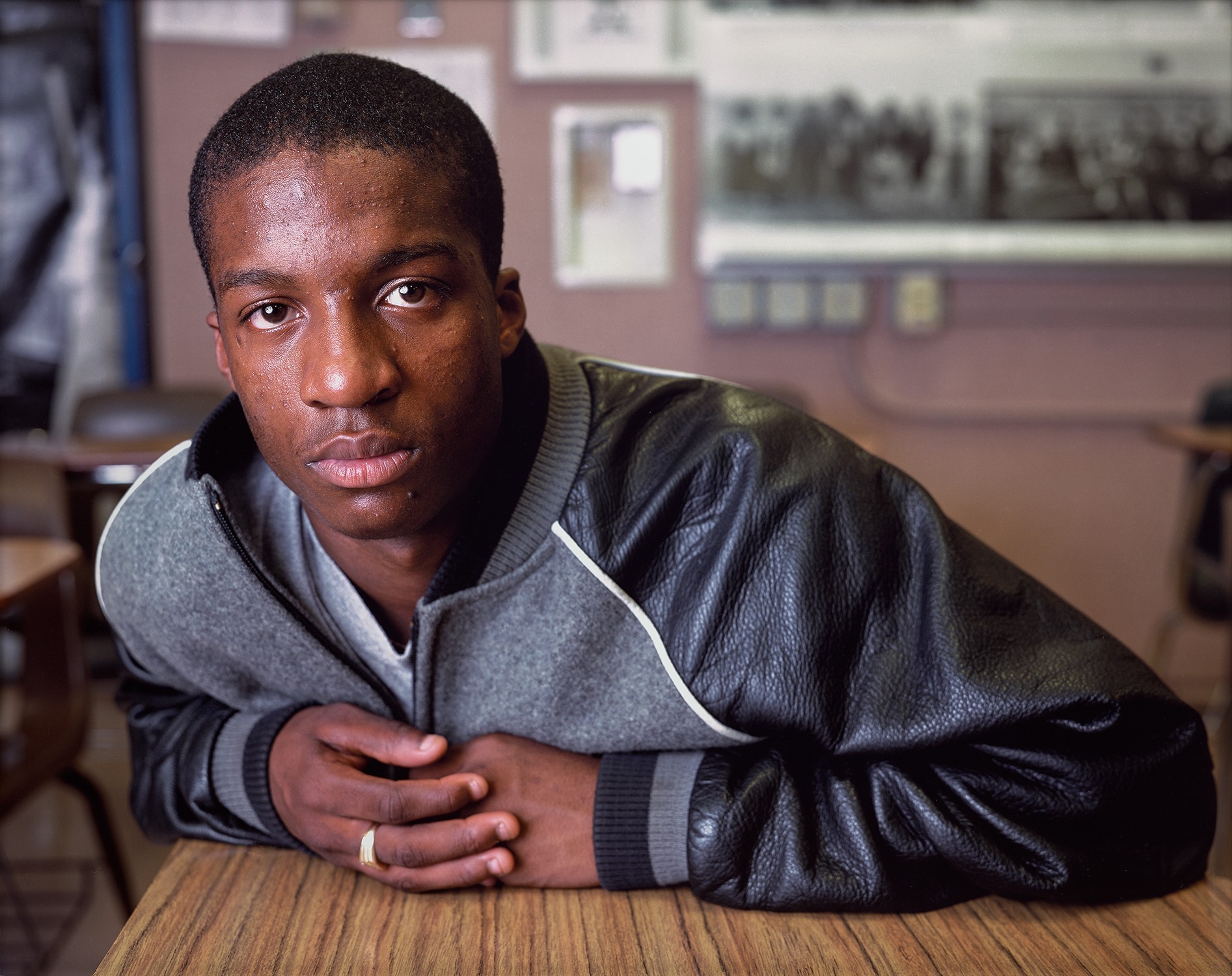
Joseph, School Of Arts, San Francisco from Class Pictures
A pivotal early encounter came in 1969, when as a teenager he visited the Metropolitan Museum of Art and encountered the exhibition "Harlem on My Mind." The show, controversial and widely debated, struck the young Bey not for its answers but for its questions about representation, about who gets to frame a community and how. He left the museum with a sense of urgent purpose, and within a few years he had a camera in his hands and was walking the streets of Harlem, beginning the work that would define his earliest mature practice. His series "Harlem USA," made between 1975 and 1979 with a 35mm camera, announced a sensibility that was both tender and unflinching.
Bey moved through the neighborhood as a participant rather than an observer, building the kind of trust with his subjects that transforms a photograph from a document into a conversation. The images carry the warmth of genuine encounter: people look back at the lens not with suspicion but with a kind of open dignity, as though they understand that being seen by Bey means being seen fully. These early works established the ethical foundation upon which everything that followed would be built. Through the 1980s and into the 1990s, Bey made a significant formal leap when he began working with the large format camera.
Dawoud Bey
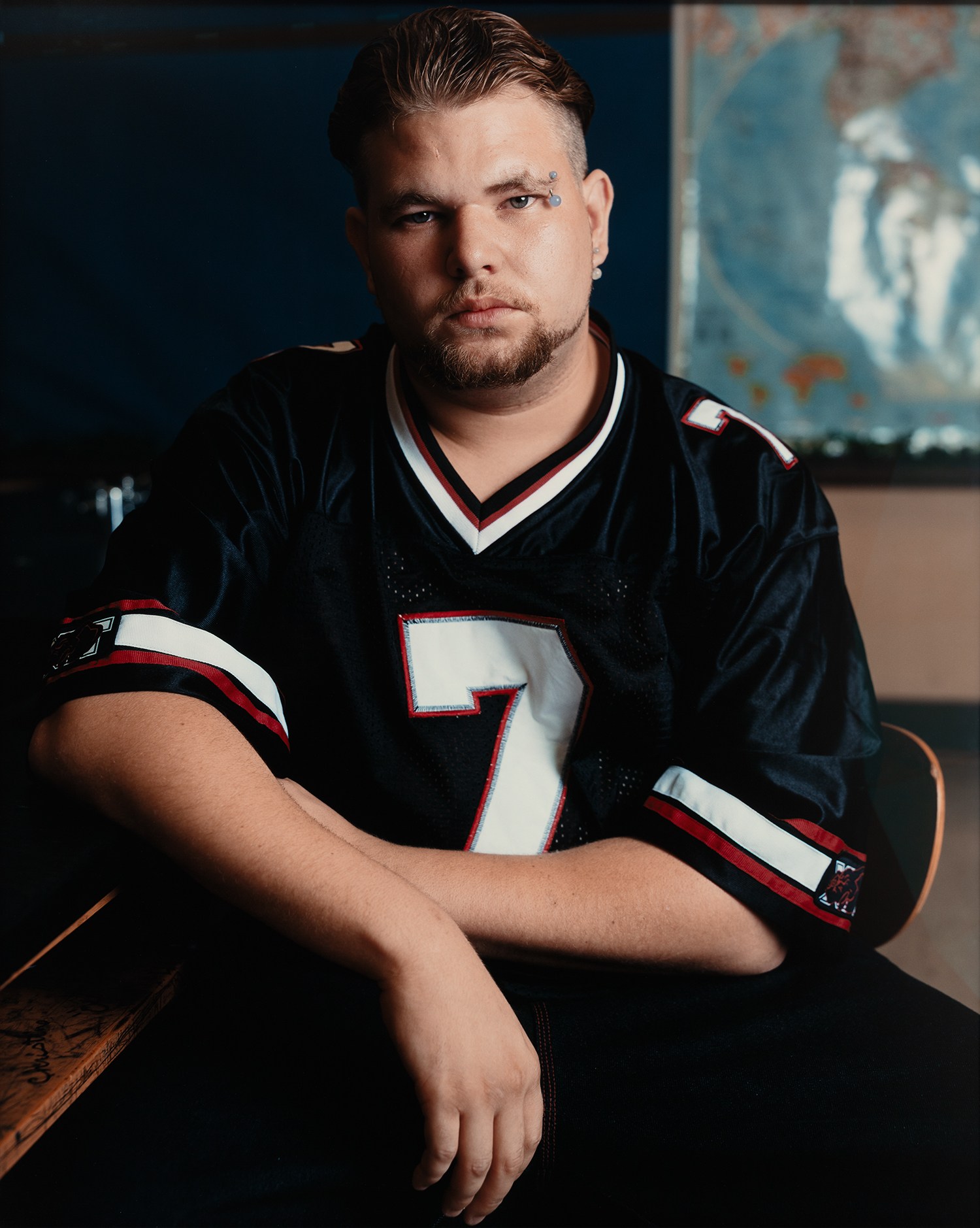
Robert, Chadsey High School, Detroit from Class Pictures
The shift was not merely technical. The large format process is slow, deliberate, and collaborative: the photographer and subject must both commit to the act of making a picture. Works from this period, including the internal dye diffusion transfer prints on multiple framed panels, demonstrated his interest in scale, texture, and psychological depth. His portrait "Oneika I" from 1996, presented across six framed panels, exemplifies this ambition.
“Photography has always been about trying to make the invisible visible.”
Dawoud Bey
The fractured and reunified image suggests that a person cannot be contained in a single frame, that identity is multiple and layered and worthy of extended attention. The "Class Pictures" series, made between 2000 and 2001 and exhibited widely thereafter, brought Bey's portrait practice into dialogue with American public education and the particular experience of adolescence. Working in high schools across the United States, from San Francisco to Detroit to smaller cities in between, Bey photographed teenagers alongside text panels in which the subjects speak in their own words about their lives, their hopes, and the way the world perceives them. Works such as "Joseph, School of Arts, San Francisco" and "Robert, Chadsey High School, Detroit" are among the most humanizing portraits in contemporary photography.
Dawoud Bey
Dawoud Bey
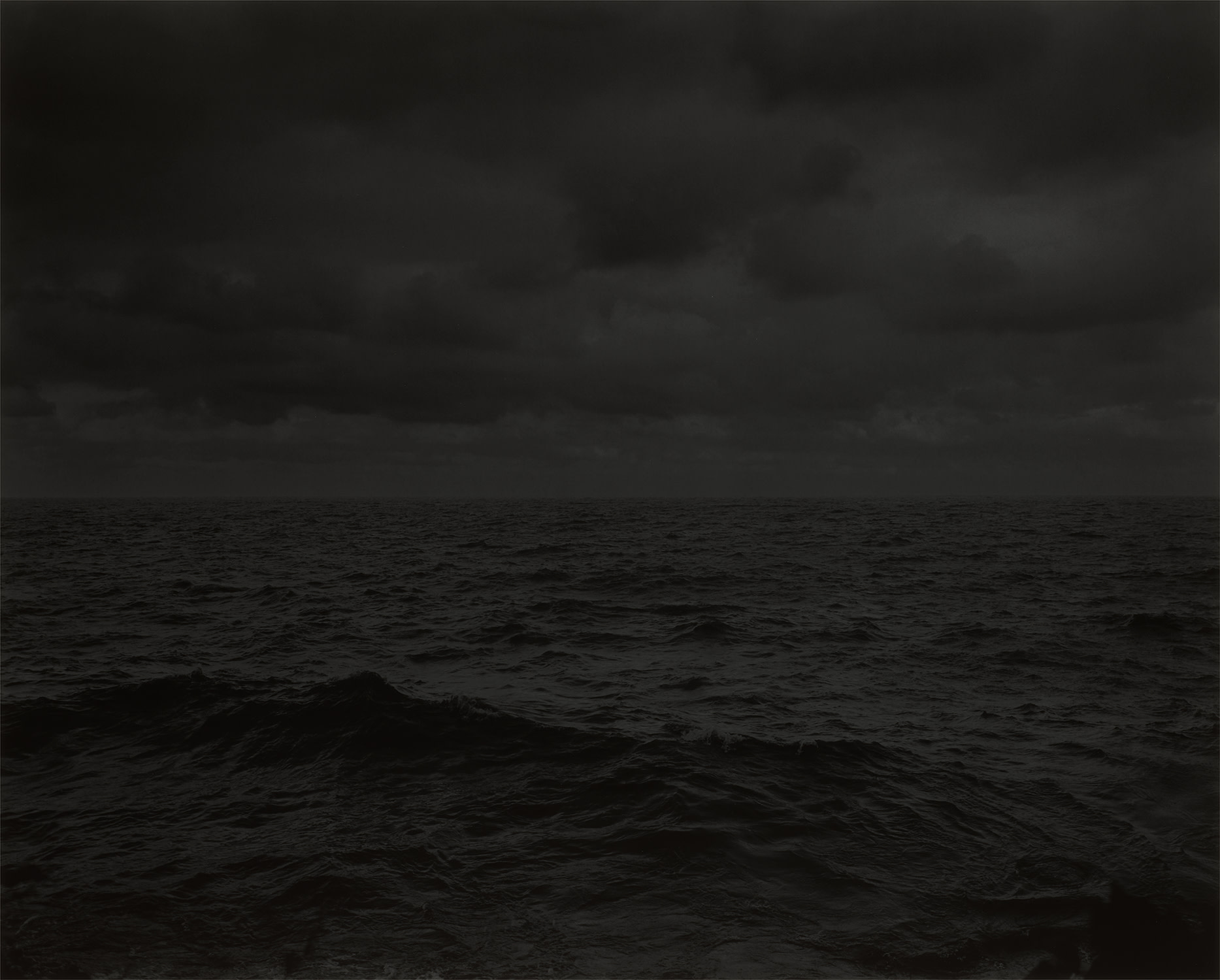
Each image is a chromogenic print flush mounted alongside the subject's own testimony, insisting that the visual and the verbal are equally necessary to understanding a person. His series "Night Coming Tenderly, Black," first exhibited in 2017 as part of the citywide public art initiative FRONT International in Cleveland, Ohio, represents a profound and moving evolution in his practice. Inspired by the history of the Underground Railroad and the landscape of northeastern Ohio through which freedom seekers moved in darkness, the series foregoes the human figure almost entirely. Instead, Bey photographs forests, fields, and shorelines at night, using long exposures that render the darkness as a luminous, enveloping presence.
The absence of figures becomes the presence of history: the people who moved through these landscapes are felt rather than seen, honored in shadow and light. It is among the most poetic and emotionally resonant bodies of work in recent American art. For collectors, Bey's work represents a rare convergence of critical importance and emotional power. His prints are held in major public collections including the Museum of Modern Art in New York, the Whitney Museum of American Art, the Art Institute of Chicago, and the Smithsonian American Art Museum, among many others.
Dawoud Bey
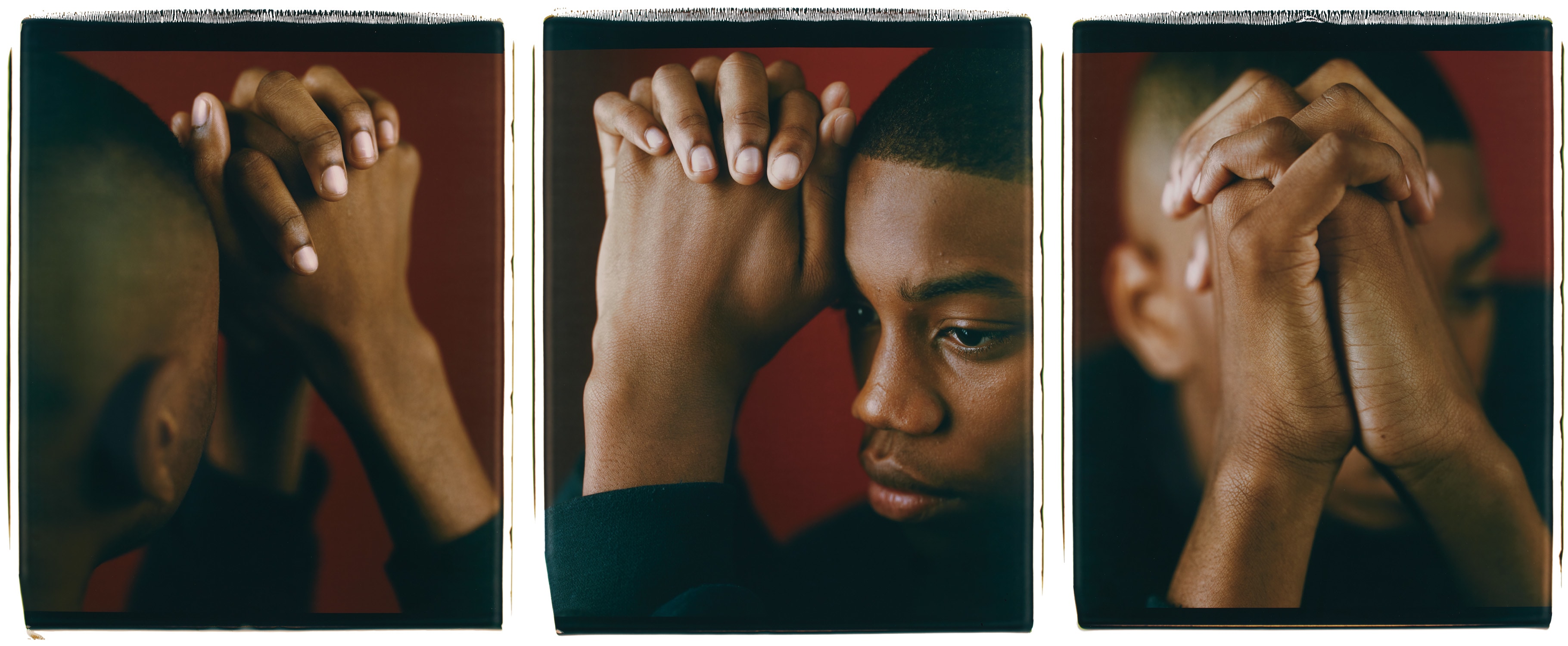
Eugene
This institutional depth provides confidence to collectors entering the market, and the sustained critical attention his work receives ensures that new audiences continue to engage with it. Works from the "Class Pictures" series, particularly those featuring the distinctive chromogenic print and text panel format, are especially sought after for their formal elegance and their ability to anchor a serious collection around questions of representation and social history. Bey's practice sits in meaningful dialogue with a lineage of photographers who have used the medium to bear witness to Black American life and to assert the beauty and complexity of their subjects. Gordon Parks, whose socially engaged documentary work in mid twentieth century America laid important groundwork, is a clear predecessor.
Roy DeCarava, who brought a painterly darkness and intimacy to Harlem street photography, is another essential reference. Among Bey's contemporaries, Carrie Mae Weems and LaToya Ruby Frazier share his commitment to portraiture as a form of social and political argument. Together these artists form a tradition of the camera as an instrument of dignity, and Bey occupies a central and distinguished place within it. What makes Dawoud Bey's legacy so durable and so necessary is the consistency of his ethical commitment across every formal evolution in his practice.
Whether he is working with a 35mm camera on a Harlem street, a large format camera in a high school gymnasium, or a digital sensor in a moonlit Ohio forest, the question animating his work remains the same: what does it mean to look at another person, or at the landscape they carry within them, with complete and undivided attention? His answers, accumulated across five decades of extraordinary images, amount to one of the most sustained and searching meditations on American identity in any medium. To collect Bey is to invest not only in an artist at the height of his powers but in a vision of photography as one of the great humanist arts.
Explore books about Dawoud Bey