Charlotte Perriand
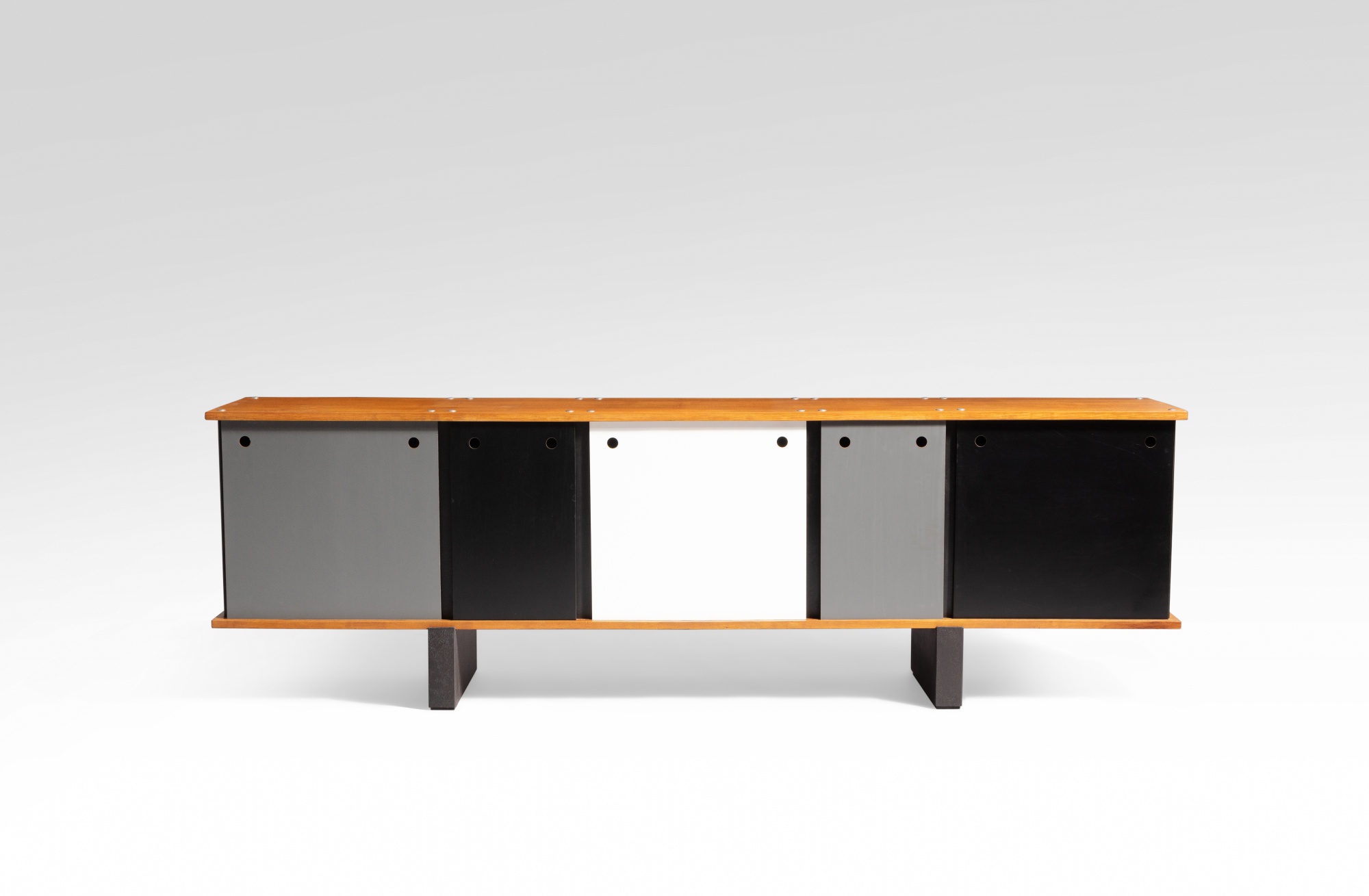
Charlotte Perriand, Architect of Beautiful Living
Artist Spotlight · The Collection Editorial
“The art of living is about creating harmony between people and their environment.”
Charlotte Perriand
In the spring of 2019, the Fondation Louis Vuitton in Paris mounted a landmark retrospective celebrating the full arc of Charlotte Perriand's extraordinary career, drawing visitors from across the design and art worlds to reckon with a body of work that had quietly shaped the way we inhabit space for nearly a century. The exhibition gathered furniture, photographs, architectural models, and personal correspondence into a portrait of a woman who had never stopped asking what a well lived life could look like. For collectors and curators alike, it was a moment of overdue reckoning. Perriand had always been present, her fingerprints on the modernist canon unmistakable, yet the full scope of her vision had rarely been held up to the light so completely.
Charlotte Perriand
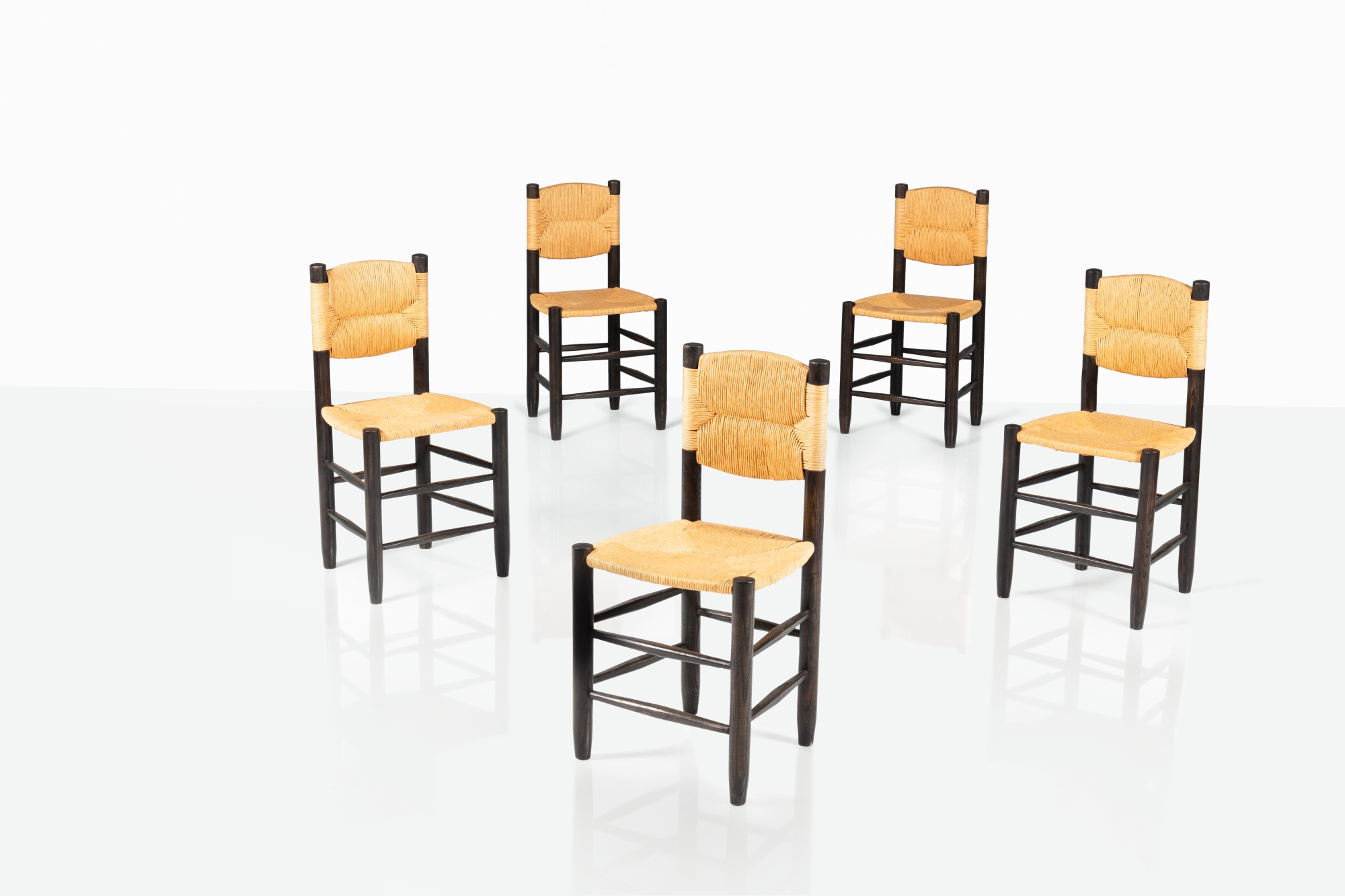
Suite de cinq chaises n°18 dites Bauche
Charlotte Perriand was born in Paris in 1903 and grew up in an environment that encouraged both craft and ambition. She studied at the École de l'Union Centrale des Arts Décoratifs from 1920 to 1925, where she developed the technical fluency and aesthetic sensibility that would define her practice. The Paris of her formation was a city of ferment, alive with the energies of Art Deco, the emerging vocabulary of the machine age, and the radical social philosophies that were reshaping how architects and designers understood their responsibilities to ordinary people. Perriand absorbed all of it, but she was never a passive recipient.
From the beginning, she brought her own urgency to questions of how furniture and space could serve human dignity. In 1927, Perriand approached the studio of Le Corbusier and Pierre Jeanneret seeking a position. Le Corbusier famously rebuffed her at first, reportedly dismissing embroidery and cushions as beneath the studio's concerns, but after seeing her Bar sous le toit installation at the Salon d'Automne that same year, he invited her to join. She would collaborate with the studio for a decade, and the work produced during those years changed the history of design.
Charlotte Perriand
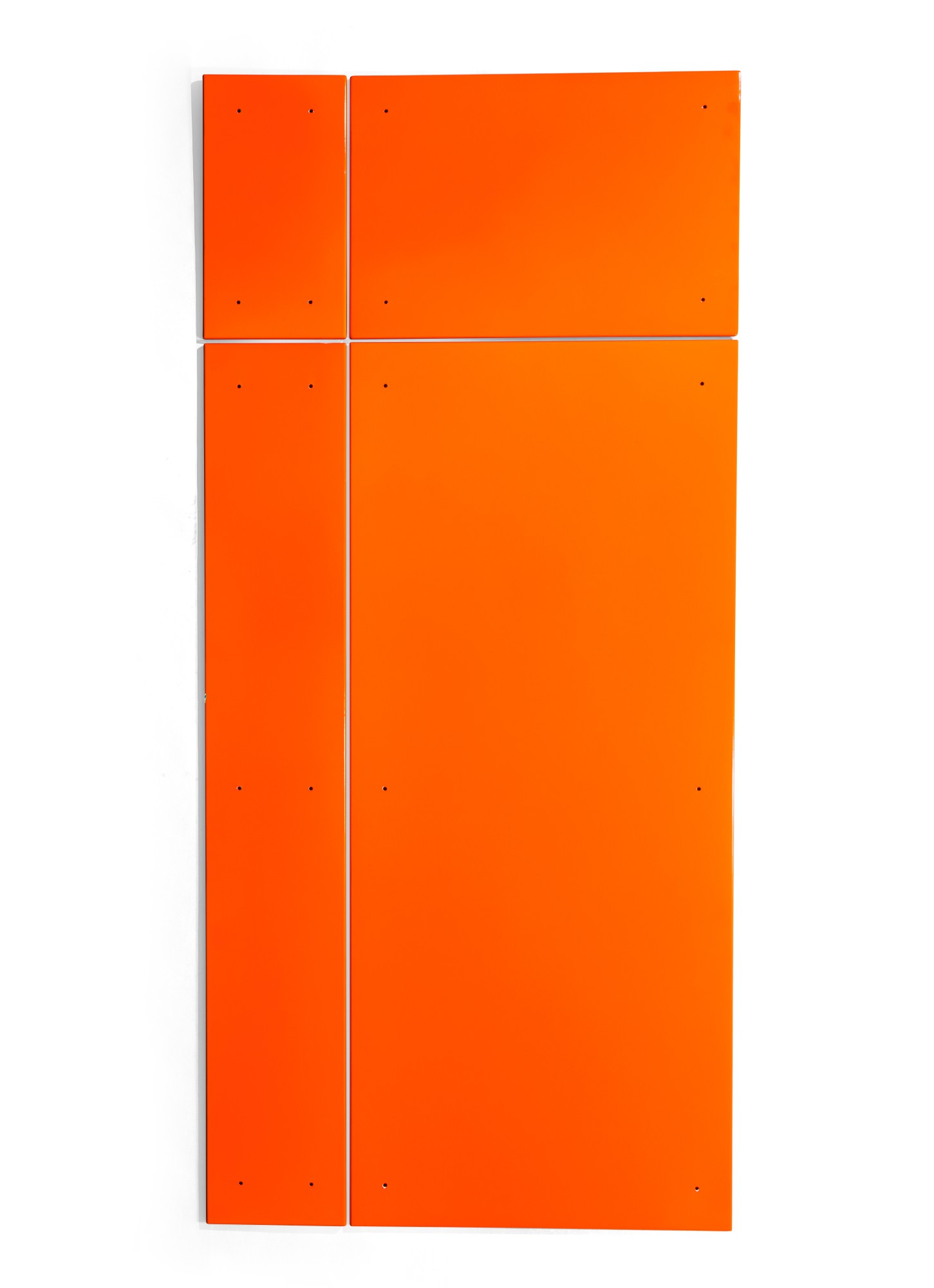
Four panels wall, circa 1960
The LC4 chaise longue, the LC7 rotating armchair, and the LC2 grand confort chair all emerged from this period and bear the imprint of Perriand's deep engagement with the human body, with comfort as a form of respect. Sorting out attribution has long occupied design historians, and the consensus today gives Perriand substantially more credit than mid century narratives allowed. The trajectory of her practice took a decisive turn in 1940 when the Japanese Ministry of Commerce and Industry invited her to Tokyo as an advisor on industrial design. Her two years in Japan proved to be one of the most creatively transformative periods of her life.
“I wanted to create an art of living for everyone, not just for the privileged few.”
Charlotte Perriand, retrospective interview
She developed a profound appreciation for Japanese craft traditions, the use of natural materials, the relationship between interior and exterior space, and the elegance of reduction. These influences wove themselves permanently into her vocabulary. When she returned to Europe and resumed work in France, her designs for mountain refuges and residential interiors in the Alps reflected a synthesis of modernist rigor and Japanese spatial philosophy that no other European designer of her generation had achieved. Among the works that best reveal this synthesis are the pieces she created for the resort town of Les Arcs and for various projects in Méribel, where her stacking and modular furniture responded to the specific social and physical demands of mountain living.
Charlotte Perriand
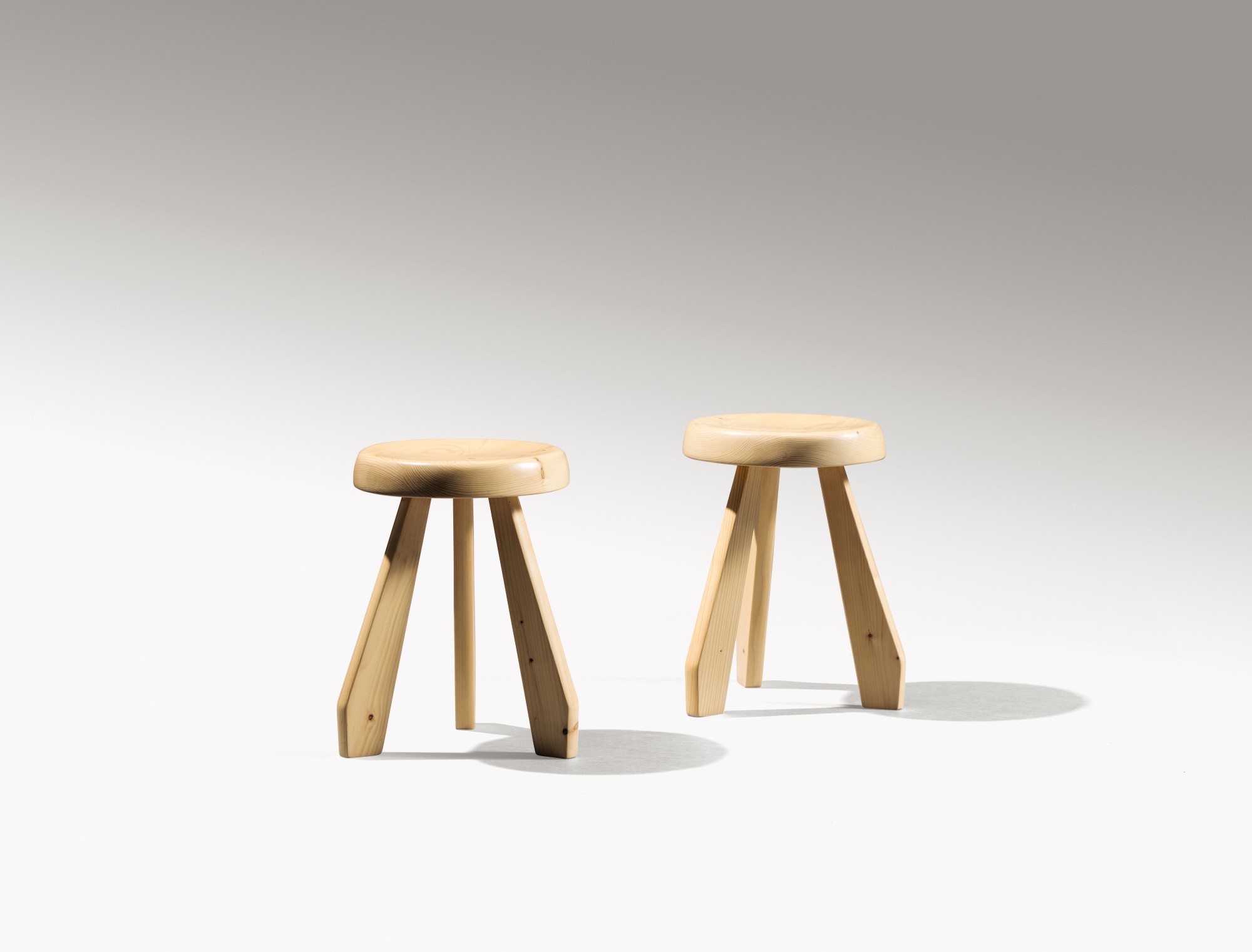
Pair of stools, designed circa 1962
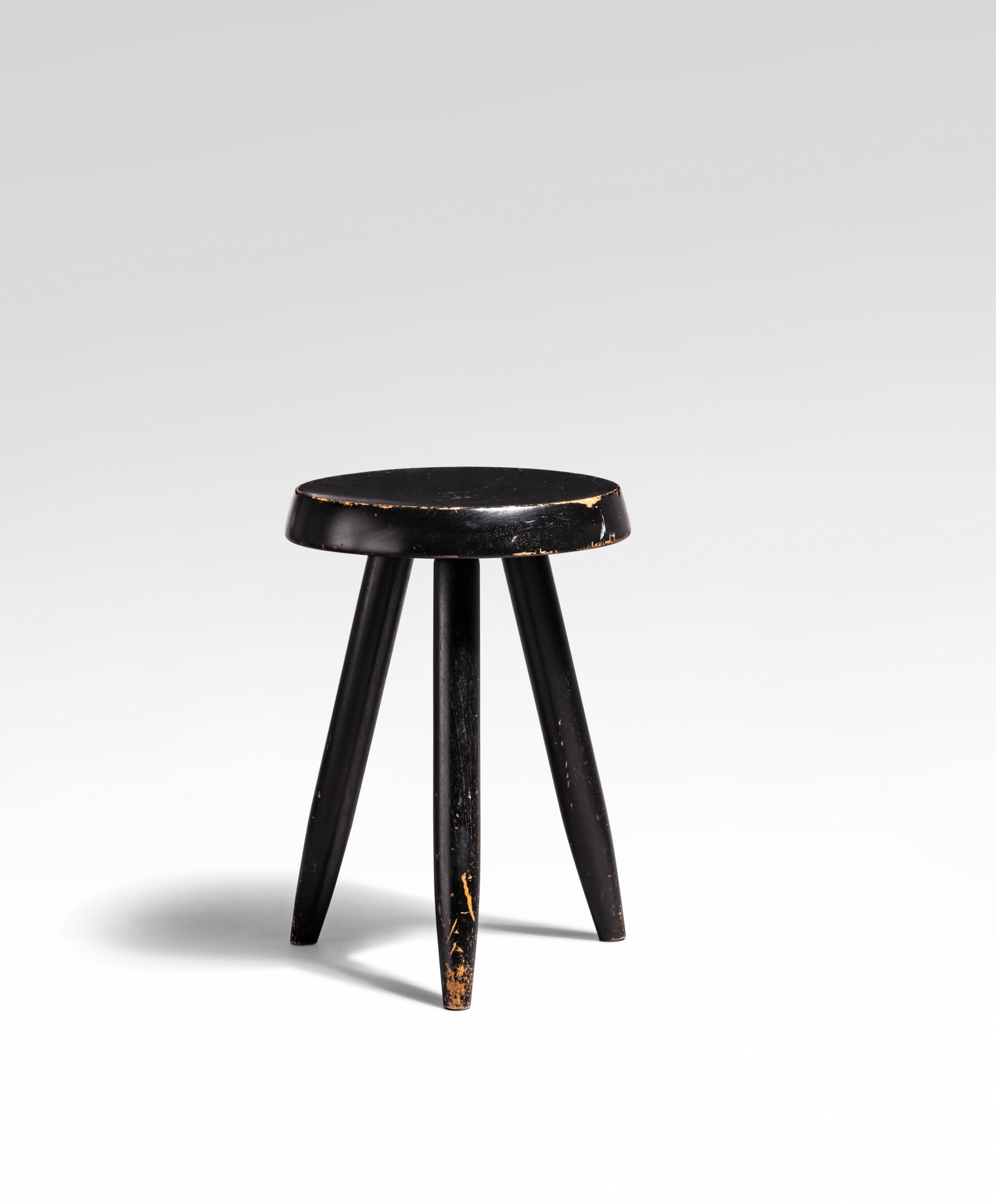
The Suite de dix chaises dites Méribel, a set of chairs she designed for the Méribel ski resort, exemplifies her approach: forms stripped to their essential logic, materials chosen for honesty and endurance, and a warmth that transcends functionality. Her Berger stools from 1953, rendered in tinted wood with lacquered variations, demonstrate the same economy of means. The Tokyo bench, her work on the Cansado mining town project in Mauritania during the 1950s, and her wall panel compositions of around 1960 each reveal a designer who moved fluidly between scales and contexts, never losing the human measure. For collectors, Perriand's work occupies a particularly compelling position in the market.
Her pieces appear regularly at Christie's, Sotheby's, and Phillips, where they consistently attract serious attention from both design focused collectors and those whose primary passion lies in postwar art more broadly. The appeal is layered: there is the historical importance, the direct connection to the heroic period of European modernism, and then there is the simple, lasting beauty of the objects themselves. Pieces with clear provenance and original finishes command the strongest prices, and works tied to specific architectural projects, such as the mountain resort commissions, carry an additional narrative weight that sophisticated buyers find irresistible. The Cansado sideboard with its five doors represents the kind of large scale, architecturally conceived work that anchors a serious collection, while the stools and chairs offer accessible points of entry without sacrificing significance.
Charlotte Perriand
Tabouret Berger haut
To understand Perriand fully it helps to situate her within a constellation of designers and architects who were collectively reimagining the domestic interior in the mid twentieth century. Jean Prouvé, her frequent collaborator and close contemporary, shared her commitment to industrial production in service of democratic living. Pierre Jeanneret, with whom she maintained both professional and personal ties throughout her life, brought a structural sensitivity that complemented her spatial intuition. Further afield, the work of Alvar Aalto in Finland and Isamu Noguchi in the United States occupied related territory, exploring how natural materials and organic forms could coexist with modernist principles.
Perriand knew and admired these worlds, and her legacy sits comfortably in their company while retaining its own distinct character. Charlotte Perriand lived and worked until the very end of a century she had helped to shape, dying in Paris in 1999 at the age of 96. The longevity of her career meant that she was able to witness the rehabilitation of her reputation and the growing recognition that her contributions had been undervalued for too long. Today her work stands not only as a chapter in design history but as a living argument for what design can be when it takes human flourishing seriously.
Her pieces in homes and collections around the world continue to function exactly as she intended, offering comfort, elegance, and the quiet pleasure of inhabiting space that was made with genuine intelligence and care.
Explore books about Charlotte Perriand

Charlotte Perriand: An Art of Living
Jacques Barsac

Charlotte Perriand: Designer and Architect
Véronique Boone

Charlotte Perriand: 1903-1999
Jacques Barsac
Charlotte Perriand: The Modern Life
Dominique Rouillard
Charlotte Perriand: Complete Works, 1927-1987
Véronique Boone

Charlotte Perriand: Inventing a Life
Aurélien Bellanger

A Life of Creation: Charlotte Perriand
Jean-Pierre Criqui