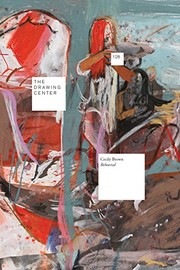
Cecily Brown

Cecily Brown Paints the World Alive
Artist Spotlight · The Collection Editorial
“I want a painting to feel like it could have been made in an hour, even if it took six months.”
Cecily Brown, Interview Magazine
In 2023, Cecily Brown was the subject of a landmark retrospective at the Metropolitan Museum of Art in New York, a rare and deeply affirming honor for a living painter. Titled "Cecily Brown: Death and the Maid," the exhibition gathered decades of her most significant canvases and announced, with institutional authority, what devoted collectors and curators had long understood: that Brown is among the most important painters working today. The Met's grand galleries, hung floor to ceiling with her swirling, luminous oils, felt less like a museum survey and more like an act of immersion, proof that painting, at its most committed and most alive, can still stop a room cold. Brown was born in London in 1969 into a family steeped in creative life.
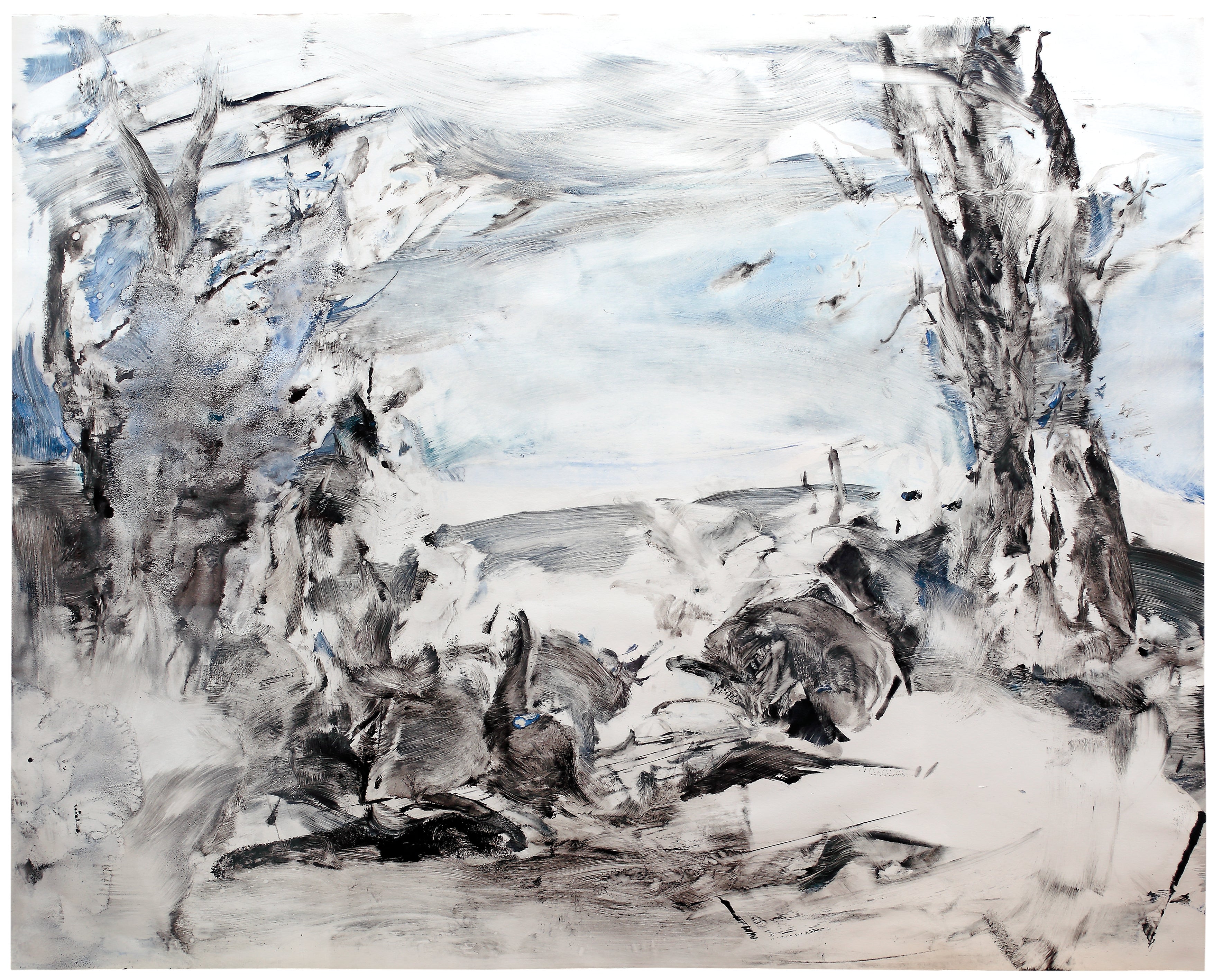
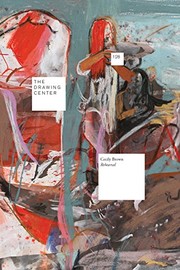
Cecily Brown
Untitled, 2002
Her father is the novelist Martin Amis, and her mother, the artist and writer Gillon Aitken's client base aside, was a presence who understood the demands of a creative calling. Brown studied at the Slade School of Fine Art in London, one of Britain's most rigorous and respected art institutions, before making the decisive move to New York in the mid 1990s. That relocation proved transformative. The energy of the New York art world, its history and its ambition, absorbed her completely, and she became part of a generation of painters who refused to accept that the medium had exhausted itself.
Her early work announced itself with startling confidence. Brown began exhibiting with Gagosian Gallery in New York in the late 1990s, and her debut shows generated immediate critical attention. Works like "Untitled (Trapeze)" from 1997 already revealed her central preoccupation: the tension between abstraction and figuration, between chaos and legibility. Bodies seemed to emerge from and dissolve back into cascading fields of paint.
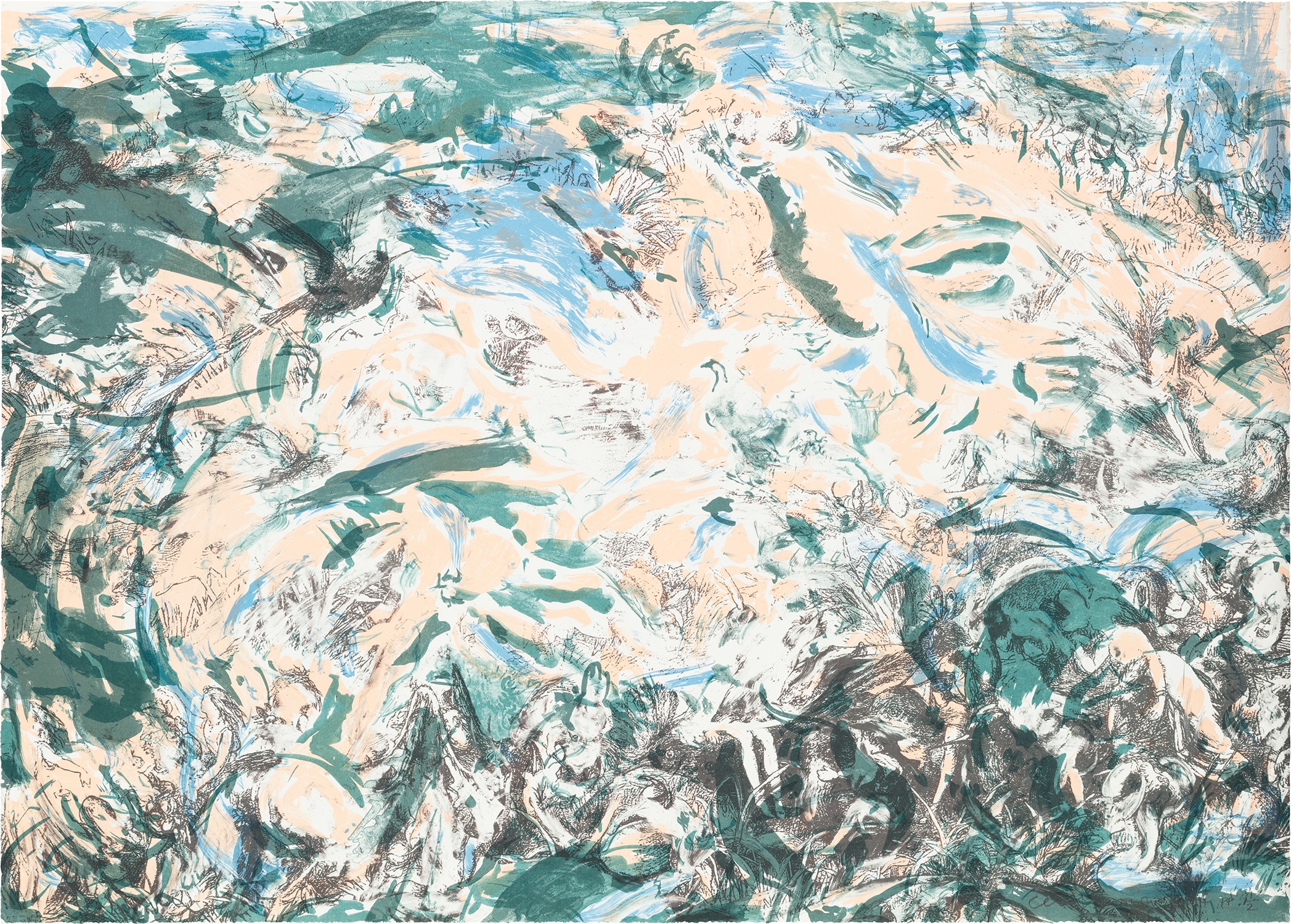
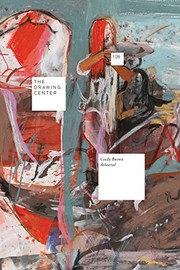
Cecily Brown
Who Killed Cock Robin?
Limbs, gestures, and forms suggested themselves and then retreated, leaving the viewer in a state of pleasurable uncertainty. This was painting that demanded sustained looking, and it rewarded exactly that. Brown's practice is rooted in an unusually deep engagement with art history. She has spoken openly about the artists who shaped her thinking, and those influences are visible without ever being imitative.
The fleshy opulence of Rubens, the ecstatic energy of Peter Paul's mythological scenes, flows through her work as a kind of inherited permission to be unashamed about sensuality and scale. Abstract Expressionism, particularly the gestural intensity of Willem de Kooning, whose figures similarly blur the boundary between bodies and pure paint, provides another crucial foundation. But Brown brings her own urgency to these conversations, folding in references to Francis Bacon, to Francisco Goya, and to the long history of the nude, all while maintaining a distinctly contemporary voice. Among her most celebrated works, "Girl Eating Turtle Dove" from 2011 stands as a remarkable achievement.
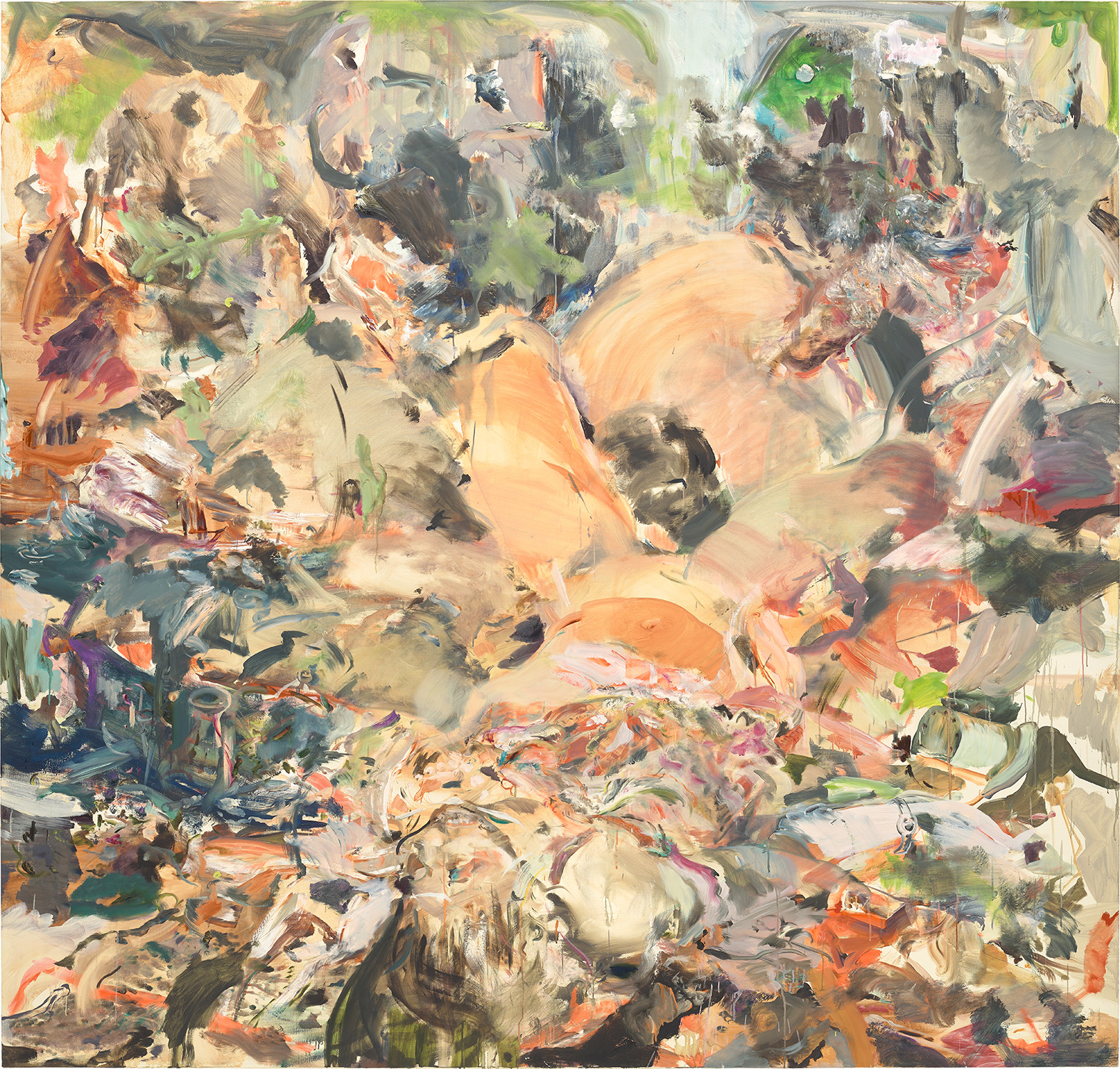
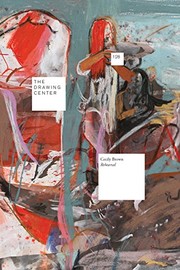
Cecily Brown
Skulldiver II, 2006
The diptych format amplifies the sense of abundance and disorder that defines her vision, and the subject, at once violent and tender, typifies her ability to hold contradictory emotional registers simultaneously. "Skulldiver II" from 2006 and "Free Games for May" from 2015 demonstrate the evolution of her palette and her increasing willingness to let passages of near abstraction dominate entire sections of a canvas. Works on paper, including her monotypes in oil and her offset lithographs, reveal a printmaker's sensitivity to tone and surface alongside her painter's instinct for gesture. Each medium she touches she makes entirely her own.
For collectors, Brown represents a compelling proposition with a robust and well documented market history. Her oils on linen consistently achieve strong results at auction, with works regularly appearing at Christie's, Sotheby's, and Phillips. The major institutions that hold her work, among them the Museum of Modern Art, the Guggenheim, the Tate, and the Hirshhorn Museum and Sculpture Garden, provide a framework of institutional confidence that reinforces her market standing. Collectors drawn to the New York School and to post war painting often find Brown a natural next step, an artist who synthesizes that heroic tradition and carries it forward with genuine invention.
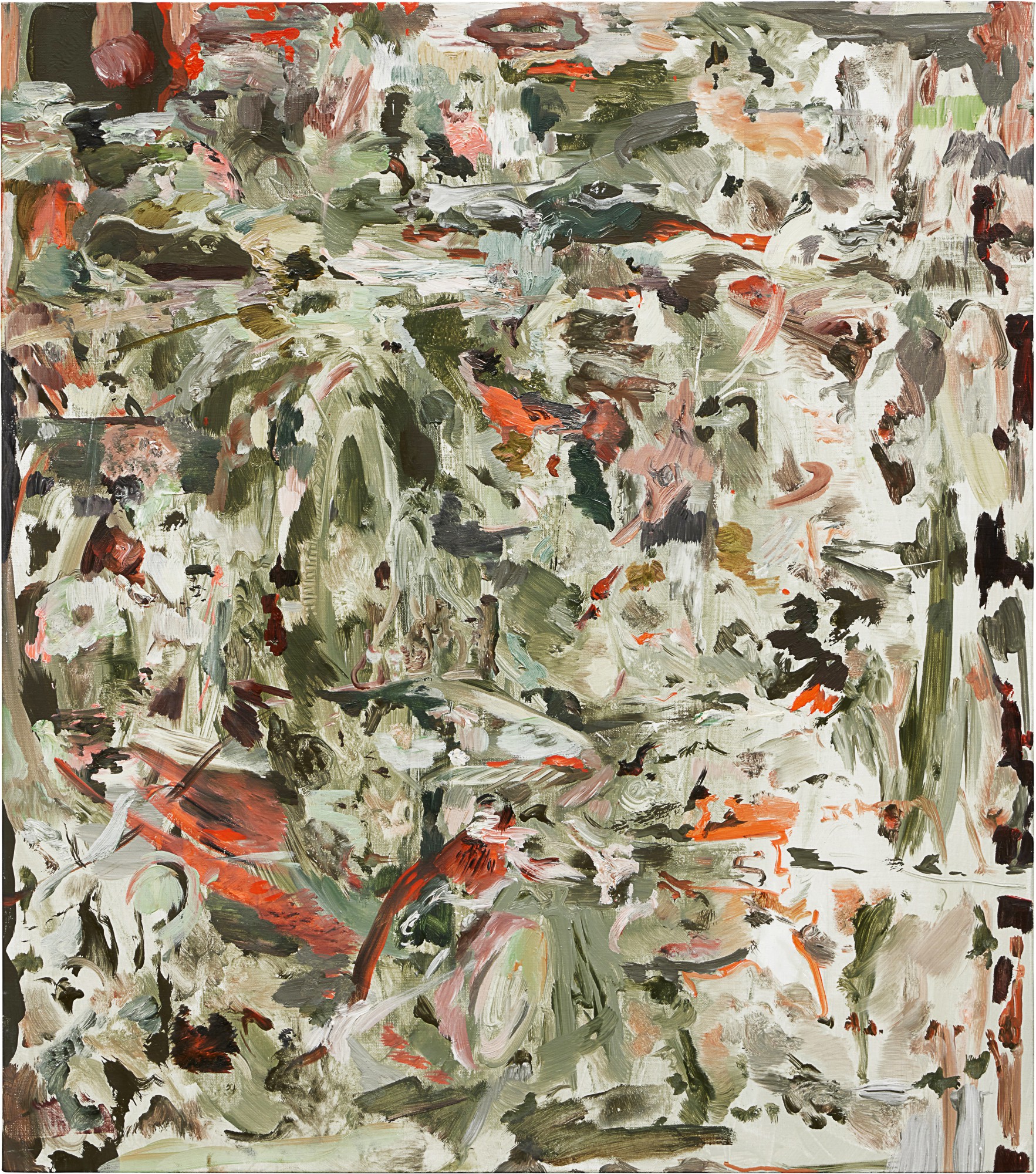
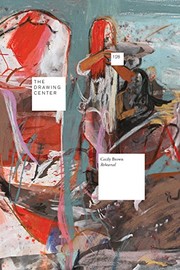
Cecily Brown
The Fox and Geese 狐狸和鵝
Works on paper and prints offer meaningful points of entry for collectors building toward larger acquisitions, and her prints reward close attention for their intimate relationship to the larger painted works. To understand Brown fully is to understand her place in a broader lineage of painters who refused easy categorization. She belongs in conversation with contemporaries such as Lisa Yuskavage, Dana Schutz, and Jenny Saville, artists who share her commitment to the figure as a site of psychological and physical complexity. She also stands in a transatlantic dialogue with painters like Luc Tuymans and Neo Rauch, each working through the weight of art history from their own distinct position.
What distinguishes Brown is the particular quality of her abandon, the sense that each canvas is a fully committed act, neither cautious nor self congratulatory, but genuinely in pursuit of something difficult to name. Cecily Brown matters today because painting matters, and she has spent thirty years demonstrating why. At a moment when the art world cycles through media and movements with relentless speed, her devotion to the canvas and to the long conversation of painting history is not nostalgic but radical. The Metropolitan retrospective confirmed what the best collections already knew: that her work grows in power over time, that canvases made twenty years ago feel as alive as anything completed last year.
She is an artist whose ambitions are fully equal to her gifts, and whose place in the history of contemporary painting is not a matter of speculation but of settled, joyful fact.
Explore books about Cecily Brown