Caleb Hahne Quintana
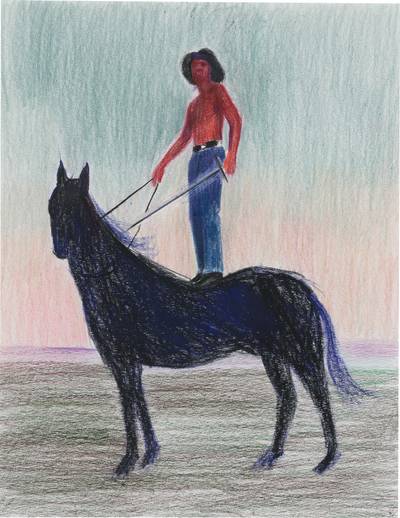
Caleb Hahne Quintana Paints the Light Within
Artist Spotlight · The Collection Editorial
Something quietly extraordinary is happening in contemporary American figurative painting, and Caleb Hahne Quintana sits at its luminous center. The Denver based artist, still in his late twenties, has become one of the most talked about painters of his generation, drawing the attention of major galleries, serious collectors, and institutions that recognize a singular voice when they encounter one. His works carry the rare quality of feeling both deeply personal and universally understood, as though he has found a visual language for the kinds of emotional truths that resist ordinary words. To encounter a Quintana painting in person is to feel, almost involuntarily, that you are being let in on something tender and true.
Caleb Hahne Quintana
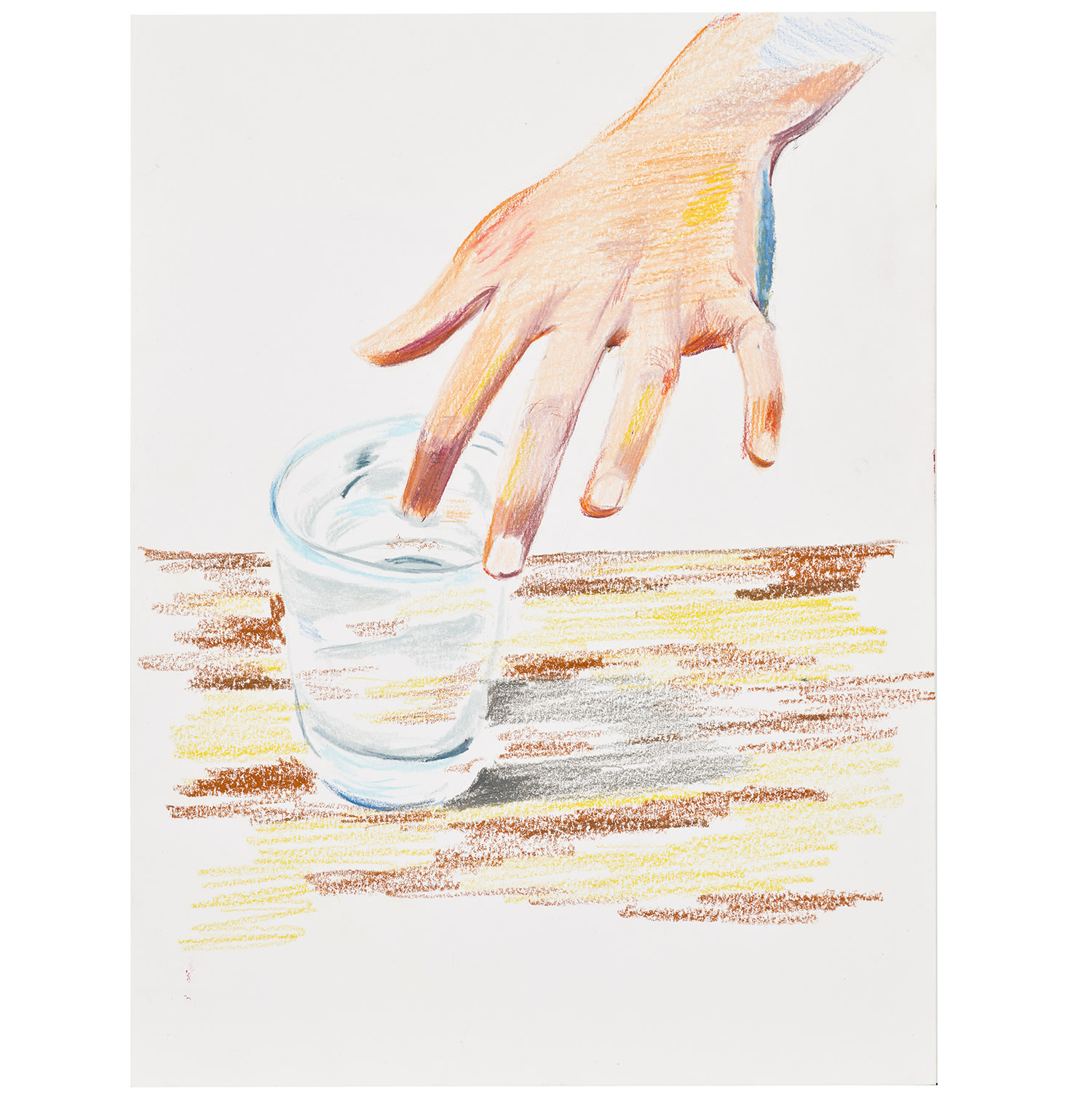
Room Temperature, 2020
Quintana was born in 1995 and grew up in Denver, Colorado, a city whose relationship to landscape, light, and cultural identity would prove formative for his artistic vision. His background reflects a rich blending of heritages that would come to animate the figures and environments at the heart of his practice. From an early age he demonstrated a sensitivity to the emotional charge of imagery and the particular way that light can transform a mundane scene into something charged with meaning. Denver, often overlooked in narratives of American contemporary art, gave Quintana a perspective that exists outside the pressures and posturing of coastal art centers, and that independence of spirit is palpable in every canvas and sheet of paper he produces.
His artistic development has been marked by an unusually mature command of multiple media. Quintana works fluidly across oil paint, acrylic, pastel, gouache, and coloured pencil, and this versatility is not merely technical breadth but a genuine exploration of how different surfaces and materials can carry different emotional temperatures. His early works on paper, including pieces executed in coloured pencil and pastel, reveal an artist already deeply attuned to the possibilities of layering, of building up surfaces that feel simultaneously fragile and enduring. By the time he was producing larger canvas works in oil, he had developed a pictorial intelligence that allowed him to orchestrate complex tonal relationships with apparent ease.
Caleb Hahne Quintana
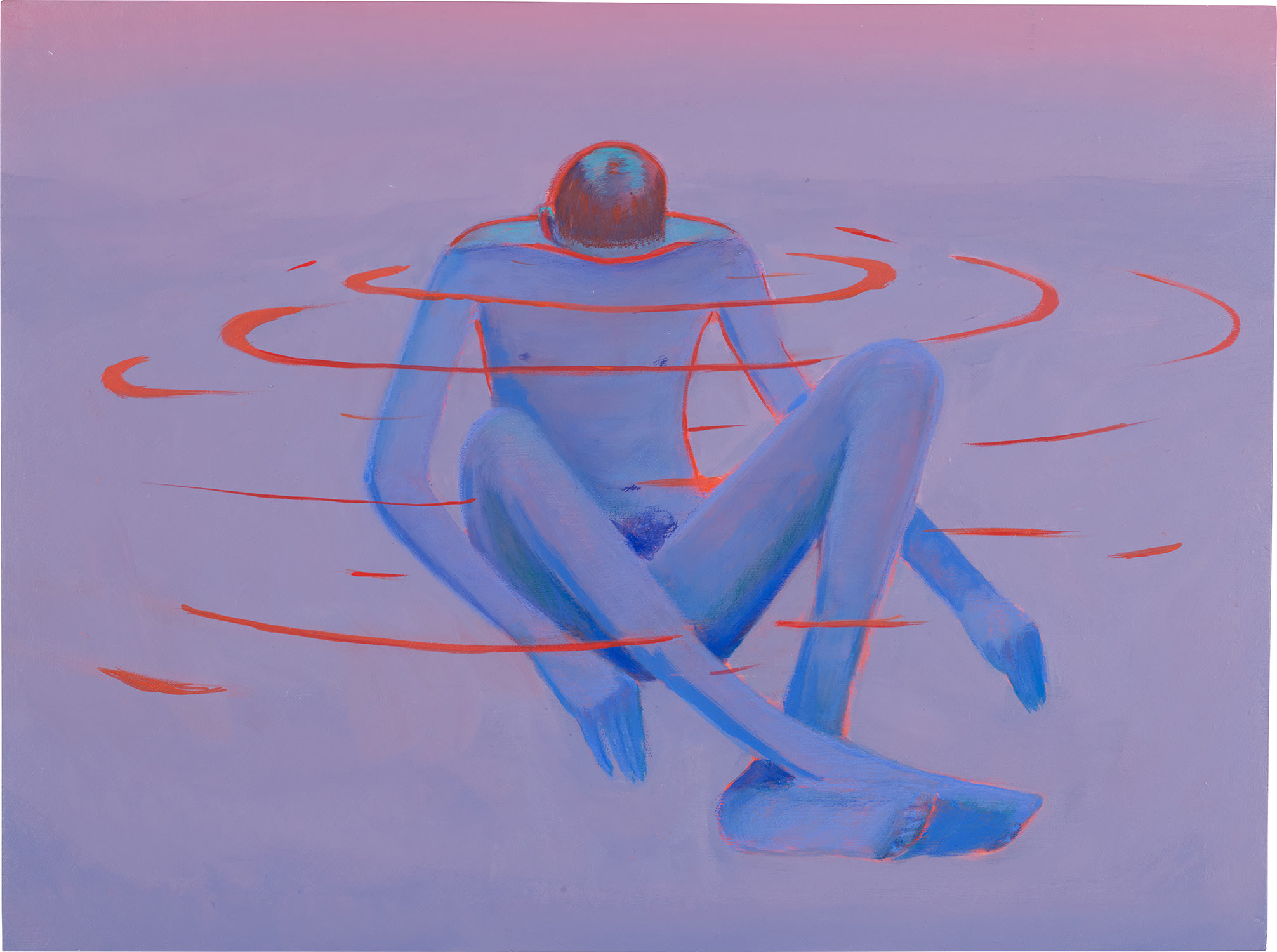
Boy In Water, 2019
His progression from intimate works on paper to more expansive painted canvases reads as a natural deepening of confidence rather than a calculated career maneuver. The works that have brought Quintana his widest recognition share a constellation of qualities that are immediately recognizable and yet endlessly surprising in their specific execution. "Boy In Water" from 2019, rendered in pastel, gouache, and acrylic on panel, exemplifies his gift for capturing a figure in a state of suspension, caught between one moment and the next, between immersion and emergence. "Room Temperature" from 2020, a coloured pencil work on paper, demonstrates how he can invest even the most domestic of settings with a quality of charged intimacy.
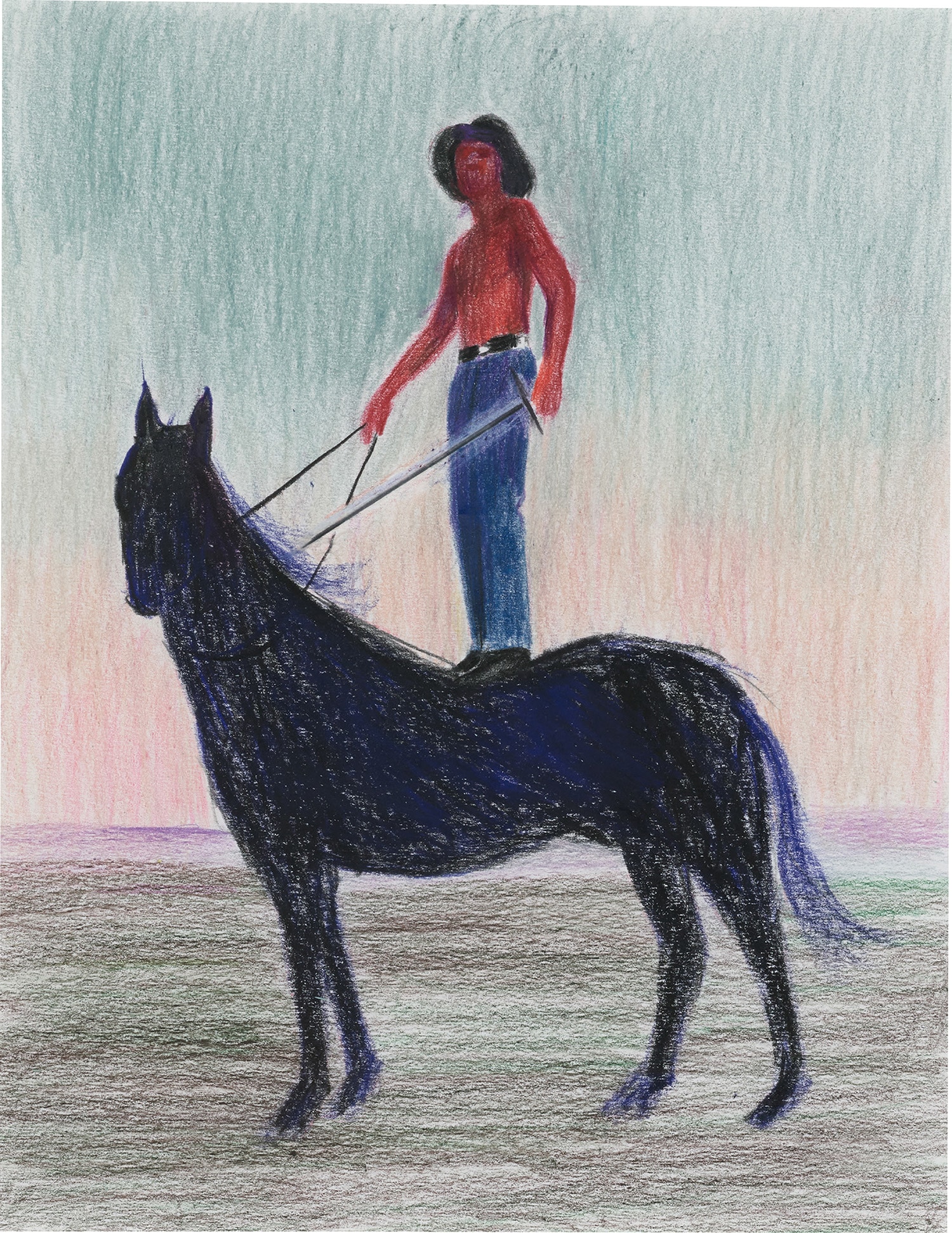
That same year produced "Until There's Nothing Left," a large oil and oil pastel on canvas that pushes his tonal range into deeper, more complex territory, and "Autumn," in oil and acrylic on canvas, which achieves a golden warmth that feels at once seasonal and profoundly personal. "Instar" from 2021, the title borrowed from the biological term for a phase between moults in an insect's development, speaks directly to his abiding interest in transformation, vulnerability, and the thresholds between states of being. Together these works constitute a body of evidence for an artist with a clear and compelling vision of what painting can do. What Quintana achieves technically is inseparable from what he achieves emotionally.
Caleb Hahne Quintana
Instar, 2021
His figures are bathed in a diffused, soft light that has no single obvious source, a light that seems to emanate from within the scene rather than falling upon it from outside. This quality of luminosity, which recalls at different moments the hushed interiors of Vilhelm Hammershoi, the tender figuration of Cecily Brown, and the emotionally raw surfaces of Marlene Dumas, is entirely his own in its specific character. His palette tends toward warmth without sentimentality, and his handling of skin tones across different figures reflects both technical sophistication and a genuine commitment to representing the full range of human experience. There is nothing decorative about his choices.
Every decision in a Quintana painting feels earned and considered. From a collecting perspective, Quintana represents precisely the kind of artist that experienced collectors recognize as significant early in a career that is clearly built to last. His works on paper offer a point of entry that is accessible in scale and investment while being fully representative of his practice at its most intimate and searching. The larger canvas works have drawn strong interest from collectors who understand that figurative painting of this emotional intelligence and technical ambition is increasingly valued both institutionally and at auction.
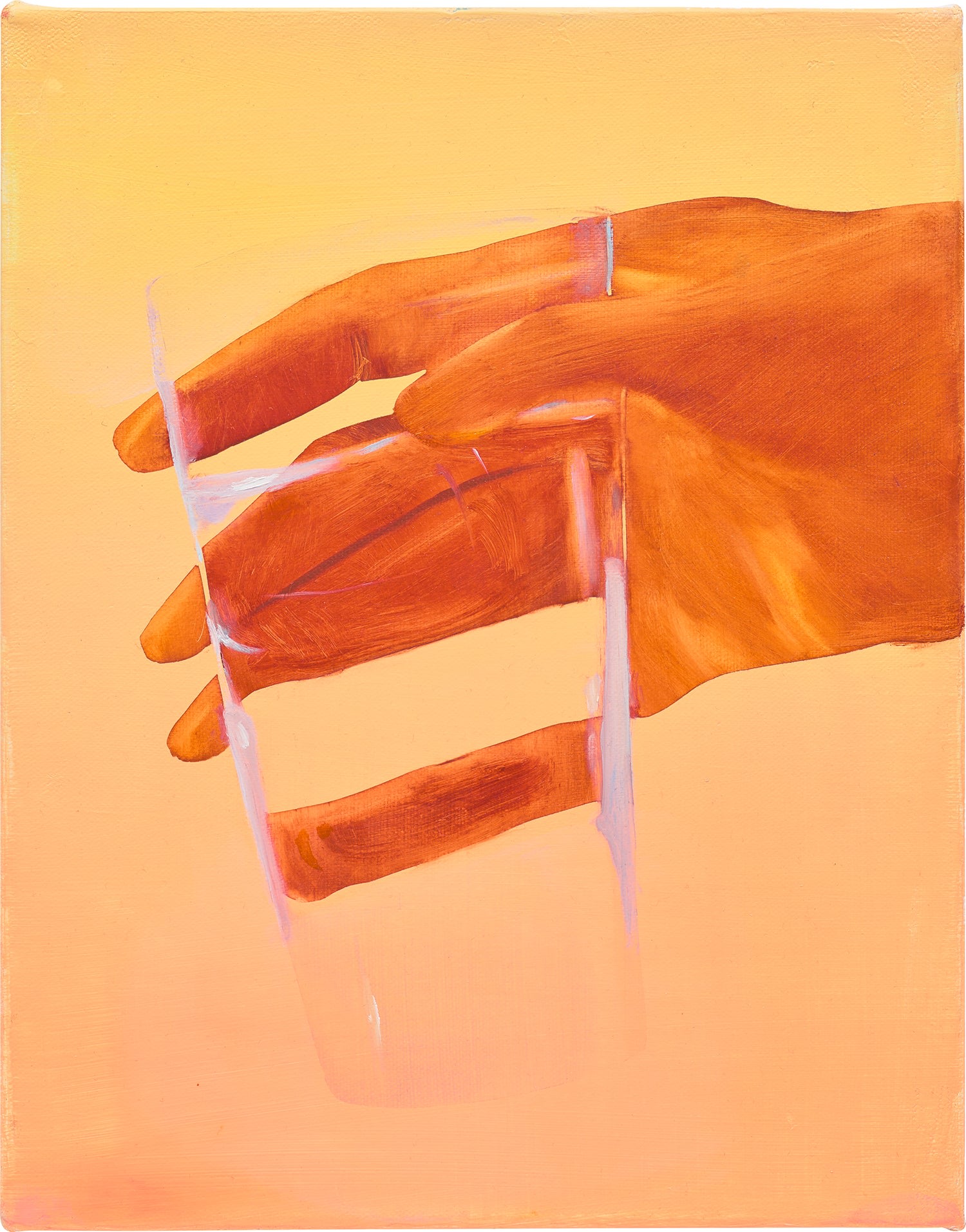
Caleb Hahne Quintana
Until There's Nothing Left, 2020
The art market's sustained enthusiasm for contemporary figuration, driven by artists across a diverse range of backgrounds bringing personal narrative and cultural specificity to the tradition of painting the human figure, has created an environment in which Quintana's work resonates with particular force. Collectors who have positioned themselves alongside his practice at this stage of his trajectory are widely considered to have made decisions they will not regret. Within the broader landscape of contemporary art, Quintana belongs to a generation of painters who have reinvigorated figurative painting by insisting on its capacity for emotional and political complexity. Artists such as Jordan Casteel, Tschabalala Self, and Toyin Ojih Odutola have demonstrated that figuration, far from being a conservative retreat, can be one of the most urgent and alive arenas of contemporary practice.
Quintana's work engages that conversation while maintaining its own distinctly personal register, rooted in his particular experience of place, family, cultural heritage, and the quiet dramas of interior life. He is not making arguments so much as opening spaces, inviting the viewer to bring their own history into contact with the histories embedded in his canvases. The question of legacy is always premature with an artist in his late twenties, yet with Quintana it feels irresistible to consider what his contribution to American painting is already becoming. He has demonstrated that the figurative tradition remains capable of genuine renewal when approached with honesty, technical commitment, and a willingness to be vulnerable on the picture plane.
Denver, long a city that has nurtured creative communities without always receiving credit for them, has produced in Quintana an artist whose work speaks far beyond any single geography. The light in his paintings is specific and universal at once, and that paradox is perhaps the truest measure of an artist who genuinely matters.