Bruce Weber
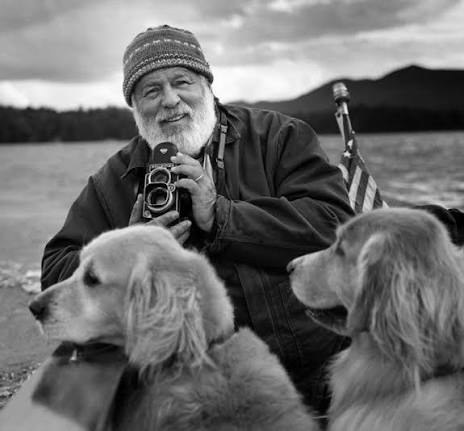
Bruce Weber: America's Poet With a Lens
Artist Spotlight · The Collection Editorial
“I just want to make pictures that make people feel something, that remind them of the beauty in everyday life.”
Bruce Weber, Interview Magazine
There is a particular quality of light that Bruce Weber seems to find wherever he points a camera. It falls softly across the shoulders of a young man resting in a field, or catches the silver flash of a Montana snowstorm suspended above a ranch at the edge of the world. That luminous, unhurried attention to the human form and its place within a landscape has made Weber one of the most consequential photographers working in America today, and collectors and institutions alike continue to seek out his gelatin silver prints with growing urgency. His work has appeared in retrospective surveys at major cultural institutions and remains a fixture in the most thoughtful private collections assembled around the tradition of fine art photography.
Bruce Weber
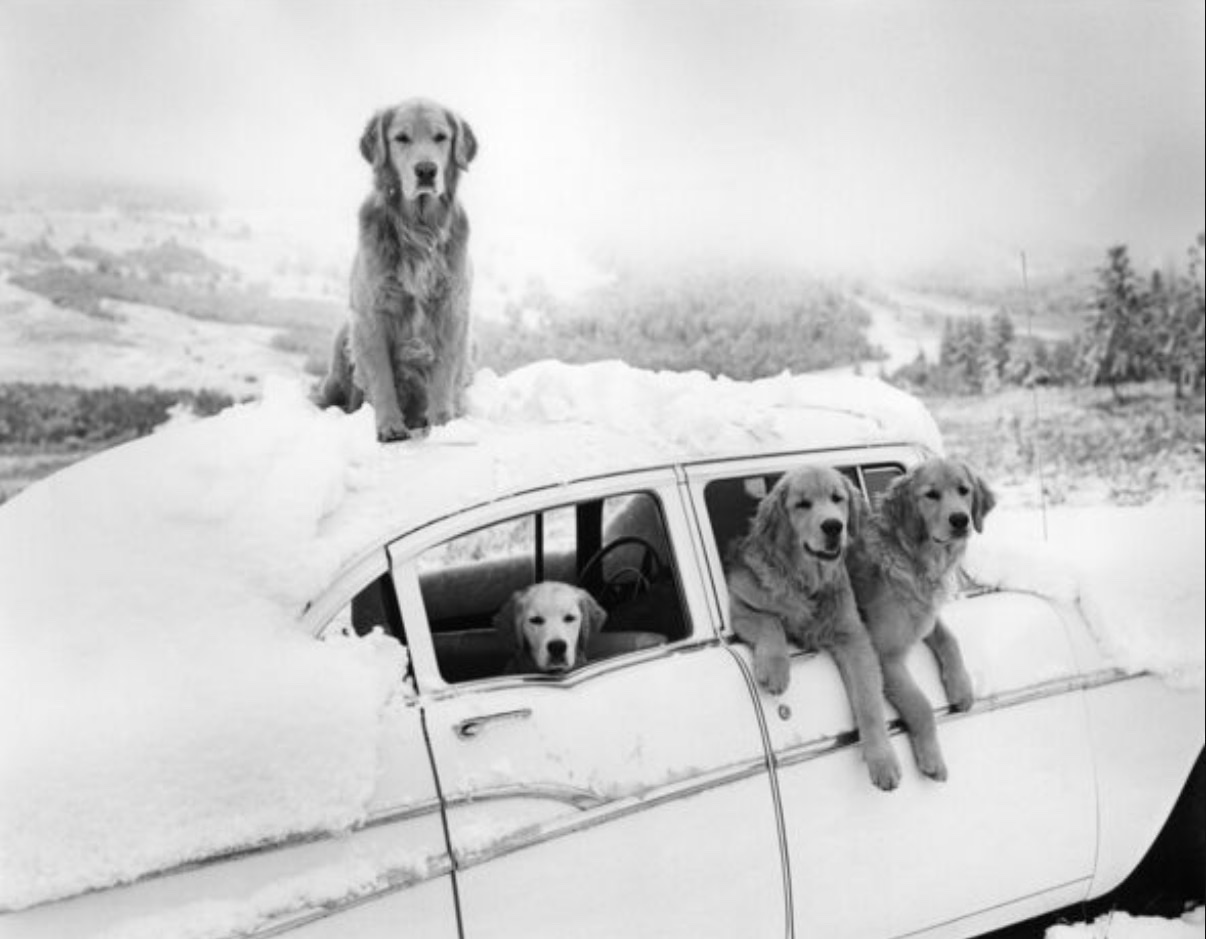
Summer Snowstorm, Little Bear Ranch, McLeod, MT, 1992
Weber was born in 1946 in Greensburg, Pennsylvania, a small city southeast of Pittsburgh where mid century American life unfolded with a particular plainness and warmth. He carried that sensibility with him when he moved to New York to study film at New York University, where an early encounter with the photographer Lisette Model helped redirect his ambitions toward still photography. Model, herself a towering figure in the tradition of humanist documentary work, encouraged Weber to trust his instincts and to look closely at the world around him rather than at the conventions of the medium. That early formation left a permanent mark, and the tension between documentary intimacy and cinematic grandeur became the defining characteristic of his visual language.
By the early 1980s Weber had found his footing in the fashion world, shooting for magazines including GQ and Vogue and building a reputation for campaigns that felt nothing like the slick commercial photography of the era. His breakthrough arrived with his work for Calvin Klein, most memorably the 1982 underwear campaign featuring Olympic pole vaulter Tom Hintnaus photographed in Santorini, Greece. The image, which showed Hintnaus against a whitewashed wall in brilliant Aegean light, was frank, sculptural, and quietly revolutionary. It brought a classical ideal of the male body into the language of mass advertising and changed the visual culture of fashion almost overnight.

Bruce Weber
Peter Johnson and True, Golden Beach, Florida, 1999
That campaign is now studied as a landmark moment in the history of both photography and advertising. What separates Weber from the photographers who followed in his wake is the depth of feeling that runs through even his most commercial assignments. His images are populated by athletes, musicians, actors, lovers, dogs, and children, all caught in moments of ease and trust that speak to a sustained intimacy between photographer and subject. The gelatin silver print remained his chosen medium for decades, and its particular tonal range, from velvety shadow to glowing highlight, suited his vision perfectly.
Works such as Summer Snowstorm, Little Bear Ranch, McLeod, MT from 1992 demonstrate how fluently he moved between fashion photography and something closer to landscape elegy, the figures within the frame becoming part of a larger meditation on American space and solitude. Similarly, his studies of Peter Johnson and his companion True, made in Golden Beach, Florida in 1999, carry the warmth and specificity of a family album elevated to fine art. His portraits of well known figures carry their own distinct authority. His image of Sam Shepard and Jessica Lange made in Santa Fe, New Mexico captures the particular gravity of two artists who spent their lives inhabiting other people's stories.
Bruce Weber
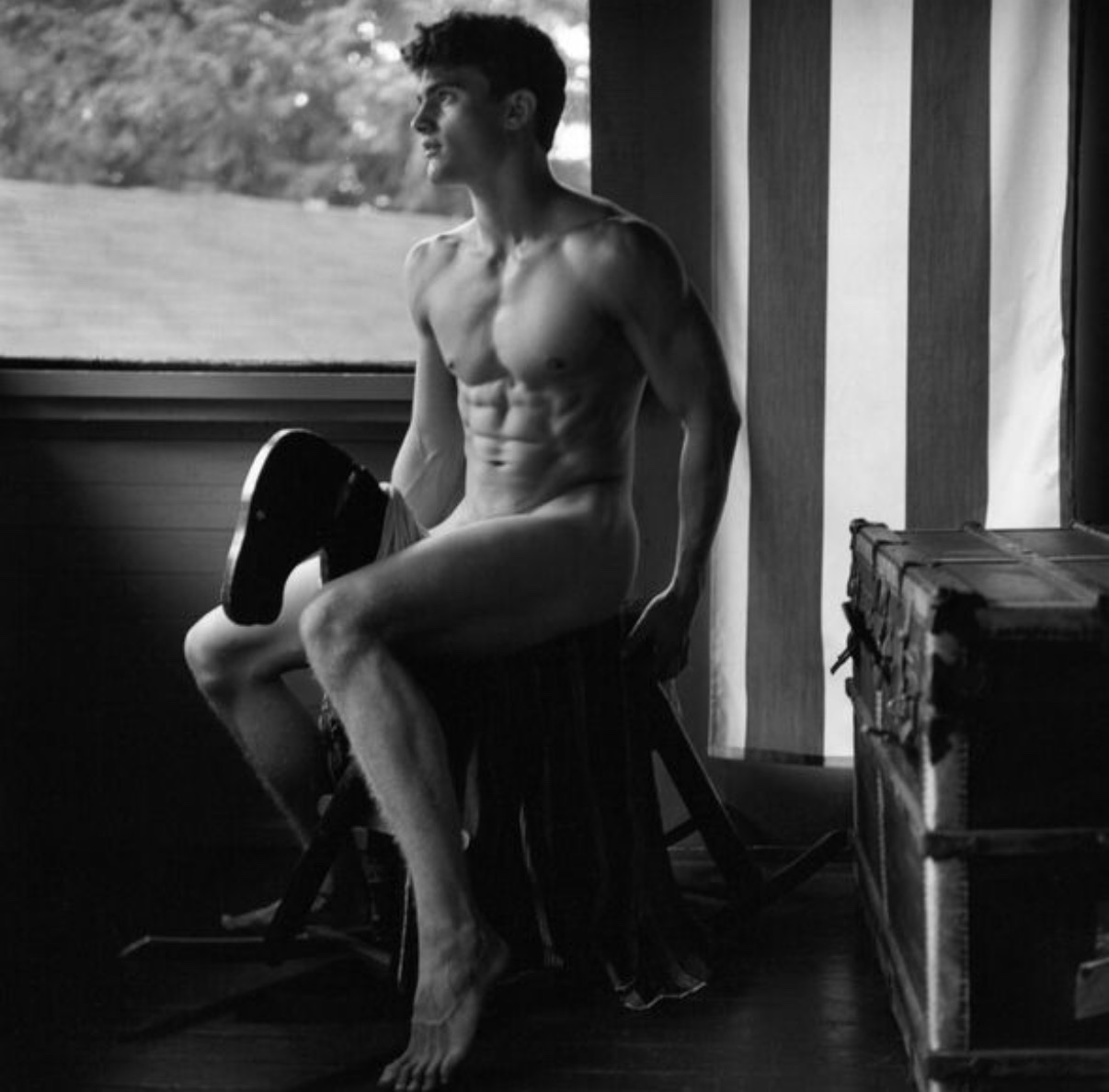
Peter Johnson on rocking horse, Camp Longwood, Adirondacks, 1999
His study of Carré Otis in San Francisco and his portrait of Kate Moss at Golden Beach belong to a long tradition of fashion photography that contains within it something more durable than the season that commissioned it. These are images that age beautifully, accumulating meaning as the years pass and the cultural memory of their subjects deepens. Weber understood, long before the critical conversation caught up with him, that fashion photography could aspire to the condition of portraiture in the fullest sense. From a collecting perspective, Weber's gelatin silver prints represent a compelling opportunity within the broader market for fine art photography.
His prints command consistent attention at auction and in the secondary market, and early examples from his most celebrated editorial campaigns carry particular weight. Collectors drawn to the tradition of American humanist photography, the lineage that runs from Walker Evans and Robert Frank through Diane Arbus and onto Weber's generation, will find in his work a natural and important point of connection. His prints are typically available in limited editions and as vintage or later printed examples, and the flush mounted presentations of certain later works speak to his ongoing engagement with how photographs are encountered and displayed. The relatively accessible price points compared to some of his Blue Chip contemporaries make Weber a particularly astute focus for collectors building a serious photography collection.
Bruce Weber
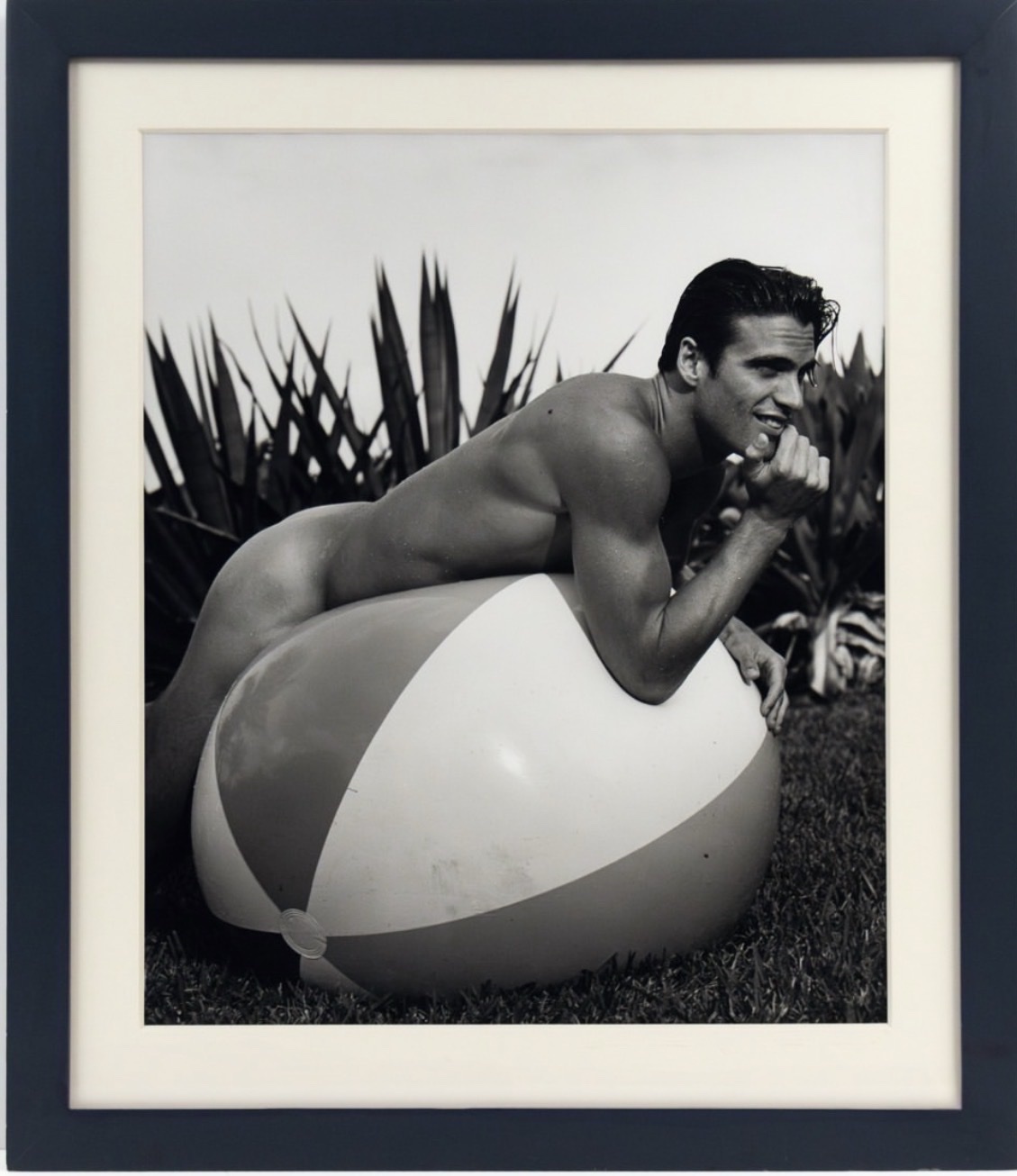
Daryl, Golden Beach, Miami, 1989
Weber belongs to a generation of photographers who transformed the relationship between commercial and fine art practice in ways that are still being absorbed. His closest peers in that conversation include Herb Ritts, whose sculptural approach to the body shares a certain formal vocabulary with Weber's own, and Annie Leibovitz, who similarly built a body of work that moves fluidly between portraiture and assignment photography. Robert Mapplethorpe, with whom Weber shares an interest in the classical male form, offers another point of comparison, though Weber's sensibility is warmer and more pastoral where Mapplethorpe's was confrontational and coolly formal. Further back, the influence of George Platt Lynes and the entire tradition of homoerotic classicism in American photography can be felt in Weber's most tender studies of young men at rest.
What endures most powerfully in Weber's work is its fundamental generosity. He has always photographed people as though he loves them, and that quality cannot be manufactured or learned. His images of American life, from the ranches of Montana to the sun saturated shores of Florida, constitute a sustained act of attention to beauty in its most human and transient forms. Filmmakers, fashion houses, collectors, and curators have recognized in his practice something rare: a vision that is at once commercially fluent and artistically uncompromising.
As interest in the history of fashion photography continues to grow within the institutional world, and as collectors increasingly seek out photographers who shaped the visual culture of the late twentieth century, Bruce Weber stands as one of the essential figures, a poet of American light whose best work asks nothing less of its viewer than to slow down and see.
Explore books about Bruce Weber