Betty Gold
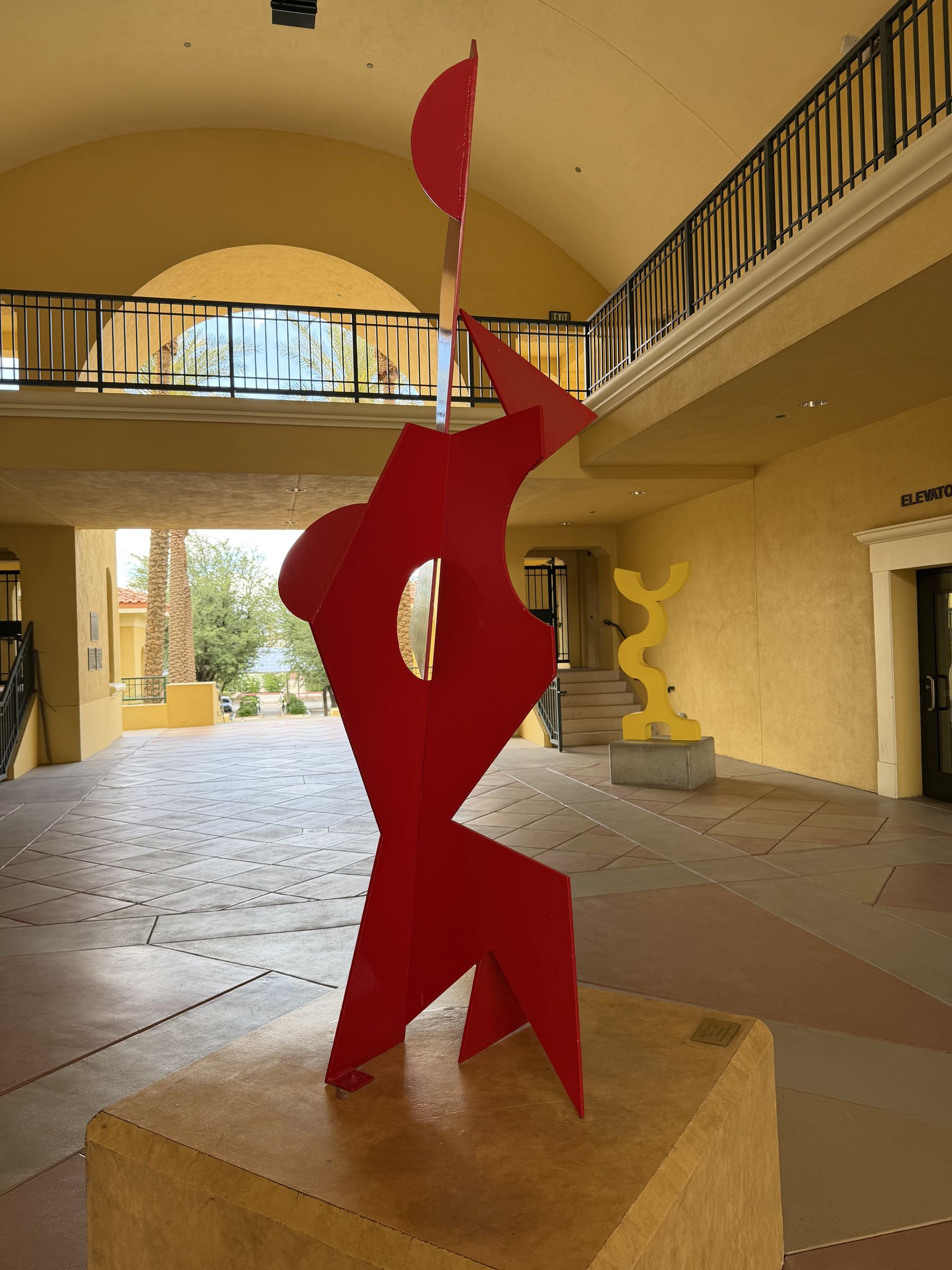
Betty Gold: Steel, Color, and Pure Joy
Artist Spotlight · The Collection Editorial
There is a particular kind of attention that settles over a viewer who encounters a Betty Gold sculpture for the first time. The object is precise, even austere in its geometry, and yet it radiates something unmistakably warm, something alive. That tension, between the rigor of hard edge abstraction and a deeply felt chromatic expressiveness, is the signature of an artist who has spent decades refining one of the most distinctive visual languages in American sculpture. As institutions and collectors return with renewed enthusiasm to the generation of artists who shaped Post War American abstraction, Gold's work stands out as both historically essential and urgently contemporary.
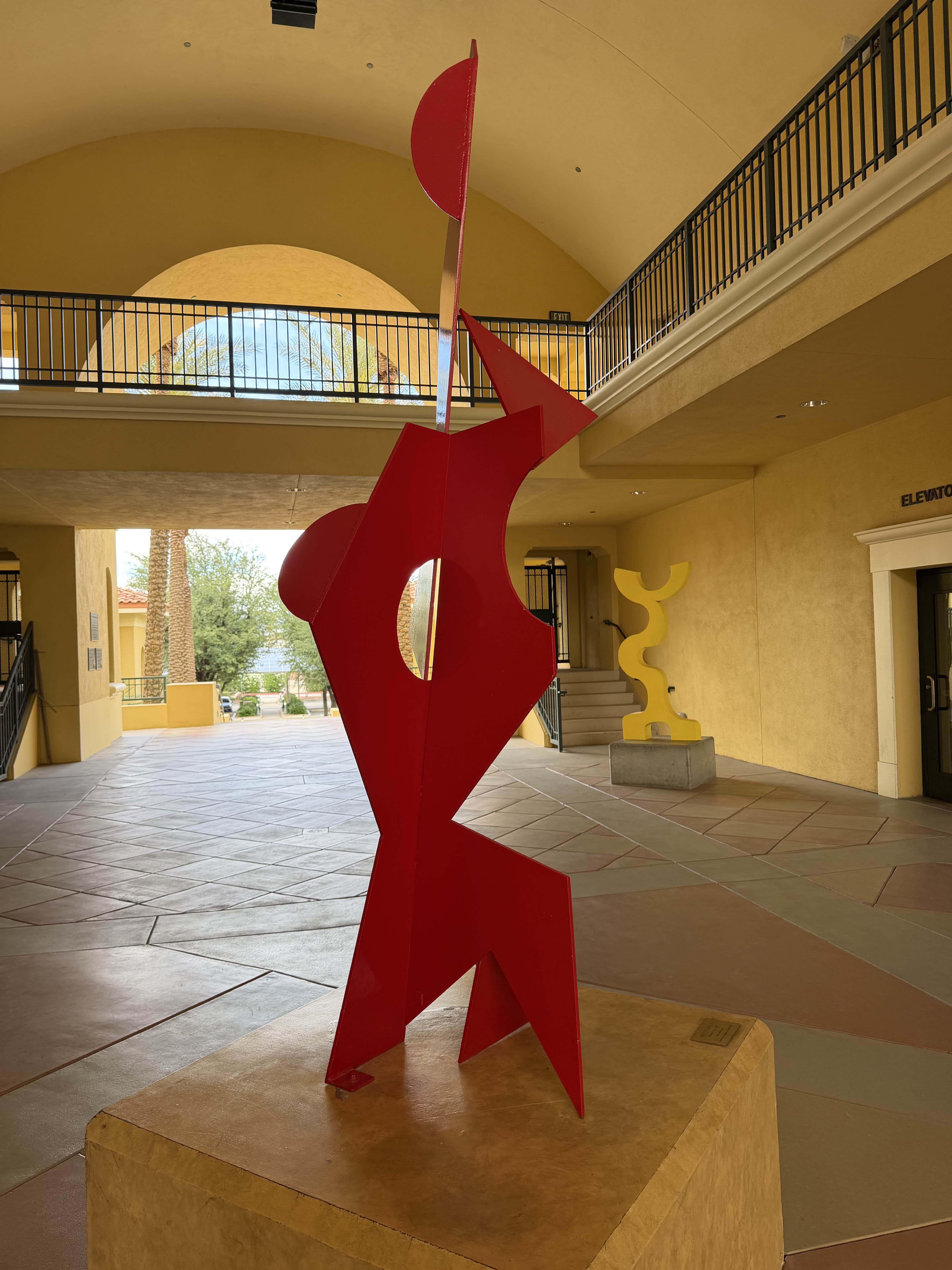
Betty Gold
Holistic 77-A, 1977
Betty Gold was born in 1935, coming of age in an America that was just beginning to define its own place in the international art world. The Abstract Expressionist movement was transforming New York into the center of global artistic conversation, and the generation that followed, the one Gold belongs to, absorbed those lessons and then pushed decisively past them. Where the Action Painters celebrated gesture and accident, artists like Gold turned toward clarity, structure, and the emotional power of pure form. Her formation took place within a broader cultural moment that also produced Donald Judd, Carmen Herrera, and Anne Truitt, artists who shared her belief that reduction was not a limitation but a liberation.
Gold developed her mature practice across the 1960s and 1970s, a period of extraordinary productivity and artistic self discovery. Working in steel and aluminum, she began constructing sculptures that engaged directly with space, not merely occupying it but reorganizing it, inviting the viewer's eye to move along planes, angles, and intervals that feel simultaneously inevitable and surprising. Her decision to paint her metal works in saturated, primary and secondary colors was not decorative but deeply considered. Color, for Gold, is a structural element, as load bearing in its way as the steel beneath it.
It creates relationships, establishes hierarchies, and generates a spatial tension that flat reproductions can only hint at. Among her most celebrated works is Holistic 77 A, completed in 1977, a painted steel sculpture that exemplifies everything that makes her practice so compelling. The piece is a study in contradiction resolved through form: it is monumental in presence yet elegant in proportion, industrial in material yet intimate in its invitation to the viewer. The red surface, applied with the kind of care more often associated with painting than sculpture, transforms the steel into something that seems to vibrate with contained energy.
Holistic 77 A belongs to a series of works from the mid to late 1970s that many scholars consider the apex of Gold's formal achievement, a body of work that rewards sustained looking and resists easy summary. Gold's relationship to the traditions of American hard edge abstraction places her in conversation with some of the twentieth century's most important artistic figures. Her chromatic sensibility connects her to the Color Field painters, particularly Ellsworth Kelly and Kenneth Noland, who similarly understood color as capable of carrying the full emotional weight of a composition. Her sculptural practice resonates with the work of Anne Truitt, whose painted wooden forms explored related tensions between materiality and luminosity.
At the same time, Gold's work maintains a distinctly personal register that separates it from the cooler, more analytical modes of strict Minimalism. There is always something in a Gold sculpture that feels like a decision made from the heart as much as the mind. For collectors, Betty Gold's work represents one of the more compelling opportunities in the market for Post War and contemporary American abstraction. Her sculptures and works on paper occupy a space where serious art historical significance meets genuine visual pleasure, a combination that experienced collectors know is rarer than it might seem.
Works from her peak period of the 1970s are particularly sought after, and the relative scarcity of her sculptures in circulation means that acquiring a significant example requires both patience and attentiveness. Collectors drawn to artists such as Truitt, Herrera, and the geometric abstractionists of the mid century will find in Gold a natural and rewarding point of connection, as well as an artist whose market has continued to attract serious institutional and private attention. The renewed critical interest in women artists who worked within and alongside Minimalism has done much to return Gold's work to the prominence it deserves. For too long, the canonical accounts of American abstraction centered a small number of male artists while figures of equal ambition and achievement remained underrepresented in major surveys and permanent collection displays.
That correction is now well underway, and Gold is among those whose reputations have deepened and broadened as a result. Museums, scholars, and a new generation of collectors are discovering what those who have followed her career always understood: that her sculptures are genuinely important objects, works that changed the terms of what abstraction could feel like. Betty Gold's legacy is that of an artist who trusted her instincts absolutely and built a body of work of extraordinary coherence and beauty. She understood that the most rigorous formal thinking need not come at the expense of sensory delight, and that a piece of painted steel, in the right hands, can carry as much feeling as any canvas.
Her work belongs to the great lineage of American abstraction and also stands apart from it, marked by a personal vision that has only grown more distinctive with time. For collectors fortunate enough to live with her sculptures, the daily experience is one of continued discovery, each viewing revealing new relationships, new tensions, new reasons to be grateful that someone made something this good.