Anna María Maiolino
Anna María Maiolino, Making the World Whole
Artist Spotlight · The Collection Editorial
“Making is a way of thinking. The hand is an extension of the mind.”
Anna María Maiolino
In 2023, the Hauser and Wirth gallery mounted a significant presentation of Anna María Maiolino's work that brought renewed international attention to an artist whose career spans more than six decades. The exhibition gathered clay works, drawings, and prints that demonstrated with striking clarity how Maiolino has always worked at the intersection of the intimate and the monumental. Visitors encountered coiled and pressed forms in raw earth, works that looked as though they had simply arrived from some deeper stratum of human time. For collectors and curators who had long admired her from a respectful distance, it was a moment of arrival long overdue.
Anna María Maiolino
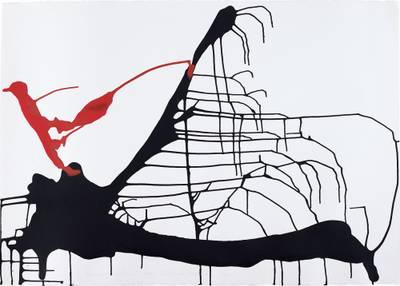
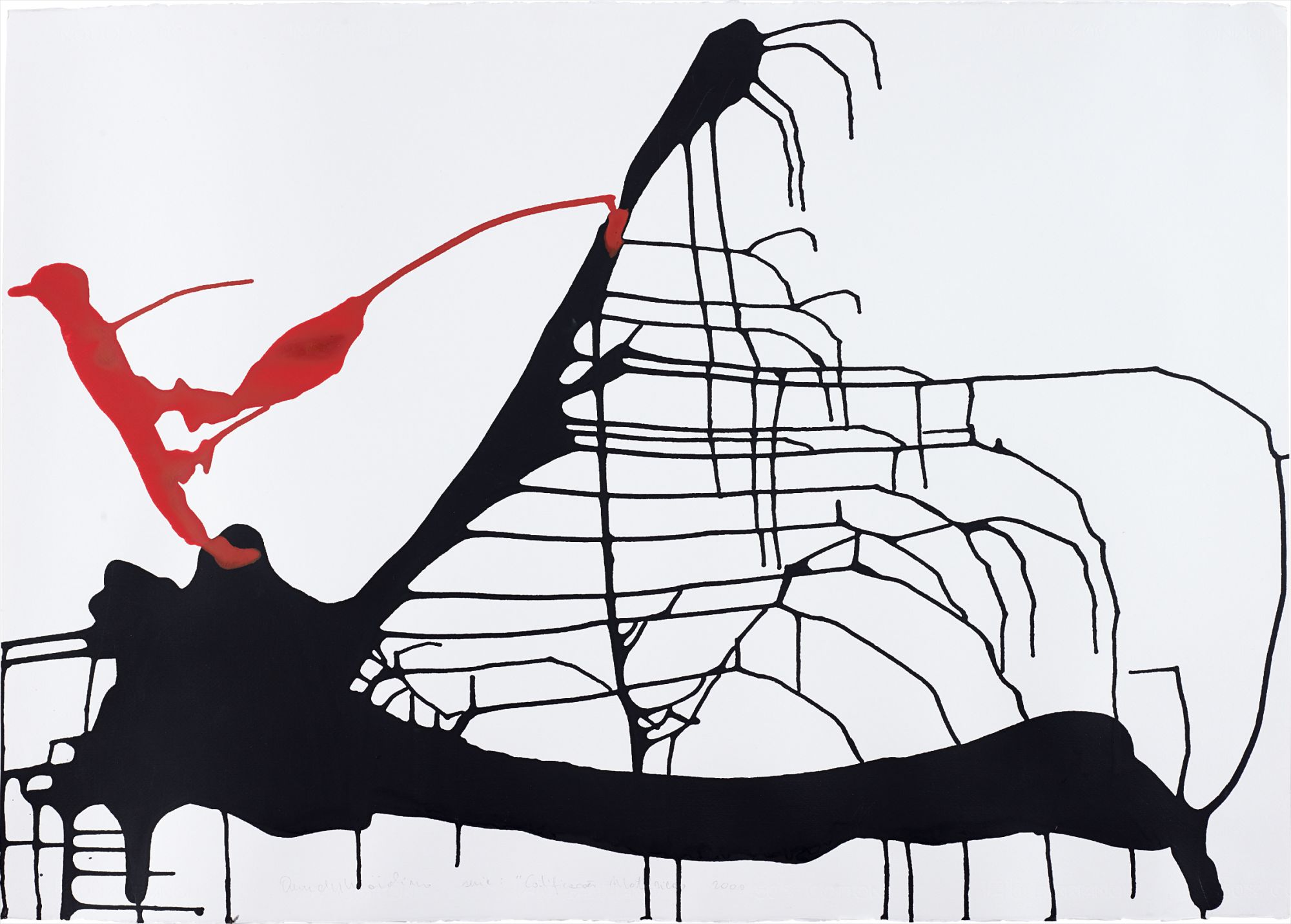
Codificações Matericas
Maiolino was born in 1942 in Scalea, a small coastal town in Calabria, in the south of Italy. Her childhood was shaped by the textures and economies of southern Italian life, a world where handcraft, domestic labor, and the rhythms of the body were inseparable from daily existence. In 1960, at the age of eighteen, she emigrated with her family to Venezuela, and then, crucially, to Brazil, where she settled in Rio de Janeiro. That transplantation would prove formative in every sense.
Brazil in the early 1960s was alive with intellectual and artistic ferment, a culture in the midst of reinventing itself through Concretism, Neoconcretism, and a fierce engagement with questions of national identity and political resistance. In Rio, Maiolino studied at the Escola Nacional de Belas Artes and came into contact with the circle of artists and thinkers who were redefining what Brazilian art could be. She formed a close and lasting friendship with the artist Lygia Pape, and her work developed in dialogue with the Neoconcrete movement, which emphasized the participatory, the bodily, and the phenomenological over purely optical or formal concerns. This was a milieu that took seriously the idea that art was not an object to be contemplated from a distance but an event to be inhabited.
Anna María Maiolino
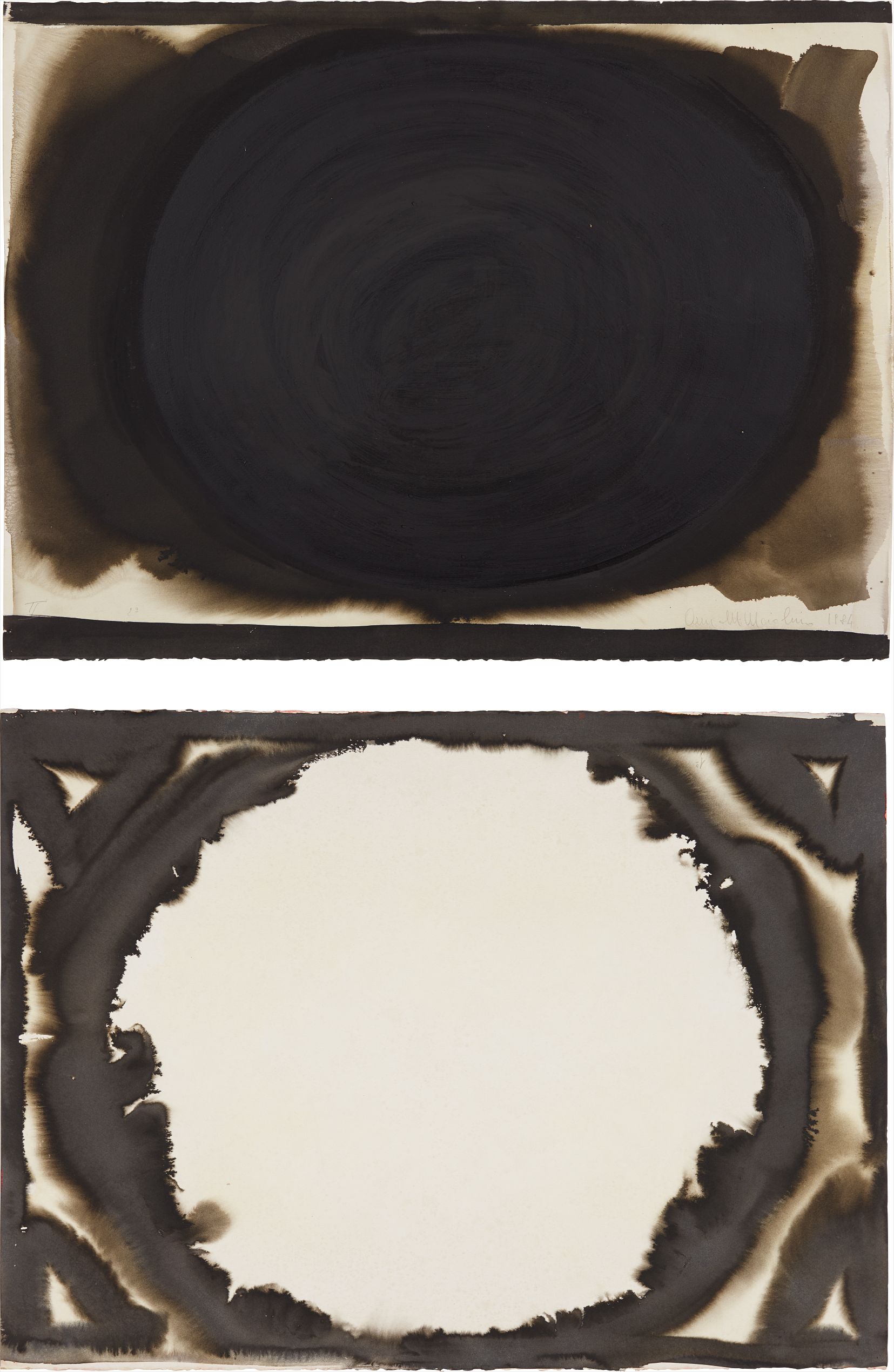
Two works: Composição Série Aguadas, 1984
Maiolino absorbed this lesson completely and made it her own in ways that were deeply personal and formally inventive. The 1960s and early 1970s saw Maiolino develop a printmaking and drawing practice of remarkable intensity. Her woodcuts from this period, works such as Ecce Homo, deploy bold, reduced forms to address the human figure under conditions of political duress. Brazil's military dictatorship, which took power in 1964, created an atmosphere in which artistic expression carried real risk, and Maiolino's work from these years bears the marks of that pressure without ever becoming didactic.
The prints pulse with a kind of compressed energy, figures reduced to their essential outlines, mouths open or sealed, bodies at the edge of speech. They remain among the most powerful works of Latin American political art from any era. In 1973 Maiolino created the video work In Out Anthropophagy, a piece that has since become recognized as one of the landmarks of early video art in Latin America. The work features close up footage of mouths, hands, and bodies engaged in acts of consumption, expulsion, and transformation, drawing on the Brazilian concept of antropofagia, or cultural cannibalism, developed by the poet Oswald de Andrade in the 1920s.
Anna María Maiolino
Anna Maria Maiolino
The notion that a culture might absorb and transform foreign influences rather than be colonized by them gave Maiolino a powerful framework for thinking about her own identity as an Italian immigrant in Brazil, as a woman in a patriarchal society, and as an artist in a political landscape hostile to dissent. The work is visceral, funny, and deeply unsettling in the best sense, a piece that refuses to let the viewer remain comfortable in their distance. Maiolino lived and worked in New York for a period during the 1970s and 1980s, an experience that expanded her practice further and brought her into contact with the energies of American conceptualism and feminism. Yet she has always resisted easy categorization within any single geography or movement.
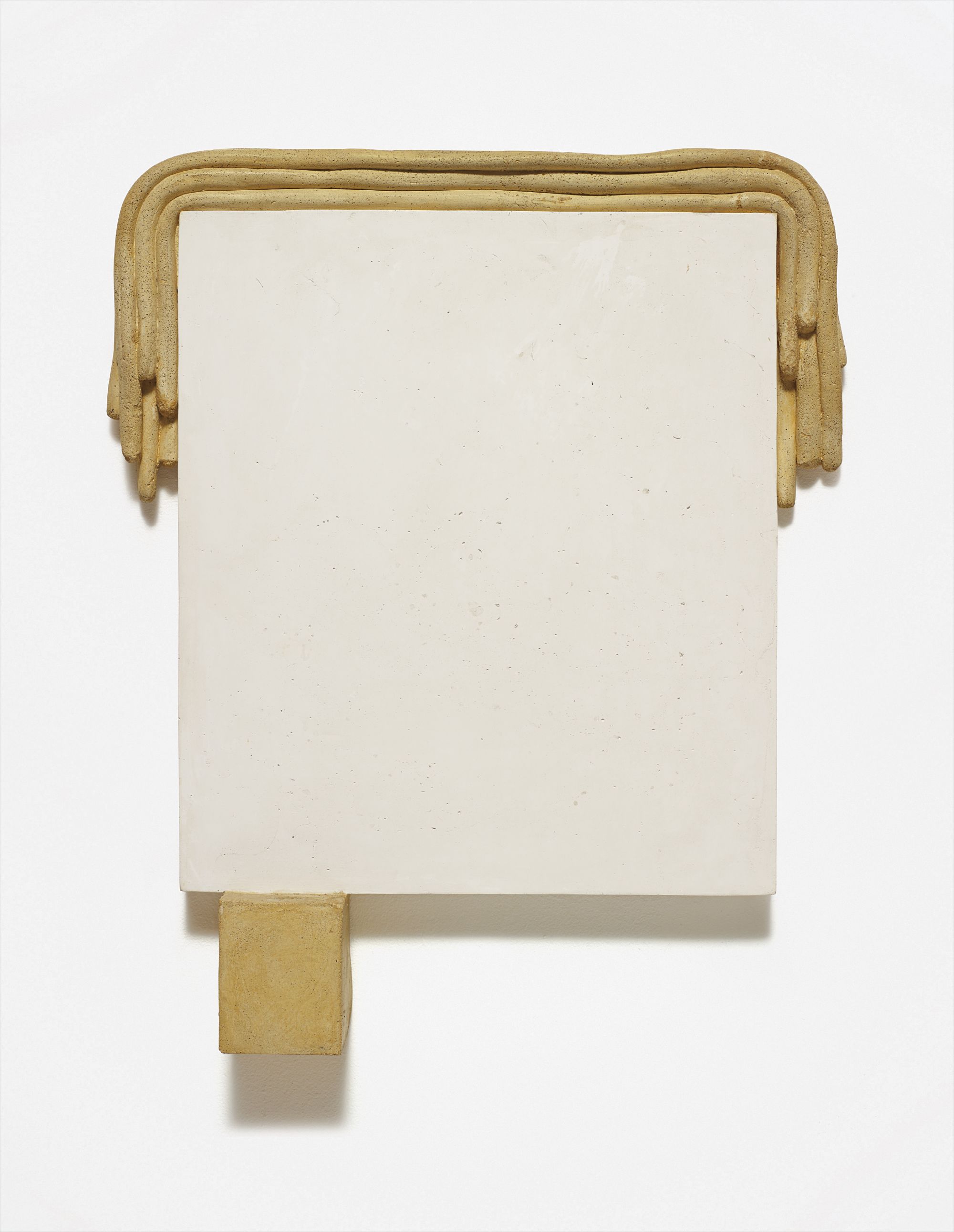
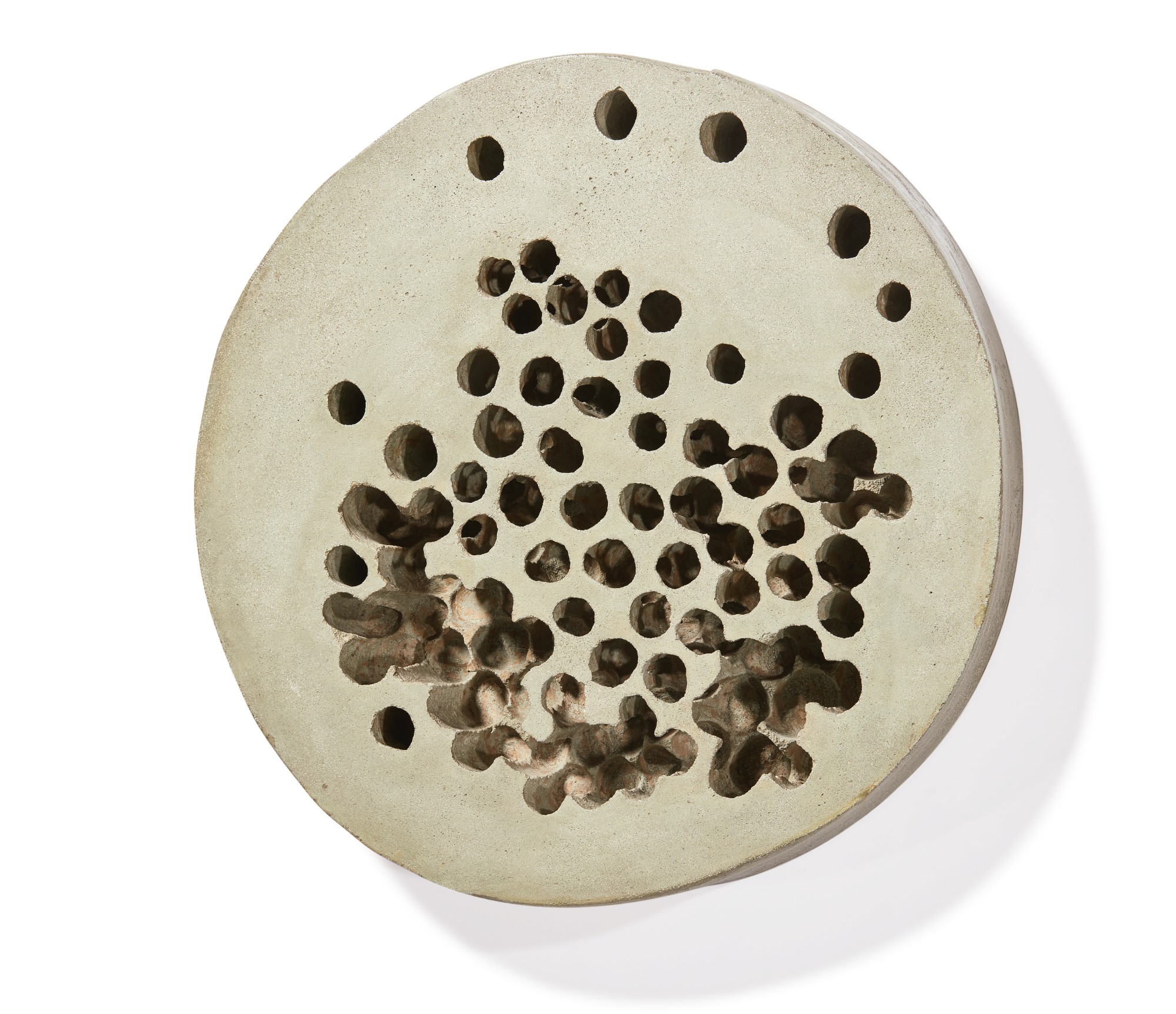
Her work in drawing and gouache from the 1980s, including the Série Aguadas works and the double sided Disco from 1984, shows an artist comfortable with formal beauty while remaining committed to the primacy of process and material thinking. These works on paper have an improvisational directness that collectors find immediately compelling, each mark a record of a hand in motion, a mind thinking through material. The clay works, which Maiolino began developing seriously in the 1990s and which have since become central to her reputation, deserve particular attention from anyone approaching her practice as a collector. Working with raw, unfired, or simply fired earth, she creates accumulations, coils, and pressed forms that suggest both abundance and precariousness.
Anna María Maiolino
Ausentes
The works reference birth, digestion, cellular growth, and the handmade traditions of women's labor across cultures. They have been installed in museums and galleries around the world as sprawling floor pieces that transform the spaces they inhabit, and they exist in smaller configurations that translate powerfully into private collections. Her plaster works carry a similar quality, preserving the memory of the hand in forms that feel ancient and urgent simultaneously. Within the broader context of art history, Maiolino belongs to a constellation of artists who have used the body, process, and materials drawn from everyday life to address questions of identity, power, and care.
Her work resonates with that of contemporaries such as Lygia Clark and Hélio Oiticica in Brazil, and connects outward to the international traditions of Arte Povera, feminist performance, and conceptual art. Collectors who respond to Mira Schendel, who similarly explored language and materiality in Brazil during overlapping decades, often find Maiolino's work a deeply complementary presence. She occupies a position that is both historically specific and remarkably open, an artist whose concerns feel permanently contemporary. For collectors, Maiolino's works on paper represent an exceptional entry point into a practice that has been celebrated in major institutional surveys including retrospectives at the Pinacoteca do Estado de São Paulo and significant presentations at institutions across Europe and North America.
Her drawings and prints carry the full weight of her conceptual intelligence in formats that are immediate and liveable. The plaster and cement works ask more of a space but reward the commitment generously. What unites every medium is the sense of a consciousness at work, a mind and body making meaning through the act of making itself. That quality, so difficult to achieve and so unmistakable when encountered, is precisely what makes Maiolino's work endure and what makes collecting it feel like a genuine privilege.
Explore books about Anna María Maiolino
Anna María Maiolino: Obra 40 años
Various authors
Anna María Maiolino
Paulo Herkenhoff
Entrevista: Anna María Maiolino
Various interviewers
Anna María Maiolino: Palavras e Silêncios
Ivana Bentes
Anna María Maiolino: Cinema e Videoarte
Various authors