Angela Dufresne
Angela Dufresne Paints the World Alive
Artist Spotlight · The Collection Editorial
There is a particular kind of painter who refuses to let the canvas be a quiet place, and Angela Dufresne is very much that painter. Her work has been drawing sustained critical attention across American contemporary art circles for well over two decades, and in recent years that attention has deepened into something closer to reverence. Galleries, museum curators, and a growing community of discerning collectors have come to recognize that Dufresne is doing something genuinely rare: building a figurative language that is at once riotously pleasurable and philosophically searching, one that can hold humor and desire and grief and art history in the same exuberant frame. Dufresne was born in 1969 and came of age as an artist during a transformative period in American painting, when figuration was fighting its way back into critical legitimacy and feminist and queer voices were insisting on a more expansive definition of what serious art could look like.
Angela Dufresne
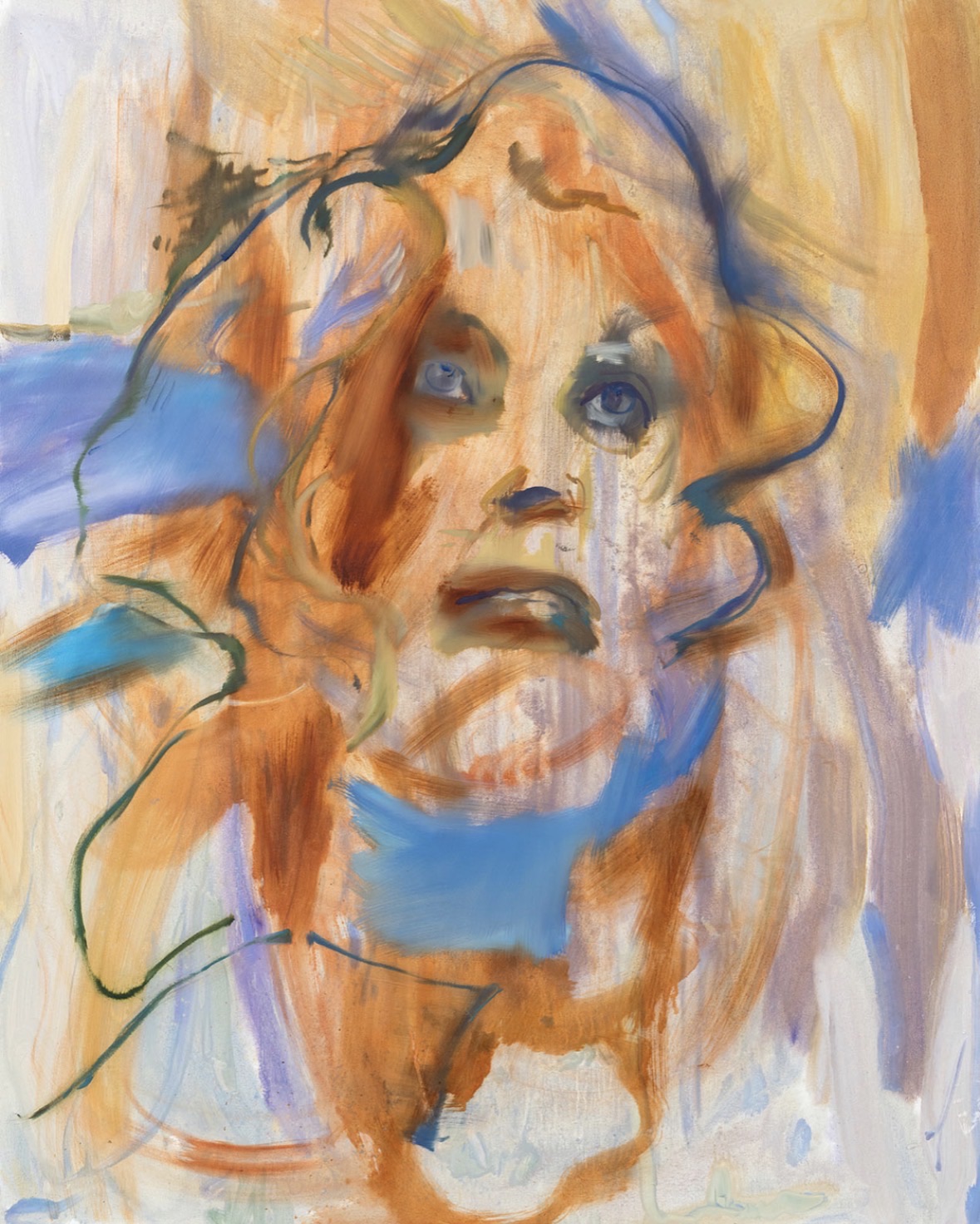
Flaming Desire, 2020
She earned her MFA from Tyler School of Art at Temple University, and has spent significant time teaching, including a long tenure at the Rhode Island School of Design where she has influenced a generation of younger painters. That pedagogical commitment speaks to something essential about her character: she is generous with ideas, convinced that thinking out loud in community is part of the creative act itself. Her paintings are immediately recognizable and yet difficult to pin down, which is precisely their gift. Working primarily in oil on canvas and panel, often at large scale, Dufresne constructs scenes that feel simultaneously cinematic and mythological, domestic and operatic.
Multiple figures appear in states of encounter, entanglement, or strange suspension, their identities fluid, their relationships charged with ambiguity. Color is deployed with theatrical confidence: warm golds and electric blues, flesh tones that vibrate against unexpected backgrounds. Looking at her work, one thinks of Fragonard's charged garden scenes, of Delacroix's massed bodies, of the saturated dream logic of Alice Neel and Cecily Brown. Yet Dufresne synthesizes these influences into something that belongs entirely to her.
Angela Dufresne
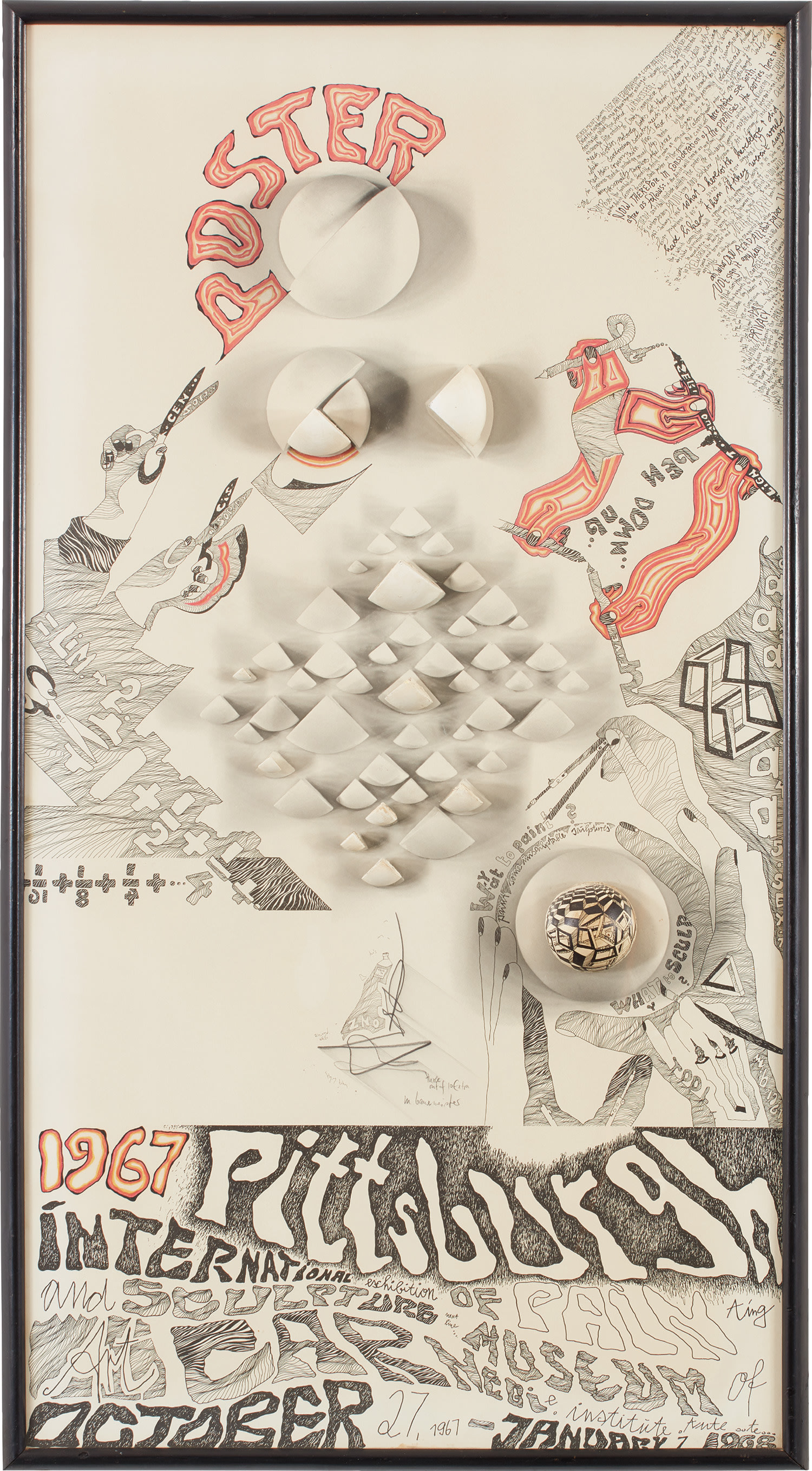
Westchester County Country Club pool with view of Richard Buckminster Fuller Aquatic Dome House of Victor Bloom - scene in the foreground in the Pool receiving fellatio from an un-named woman
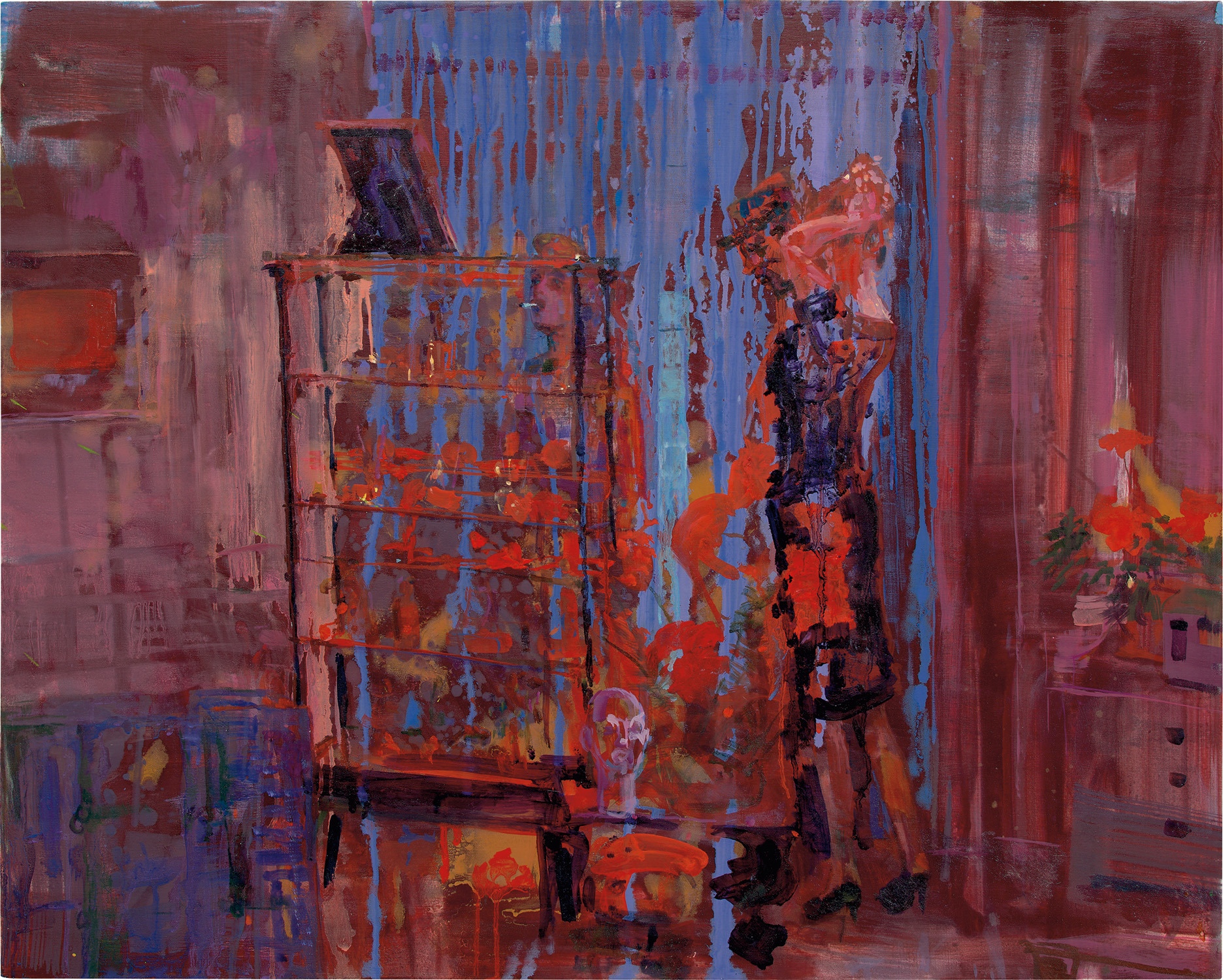
Among her most celebrated works is the 2006 oil on panel titled "Hannah Shgullyah as Maria Braun in the Drunken Dorothy Mallon's Daddy Death Scene From Written on the Wind," a painting whose sprawling title announces its method before you have even looked at the image. Here Dufresne folds together cinematic reference, personal relationship, and art historical gesture into a single unstable surface, asking the viewer to hold all of those layers at once. The 2020 work "Flaming Desire," in oil on canvas, demonstrates her continuing evolution: the composition crackles with energy and the color is among the most daring of her career, confirming that her ambitions have only expanded with time. Her printmaking practice, represented by complex screenprints that incorporate applied graphite and revel in equally provocative titular gestures, extends her investigation of desire and spectatorship into a different register, one that rewards close and patient attention.
What makes Dufresne's work so significant within contemporary feminist and queer art discourse is her refusal of didacticism. She is making political work in the deepest sense, in that she is challenging the inherited arrangements of who gets to look, who gets to be seen, and on whose terms pleasure is permitted. But she does this through seduction rather than instruction, through the sheer magnetic pull of her painted surfaces. The art historical sources she draws upon are not merely decorative citations; they are arguments made in paint, conversations with centuries of imagery about gender and power and the body.
Angela Dufresne
Hannah Shgullyah as Maria Braun in the Drunken Dorothy Mallon's Daddy Death Scene From "Written on the Wind", 2006
She is in dialogue with the Western tradition at the same time as she is gleefully rewriting it from the inside. For collectors, Dufresne's work represents an opportunity that is both aesthetically thrilling and culturally significant. Her paintings occupy a position within the broader story of American figurative painting that will only become more legible and more valued as the art market continues its sustained and genuine reassessment of women artists and queer artists who were working with fierce intelligence during the 1990s and 2000s. Works from this period of her career, including the 2006 oil on panel, are the kinds of pieces that anchor serious collections and generate meaningful conversation.
Her large scale oils command presence on a wall in a way that few contemporary paintings can match. Collectors drawn to artists such as Cecily Brown, Lisa Yuskavage, and Nicole Eisenman will find in Dufresne a painter of equal ambition and considerably distinct sensibility, one whose commitment to narrative complexity and psychosexual energy places her at the center of some of the most vital conversations in contemporary painting. The critical and institutional recognition of Dufresne's work has steadily grown, with her paintings appearing in group exhibitions that map the terrain of contemporary American figuration and in solo presentations that have solidified her reputation as an artist whose practice rewards sustained engagement. Museum curators and scholars working on the revisionist histories of late twentieth and early twenty first century American painting are increasingly attentive to her contribution, and it feels very much like a moment when her work is being seen with the full seriousness it deserves.
The art world moves slowly in its official recognitions, but collectors who have been watching closely have understood for years what is now becoming broadly apparent. Angela Dufresne matters today because she has spent more than two decades doing the difficult, unglamorous, thrilling work of developing a genuinely original visual language. She paints as though everything is at stake in every mark, as though the history of art and the complexity of living are both contained within each canvas and must be honored with total commitment. In a cultural moment that is finally making room for the full diversity of artistic voices that have always been present, her work stands as both a testament to what painting can do and an invitation to see the world with more curiosity, more pleasure, and considerably more courage.