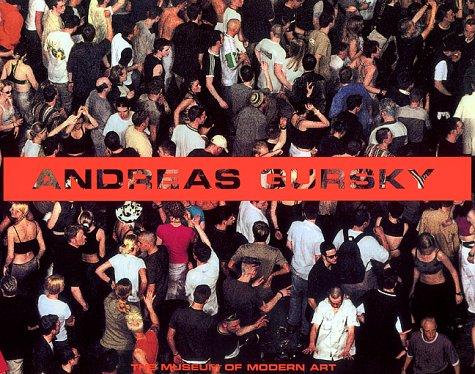
Andreas Gursky
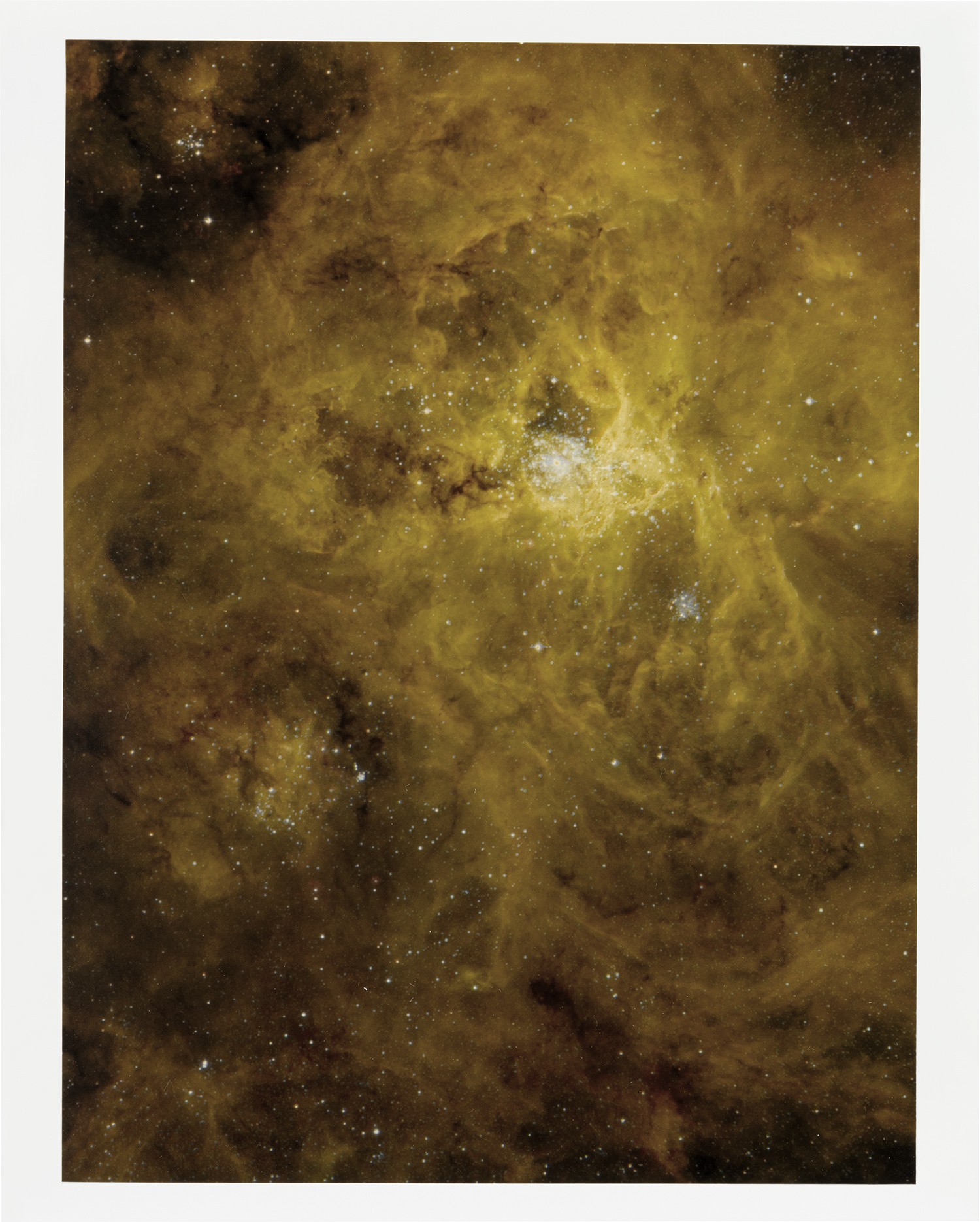
Andreas Gursky Sees the World Differently
Artist Spotlight · The Collection Editorial
“I never try to document reality. I want to make a statement about our time.”
Andreas Gursky, interview with The Guardian
In the spring of 2023, the Hayward Gallery in London mounted a sweeping survey of Andreas Gursky's work that drew tens of thousands of visitors and reignited a global conversation about what photography can and cannot do. Critics and collectors alike found themselves standing before images the size of cinema screens, unable to look away. That experience, of being simultaneously overwhelmed and seduced by the sheer scale and precision of Gursky's vision, is not accidental. It is the entire point.
Andreas Gursky
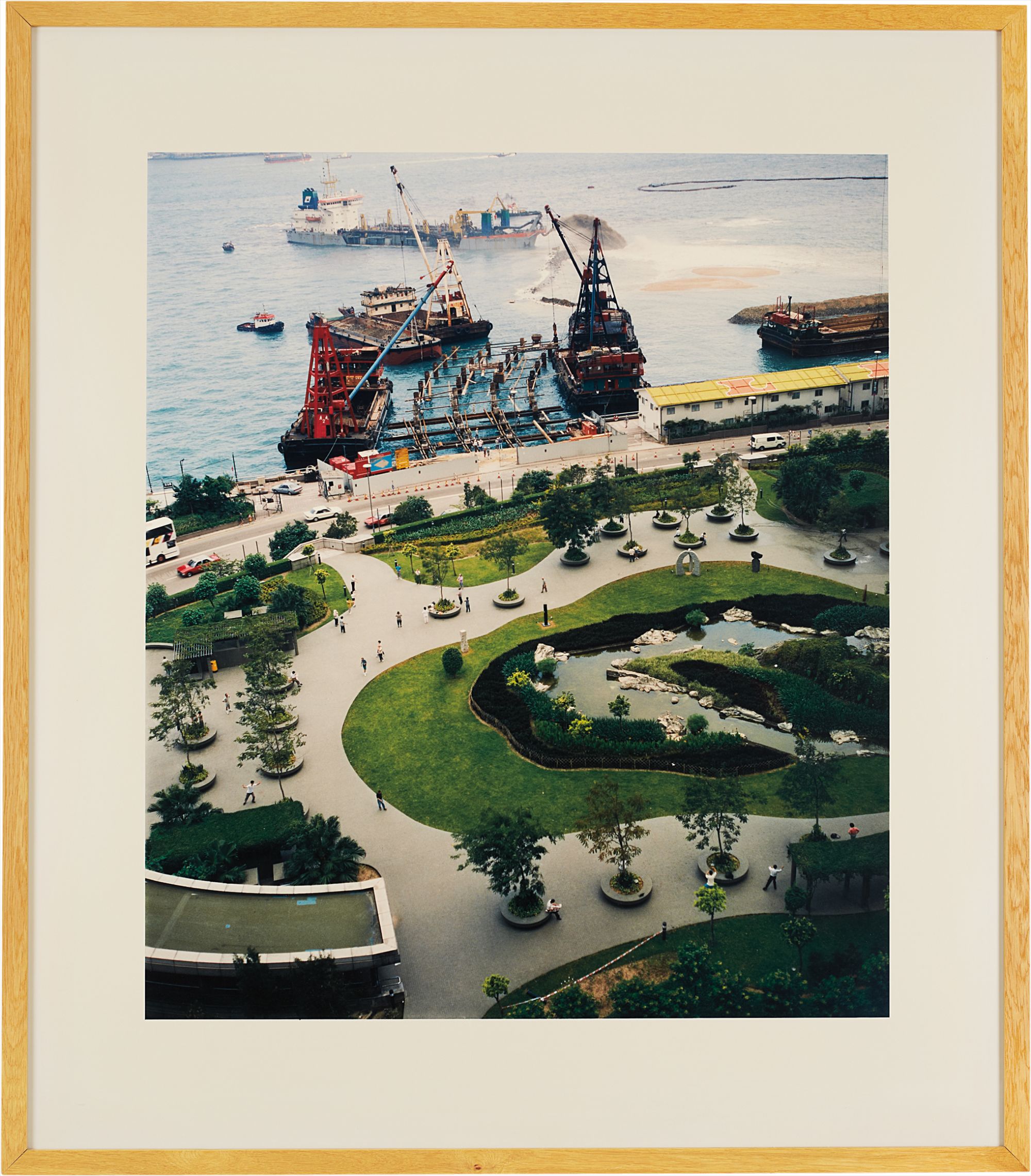
Hong Kong, Grand Hyatt Park
Gursky was born in Leipzig in 1955, into a family already steeped in commercial photography. His father and grandfather both worked as professional photographers, and the young Andreas grew up understanding the camera not as a toy or a hobby but as a serious instrument of observation. He studied at the Folkwang University of the Arts in Essen before moving to the Kunstakademie Düsseldorf, where he came under the formative influence of Bernd and Hilla Becher. That training, rooted in rigorous typological documentation and a cool, systematic approach to photographing the built environment, would mark Gursky for life, even as he eventually pushed far beyond the Bechers' restrained black and white vernacular.
The Düsseldorf School, as it came to be known, produced some of the most significant photographers of the late twentieth century, including Thomas Struth, Candida Höfer, and Thomas Ruff, all of whom share with Gursky a certain intellectual seriousness and a commitment to the large format image. But Gursky's trajectory diverged from his peers in a crucial way. Where others remained largely within the documentary tradition, Gursky began in the 1990s to use digital manipulation not to deceive but to intensify, to construct images that feel more true than any straight photograph could manage. He has spoken of his desire to capture something essential about a place or a system, and the computer became a tool for removing the noise that stands between a viewer and that essential truth.
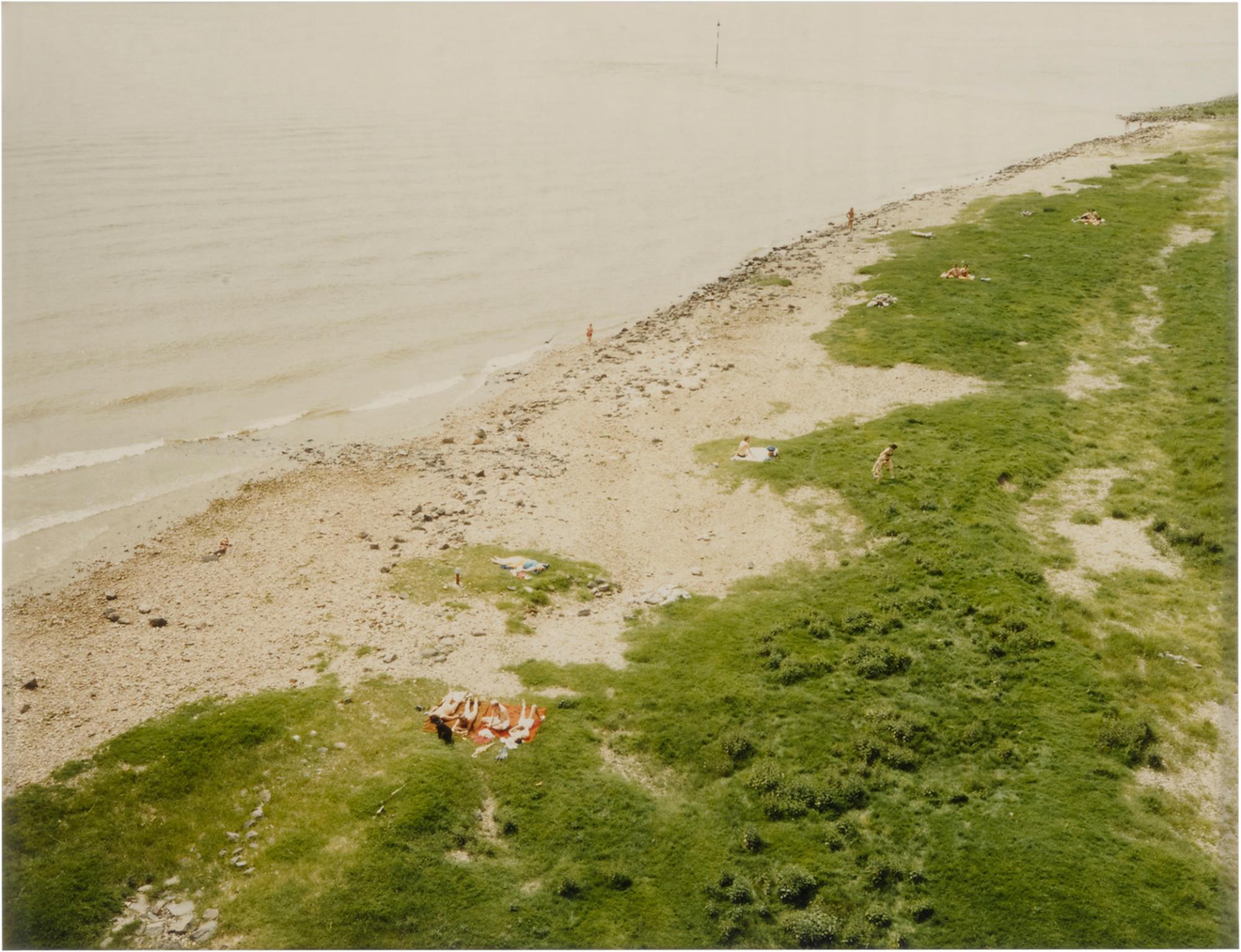
Andreas Gursky
'Rhein, Düsseldorf'
The breakthrough came with works like Rhein II, completed in 1999, which strips the Rhine riverbank of everything except two bands of grey water and four bands of green and grey land. Every tree, every dog walker, every building was removed in post production. What remains is a meditation on landscape so austere it borders on the abstract, yet so precisely rendered it feels physically present. In 2011 it sold at Christie's New York for just over four million dollars, making it at that moment the most expensive photograph ever sold at auction.
“I'm not interested in an unusual perspective for its own sake. I want to show the world in a way that is not normally visible.”
Andreas Gursky, Kunstmuseum Basel catalogue
The record was a signal to the market and to the broader art world that photography had definitively arrived as a collecting category on par with painting and sculpture. The works available through The Collection represent the full breadth of Gursky's preoccupations across three decades. Hong Kong Grand Hyatt Park and Jumeirah Palm demonstrate his fascination with architecture and the way global capital reshapes landscape into spectacle. The Pyongyang diptychs from 2007, among the most discussed works of his career, show mass choreography on a scale that defies individual comprehension, thousands of North Korean performers forming patterns visible only from a God's eye vantage point that no single human being could actually occupy.
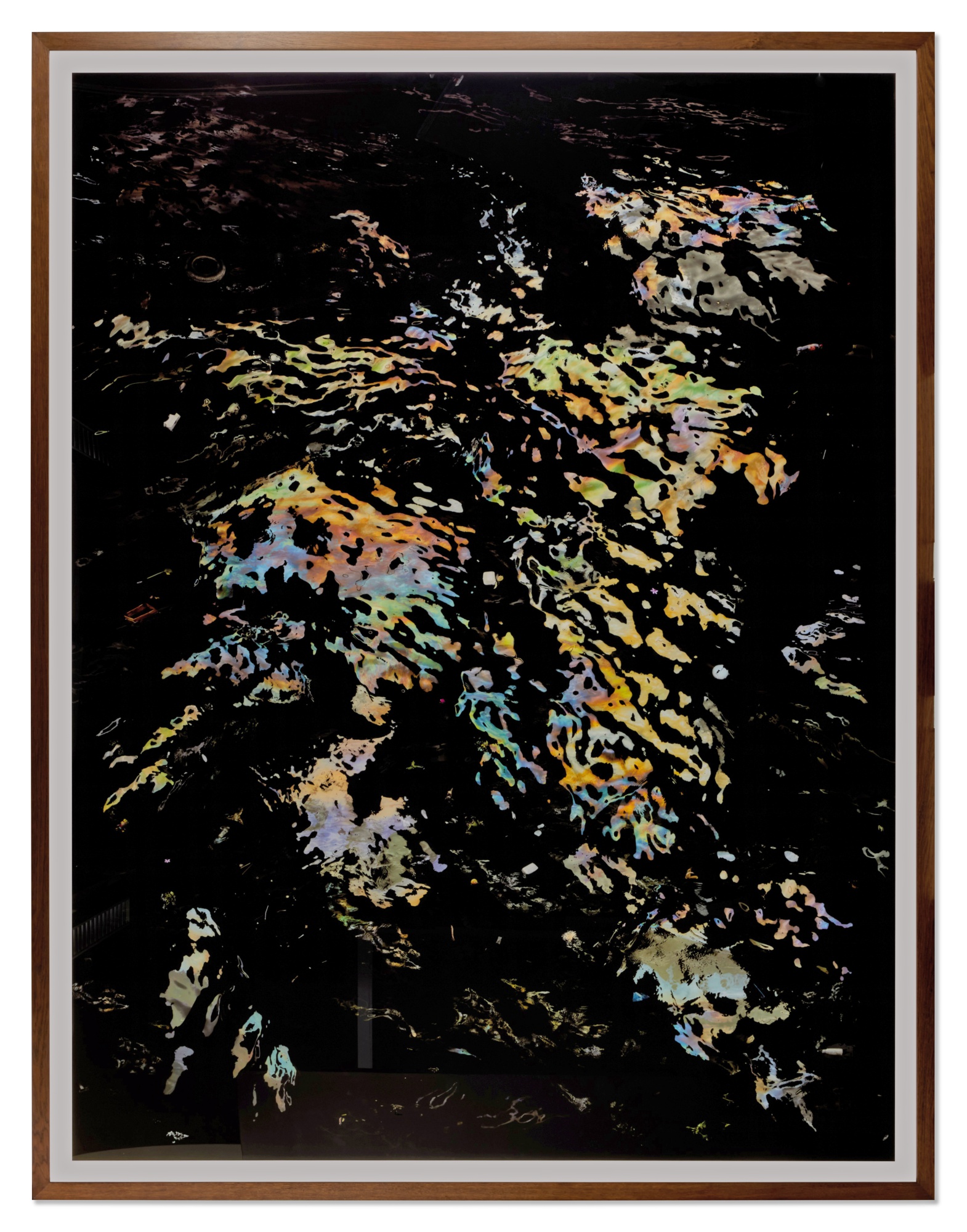
Andreas Gursky
Bangkok II, 2011
Bangkok II from 2011 turns the murky surface of the Chao Phraya River into something almost geological, a slow accumulation of time and material that bears comparison to abstract painting. Each of these works rewards sustained looking in a way that reproduction can only approximate. For collectors, Gursky presents a compelling proposition precisely because his practice is so rigorously defined. His editions are carefully controlled, his materials are specified with exacting care, and the works in artist's chosen frames or face mounted on Plexiglas carry the physicality that distinguishes a Gursky from lesser large scale photography.
Works like May Day V from 2006, depicting the famous Frankfurt rave in overwhelming overhead detail, and Porto Bahnhof, with its intricate lattice of a Portuguese railway station, show how Gursky moves fluidly between interior and exterior, between the intimately human and the systemically abstract. The chromogenic and inkjet prints he favors reward close inspection; the closer you look, the more information emerges, and yet the gestalt never dissolves. Gursky sits comfortably within an art historical lineage that reaches back through Walker Evans and Edward Weston to the great documentarians of the industrial age, yet he also anticipates something entirely contemporary: the era of satellite imagery, of data visualization, of seeing the world at scales previously reserved for machines. His images have been compared to those of contemporaries like Edward Burtynsky, who shares his interest in the industrial sublime, and to the conceptual rigour of his Düsseldorf peers.
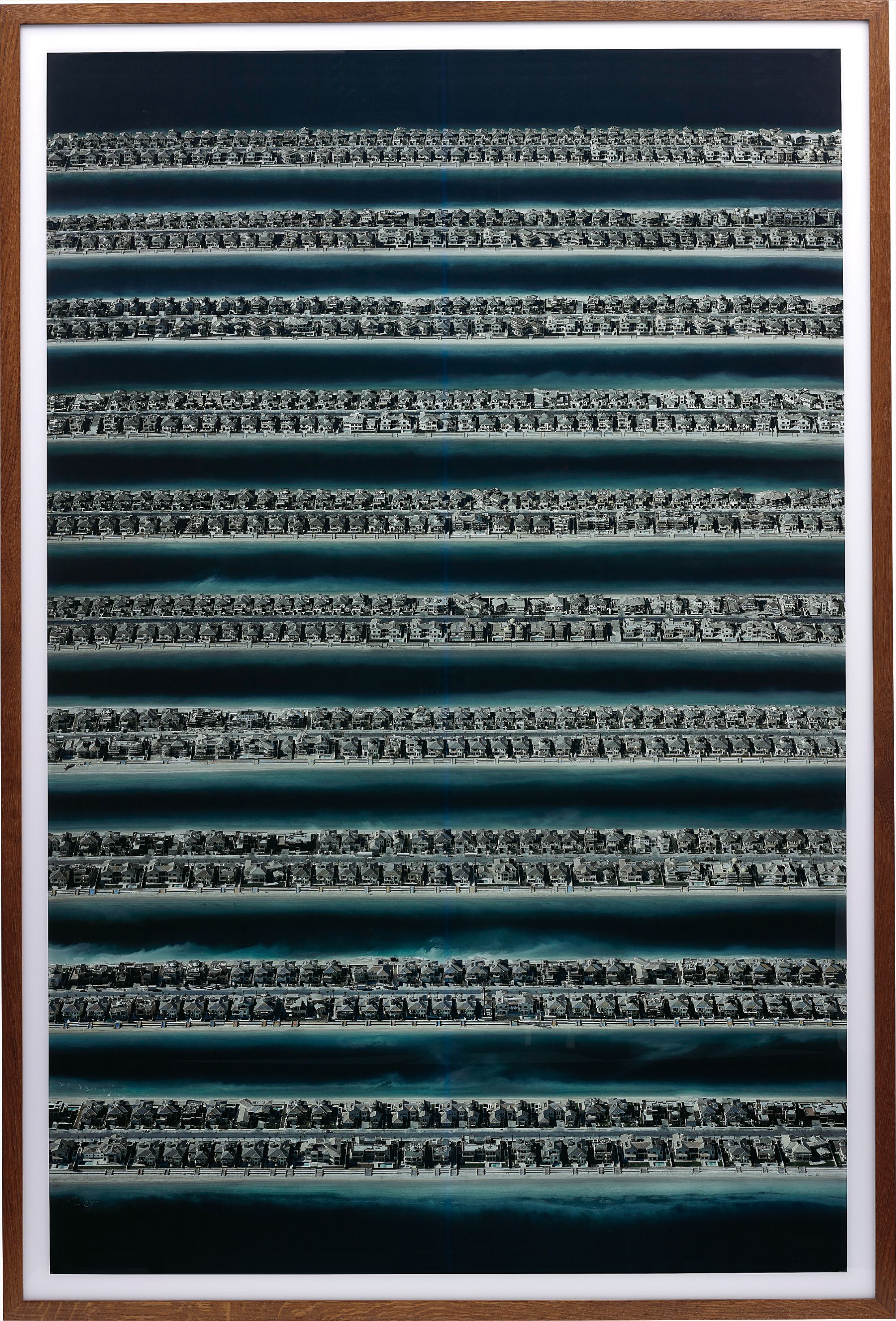
Andreas Gursky
Jumeirah Palm, 2008
But Gursky's particular blend of seduction and critique, his ability to make you admire and question in the same breath, remains his own. His legacy is already secure, and it continues to deepen. Major museums from the Museum of Modern Art in New York to the Centre Pompidou in Paris to the National Portrait Gallery in Canberra hold his work in their permanent collections. Younger photographers working today in large scale color photography owe him an enormous debt, whether they acknowledge it or not.
He has demonstrated that the camera, when wielded with sufficient intelligence and ambition, can produce images that belong in the same conversation as the greatest paintings of the last century. To collect Gursky is to participate in one of the genuinely transformative stories of contemporary art, the moment when photography stopped being photography's problem and became everyone's.
Explore books about Andreas Gursky