Albert Watson
Albert Watson, Master of the Decisive Frame
Artist Spotlight · The Collection Editorial
“I think what makes a great portrait is when you see something of yourself in the other person.”
Albert Watson, interview
There is a photograph of Steve Jobs taken in 1984 that has become, in the decades since, one of the defining images of the twentieth century's technological imagination. Jobs sits with his chin resting on his interlaced fingers, gaze direct and unwavering, rendered in a chiaroscuro so precise it feels almost painted. The photographer was Albert Watson, a Scotsman working out of New York who had already spent a decade reshaping the visual language of fashion and portraiture. That image now circulates as freely as currency, and yet it belongs unmistakably to its maker.
Albert Watson
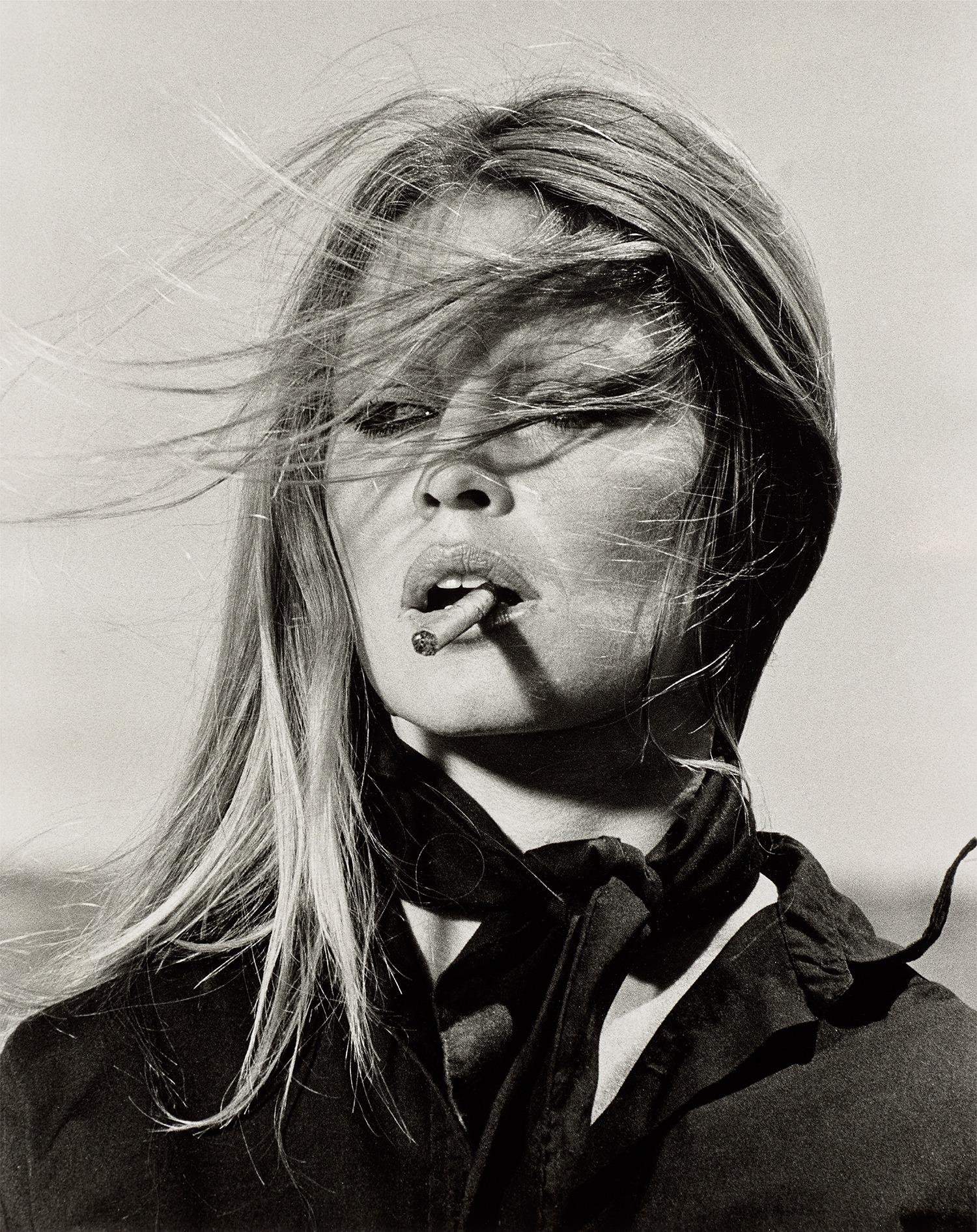
Kate Moss
This is the paradox at the heart of Watson's achievement: his work has become so woven into the cultural fabric that we sometimes forget to ask who made it, and why it endures. Watson was born in Edinburgh in 1942 and grew up in a Scotland still finding its postwar footing. He studied graphic design at the Duncan of Jordanstone College of Art in Dundee, then moved to London before eventually relocating to the Royal College of Art, where he trained in film and television. It is worth pausing on this trajectory.
Watson came to photography not through the traditional route of darkroom apprenticeships or photojournalism, but through a rigorous grounding in design, composition, and the moving image. That foundation is everywhere visible in his finished work: in the architectural quality of his lighting, in the storytelling compression of a single frame, in his instinct for geometry as emotional force. He arrived in New York in the early 1970s and within a remarkably short period had established himself as one of the most sought after commercial photographers in the world. His editorial work for Vogue, Rolling Stone, and GQ set a standard that defined the visual identity of those publications for decades.
Albert Watson
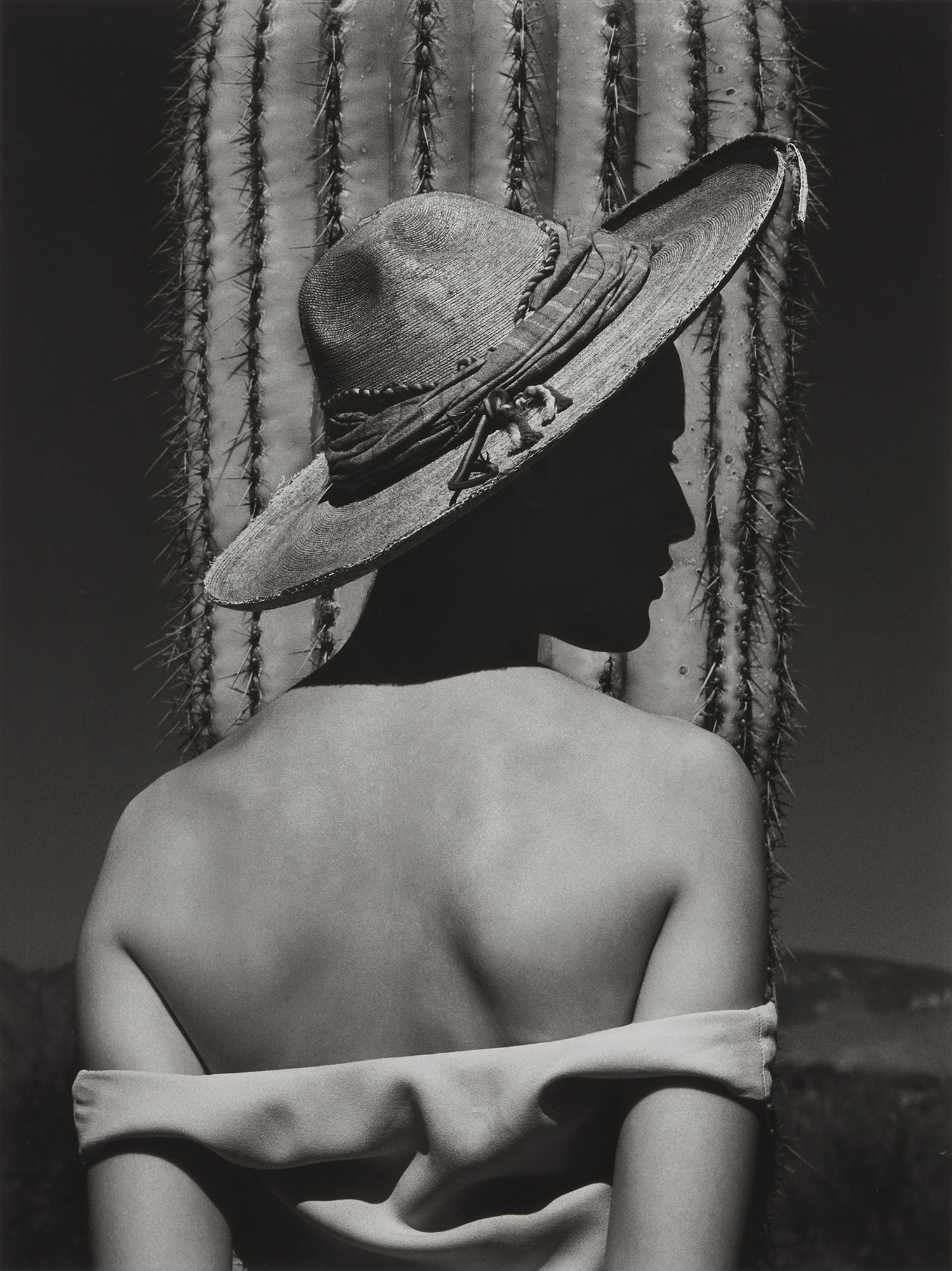
Charlotte, New Mexico
Watson shot over 100 covers for Vogue alone, a figure that speaks not only to his technical virtuosity but to his extraordinary consistency. Where many photographers find their commercial success at odds with their artistic ambitions, Watson treated every assignment as a formal problem worthy of the same rigor he brought to his personal projects. The result is a body of work in which the boundary between the commissioned and the deeply personal is productively blurred. The signature works collected under his name reveal a photographer of remarkable range operating at peak intensity across every subject he approaches.
“Light is everything. Without light there is no photography. I am obsessed with it.”
Albert Watson
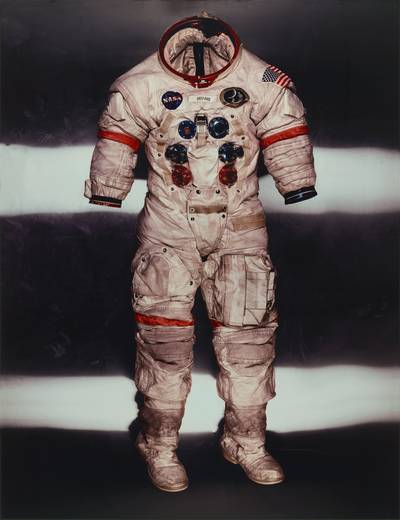
"Kate Moss, Marrakech" captures the supermodel in a setting that feels simultaneously ancient and entirely modern, the warm North African light doing something quietly revelatory to her features. "Christy Turlington, Luxor, Egypt" places another of fashion's great faces against the monumental geometry of antiquity, and the image holds its own against that impossible competition. Then there is the altogether stranger register of works like "Monkey with Gun, New York City" and "Monkey with Masks, New York City," surrealist set pieces that demonstrate Watson's deep comfort with the uncanny and his willingness to destabilize the viewer's expectations of what a photograph should be. "Alan Shepard's Lunar Suit, Apollo 14, NASA" extends this fascination with iconic objects into something close to a meditation on human ambition, the empty suit both heroic and melancholy in equal measure.
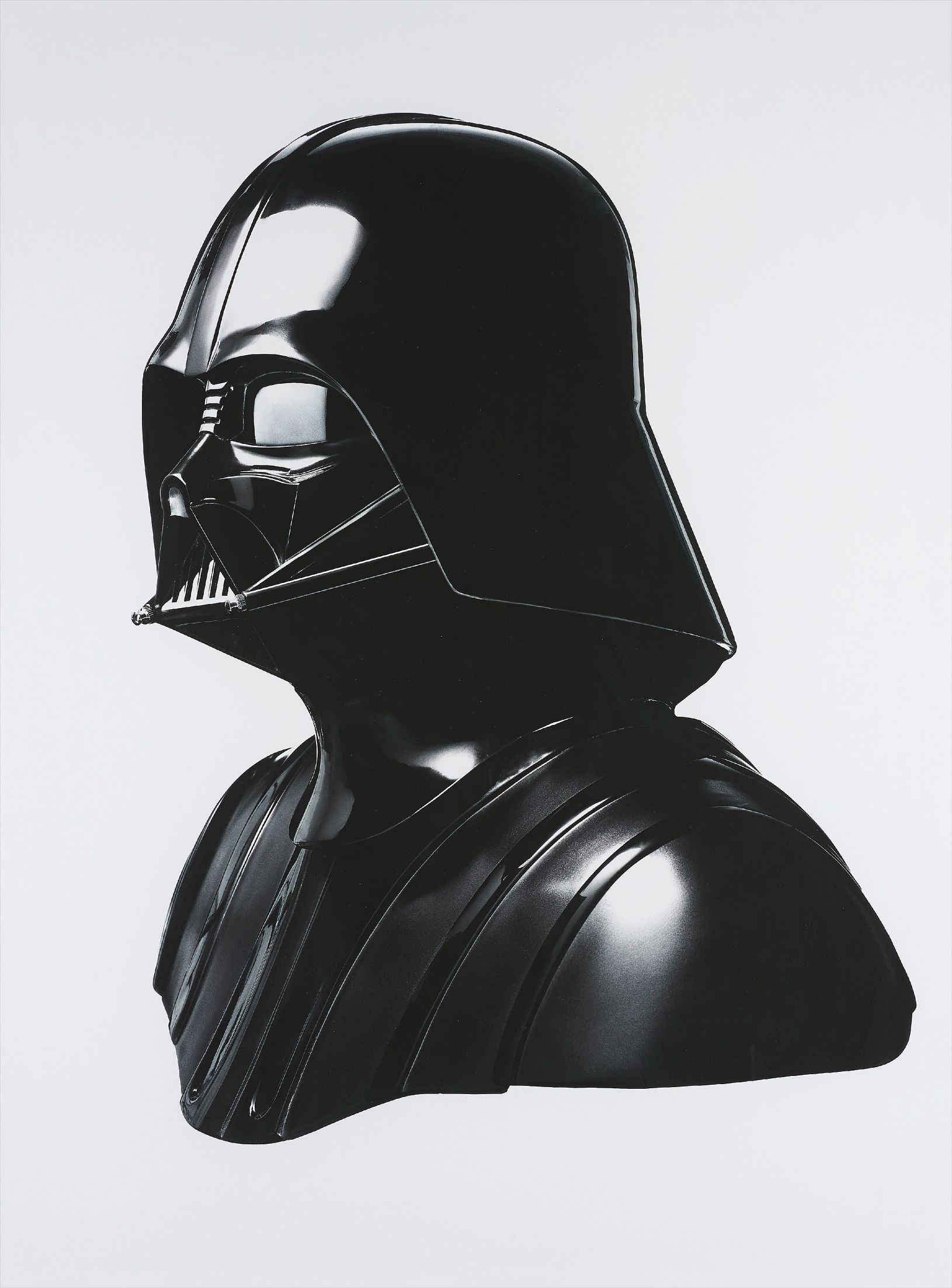
Albert Watson
Darth Vader, The Original Helmet, 'Star Wars', New York City
And the Las Vegas series, including "Breaunna in Bathroom, Budget Suites, Las Vegas" and "Breaunna in Cat Mask, Las Vegas, Nevada," brings a novelistic attentiveness to lives lived on the economic margins of the American dream, rendered with a tenderness that refuses to condescend. For collectors, Watson's work occupies an enviable position in the photography market. His prints are held in major museum collections and have appeared consistently at auction through houses including Christie's and Sotheby's, where his most celebrated images command prices that reflect both their cultural significance and their genuine rarity in fine condition. Gelatin silver prints from the 1990s, such as the iconic "Kate Moss" portrait from 1997, are particularly prized for their tonal richness and the quality of their production under Watson's direct supervision.
Archival pigment prints, which constitute a significant portion of his collected edition work, reward close inspection with a luminosity and stability that speak to his uncompromising standards. Collectors entering the market should look for works that demonstrate Watson's lighting intelligence at its most complex, the images where shadow and highlight are not merely technical facts but carriers of meaning. Within the broader history of photographic art, Watson belongs to a distinguished lineage that includes Richard Avedon, Irving Penn, and Helmut Newton, photographers who insisted that the commercial assignment could be a vehicle for genuine artistic ambition. Like Avedon, Watson brings a psychological intensity to portraiture that transforms its subjects into something beyond likeness.
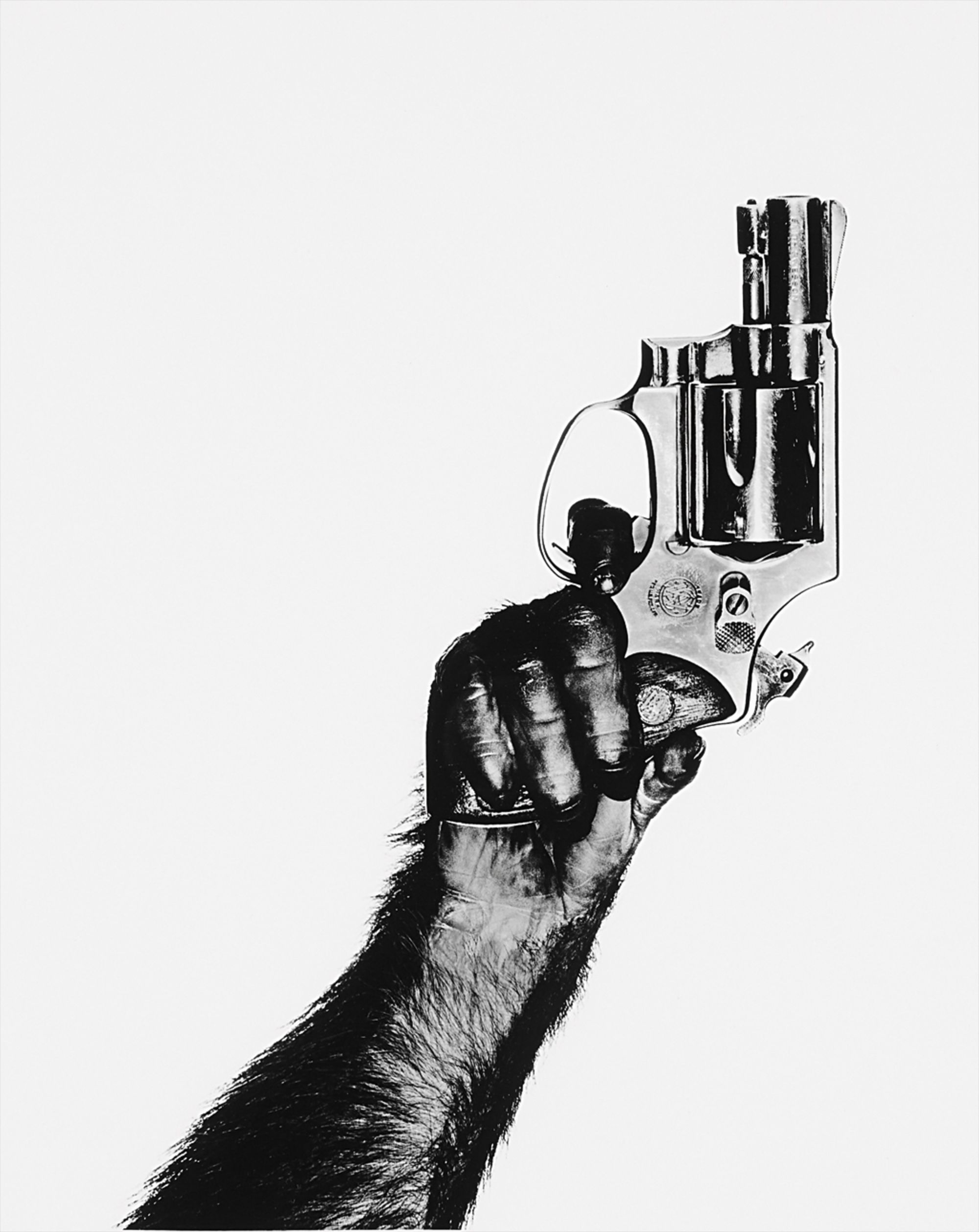
Albert Watson
Monkey with Gun, New York City
Like Penn, he possesses a formal severity that never tips into coldness. And like Newton, he understands the erotic and the uncanny as legitimate photographic territories rather than departures from good taste. What distinguishes Watson from all of these predecessors and contemporaries is his particular quality of attention, a sense in every image that the world has been observed with total concentration and found to be, in all its strangeness and beauty, worthy of that care. Watson's legacy is still very much in formation, which is itself a remarkable thing to say about a career spanning more than fifty years.
He continues to work with the same focus and curiosity that marked his earliest editorial assignments, and his influence on subsequent generations of photographers is both pervasive and frequently acknowledged. Young photographers working in portraiture, fashion, and fine art photography cite his ability to hold commercial and artistic imperatives in productive tension as something close to a model for how a career in the image can be built and sustained with integrity. His 2007 monograph "Watson" and the subsequent retrospective publications have introduced his work to audiences far beyond the fashion world in which he first made his name. For those who collect photography with an eye on both the present moment and the long arc of the medium's history, Albert Watson represents exactly the kind of figure whose work rewards sustained attention: a master craftsman, an original visual thinker, and an artist whose best images seem only to grow in stature with time.
Explore books about Albert Watson